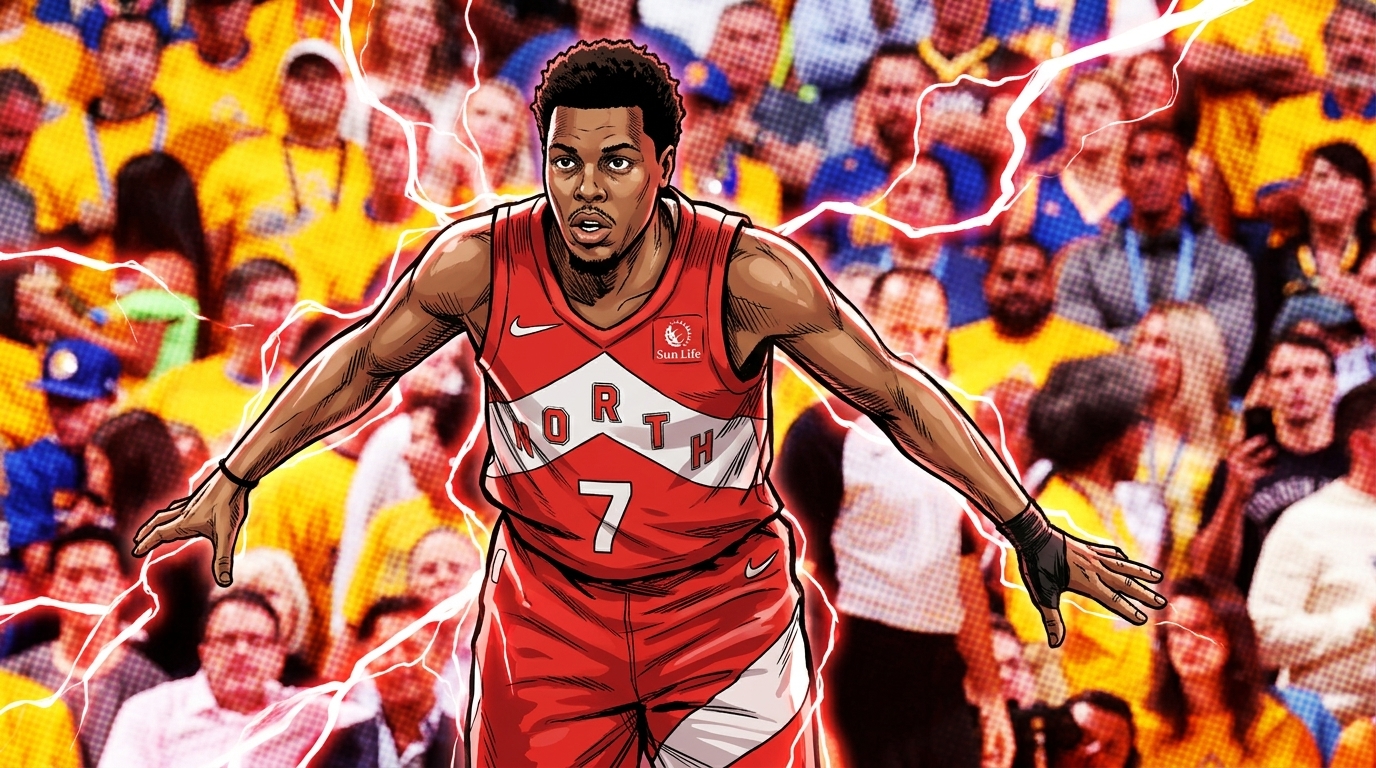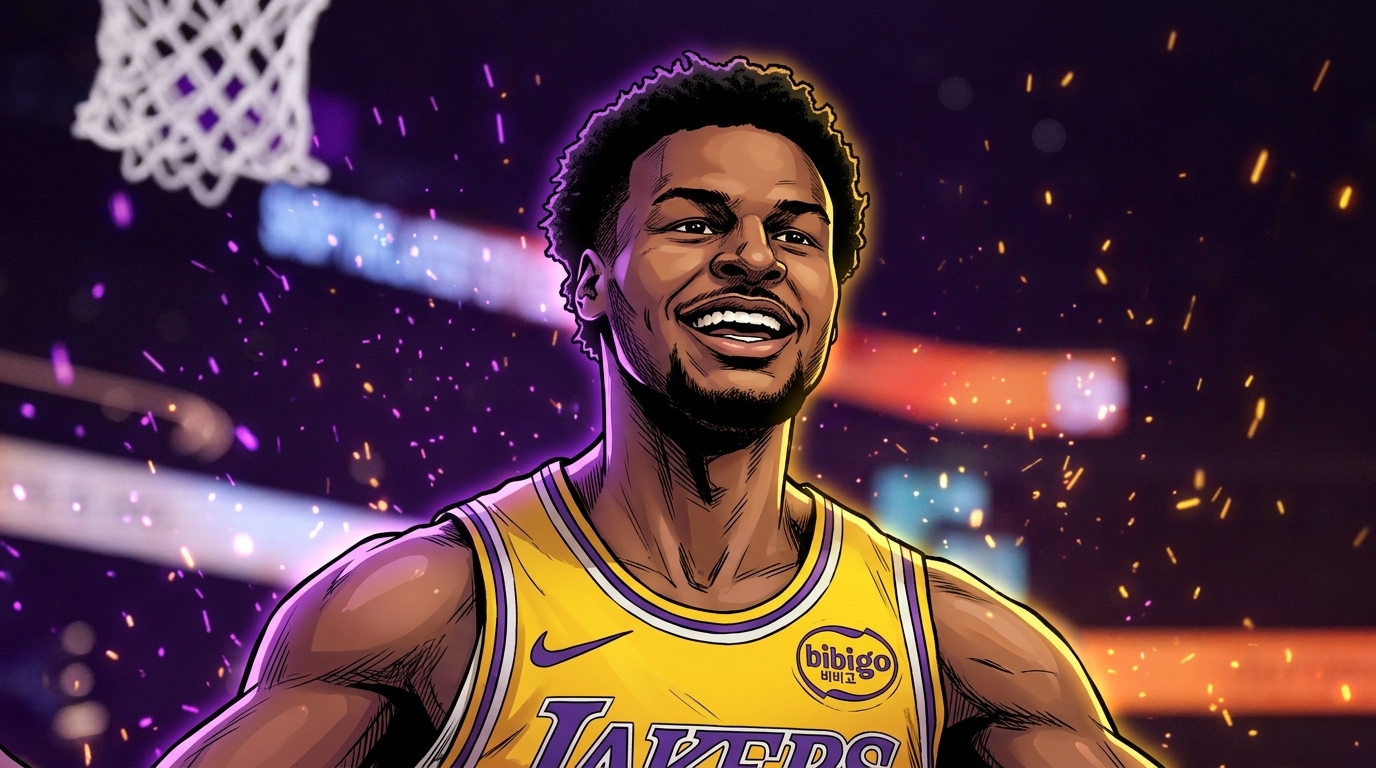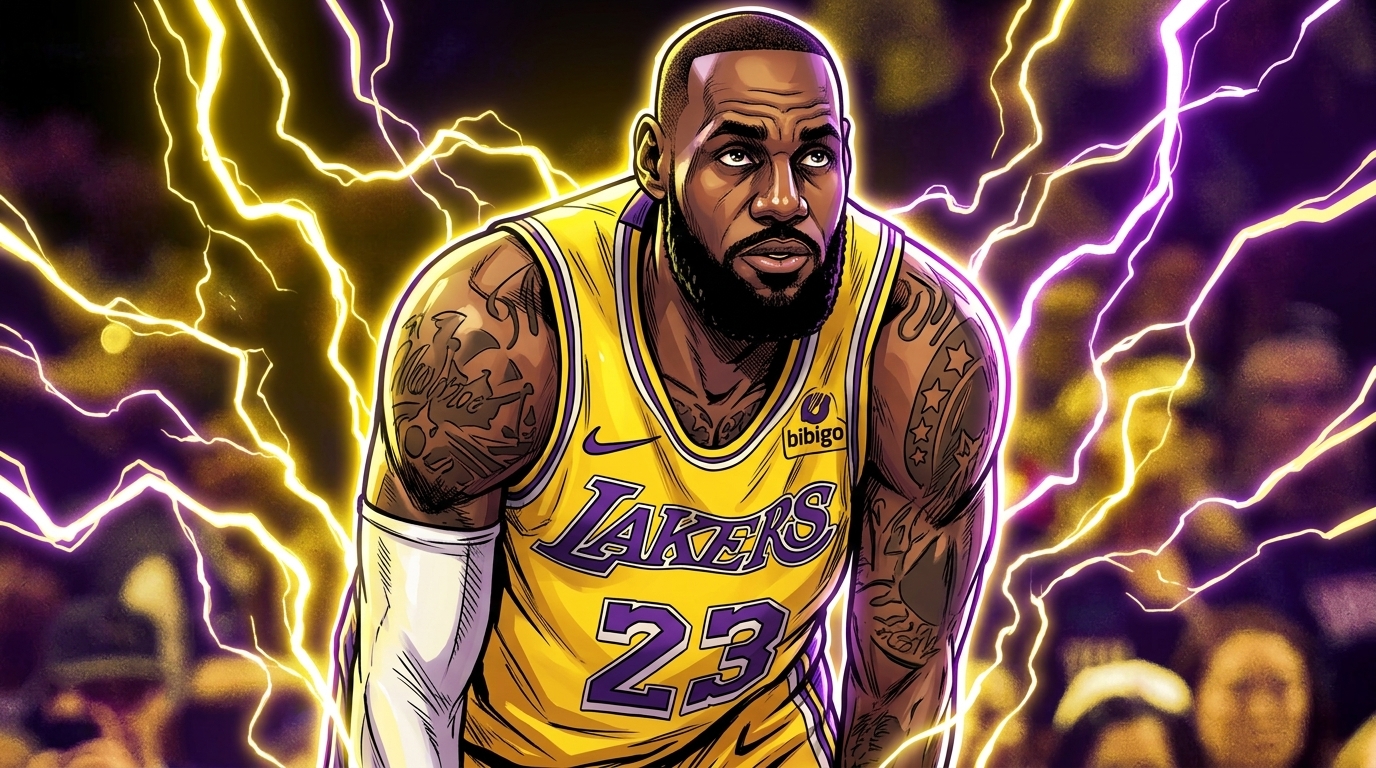

Russell Westbrook held the NBA’s pay-cut record for three years. Between 2022-23 and 2023-24, his salary fell from $47 million with the Lakers to $4 million with the Clippers, a $43.2 million drop of about 91.9 percent, on a two-year, $8 million deal with a player option. That record stood until July 24, when LeBron James agreed to a two-year, $8 million deal with the 76ers, the same day he called it “my last decision.”
The real question is why. A pay cut this size isn’t just the biggest financial sacrifice of LeBron’s career. It’s a readout of how little he trusts himself to win a championship again without a roster built entirely around him.
James made $52.63 million with the Lakers last season, one of the biggest salaries in the league. Per Yahoo Sports’ breakdown of the contract, he’ll earn $3,876,529 in Philadelphia this season, the veteran minimum, with a $4,070,355 player option attached for year two. Subtract one number from the other and the gap is $48.75 million, reported as a roughly 92.6 percent cut that outlets around the league have rounded up to “nearly 93 percent.” I ran the math three different ways, off three different reported figures, and landed on the same conclusion every time: it’s the largest single-offseason pay reduction any player has ever agreed to, and it isn’t especially close.
The Number That Broke Russell Westbrook’s Record
Westbrook’s collapse was involuntary in every way that mattered. His defense had eroded, his shot had gone sideways, and the Lakers were desperate to get his salary off the books. Nobody offered him $47 million again because nobody around the league believed he was still worth it.
LeBron’s situation inverts that story. He was making $52.63 million as recently as June. Nothing about his production forced this decision. A 41-year-old coming off a season that big could have chased the non-taxpayer mid-level exception elsewhere, several times what the veteran minimum pays. He passed on that market entirely and picked the smallest number available to him, on purpose, to play for one specific team.
Is LeBron’s Pay Cut the Biggest in NBA History?
Yes. At $48.75 million, the drop from LeBron’s Lakers salary to his 76ers salary is the largest single-offseason pay cut any NBA player has taken, surpassing Russell Westbrook’s $43.2 million reduction from 2022 to 2023 by more than $5.5 million.
The comparison to his own past sharpens it further. His rookie contract with Cleveland in 2003 paid him $4.02 million, a figure higher than what he’s set to make with Philadelphia this season, in year 24 of his career. By salary alone, he’s a rookie again. The trade kicker built into the new deal, a full 15 percent bump he’d collect if Philadelphia ever moves him (he can’t be dealt before December 15), would push that number up to roughly $4.5 million. Barely more than what 19-year-old LeBron signed for two decades ago, and only if Philadelphia trades him at all.
What $48.7 Million Actually Buys Him
Here’s the counterargument, and it’s a fair one: LeBron doesn’t need the money. He’s earned more than $581.3 million in NBA salary across his career, the most of any player ever, ahead of Kevin Durant’s $511.8 million and Stephen Curry’s $473.2 million. Forbes puts his net worth near $1.4 billion, making him the first active NBA player to reach ten figures, with roughly $85 million in off-court income over the past year between endorsements and his Nike deal. For someone in that financial position, $48.75 million is close to a rounding error on a personal balance sheet.
That’s true, and it’s beside the point. The question was never whether LeBron can afford to make less. It’s why a player who could have taken a bigger paycheck somewhere else chose the smallest one on the market instead, and what he expected to get for it.
What he got: a full roster reset that predates his signature on the contract. Weeks before he agreed to terms, Jaylen Brown landed in Philadelphia, dealt over from Boston in a trade sending Paul George and draft compensation the other way. The Jaylen Brown trade is the reason Philadelphia already had a second superstar wing in place before LeBron picked up the phone, joining Joel Embiid, Tyrese Maxey, and second-year guard VJ Edgecombe on a core he didn’t have to build. He only had to join it.
The minimum-salary number does a second job, too. Philadelphia’s cap math this summer needed room around Embiid, Brown, and Maxey, and a $3.88 million cap hit from the NBA’s all-time leader in career earnings is about as cheap as star power gets. Everything about the arrangement reads as a $48.7 million bet that Embiid and Brown add up to more than his own paycheck ever could.
Why the Discount Reads as Doubt, Not Sacrifice
I’ve watched enough Tuesday-night pickup runs at the Berkeley rec center, tracking my own shooting percentage on a spreadsheet nobody asked for, to know a number is trying to tell you something even when the person behind it won’t say it out loud. LeBron isn’t going to stand at a podium and say he doesn’t trust his own game to carry a team anymore. He doesn’t have to. The contract says it for him.
The reaction split along predictable lines within hours of the announcement.
https://twitter.com/BleacherReport/status/2085875346042126503
Both readings miss the actual signal buried in the number. It was never about whether LeBron still wants to win. It’s about what he was willing to give up to make sure he doesn’t have to do it by himself.
Whether the roster math translates into a title is a separate bet, and the Sixers’ title odds will tell that story better than any contract line item. The salary already told the psychological one. A player who spent two decades building his value around being the engine just paid $48.7 million to ride shotgun, and the price tag is the tell.