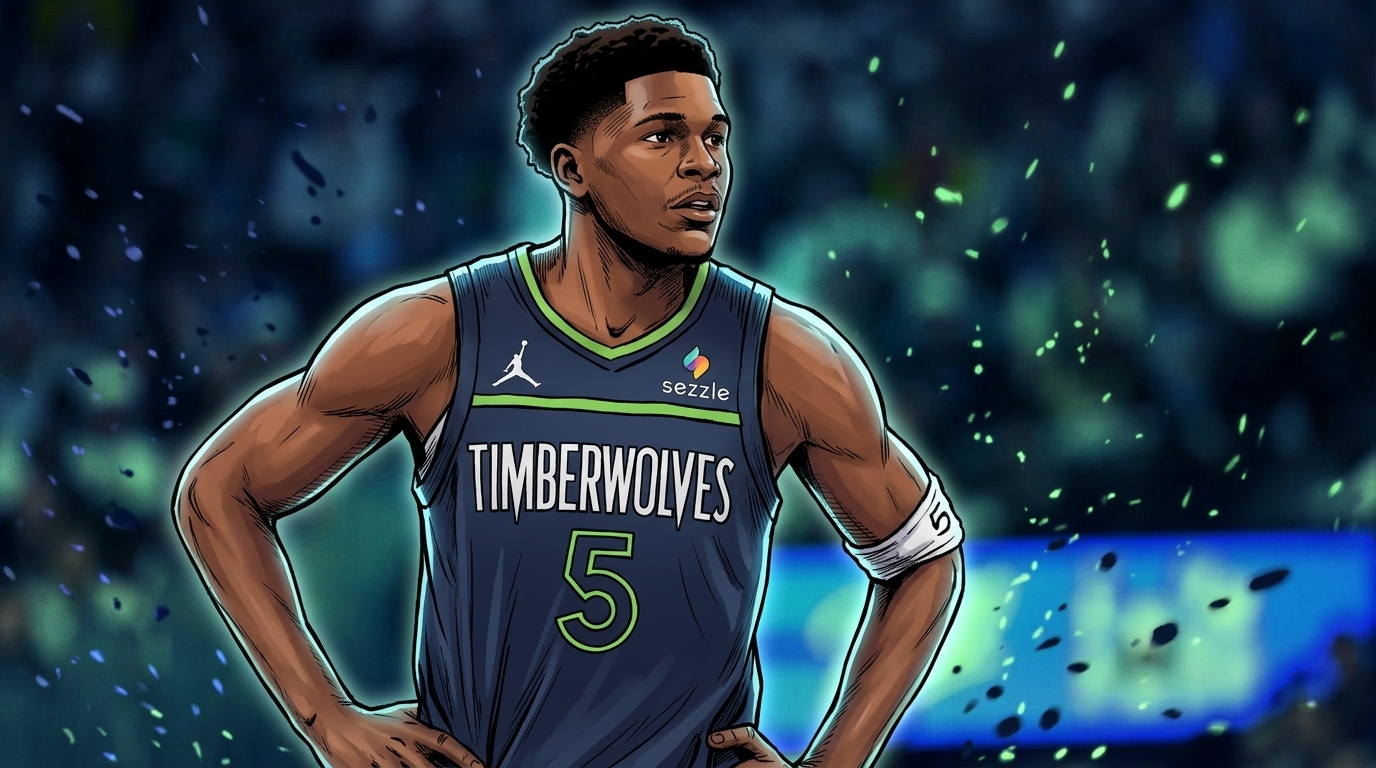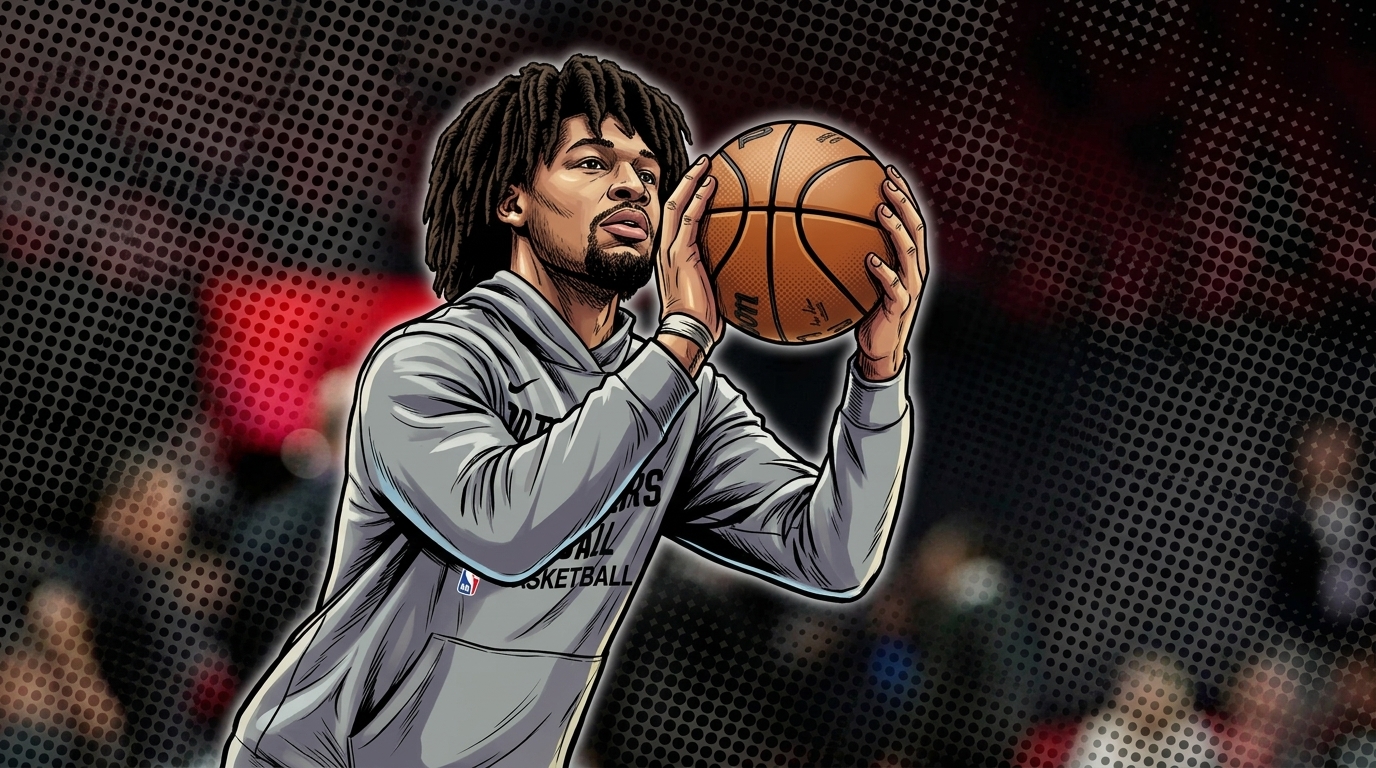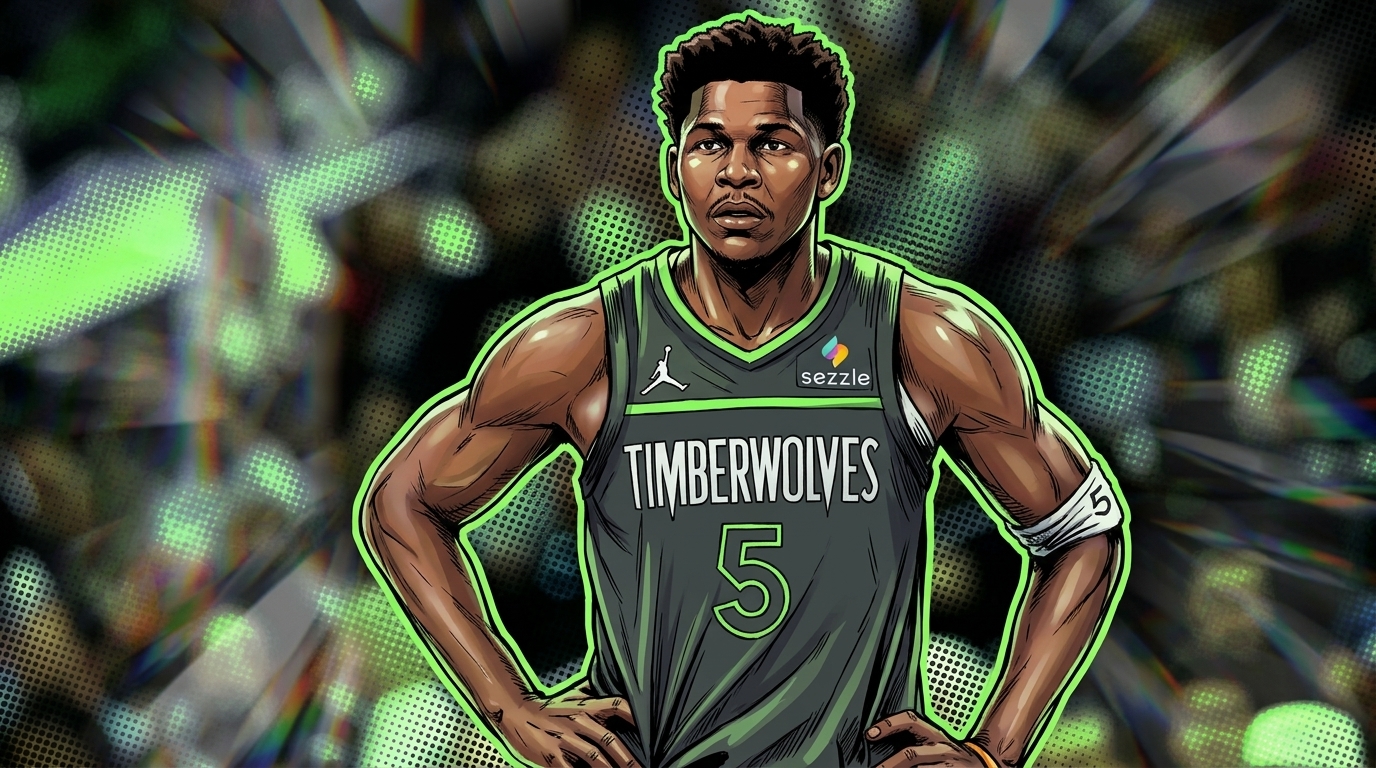

Every summer a trade reshapes a conference on paper, and then the math catches up. The question worth running right now is not whether the Anthony Edwards–LaMelo Ball backcourt will be elite — it almost certainly will — but whether the Minnesota Timberwolves added a championship ceiling or just a very expensive spacing problem. I ran this three different ways, and each time the same team kept coming out ahead: the Oklahoma City Thunder.
https://x.com/ShamsCharania/status/2070135940530446339
What Minnesota Actually Traded Away
Start with what Charlotte sent over alongside LaMelo Ball: Josh Green, a two-way wing. Then look at what Minnesota sent back. Naz Reid — 6’9”, career 37% from three, the only member of the Wolves frontcourt who could credibly space the floor at center — is now in Charlotte. That matters more than the 2033 first-rounder.
Rudy Gobert attempted seven three-pointers all of last season and made zero of them. That is not a floor-spacer; that is a paint-finishing center who survives because elite wing shooters pull defenders away from the rim. Jaden McDaniels sits at 35.9% for his career, competent but not expansive enough to open the paint for two ball-dominant guards sharing the same half-court. As for Minnesota’s roster construction heading into this summer, trading Julius Randle to Brooklyn already absorbed one significant subtraction; trading Reid compounds the spacing deficit rather than fixing it.
The projected starting five — LaMelo Ball, Anthony Edwards, Ayo Dosunmu, Jaden McDaniels, Rudy Gobert — contains two guards who averaged over 20 points per game last season by demanding the ball and creating in the half-court. Edwards posted 28.8 PPG. LaMelo ran 20.1 PPG with 7.1 assists and 272 three-pointers made, second in the NBA, his lowest turnover rate since his rookie year. Two elite creators. One non-shooter at center. That combination is exactly the risk Minnesota is taking with this trade, and it will show up in the playoffs before it shows up in the regular season.
Who Wins a West Built Around Creation-Heavy Offenses?
The modern Western Conference has consolidated around creation-heavy backcourts and capable big men who can punish the interior. Houston Rockets finished 52-30 but remain several levels behind the conference’s ceiling per reporting. Denver Nuggets lost in round one despite Nikola Jokic averaging 27.7/12.9/10.7 — the Nuggets are in a complicated position heading into next year. The West is not deep right now. It is top-heavy, and the teams at the top are defined by how well they convert offense into wins against elite defenses.
The data here is unambiguous: defense is the controlling variable at the top of this conference, because the offenses are good enough to cancel each other out. OKC’s defensive rating of 107.7 led the entire NBA last season — that is the number that tells you how many points they allowed per 100 possessions, and 107.7 is historically low for a full-season sample. Their net rating of +11.1 ranks eighth-best in recorded NBA history. That is not a team that needed Minnesota to create a spacing problem. It helps that one just arrived.
A backcourt of LaMelo Ball and Anthony Edwards, operating through Rudy Gobert at center, is a schemer’s dream for OKC’s switching coverage. Shai Gilgeous-Alexander won his second MVP this season at 31.1 PPG and 66.3% true shooting — meaning OKC can outscore nearly any opponent while running an elite defensive system around them. Every time Minnesota goes small to open the floor for their backcourt, they walk into the exact defensive environment OKC spent three years designing. The Thunder do not need to change a rotation.
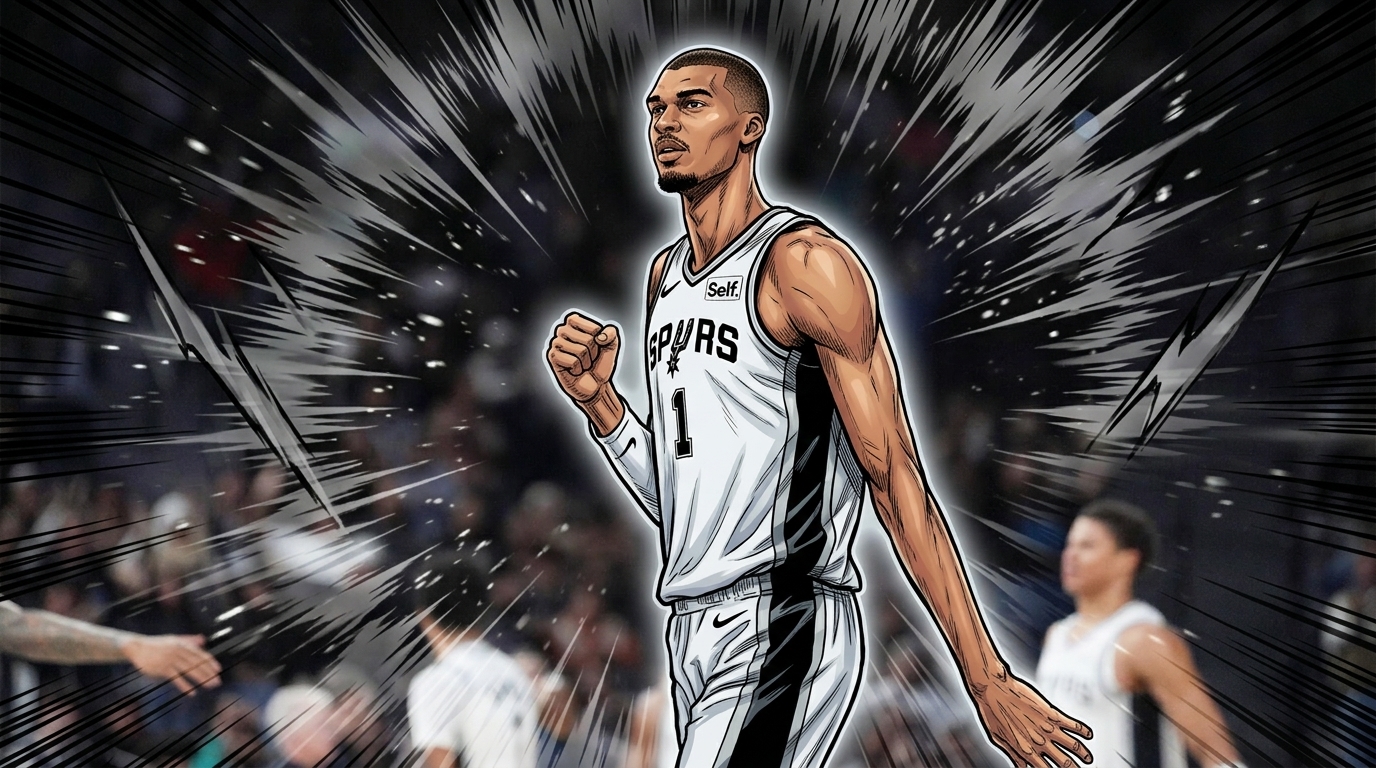
The counterargument deserves honest air time: OKC lost to San Antonio Spurs in Game 7 of the Western Conference Finals this season, and the Spurs lost to the Knicks in the Finals. A team with Victor Wembanyama beat them when it counted. None of that erases the +11.1 net rating or the defensive infrastructure. It means OKC still has something to prove in May. I will hold that.
The Team That Didn’t Have to Do Anything
There is a specific kind of organizational intelligence that shows up when a front office stays still during a summer when everyone else is scrambling. OKC did nothing. Their roster is calibrated. Their defensive system is built precisely for the kind of Western Conference that LaMelo Ball landing in Minnesota creates — two creation-heavy ball-handlers running through a non-shooting center, rotational seams that can be identified and exploited before the first preseason game.
My roommate got me into F1 three years ago, and the one rule he drilled in early: the team already running in clean air does not need to react to the chaos behind them. OKC is running in clean air. The West just handed them a spacing-challenged rival and a cleaner path through 2026-27 without a single roster move.
The 64-18 Thunder’s offensive rating of 118.9 — seventh in the NBA — did not go anywhere this offseason. Shai Gilgeous-Alexander did not go anywhere. The defense that ranked first in the league did not go anywhere. Minnesota added a new backcourt and a new set of structural questions. OKC added nothing and solved nothing, because they had nothing to solve. Everyone else in the West is adjusting to the new landscape. OKC is staying exactly where they were.
Give me the Thunder.