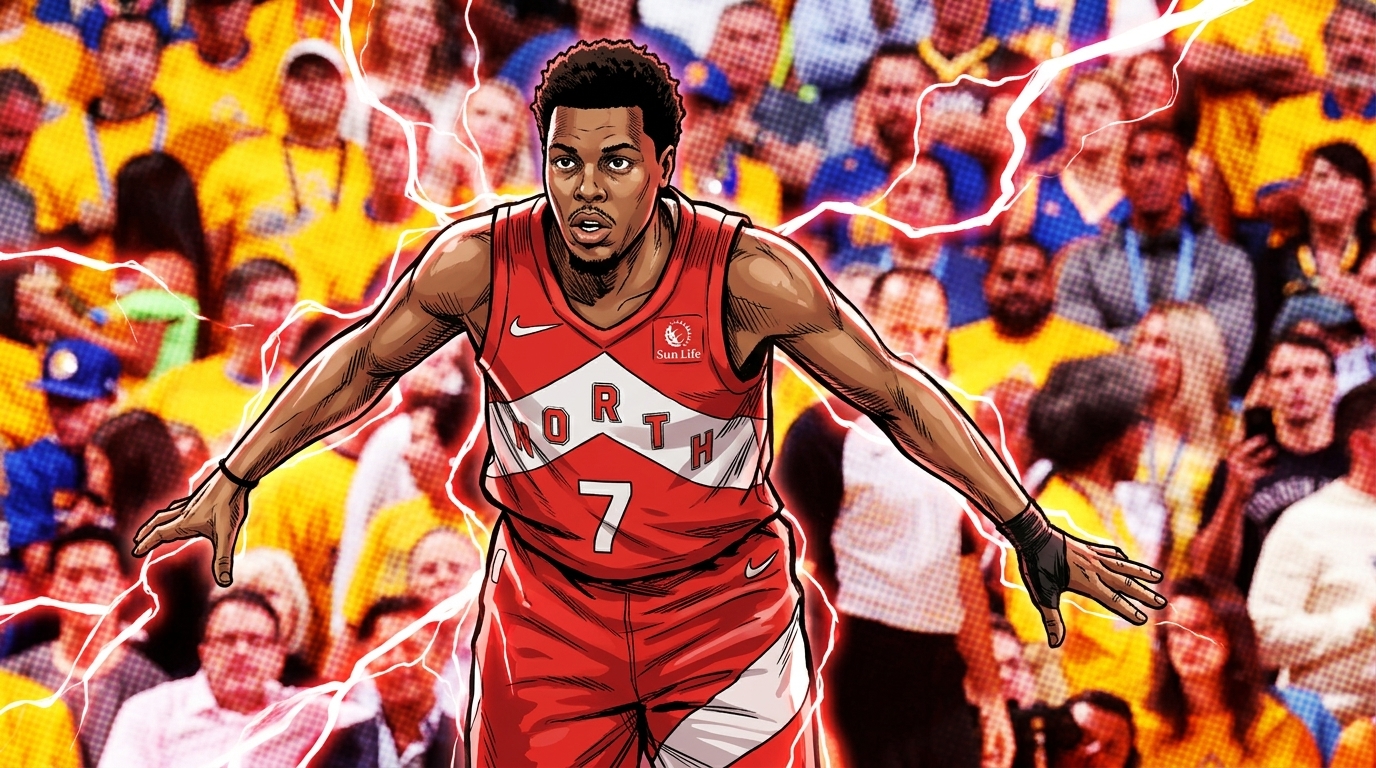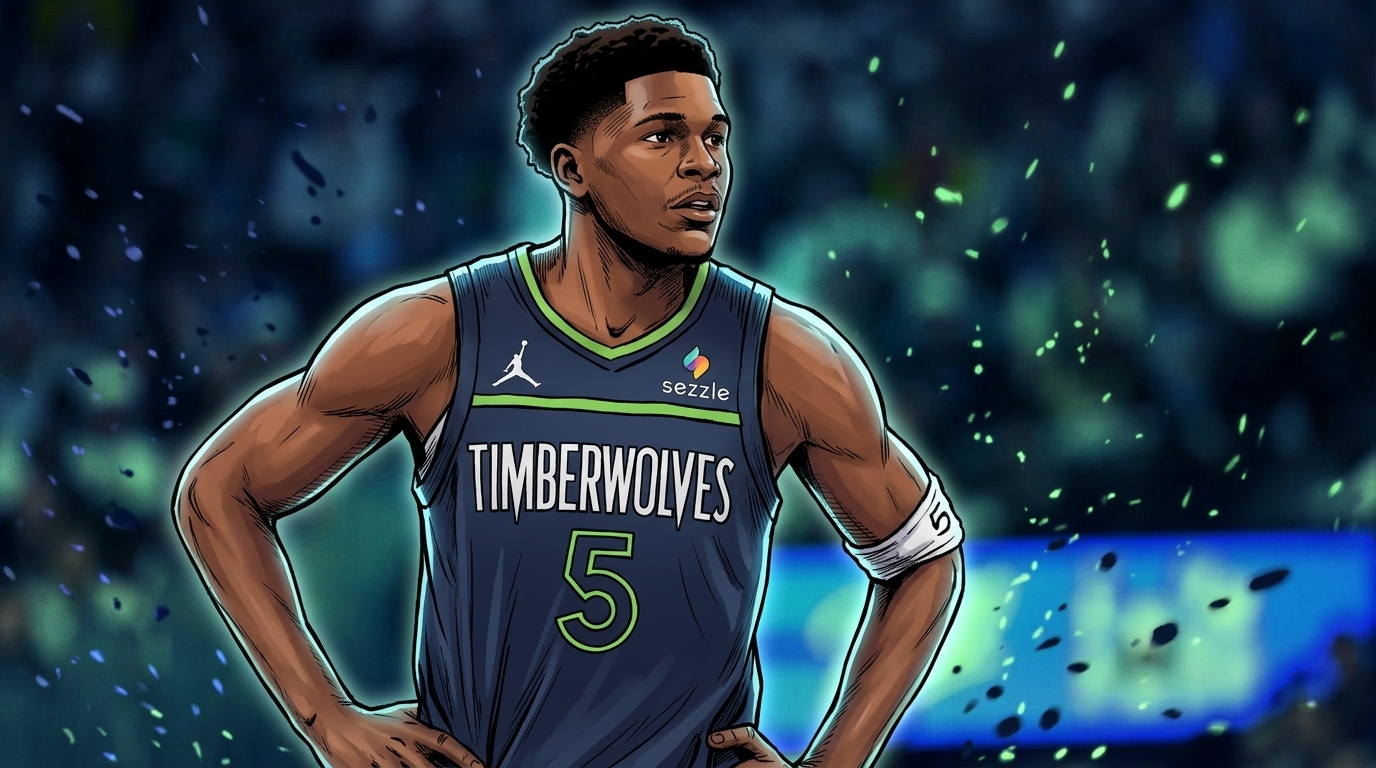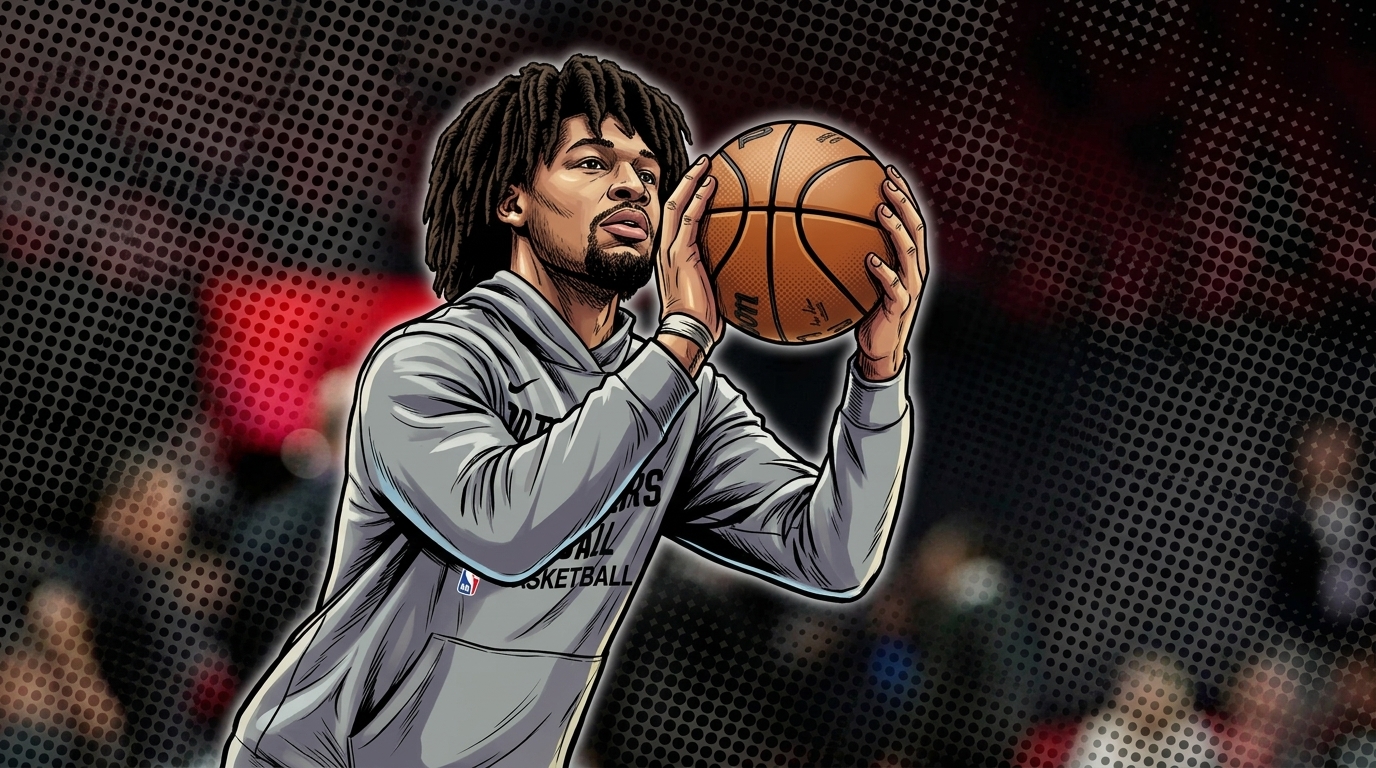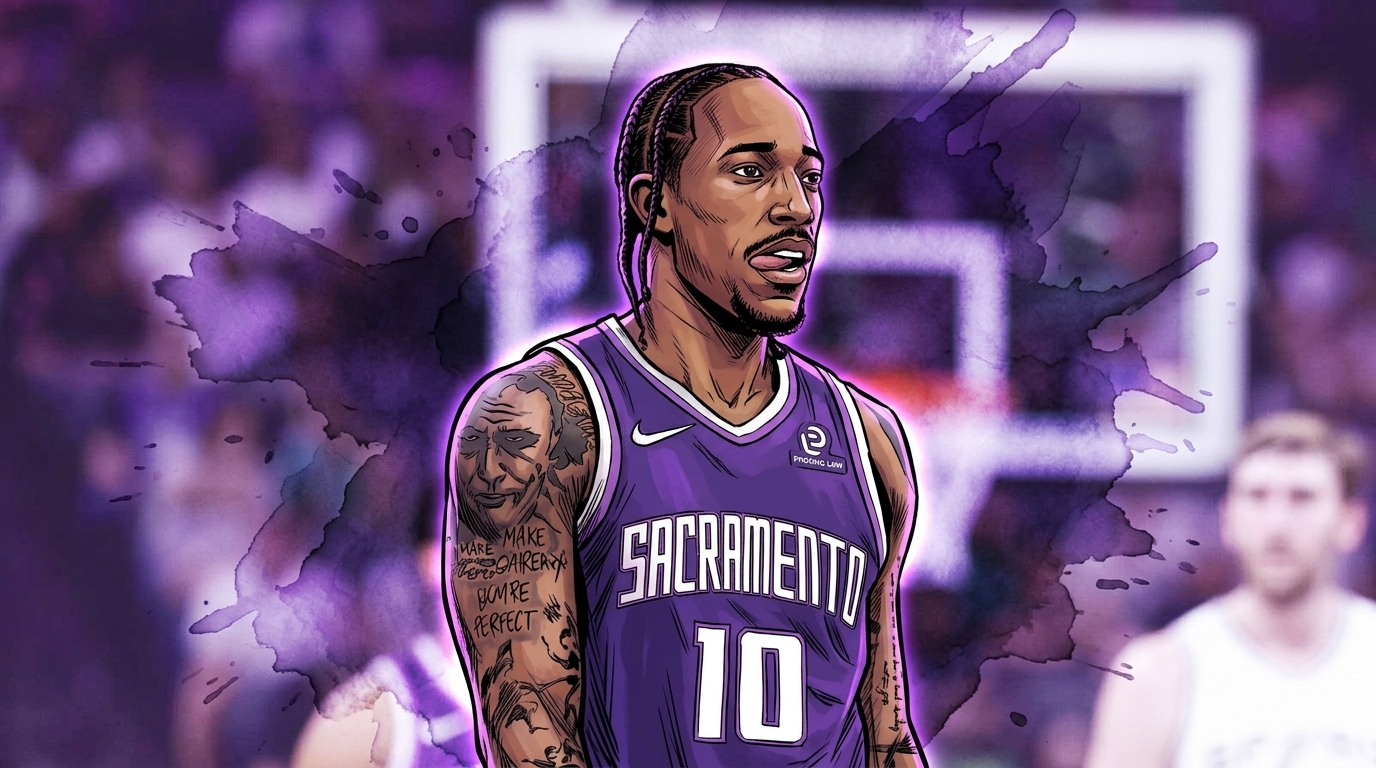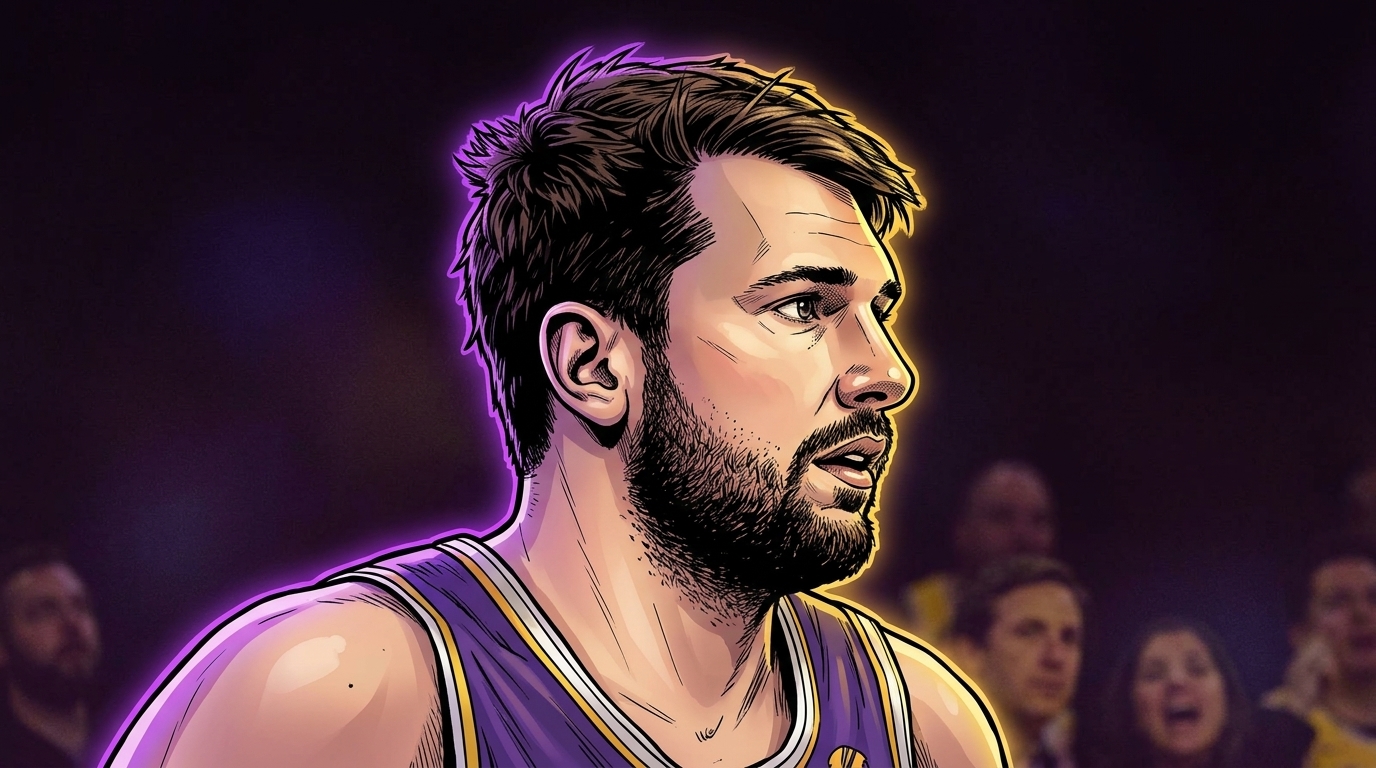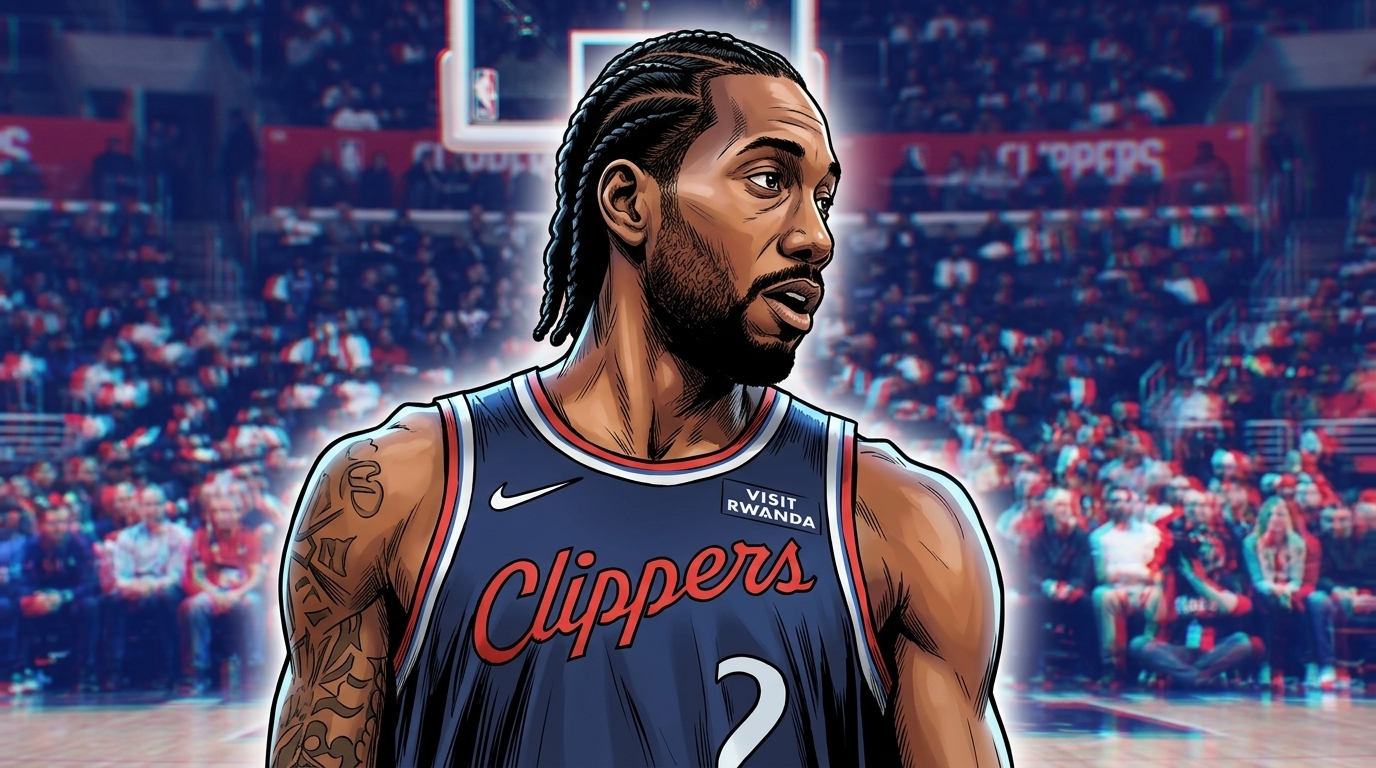

We’ve been watching this situation build for months — the Clippers frozen in place, Kawhi Leonard’s future unresolved, the league waiting on Los Angeles to either commit or move on. Now the waiting is over. Shams Charania at ESPN reported that the Clippers and Raptors are “seriously engaged” in trade discussions surrounding Leonard. That phrase matters. Shams doesn’t put “seriously engaged” on active talks involving a franchise player unless the conversations are real. This is the league’s most credentialed reporter attaching his name to something, which is a different category of information than the vague “teams have shown interest” hedges that float around every offseason.
https://twitter.com/SportsCenter/status/2071567818126954735
The situation is straightforward enough to summarize and complex enough to be genuinely interesting. Kawhi Leonard has one year left on his contract: $50.3 million for the 2026-27 season. His representatives have informed other teams that he would only sign an extension with the Raptors, or possibly San Antonio, if the Clippers are not going to keep him. The Clippers, for their part, apparently made no long-term commitment to Leonard this offseason despite having $38.8 million in cap space and a roster that without him is competing for the eighth seed at best. So here we are: a generational two-way player entering the final year of his deal, an organization that couldn’t bring itself to commit, and a league full of teams doing the math.
Why Are the Clippers Holding a Player Who Wants Out?
The Raptors’ reported package is not a lowball offer. Toronto is putting RJ Barrett, Jakob Poeltl, Ja’Kobe Walter, a 2027 first-round pick, a 2029 first-round pick, and a 2031 first-round pick swap on the table. That is a starter-caliber big, a young wing with upside, and three future firsts, for a player who wants out and whose leverage is limited by the fact that he won’t extend anywhere except Toronto or San Antonio. The Clippers could take this deal, rebuild around Barrett and three picks, and have a coherent path forward. Instead, they appear to be holding out for more.
The counterargument worth acknowledging: maybe they’re right to hold firm. They have time. Kawhi’s contract doesn’t expire until after next season, and a team with $38.8 million in cap space and a willing seller has negotiating leverage if they’re patient. Teams desperate to add a superstar before free agency closes will potentially outbid Toronto’s package.
I think that framing is too generous to an organization that has earned very little benefit of the doubt. The Clippers’ paralysis here isn’t sophisticated negotiating posture — it’s the same organizational dysfunction that produced the Paul George era without a championship, the Intuit Dome built for a team that never quite arrived, and an offseason where they couldn’t even tell their best player he had a future with them. There is a psychology to this. Steve Ballmer’s organization has spent a decade trying to assert itself as a legitimate franchise, buying the team for $2 billion and building an arena from scratch, and every consequential moment has ended with the Clippers getting outplayed. Trading Kawhi for anything less than a haul feels, to them, like losing again. So they stall.
What Does the Raptors Offer Actually Give Los Angeles?
Barrett at 26 is a different player than the one Toronto acquired. He’s a capable scorer and a genuine starter who addresses the Clippers’ need for a wing who can play without the ball. Poeltl gives them a center who has been one of the better pick-and-roll defenders in the league over the last two seasons. Three first-round picks in a conference that just watched Jalen Brunson’s Finals MVP performance remind everyone that the East is legitimately deep now. Those picks won’t be lottery selections, but they’re real assets.
The honest assessment: this package makes the Clippers a competent team rebuilding toward relevance, not a contender. If that’s the goal, and after everything that’s happened it should be, the Raptors’ offer is reasonable. The question is whether Ballmer and Lawrence Frank can accept a future that looks like “promising” instead of “inevitable.”
Where Does Masai Ujiri Fit Into This Three-Team Chess Match?
The Mavericks angle, with trade discussions built around Klay Thompson, P.J. Washington, and draft picks, adds a layer that’s almost novelistic in its construction. Masai Ujiri joined Dallas’s front office as president in May 2026. In 2018, Ujiri was the architect of the trade that brought Kawhi to Toronto from San Antonio, the deal that sent DeMar DeRozan and Jakob Poeltl (yes, the same Poeltl) to the Spurs and delivered a championship to Canada. The idea of Ujiri engineering a second Kawhi acquisition, this time in Dallas, is the kind of story the NBA occasionally produces when it’s feeling generous.
There’s a complication worth naming (because it always comes out later if you don’t): Leonard’s camp has indicated extension interest only in Toronto or San Antonio, not Dallas. So the Mavericks are bidding for a one-year rental on a 35-year-old with a history of load management and soft tissue injuries, hoping either to change his mind or to make the playoffs meaningful enough that he reconsiders. That’s a real gamble, even with Ujiri in the building.
The Raptors offer has a different emotional logic. Kawhi led Toronto to its only championship in 2019, then left for Los Angeles in free agency, one of the more abrupt departures in recent memory for a city that adored him. A return seven years later, at this stage of his career, would be genuinely strange and genuinely compelling. Toronto would be trading away Barrett and future picks for a window that probably lasts two or three years before Kawhi’s body makes the decisions for everyone. They’ve clearly decided that’s worth it.
The Verdict
Whoever moves first sets the market for Kawhi specifically, and for the entire offseason trade dynamics that follow. The Giannis trade to Miami already proved that superstar mobility this summer is real, not theoretical. If the Raptors close this deal, every team recalibrates what a package for a one-year star looks like. If Dallas gets him, Ujiri’s influence in that front office becomes the story of the next two years. If the Clippers hold and get nothing: no extension, no trade, Kawhi playing out his $50.3 million and walking in August. It confirms something about that organization that a lot of people already suspect.
I believe the Raptors close this — the emotional logic is coherent, the package is real, and Kawhi’s extension preference strips Dallas of any meaningful leverage. The Clippers will extract one more asset, maybe a pick swap improvement or an upgrade at the Walter spot, and then take the deal they’ve been avoiding all summer. Watch for the Mavericks to either accelerate with a sweeter offer in the next 72 hours or fade out of the conversation entirely. That’s the tell. Once Dallas goes quiet, Toronto gets its championship ghost back.