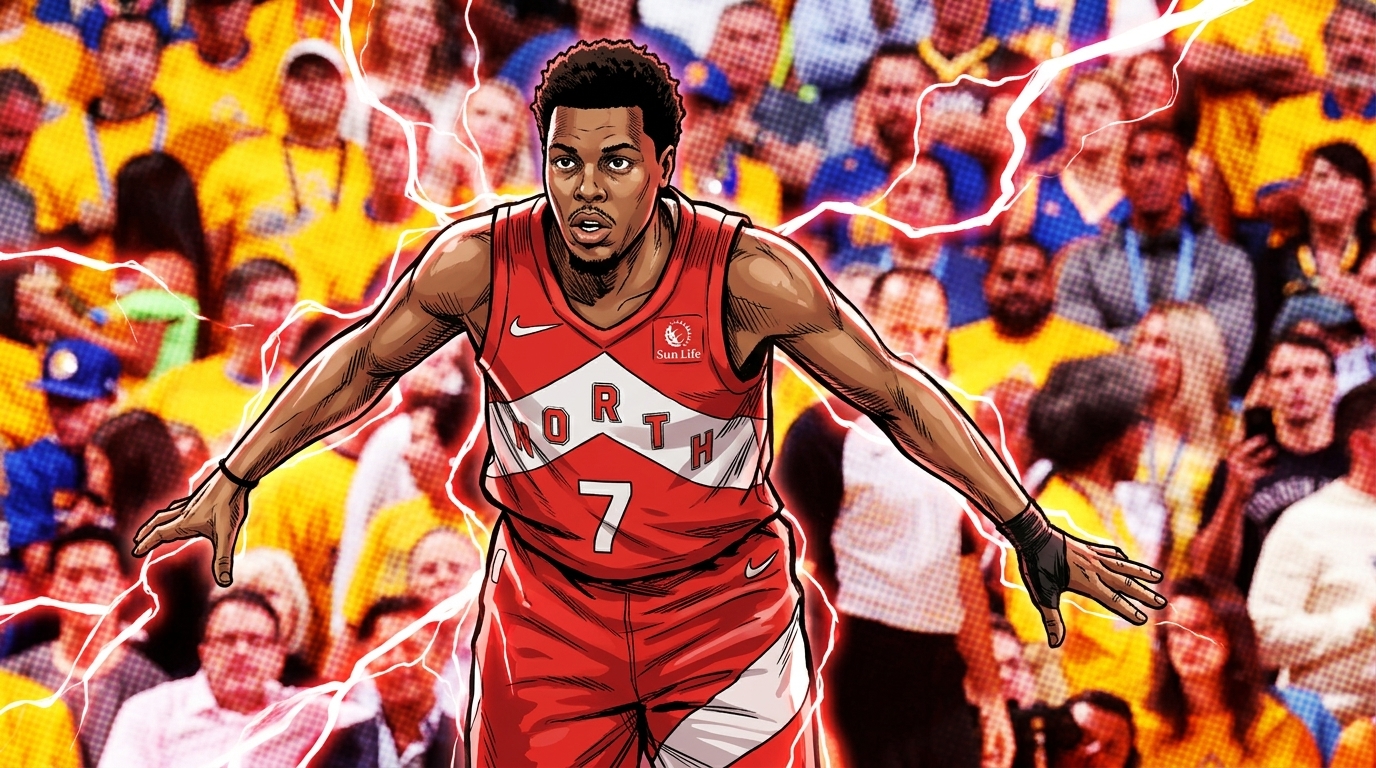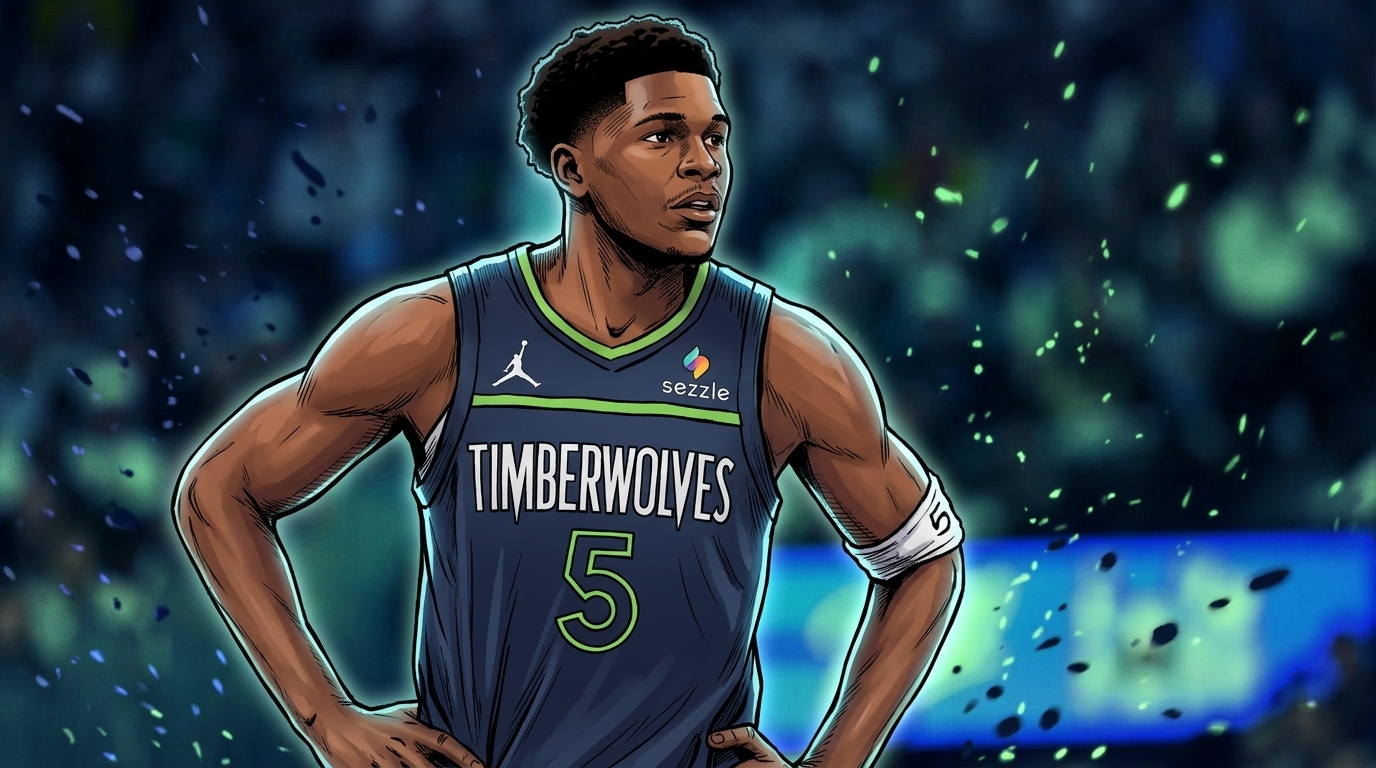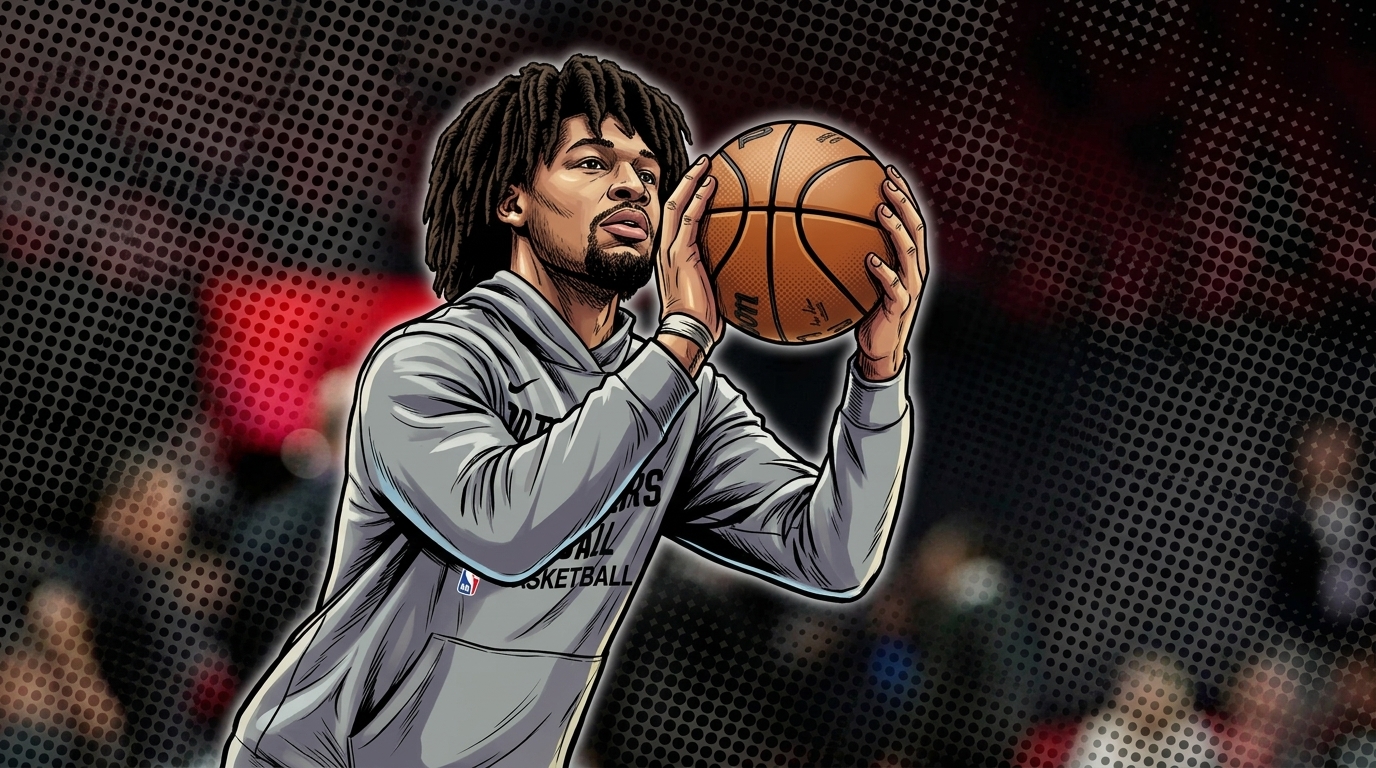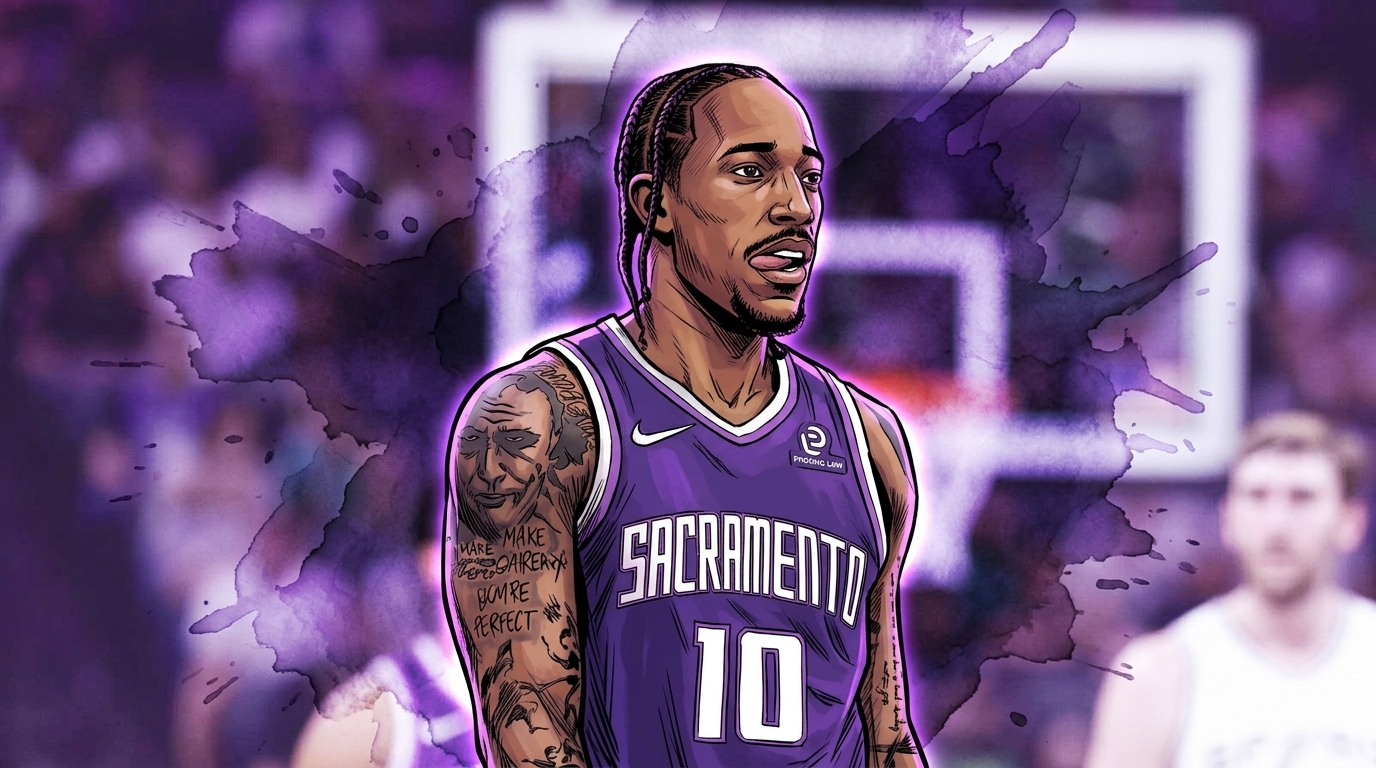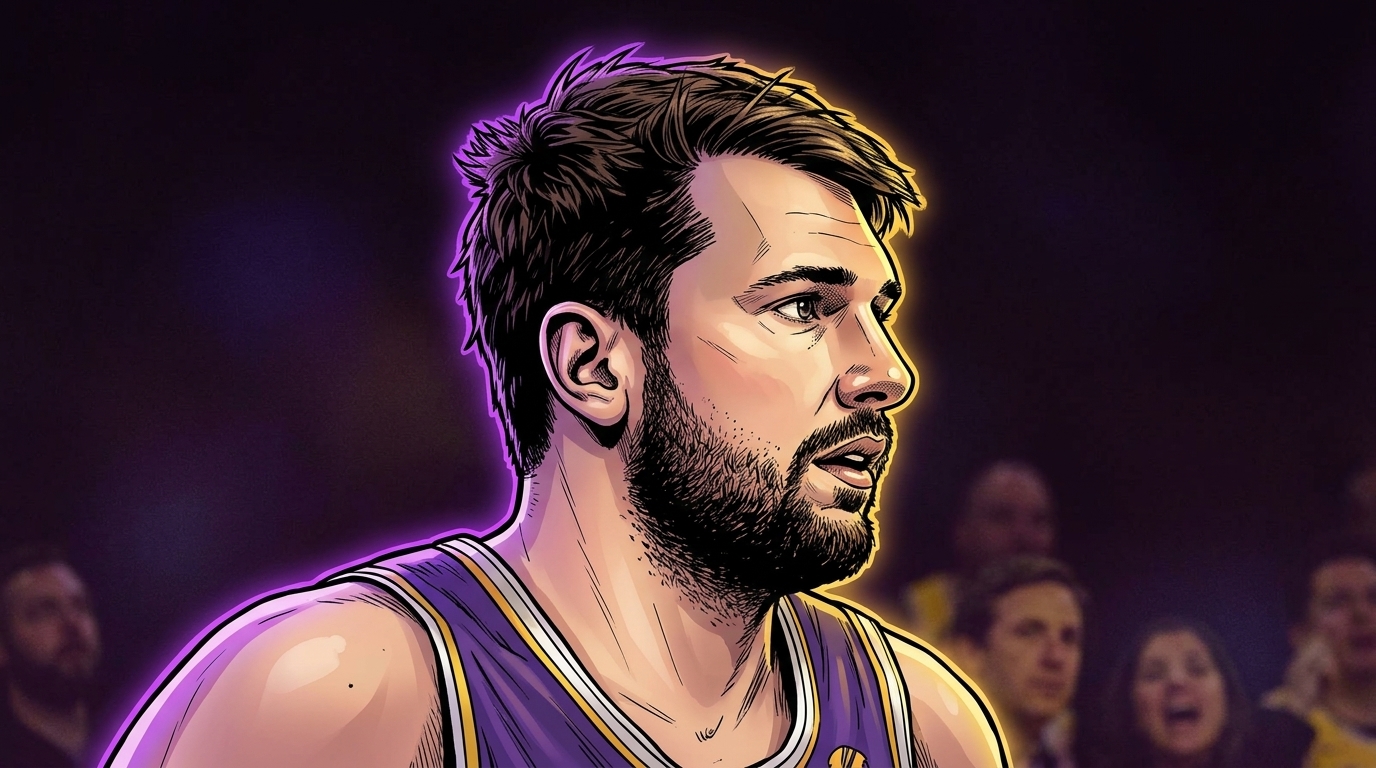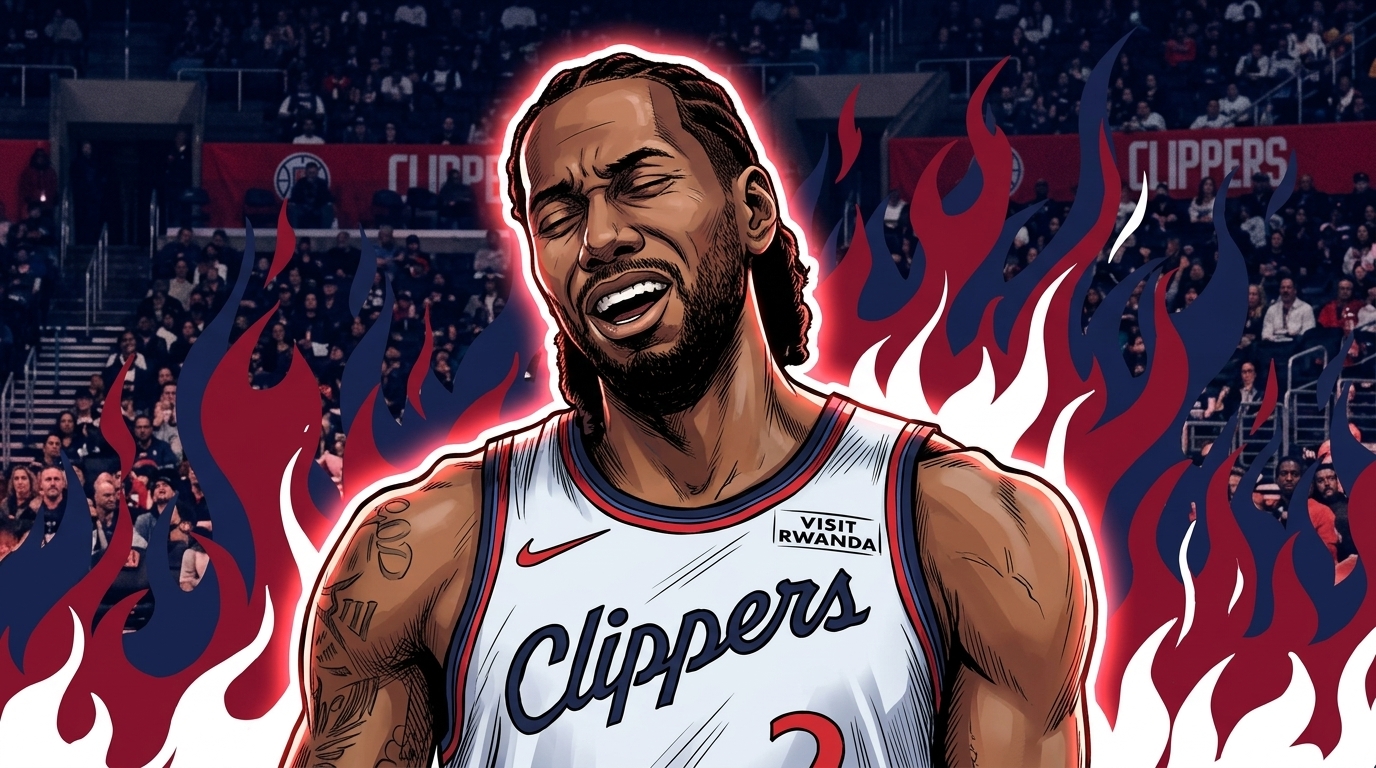

Kawhi Leonard is a Toronto Raptor again, and the city is celebrating something that deserves a harder look.
Shams Charania reported the deal June 30, ESPN confirmed it July 1: the Clippers sent Kawhi to the Raptors for Brandon Ingram, Gradey Dick, unprotected first-rounders in 2031 and 2033, a 2027 first-round swap, and a pair of second-rounders. Toronto paid real assets. They believe they know what they’re getting. That belief is the entire argument, and it’s where things get complicated.
https://x.com/ShamsCharania/status/2072042756562731501
Since Kawhi’s championship run with Toronto ended in 2019, he has appeared in roughly 189 of a possible 492 regular-season games. That’s a 38 percent availability rate over five-plus seasons. The ACL tear wiped out 2021-22 entirely. A torn meniscus ended his 2023-24 playoff run in Game 1. Load management filled the gaps between. These aren’t bad-luck injuries stacking up on a healthy player — they’re a pattern across different teams, different training staffs, different circumstances.
My brother texted me the Shams notification at 11 PM and followed it with three prayer-hands emojis. I stared at that for a moment. That’s the honest read: hope dressed up as a plan.
Here’s what makes Toronto’s calculation defensible. Kawhi’s 2025-26 season was genuinely different — 65 games, 27.9 points per game, his best availability year since the championship. He’s 35, yes, but the body of evidence from last season at least introduces doubt. And the Eastern Conference falling apart matters. With Boston breaking up Jaylen Brown for Paul George and LeBron’s future still unresolved, there is genuine space in the East for a Kawhi-led Toronto team to do real damage. Scottie Barnes and Kawhi are two elite two-way wings who can guard anyone on the floor. That’s not nothing.
It’s also not enough on its own to bet the next two drafts on.
The Raptors are cashing every emotional chip in the same week — Kyle Lowry signing a one-day contract to retire in Toronto July 7, the franchise’s greatest player returning four days earlier. It’s a masterclass in narrative management. What it isn’t is a durability plan. The organization is betting that the 2025-26 season was a correction, not an outlier.
When the trade was first reported, the initial reaction was euphoria. Understandably. Kawhi at his best is a top-five player and a genuine defensive anchor, the kind who makes everyone around him better without needing the ball in his hands every possession. Barnes thrives alongside exactly that type of wing. Drake’s “So is it KawhiYZ SZN again?” was posted within the hour, which tells you everything about the city’s emotional temperature.
But the franchise gave up Ingram’s youth and upside, Gradey Dick’s development arc, and two unprotected firsts — the exact picks that matter when things go sideways. If Kawhi plays 50 games next season, this trade looks catastrophic in retrospect. If he plays 70, Toronto is a legitimate contender.
That’s a wide range to bet an organization on.
Toronto isn’t wrong to want Kawhi Leonard. They’re wrong to confuse wanting him with having a plan for keeping him healthy. One season doesn’t erase five years of evidence.
Hope is a fine thing to run on. It’s a terrible thing to build around.