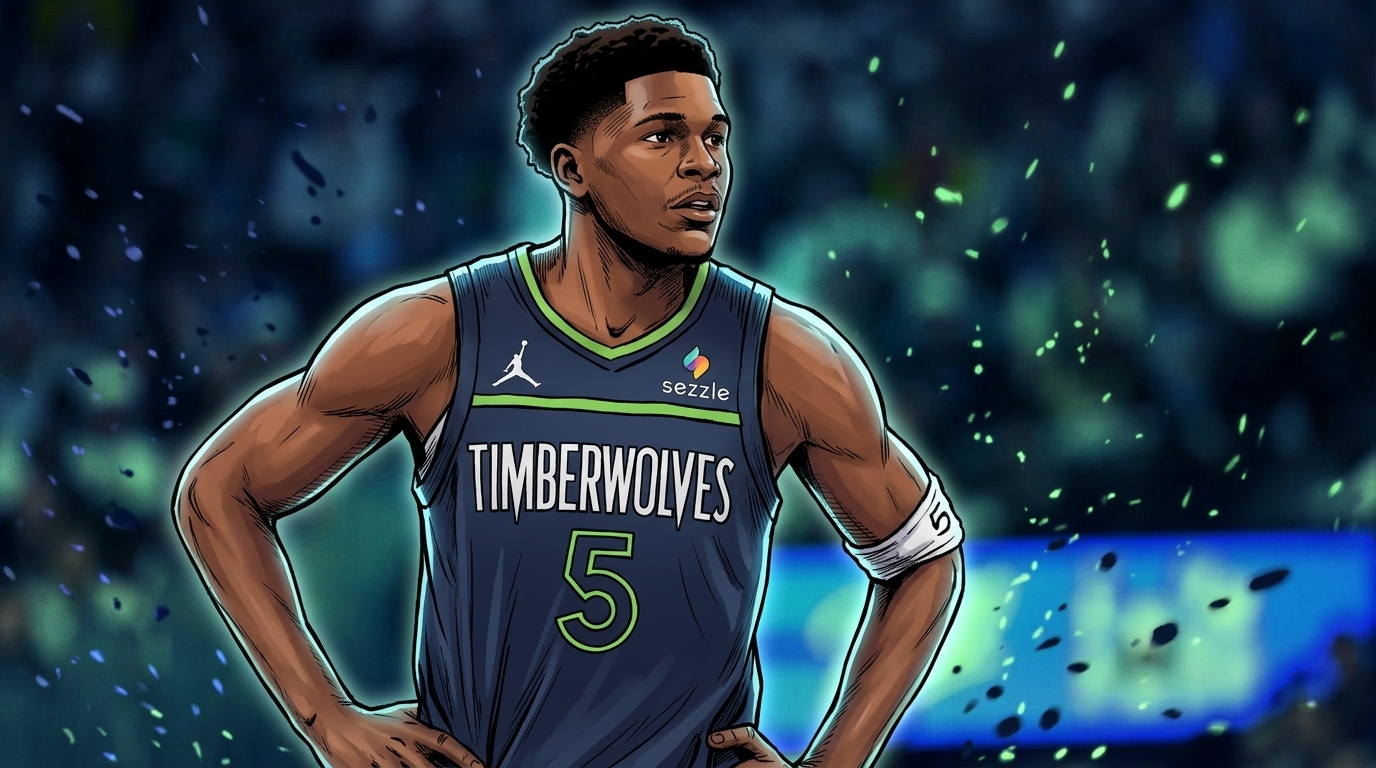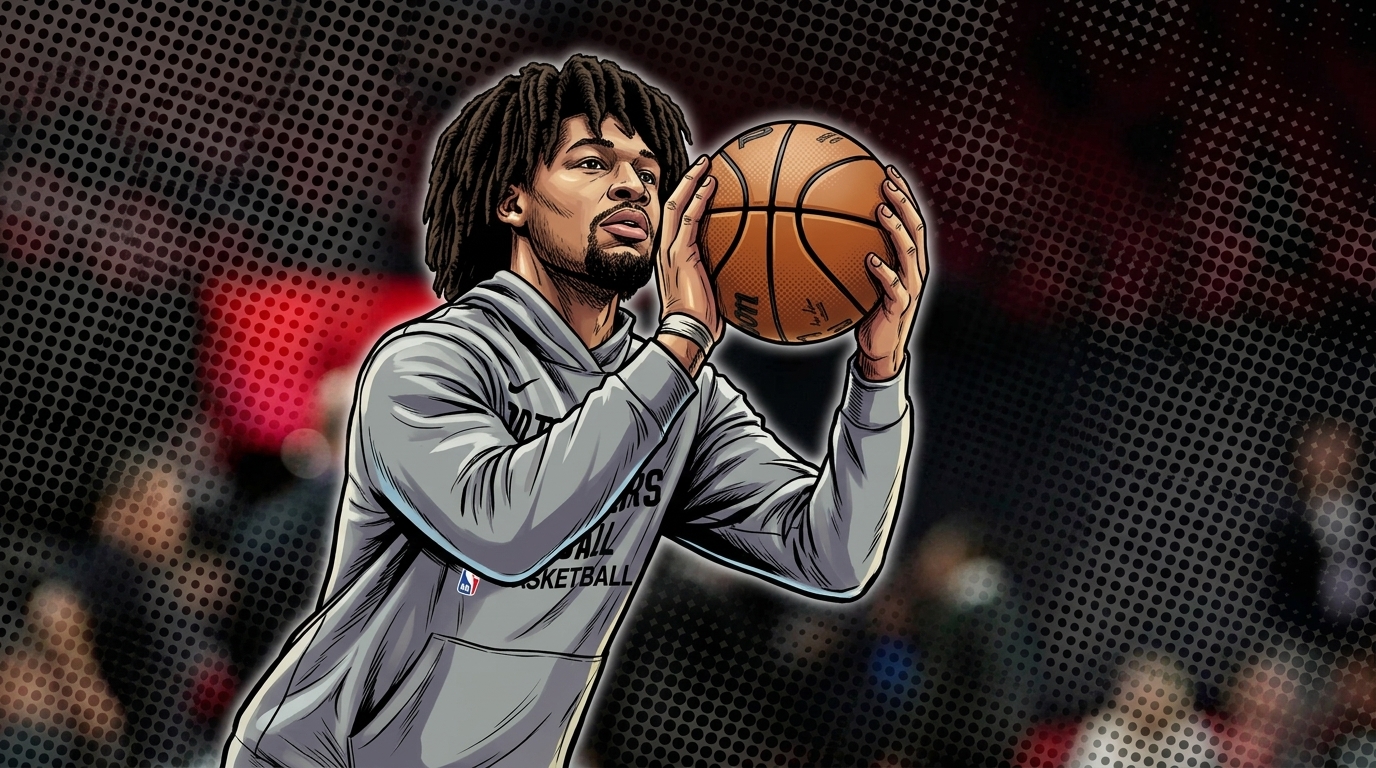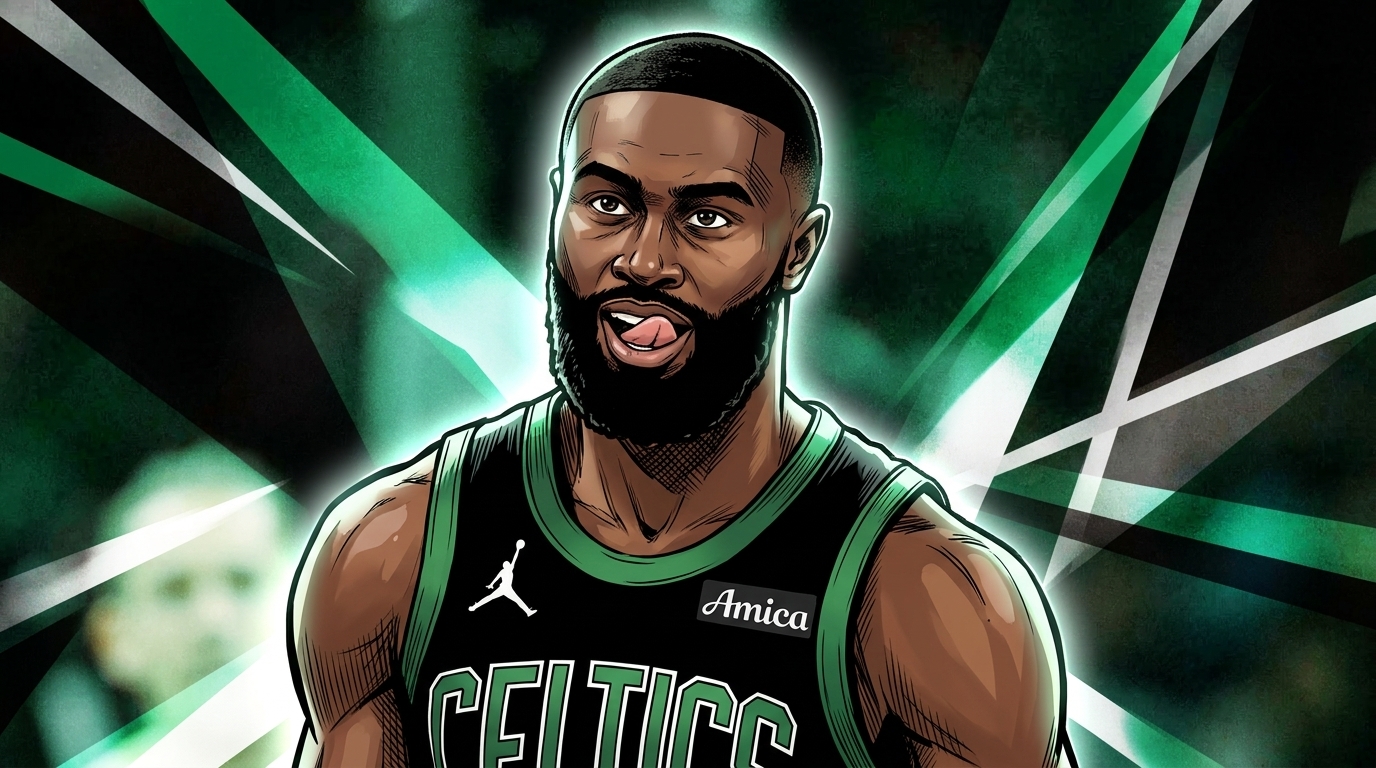

Philadelphia just got the best player from the team that won the championship, paid nothing close to fair market value for him, and now gets to watch Boston fans spend the next decade explaining why the picks make it work.
The Jaylen Brown trade is a heist. A clean one.
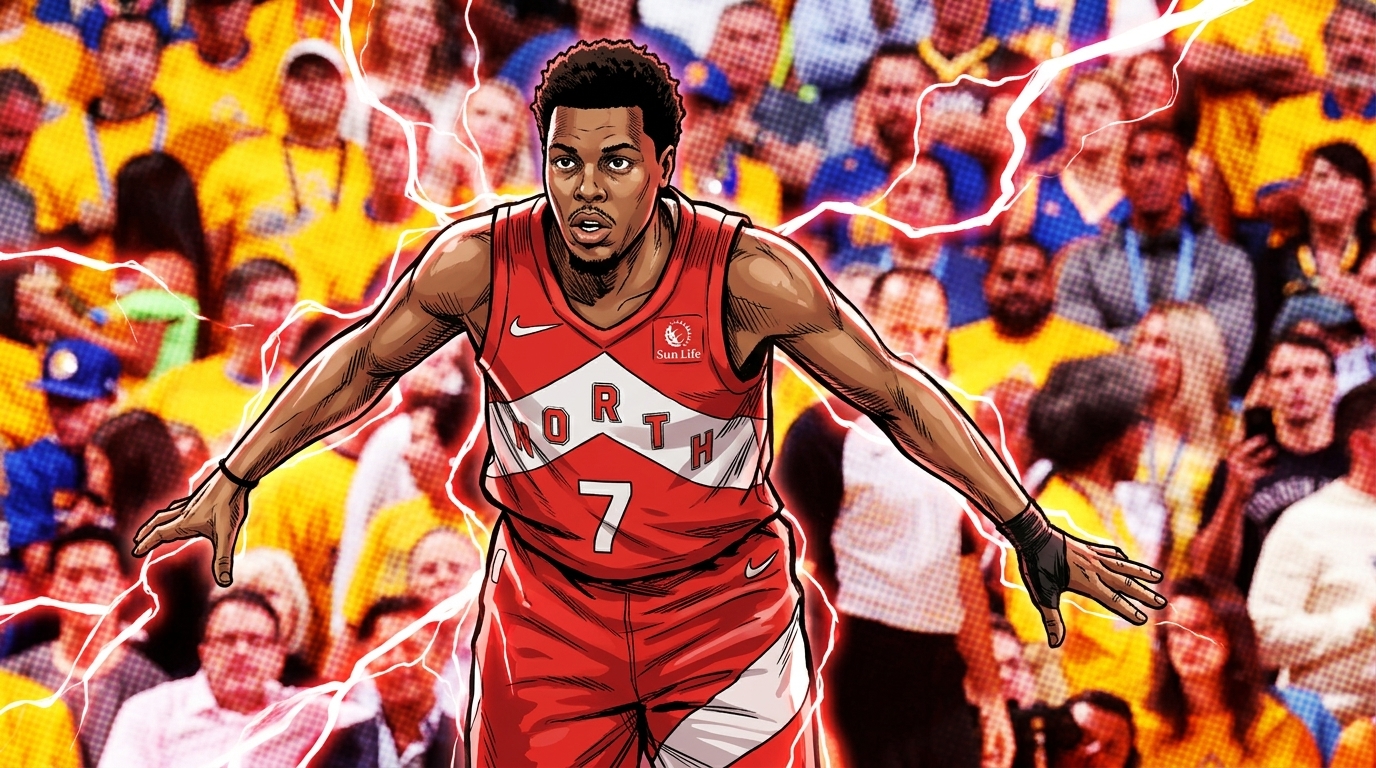
Brown is 29 years old, a five-time All-Star who averaged 28.7 points, 6.9 rebounds, and 5.1 assists last season — the fourth-leading scorer in the NBA. He was the 2026 Finals MVP. He defended Luka Dončić out of his mind and willed a team to a title. He is now a Philadelphia 76er, teaming with Tyrese Maxey and Joel Embiid in what is, on paper, the most expensive and potentially most terrifying Big Three this league has seen in years. Maxey had thoughts immediately.
https://twitter.com/TyreseMaxey/status/2072455538638520513
That energy is correct. Brown, Maxey, and Embiid (with VJ Edgecombe lurking as the top-five pick wild card) is a genuine championship threat. Philly has the Finals MVP, a budding star at point guard, and a seven-footer who, when healthy, is still one of the three best centers on the planet. This is not a rebuild. This is a declaration.
What did Boston get? Paul George. Thirty-six years old. Seventeen points a game last season, which is fine until you remember he missed 25 games after being suspended for violating the NBA’s anti-drug policy in January. Two years left on his deal at roughly $110 million. He waived his $3.9 million trade bonus to help the Celtics’ cap situation, which is the most Paul George thing that has ever happened — being slightly helpful in the context of being massively unhelpful. The media response was what you’d expect. The Globe called it “40 cents on the dollar.” An anonymous GM called it highway robbery. The Ringer ran “What the Hell Is This Jaylen Brown Trade?” as an actual headline.
Here is the context that makes all of this worse for Boston: Brad Stevens didn’t even want Brown. He tried to trade Brown to Milwaukee for Giannis Antetokounmpo. The Bucks said no, and Giannis ended up in Miami, so Boston pivoted to Paul George. The 76ers weren’t the fallback destination. They were the fallback. The Celtics were trying to use their Finals MVP as a chip in a bigger deal, got rejected, and then traded him anyway for a lesser return.
Now, there is a real argument that the picks matter. A 2028 first with swap rights and an unprotected 2031 first are genuine assets — the Celtics aren’t stupid, and two top-ten caliber picks could reshape a roster in ways that are hard to see right now. George isn’t a dead roster slot either; in a reduced role on a good team, there’s a version of this where he’s useful for a year. The trade grades that are even mildly positive for Boston all lean on this argument — they’re betting that the Celtics know something about George’s health that the public doesn’t, or that the picks land at the right time.
That’s a lot of hoping. Philly has a Finals MVP on a supermax contract who watched his old teammates get eliminated by his new teammates in the playoffs. He didn’t need to be recruited. This is personal now.
Check the NBA coverage for where Philly goes from here. What I know right now is that Boston settled, and Philadelphia did not.