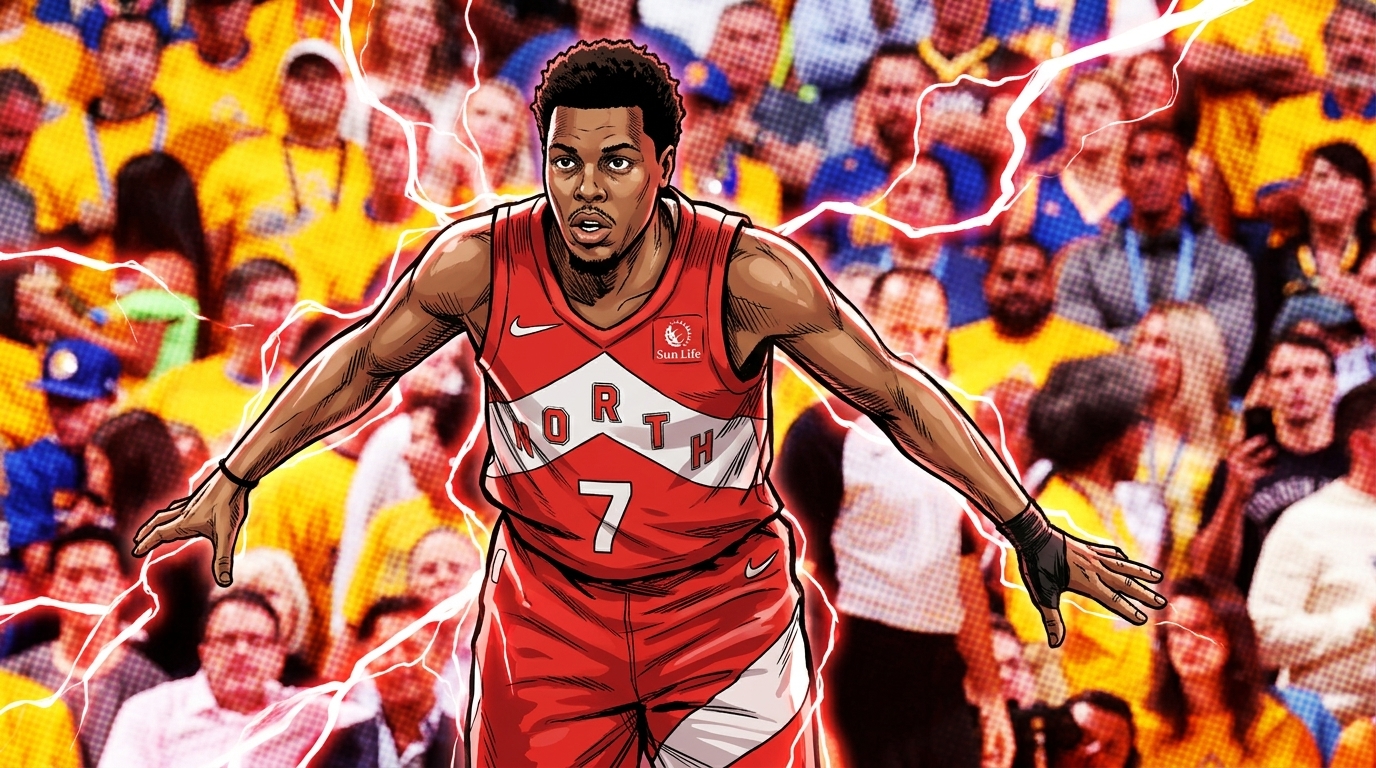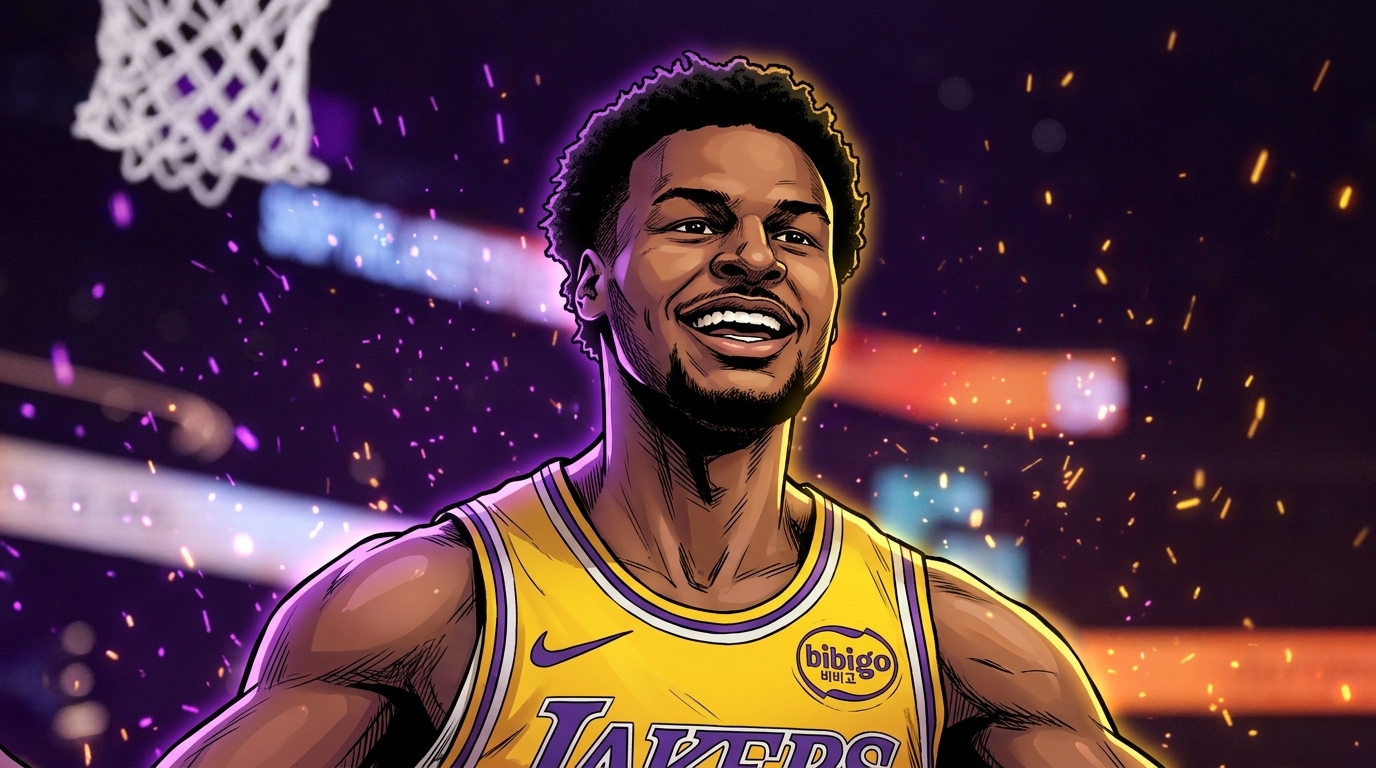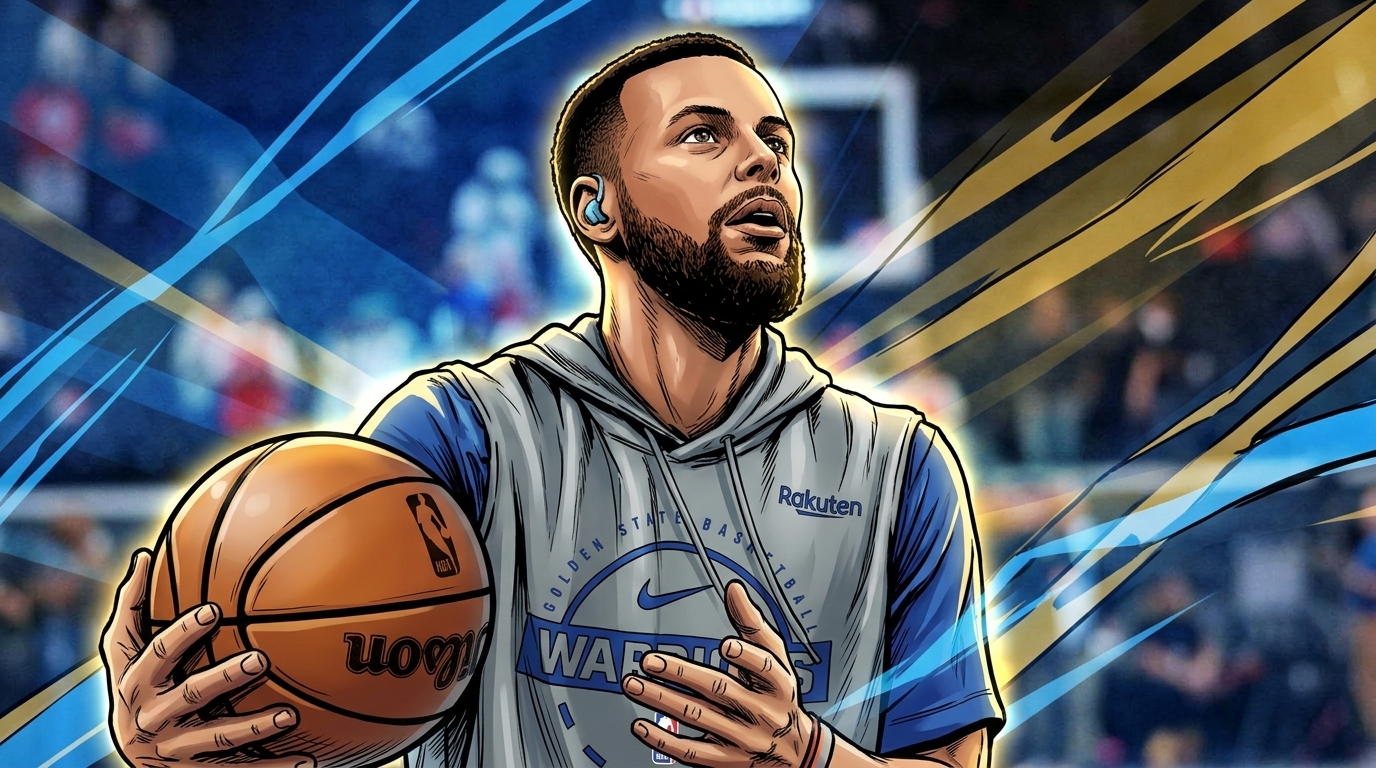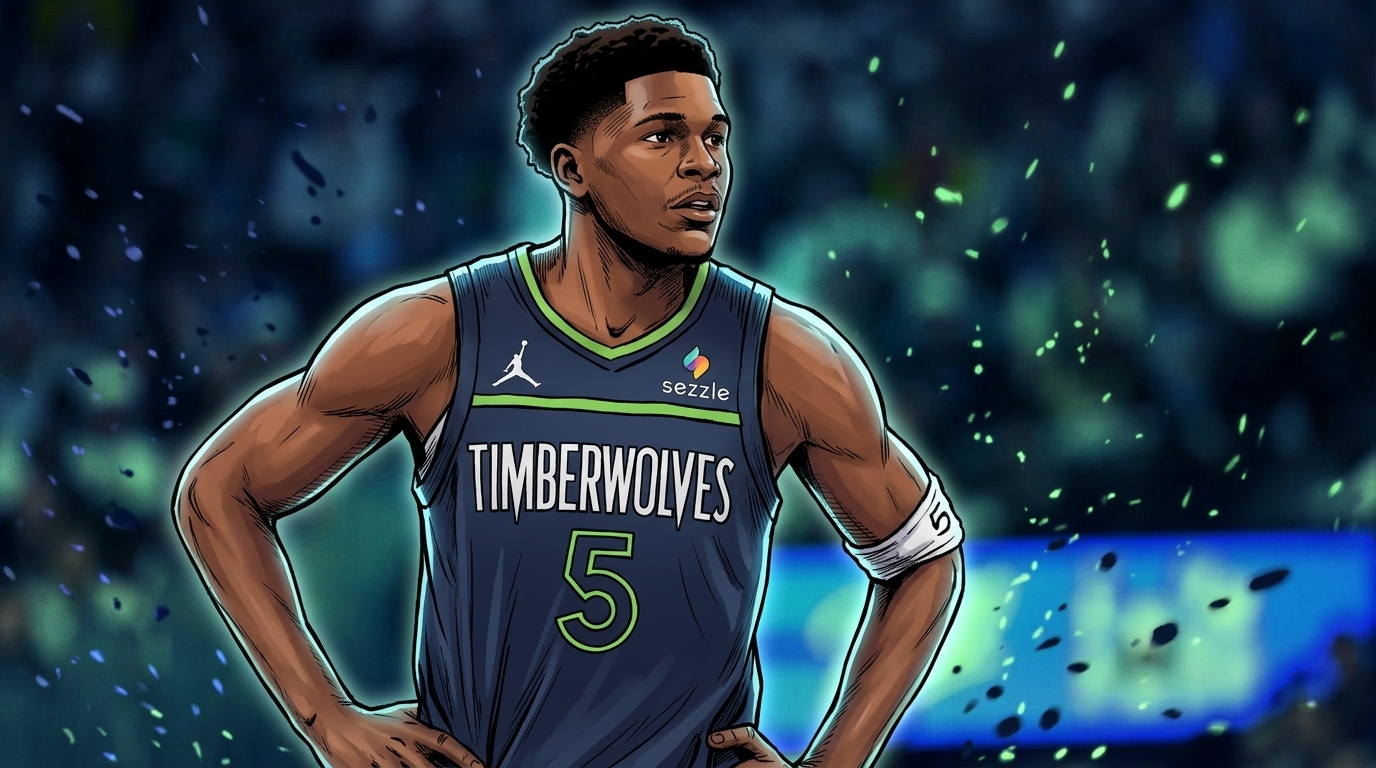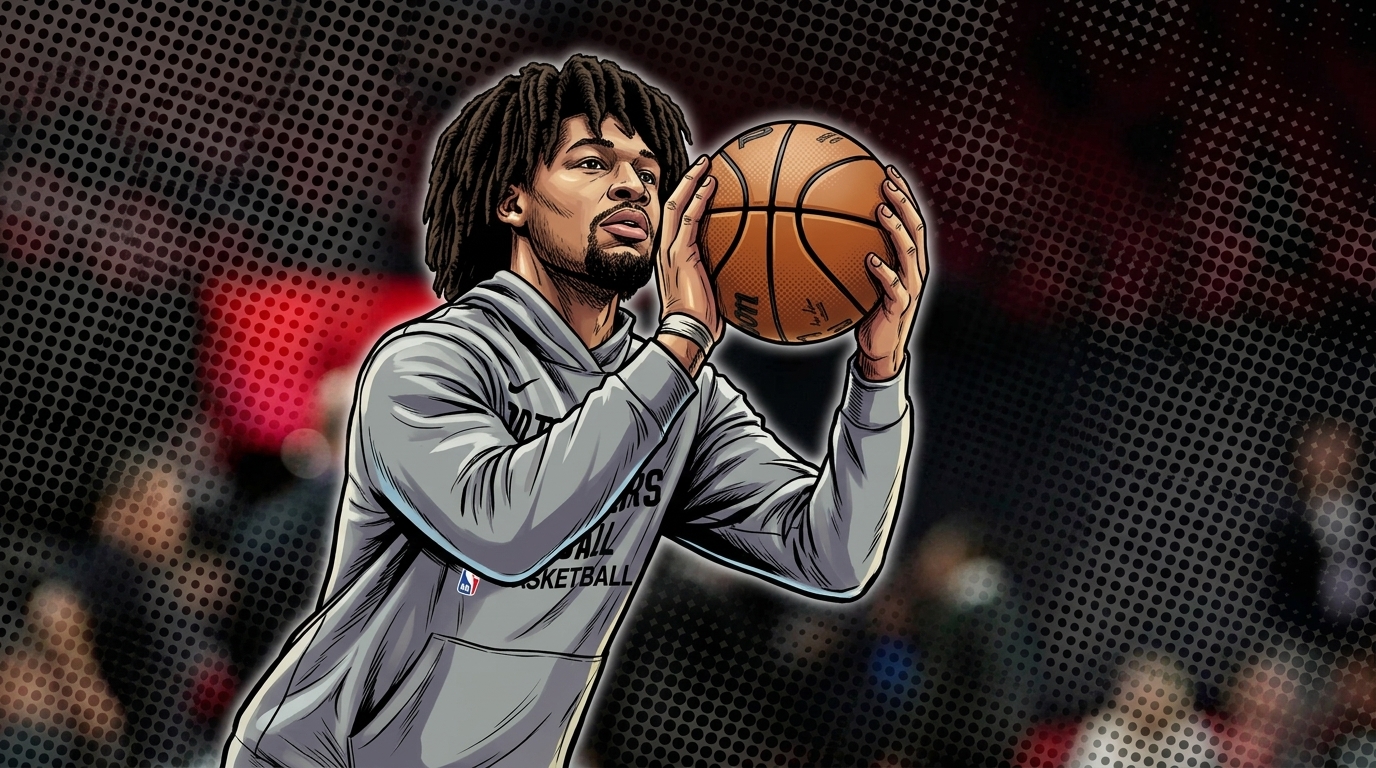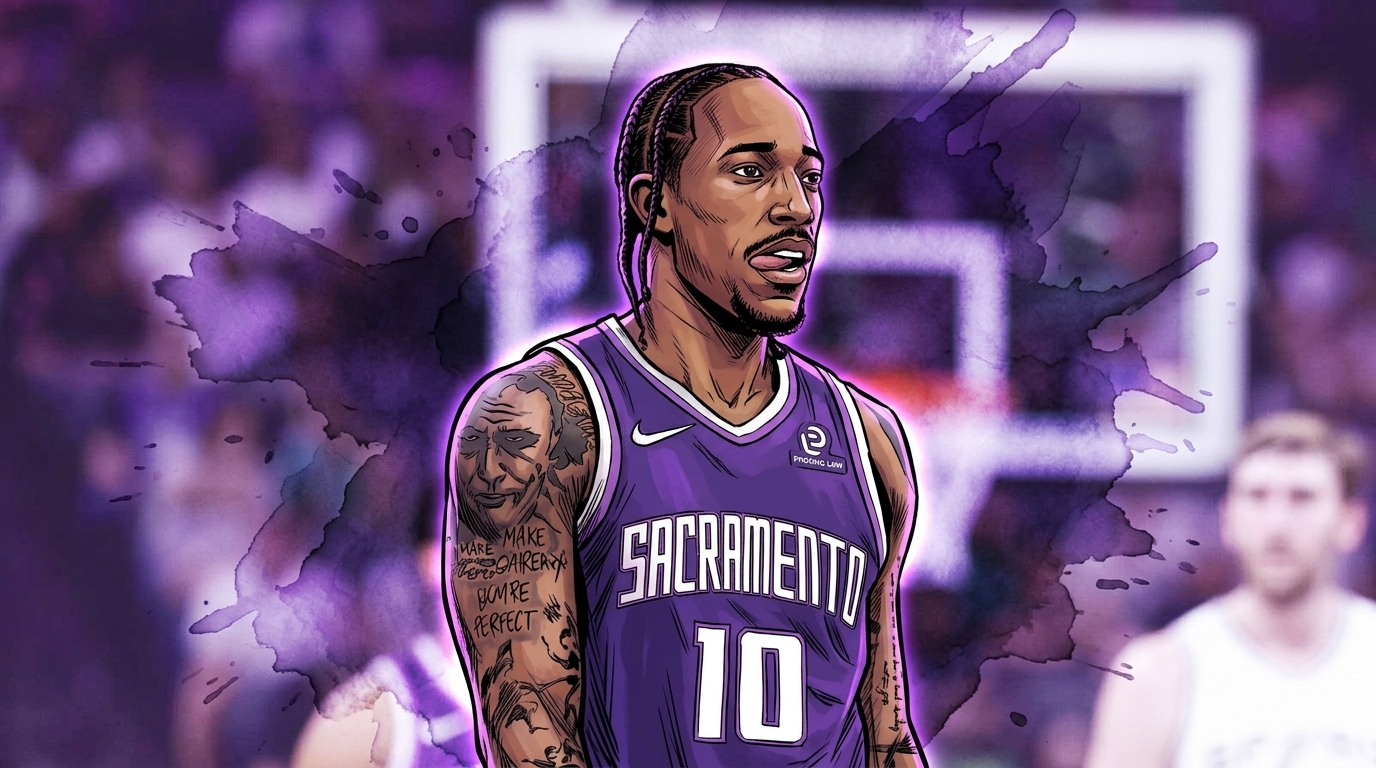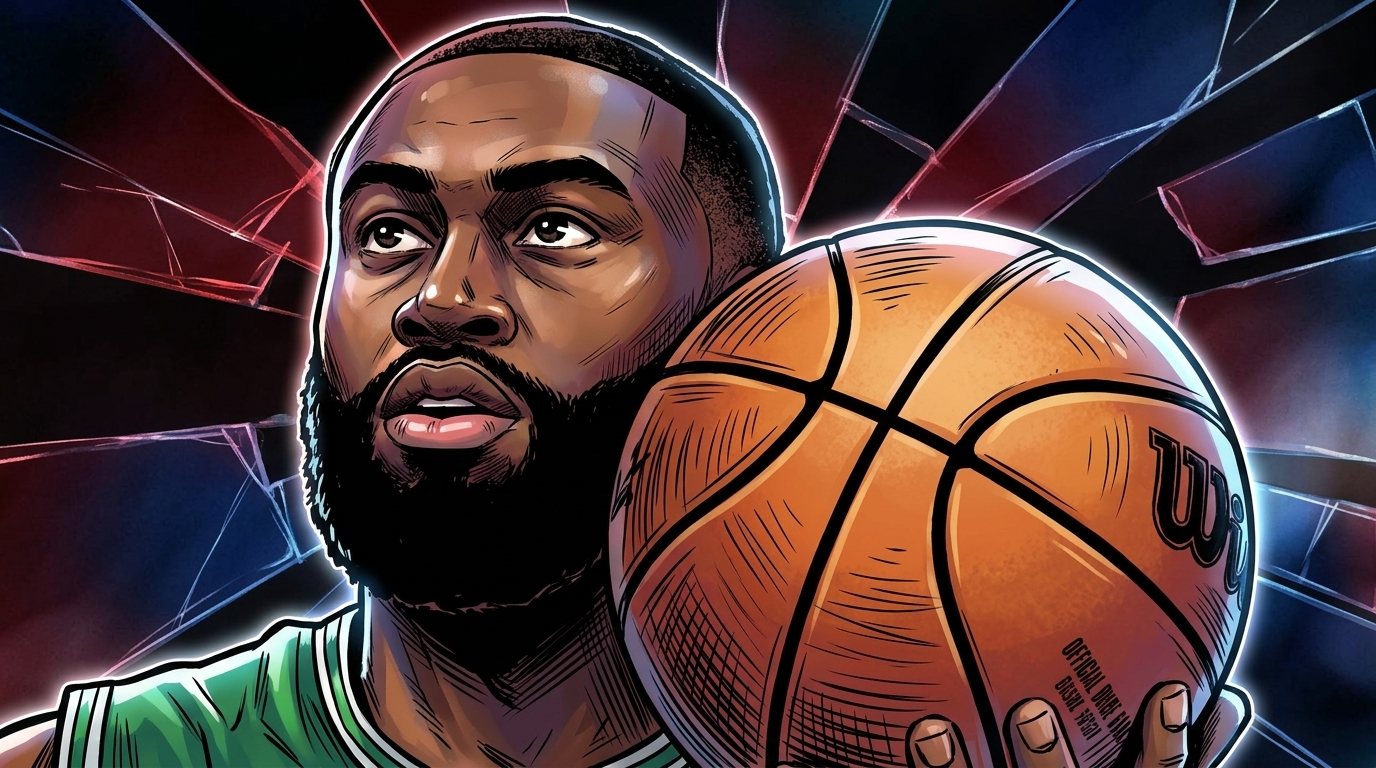

Here is a question worth sitting with before the 2026-27 season tips off: when was the last time you watched Paul George and thought, that player is worth Jaylen Brown?
The Celtics apparently did. On July 1, first reported by Shams, Boston agreed to send Jaylen Brown to the 76ers in exchange for George, a 2028 first-round pick, a 2031 unprotected first, and two second-rounders. The trade cleared the NBA’s free-agency moratorium on July 6. ESPN gave it a D+ for Boston and an A- for Philadelphia. Those grades are not wrong.
The narrative surrounding this deal has been predictable: Philadelphia adds a genuine star, Boston gets back a veteran wing with championship pedigree and a draft haul. What the numbers say is less comfortable for Celtics fans.
What Does the Data Actually Say About Brown vs. George?
Brown is better than George on every advanced metric that matters — and has been for three consecutive seasons. The gap is not marginal. Brown posted a BPM of +3.6 last season, meaning his presence added roughly 3.6 points per 100 possessions beyond a league-average player. George’s PER of 16.7 sat around the average for an NBA starter — far below what a player earning close to $55 million annually is expected to contribute. These are not interchangeable players.
Let’s translate this more plainly. BPM — Box Plus/Minus — measures a player’s total contribution relative to a replacement-level player. A +3.6 is a genuine All-NBA caliber number. George’s PER of 16.7 sits below the threshold most analysts use to define a starter deserving a max contract. Win Shares, which estimates how many team wins a player is responsible for, put George at 2.5 last season. Brown’s VORP — Value Over Replacement Player — was 3.3, meaning he was worth roughly 3.3 additional wins above a minimum-salary replacement over a full season.
The efficiency split is starker at the rim. Brown attacked the basket 6.9 times per 100 possessions and converted them at 69.1 percent. George attempted less than half as many rim attacks at 2.9 per 100 possessions, converting at 55.9 percent. This matters because rim conversion is one of the clearest measures of whether a wing can still generate real offense — not just catch-and-shoot threes from a well-designed Tyrese Maxey drive. Brown can still manufacture for himself. George, increasingly, cannot.
Brown is 29. He made All-NBA Second Team this past season. He averaged 28.7 points, 6.9 rebounds, and 5.1 assists in 71 games — a legitimate No. 1 option who carried Boston through stretches when their offense stalled. His 57.3 True Shooting percentage (a single number that captures efficiency across all shot types, adjusted for three-pointers and free throws) is elite for a player with his volume.
George is 36. He played 37 games.
Why Did Boston Do This?
Boston’s calculation appears to rest on two bets: that the draft capital becomes genuinely valuable if the 76ers’ Embiid era collapses, and that George — healthy — is good enough to be a No. 2 option on a contender. Neither bet is obviously wrong. Both require things going right that are outside Boston’s control.
The Celtics were bounced by Philadelphia in the first round of the 2026 playoffs. They then watched Giannis Antetokounmpo choose Miami over Boston. The organization is rebuilding its core around Jayson Tatum while buying time and optionality. Two first-round picks — one convertible swap in 2028, one unprotected in 2031 — do provide real future flexibility.
And George in his last fully healthy season (2023-24 with the Clippers) averaged 22.6 points on 47.1 percent from the field and 41.3 percent from three. That player is a legitimate co-star. The problem is the gap between that player and what showed up in only 37 games this past season, with a 25-game suspension and a knee issue eating into availability. George owes Boston $54.1 million in 2026-27 and holds a player option worth $56.6 million for 2027-28. He has every financial incentive to take that option. Boston is paying near-max money for a 36-year-old who has not been healthy for two years.
My sister — who is objectively better at sports arguments than I am, a fact I have stopped contesting — made a simple point when this trade broke: “You can’t win a championship with a player who doesn’t play.” She wasn’t wrong about George. She also wasn’t wrong about what comes next.
Does It Matter If Embiid Can’t Stay Healthy?
Yes. Joel Embiid’s availability is the central variable that determines whether Philadelphia actually cashed in this trade. If Embiid plays 65-plus games, Brown alongside Maxey and a healthy center is a genuine Finals-caliber trio. If Embiid plays 38 games again, Brown is the most expensive No. 1.5 option in the Eastern Conference.
Embiid played 38 games last season — limited first by his knee, then by emergency surgery for appendicitis in April. He was extraordinary when available: he carried Philadelphia back from a 3-1 series deficit against Boston in the first round, then Philadelphia got swept by the Knicks in the second round without him at full capacity. His offseason status heading into 2026-27 is described as a “clean bill of health” by the 76ers’ front office.
That framing deserves scrutiny. Embiid’s injury history is not a string of bad luck — it has become a chronic availability question that the league has been asking for four years. The appendectomy is arguably the one injury in his recent history that carries no lingering concern; appendix surgeries do not recur. The knee is different.
None of this invalidates what Philadelphia did. The strongest counterargument for Boston is precisely the Embiid uncertainty — the picks have real value if the 76ers miss the window, and George as a playoff-caliber tertiary option might be enough for a Tatum-led team to compete. Those are reasonable points. But reasonable points do not change the underlying exchange: the Celtics traded their second-best player to a division rival, received a 36-year-old who played fewer than half his games last season, and are now banking on George’s body cooperating while Tatum tries to carry a lighter roster.
Philadelphia sent out a player whose best basketball is arguably ahead of him in exchange for a wing whose best basketball is two seasons behind him.
https://twitter.com/FCHWPO/status/2072752952574431499
Brown’s statement landed the day after the trade cleared. Whatever his feelings about leaving Boston, the basketball logic of landing in Philadelphia — if Embiid is healthy — is hard to dispute. Maxey is a top-five scorer. Embiid, when available, is still the most dominant center in the game. Brown fills the exact role the 76ers have needed for three years: a self-creating wing who can defend, rebound, and score 28 a night without needing the ball to run through him.
The data is clear about who improved their basketball team. The open question is whether the basketball team that improved is healthy enough to prove it. But that uncertainty belongs to Philadelphia — not to the trade itself.
Boston knows what it gave up. The numbers know what it gave up. The only remaining question is whether the picks they received are worth watching instead of Jaylen Brown.
Based on three seasons of evidence: they are not.