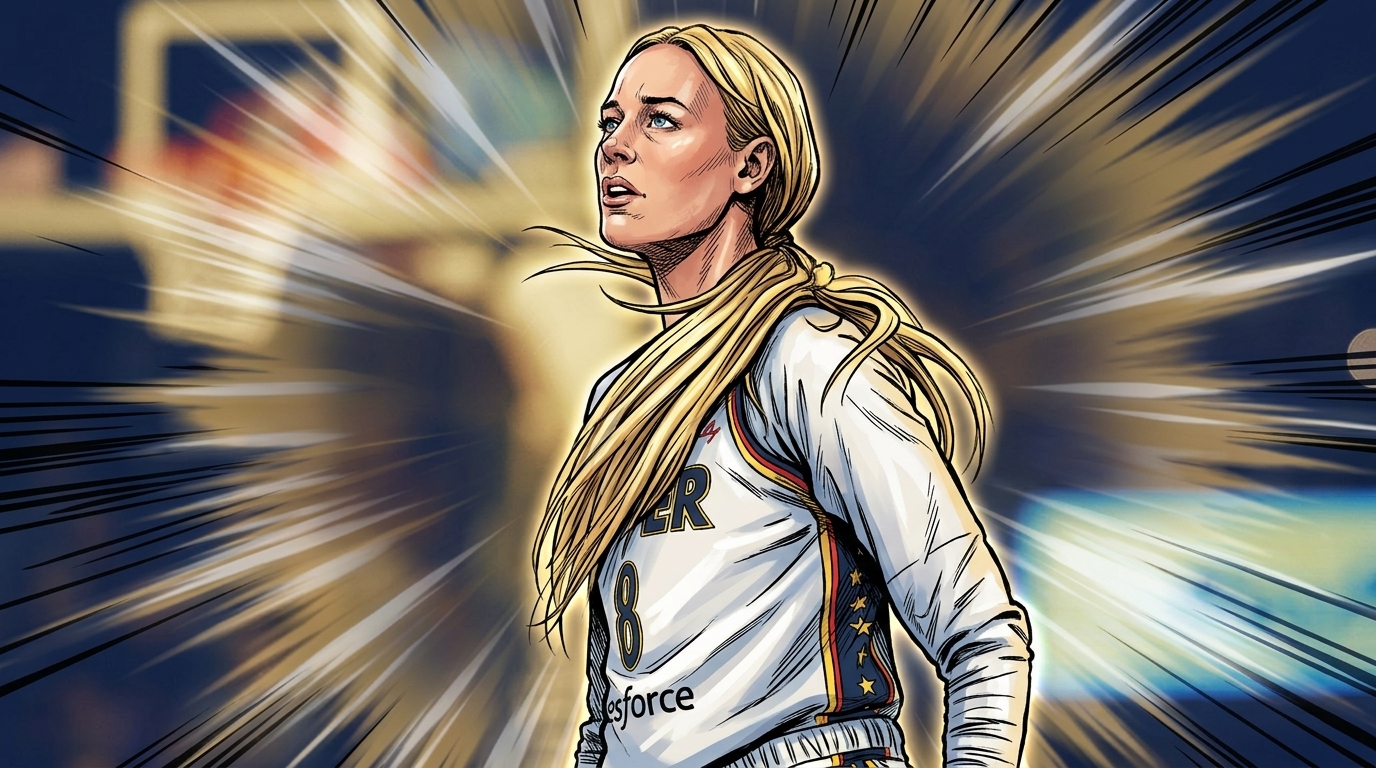

Sophie Cunningham didn’t log onto her podcast to defend a pointing meme — she went on “Show Me Something” and named the commissioner of the WNBA by name, and I think that matters more than anything else that happened in women’s basketball last week.
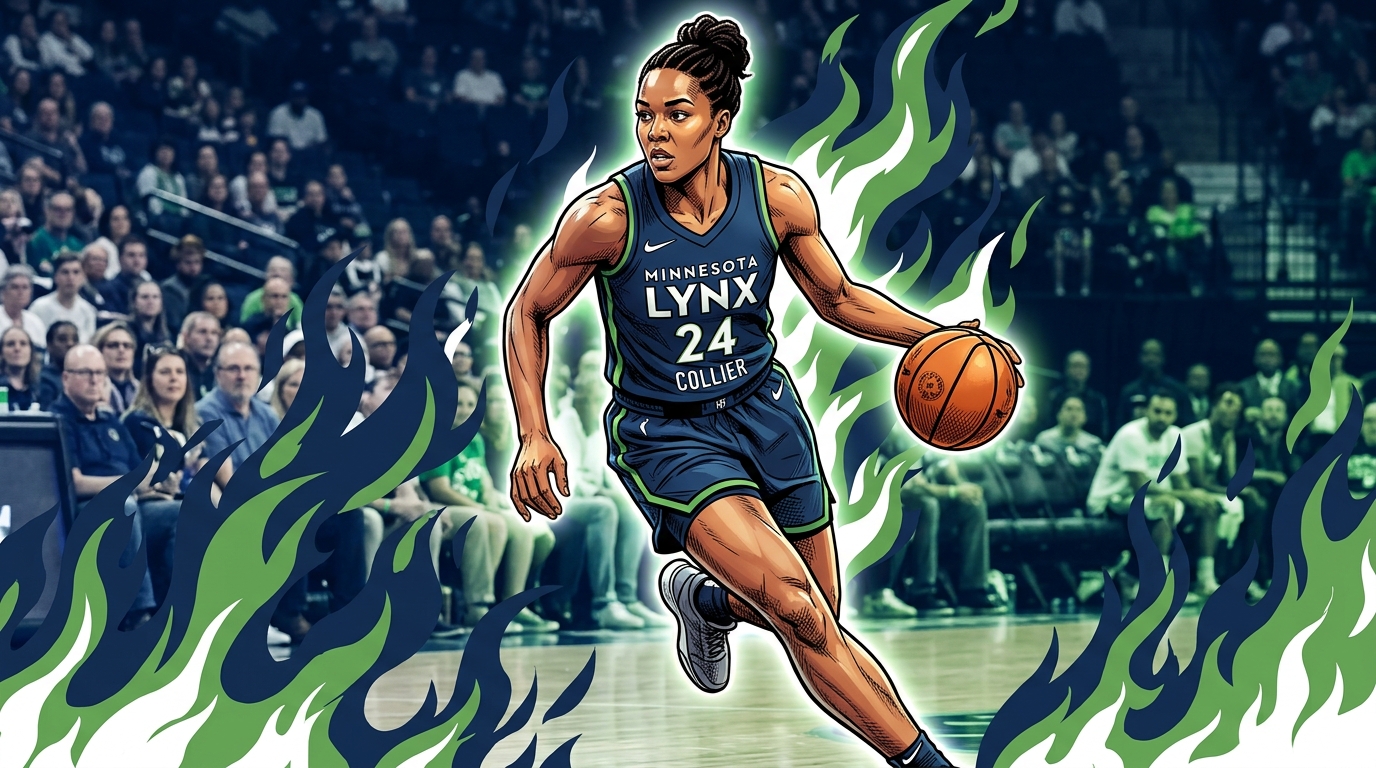
The context: Cathy Engelbert has run this league for seven years. In those seven years, the players have grown louder and angrier at a rate that should embarrass any executive with even a passing interest in her own legacy. Last October, Napheesa Collier stood at a Minnesota Lynx exit interview and delivered four and a half minutes of indictment. Players said Engelbert “makes it about her.” They said people in power “don’t know s*** about basketball.” They called it “shameful.” Cunningham wasn’t adding to a pile-on — she was building a legal brief.
“At the end of the day, [Engelbert is] worried about her…Cathy: No one cares. Literally no one cares.”
That quote isn’t a player venting steam. That’s a player who has clearly thought about what institutional leadership looks like. She looked at Cathy Engelbert and found nothing there. Cunningham’s own leadership standard, from the same episode: “When you are collaborative, and you want the product to be successful, you find a way to put people first. If you do it in a certain way, where people know that you care, and it’s about them and not about you, that you can make a successful business.” That’s not a hot take. That’s a competency framework. Engelbert fails it.
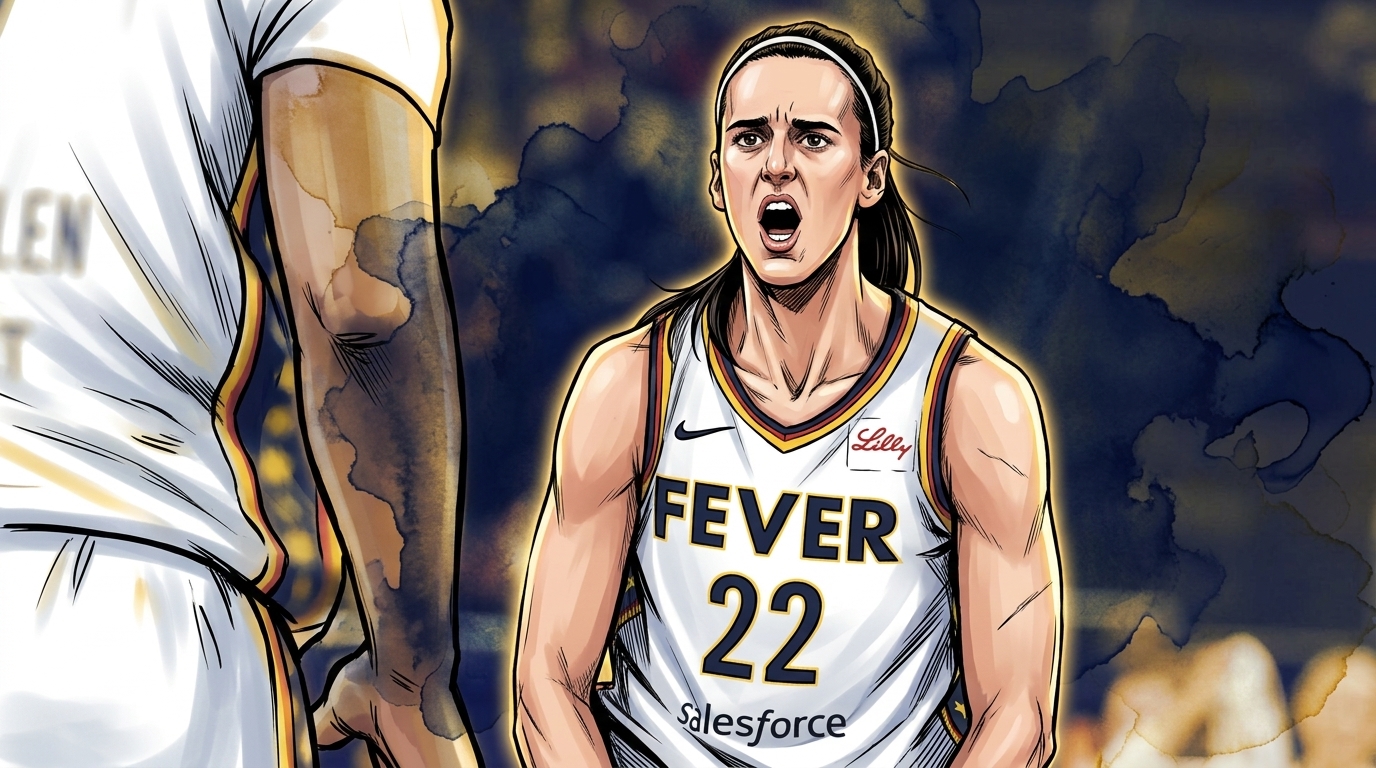
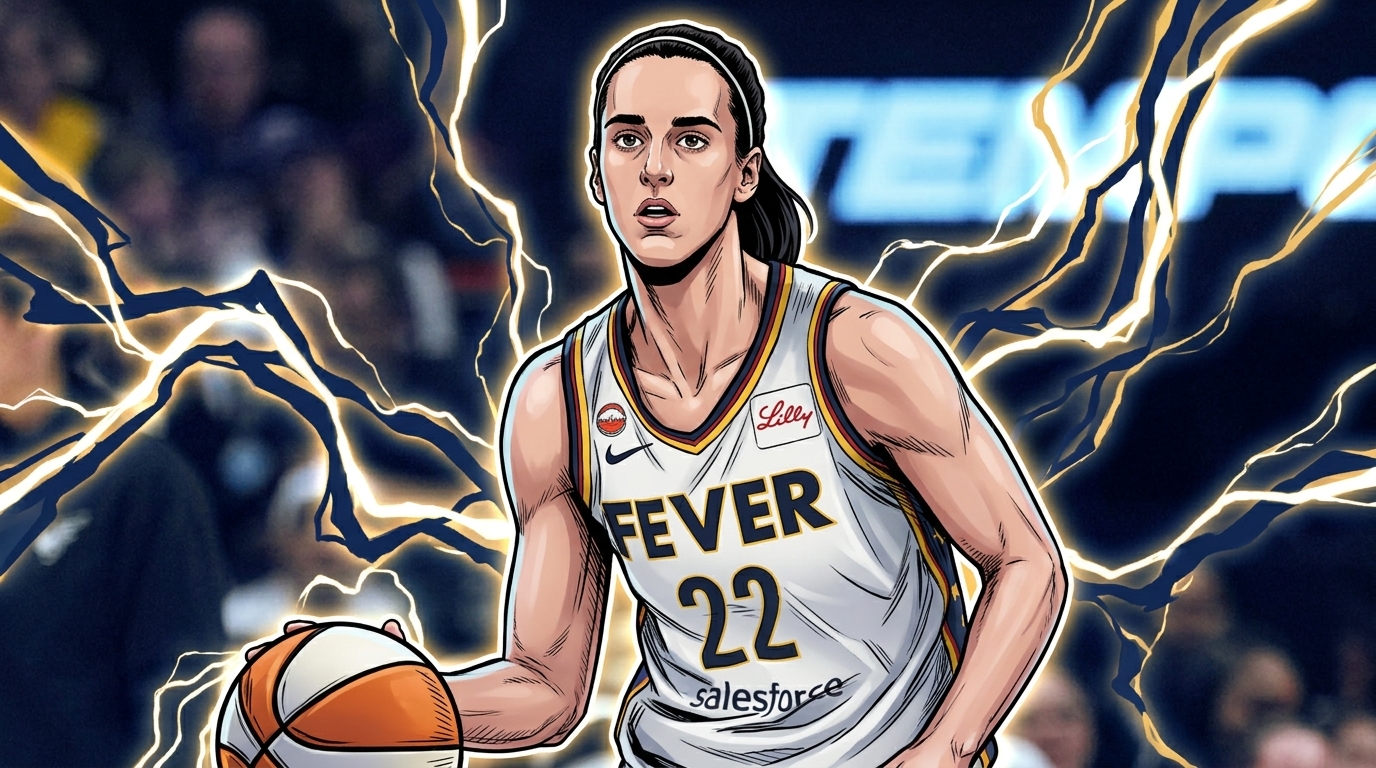
Then there’s the poster. The 30th anniversary poster for the WNBA left out Caitlin Clark, the league’s most-watched player, the driver of record ratings and attendance, the reason casual fans can name half the roster. The technical explanation: Clark’s Nike contract prevents WinCraft, the manufacturer, from using her likeness. Fine. Contracts are real. But the pattern of decisions around Clark’s visibility in this league is so consistently backward that “just a contract” doesn’t land the way the league office wants it to. At some point, you stop believing in bad luck and start recognizing institutional indifference for what it is. Cunningham put it more efficiently: “People only know Cathy because of C…”
She didn’t finish the sentence. She didn’t have to.
Then there’s what’s happening on the court. Cunningham, on June 28, on Clark being targeted: “This type of shit happens every single game to her, and the league and the refs do absolutely nothing about it.” She said they’re “definitely targeting her.” That’s a player on another team, with no personal stake in spinning for Clark, saying the quiet part out loud in the clearest terms possible.
https://x.com/CollinRugg/status/2071256896116596829
The referees are part of the WNBA’s operational apparatus. The league office sets the tone for what gets called and what gets ignored. When a player with Cunningham’s credibility says the refs are complicit in targeting, that’s not a conspiracy theory — that’s a sourced complaint from a professional athlete who watches it happen every night. Engelbert’s collective response to all of this has been the sound of a chair sliding across a linoleum floor.
The float about Cunningham becoming commissioner herself: “I think that one day, it would be so fun to be the commissioner.” It reads as half-joke, but only half. The other half is a genuine diagnosis: the person running this league needs to be someone who has lived inside it and gives a damn about the product. That’s not an unreasonable standard. It’s the minimum.
This is what targeted accountability looks like in WNBA coverage. Not ambient frustration. Not anonymous quotes slipped to a beat reporter. A player with a platform, saying a name, connecting the dots between a birthday poster and a looming lockout and missed foul calls, and letting the pattern indict itself. Cunningham has been funny and viral and culturally relevant this month. But this wasn’t a content moment. This was a deposition.
Check the latest from the WNBA and you’ll find a league at a crossroads it doesn’t seem to know it’s standing at. The CBA expired October 31, 2025. A potential lockout (Cunningham called it “the dumbest basketball decision ever”) looms. And the person in charge is the one who “literally no one cares” about, except, apparently, the person in charge.
Engelbert still has the job. For now.