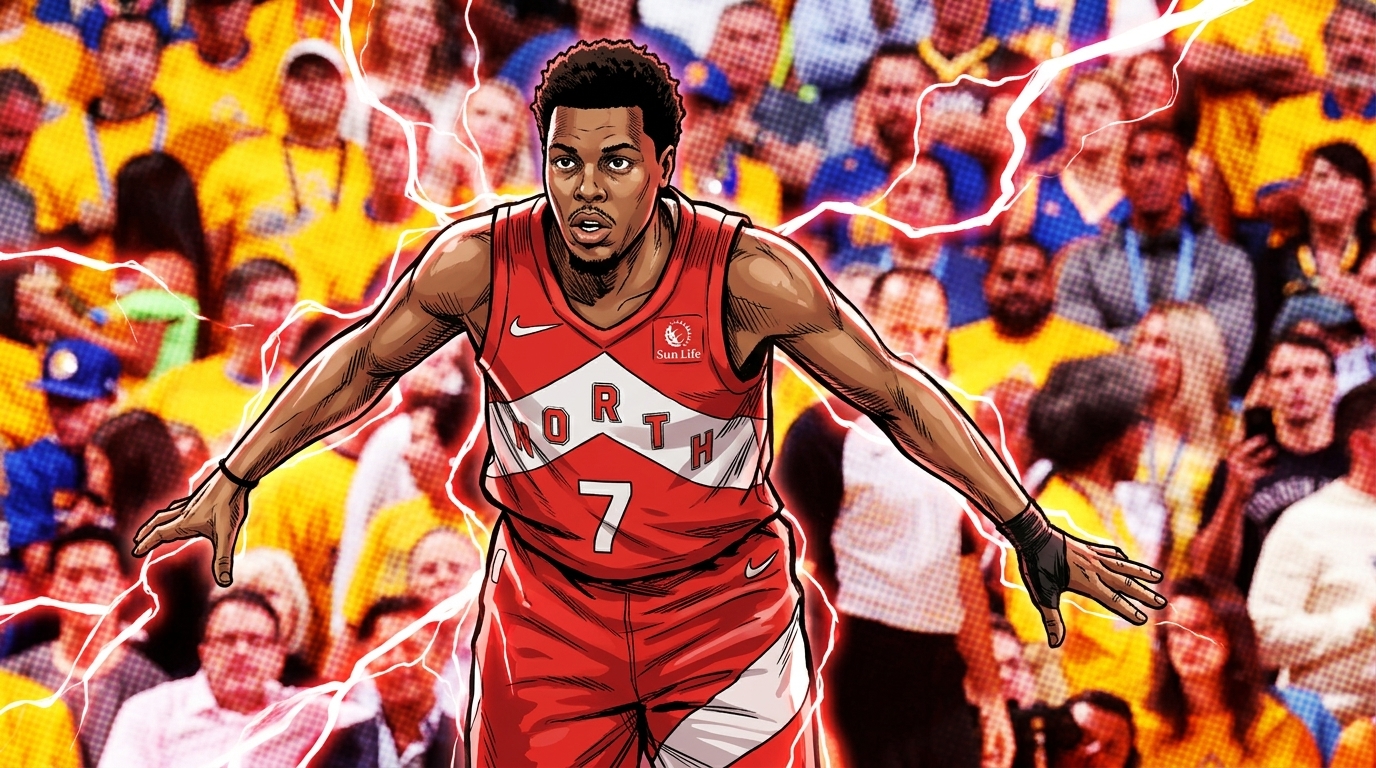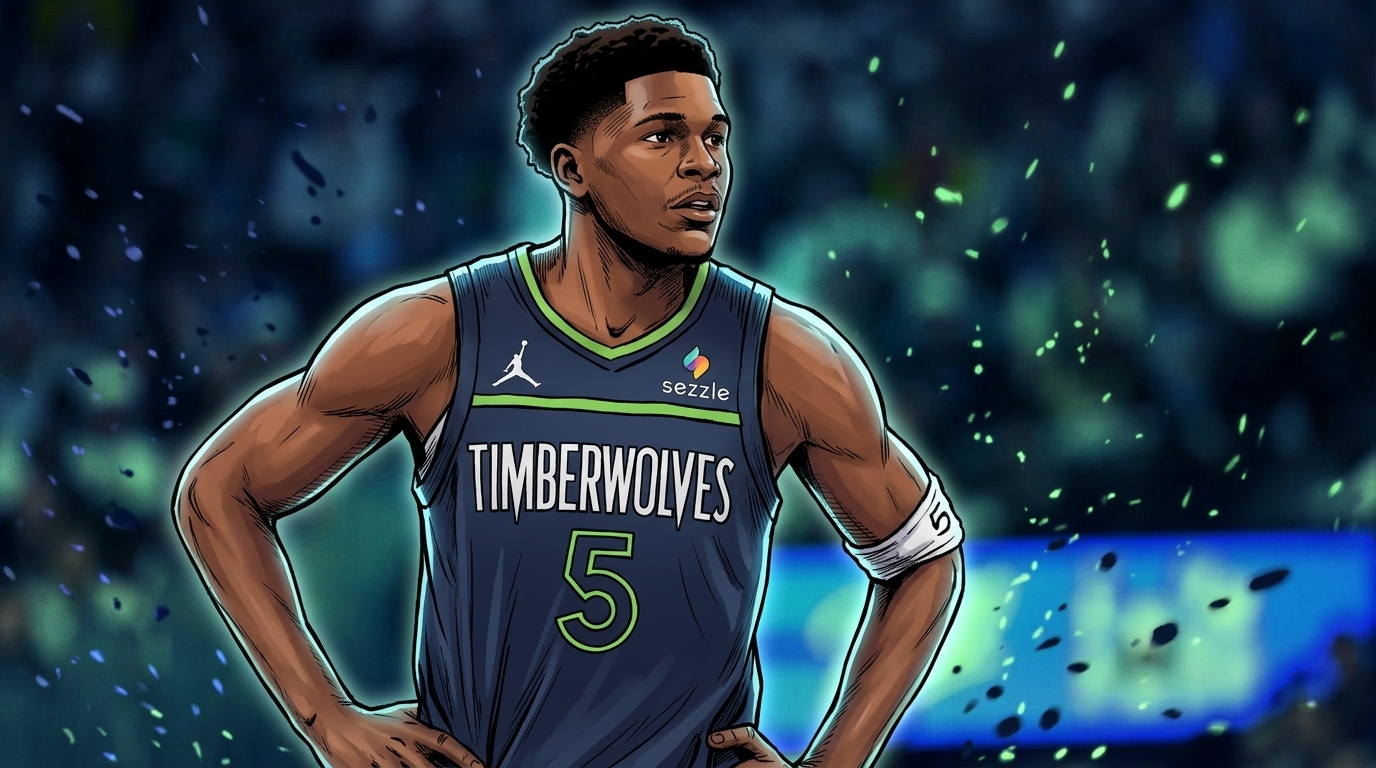
Jalen Brunson shot 28% from the field and still ended up being the guy the Knicks needed most when it mattered. That’s not how sports are supposed to work, and yet Game 2 of the NBA Finals happened anyway.
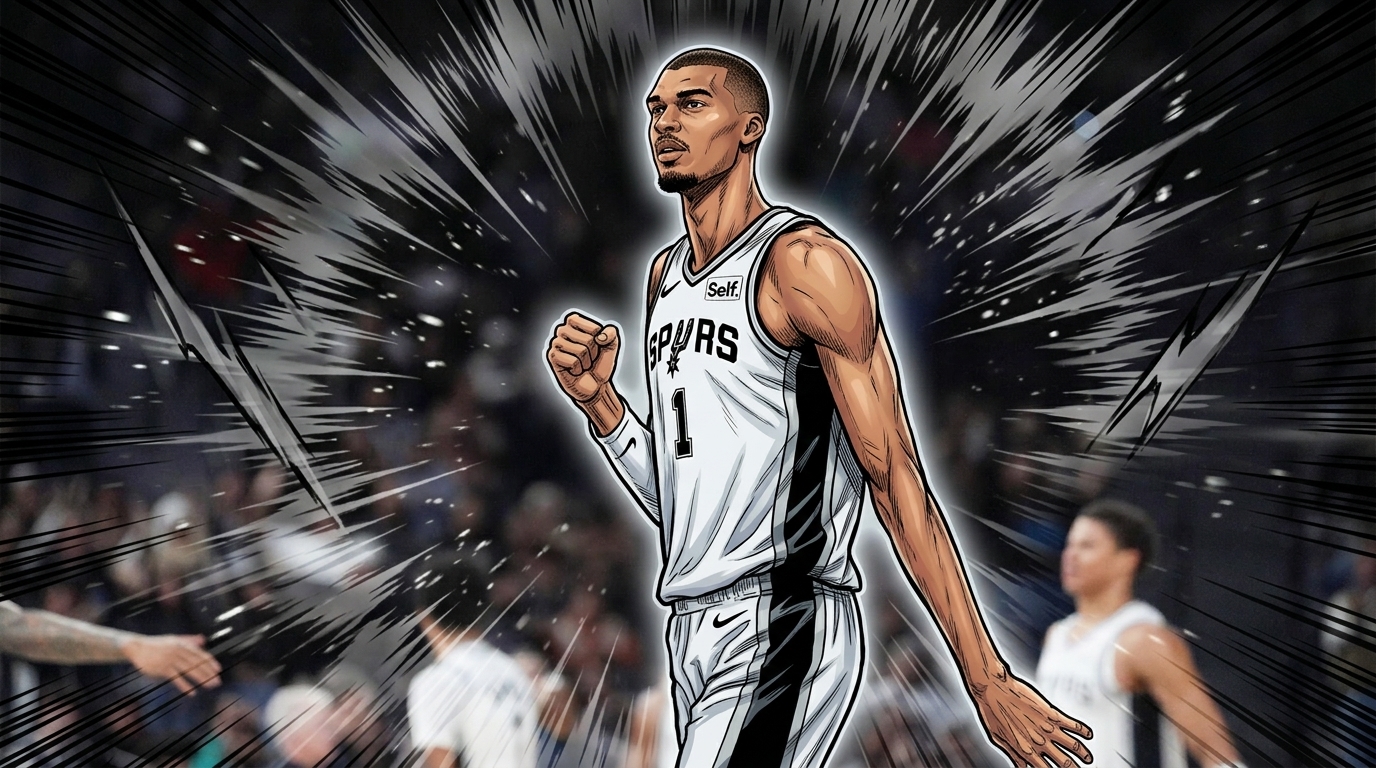
With 9.5 seconds left and the score locked at 104-104, Victor Wembanyama turned the ball over—the kind of turnover that gets played in slow-mo for three hours of analysis—and suddenly the Knicks were gift-wrapped a chance. Brunson stepped to the free throw line, ice water in his veins, and buried the go-ahead free throw. 105-104. Final. New York up 2-0. Both wins on the road. Both wins because Brunson refused to be anything but ice water in a Finals that only cares about clutch, not shooting percentages.
Here’s what the percentages looked like: 7-of-25. That’s one of those lines that looks like a typo when you’re scanning box scores, the kind of night that gets your team embarrassed on a Tuesday in Denver. Except this was Game 2 of the Finals. Except the Knicks won. Except Brunson was still the guy.
That’s the thing about clutch gene mythology. You can feel skeptical about it all season long, watch all the advanced stats and cold percentages, build your arguments about regression to the mean and sample size. Then you watch 9.5 seconds override a 28% night entirely, and suddenly the mythology isn’t mythology anymore. It’s just what happens when ice water matters more than field goal percentage.
Karl-Anthony Towns threw in 21 and grabbed 13 rebounds—not the kind of line that makes SportsCenter highlights but the kind of line that wins Finals games. Mikal Bridges added 20. They did their jobs. But Brunson’s job wasn’t about field goal percentage; it was about understanding that Finals games are played in moments, not stretches, and being the guy in the moment that mattered most. Eighteen missed shots didn’t make him any less clutch. One made free throw made him everything.
Wembanyama went for 29 points and played like he woke up in the fourth quarter, leading a Spurs comeback that felt like it might be the overture to one of those Game 7s that define careers. The young star was unstoppable down the stretch. Instead, at the moment that counted, Brunson stepped to the line, and we all watched what happens when ice water is more valuable than shooting touch. The moment swallowed everything else.
The Knicks have done something the 1993 Bulls did and the 1995 Rockets did: won both road games in the Finals. That’s the kind of historical club you can’t sneak into. You have to earn it through clutch shots and the understanding that Finals aren’t about percentages—they’re about the moment that matters most.
This is what Finals basketball looks like when you get it right. You can shoot poorly all night. You can be outpaced in stretches. You can let your opponent score 29 in the second half. And if you’ve got someone who understands that Finals aren’t about shooting—they’re about one moment that trumps 25 others combined—then you’re up 2-0, both on the road, and a 28% shooter is the reason why. Welcome to the 1993 Bulls and 1995 Rockets club, Knicks. Brunson bought your ticket with ice water and nine and a half seconds.