
We’ve spent two years using the Chicago White Sox as shorthand for baseball futility, the correct answer whenever someone asks how bad a modern-era season can get. Entering the week of August 12, that same team sat atop the AL Central at 62-57, three and a half games clear of both Minnesota (60-62) and Detroit (59-61), with Cleveland lingering at 59-62 and Kansas City parked at 49-73. The lead is real. Whether Chicago has let itself believe it yet is the more interesting question, and probably the more honest one.
Two years removed from a 121-loss season, the worst full-season record in modern MLB history, the White Sox turnaround has produced a genuine competitive step forward. It also happens to be arriving in one of baseball’s weakest divisions, which makes the record easier to admire and easier to doubt in the same breath.
Start with the history, because it explains why this feels so disorienting. The White Sox lost 101 games in 2023, then 121 in 2024, then 102 in 2025: three straight seasons that ran the gamut from bad to record-setting. As CBS Sports noted, this is the first time the White Sox have been in first place this late in a season since they won the division outright in 2021, and their first stretch of sole possession of first place since April 19, 2022. That’s not a footnote. That’s more than four years of irrelevance, broken in the span of a summer.
It isn’t a one-month mirage, either. Since April 18, the White Sox have gone 29-17, a mark tied for best in the AL over that stretch and second in all of baseball, trailing only Atlanta. Four months of playing above their own recent history is a pattern, not a hot streak.
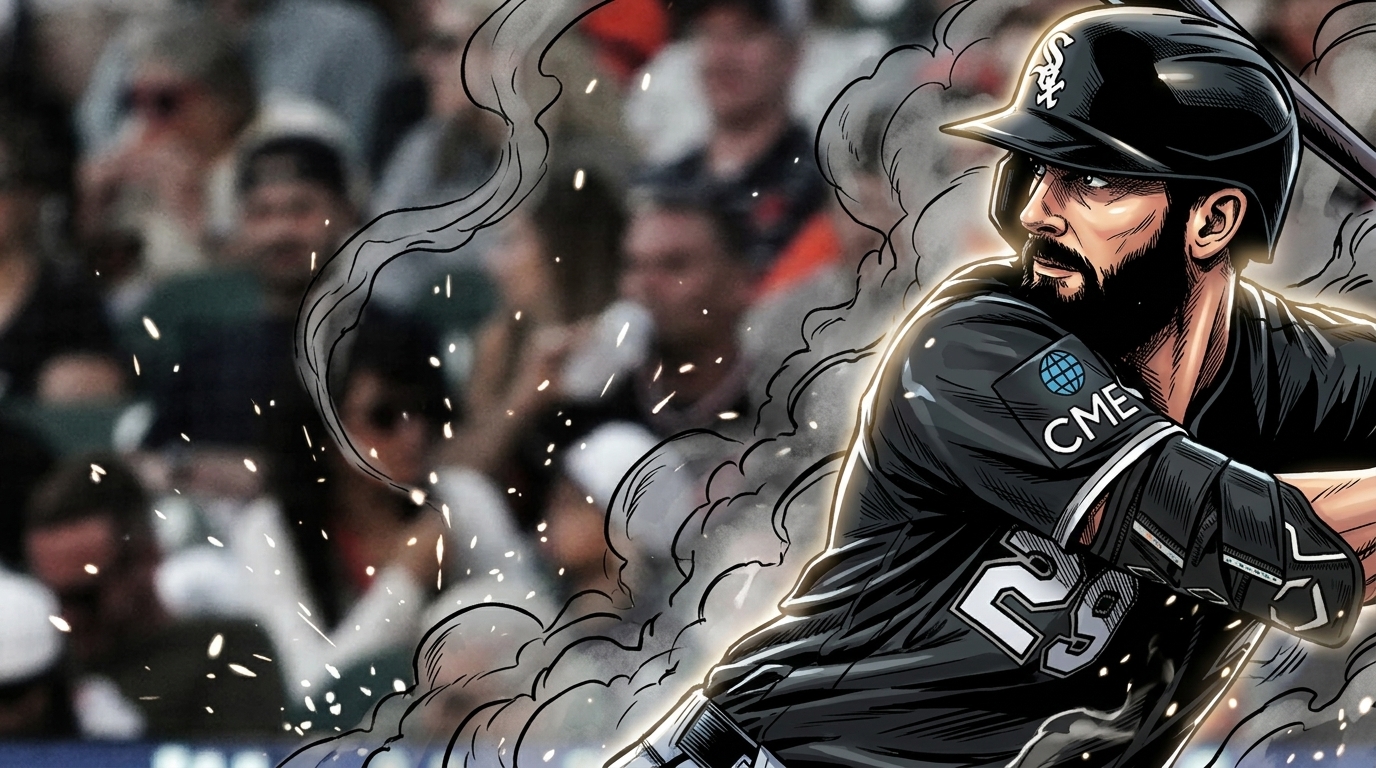
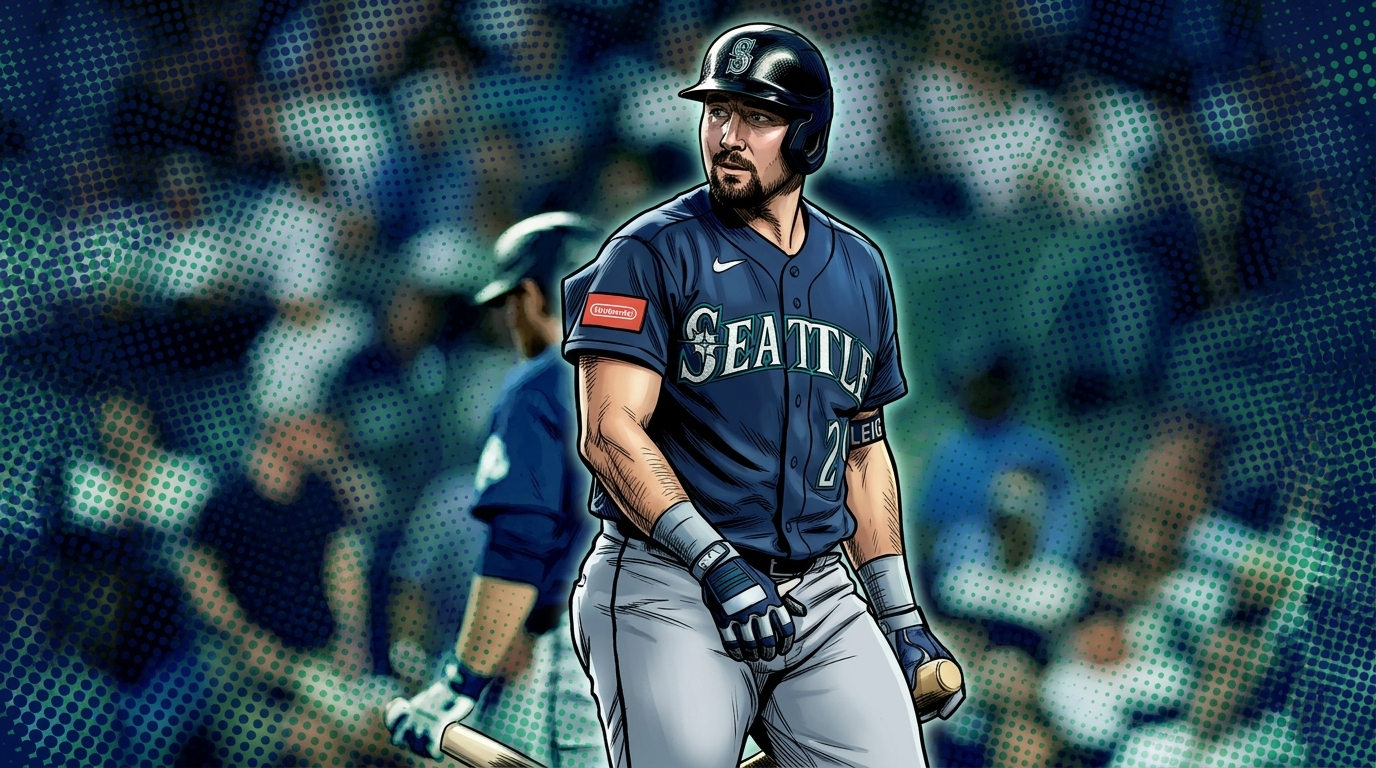
Much of it traces back to the rebuild that produced Murakami: specifically, Munetaka Murakami, the rookie first baseman GM Chris Getz signed to a two-year, $34 million deal last December after Murakami built his name with the Tokyo Yakult Swallows. He reached double-digit home runs faster than anyone in franchise history (the fourth-fastest pace in MLB history, worth remembering the next time someone calls this rebuild theoretical), and had hit 26 through mid-August. He made the All-Star team as a reserve and put on a show in the Home Run Derby, launching nine in the first round before falling just short of the semifinals.
He isn’t the only one. Miguel Vargas made the American League roster as a reserve, as MLB.com reported, then got into the game itself when Tampa Bay’s Junior Caminero left with a hit-by-pitch in the third inning — Vargas stayed at third the rest of the way and hit a home run. It’s a level of national recognition this roster hasn’t had in years, maybe ever for some of these players.
The players themselves sound like they’re still catching up to their own standings. “I didn’t even know we were really seven over,” Colson Montgomery said, on the team reaching a season-best seven games over .500. Sean Burke, similarly, said he didn’t realize the White Sox were four games behind the Rays for the AL’s No. 1 seed until someone told him. (This is either admirable tunnel vision or a clubhouse actively avoiding the standings page. I don’t think the distinction matters much.) Montgomery, elsewhere, offered the closest thing to institutional confidence anyone in the room has managed: “We’re not really surprised at all of it because we kind of expected this, and this is what we wanted.”
Randal Grichuk framed the whole approach as a feature, telling the Chicago Sun-Times: “We joke about being just dumb enough to not know, and just being dumb enough to just go play hard, and let it take care of itself.” It’s a good line, and it’s also a tell — a team that keeps insisting it isn’t watching the standings is a team that is, in fact, extremely aware of the standings.
Getz sounds more careful than his players. Posting on X, he framed the early success as validation of a process, not a reason to abandon it:
https://x.com/scottmerkin/status/2053222268415758692
That’s a GM choosing patience over a lap of victory, which tracks with how the season was projected before it turned. At the All-Star break, ESPN’s Bradford Doolittle gave the White Sox a 50.3% chance to make the playoffs and 21.5% odds to win the division, per Yahoo Sports, projecting an 83-79 finish that Doolittle himself called “barely better than coin-flip odds.” That was five weeks ago. The team has played well since, but Getz clearly hasn’t forgotten how thin the model’s margin was.
The honest complication deserves more than a passing dismissal: the AL Central is one of the two weakest divisions in baseball this season, and the standings make that case without much interpretation required. Every other team in it is currently below .500. (Kansas City is 49-73. Nobody is worried about Kansas City.) Leading a division where the rest of the field is scuffling isn’t nothing, since somebody still has to be the team that doesn’t lose, but it’s different proof than beating up on the AL East or the NL Central would offer.
I believe the turnaround is real, in the sense that matters most: young talent performing at a level the previous three seasons never approached, with Murakami and Vargas as the clearest proof of it. The soft division makes the record easier to hold than it would be somewhere tougher, and I’d hold off on calling this a finished renovation. But two years after the worst season in modern baseball, “good enough to make the question genuinely uncertain” is itself the story worth telling.
What happens next matters more than what already has. Watch the head-to-head stretches against Minnesota and Detroit, and watch whether Getz backs his own words about adding talent instead of just sitting on this lead. Both will say more about whether Chicago believes in this than any quote from a clubhouse still pretending not to check the standings. For more from around the league, check out the rest of our MLB coverage.