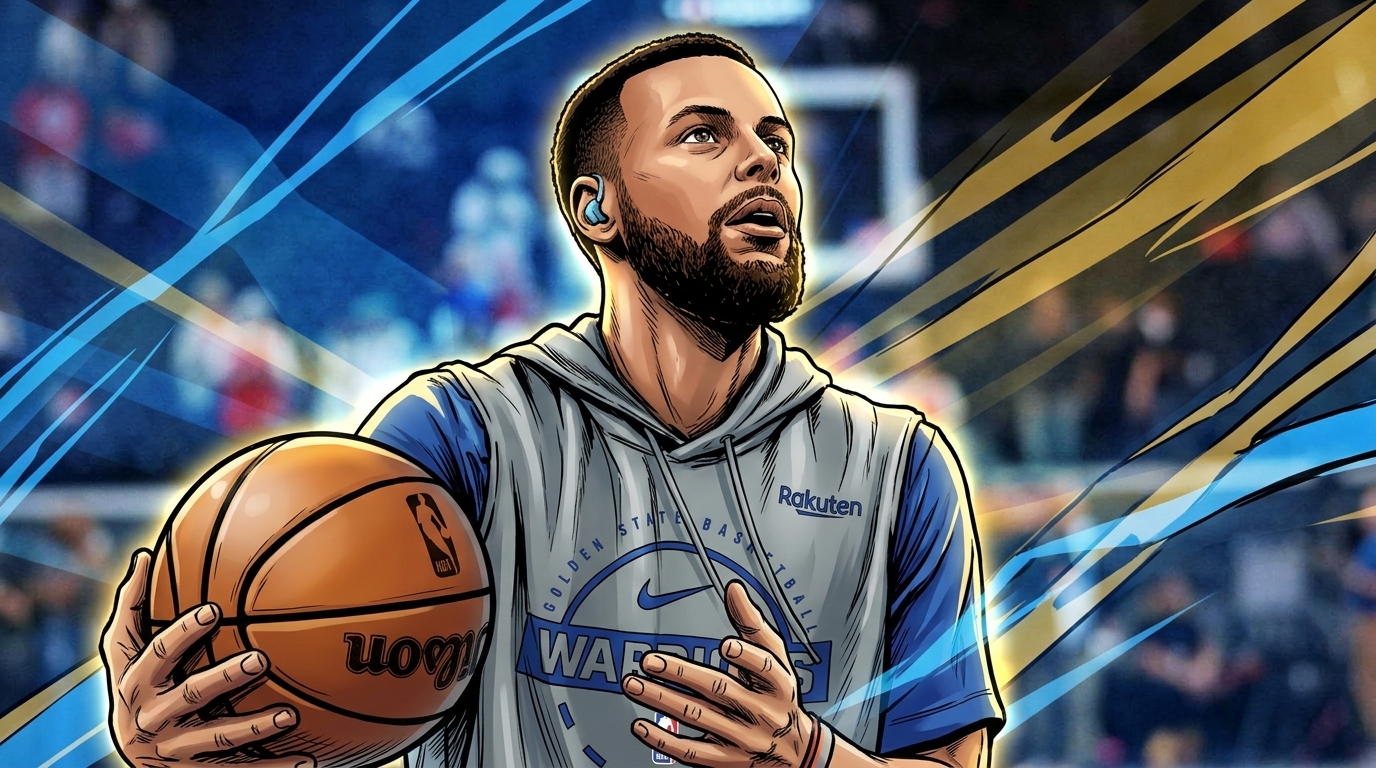

Victor Wembanyama signed a 5-year, $252 million extension with the San Antonio Spurs on July 10, per ESPN’s Shams Charania — and voluntarily left roughly $51 million in supermax escalators untouched.
Not because he had to. Because he chose to.
At 22 years old, coming off a unanimous Defensive Player of the Year season (all 100 first-place votes), he compressed his own contract so San Antonio would have cap flexibility to retain Stephon Castle and Dylan Harper when their extensions come due. Pounding the Rock reported that sources close to negotiations were calling it a “Tim Duncan-esque” team-friendly deal. That comp is doing real work.
Duncan didn’t just anchor Spurs dynasties — he repeatedly restructured his own deals to let San Antonio keep players worth keeping around. Wembanyama is doing it before he’s won anything, entering his fourth season, coming off a Finals loss to the Knicks. The front office flew to Paris to close this deal. He gave them a discount anyway.
He posted one tweet about it.
https://x.com/wemby/status/2075639751802003601
His public declaration; his entire explanation. No press conference speech, no lengthy rationale beyond the implicit: the team matters more than the ceiling.
The fair counterargument is that $252 million is a life-altering sum regardless of what you leave behind, and nobody is writing Wembanyama a hardship check. The floor here is still a quarter of a billion dollars.
But that framing misses what’s actually unusual. We covered his willingness to walk away from the supermax months ago, and the reasoning held then too. The question was always whether someone with his leverage would follow through. He did — and the leverage is real. This is the best player alive by a legitimate margin. The Spurs starting five went 21-3 together in 2025-26. San Antonio needed him more than he needed any specific number.
This extension isn’t just a contract story. It’s a statement about where this franchise is headed and whether its best player believes in it. He answered that question by leaving $51 million behind.
I’ve tracked a lot of franchise-defining moments since my $50-a-piece freelance days, and the ones that shift trajectory rarely announce themselves loudly. They look like this: a number a little lower than it could have been, a tweet shorter than it needed to be, and a franchise with room to build.
Tim Duncan would recognize it.