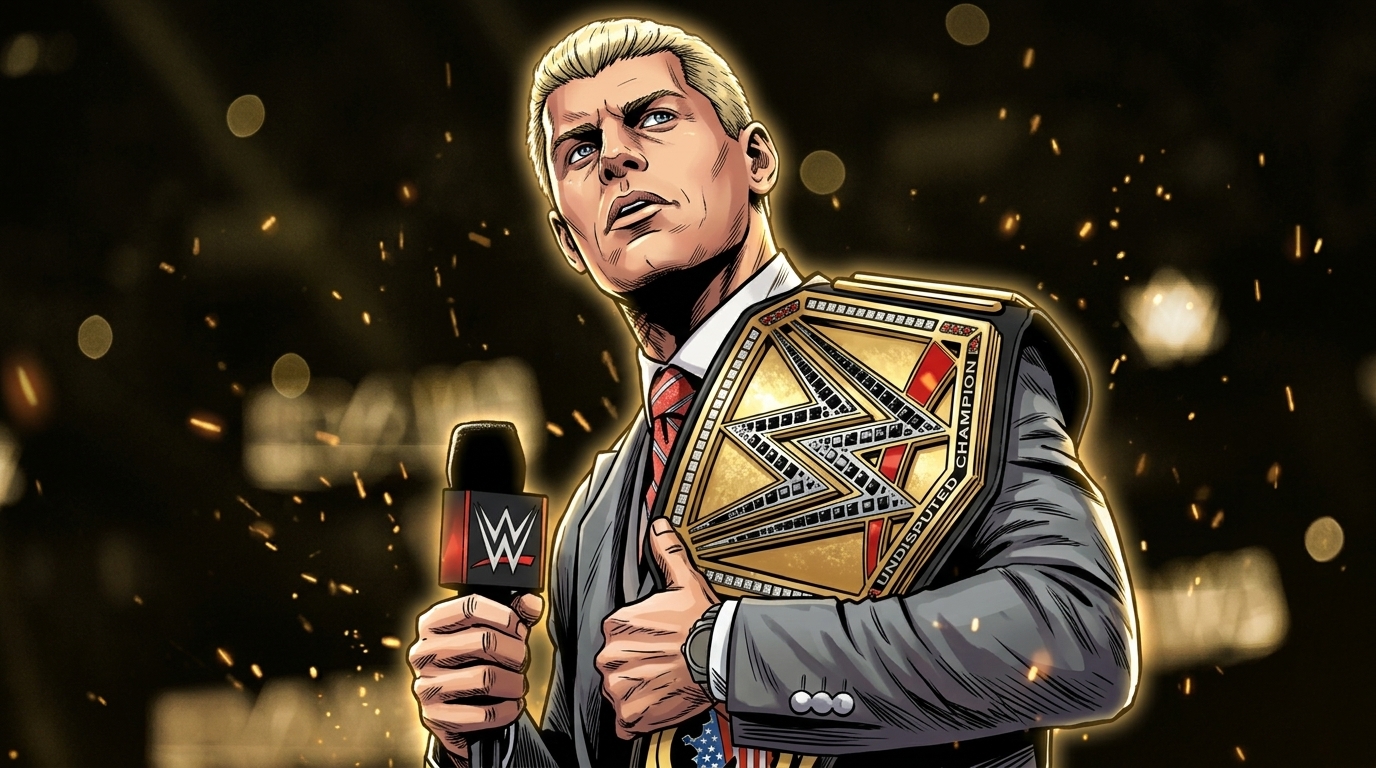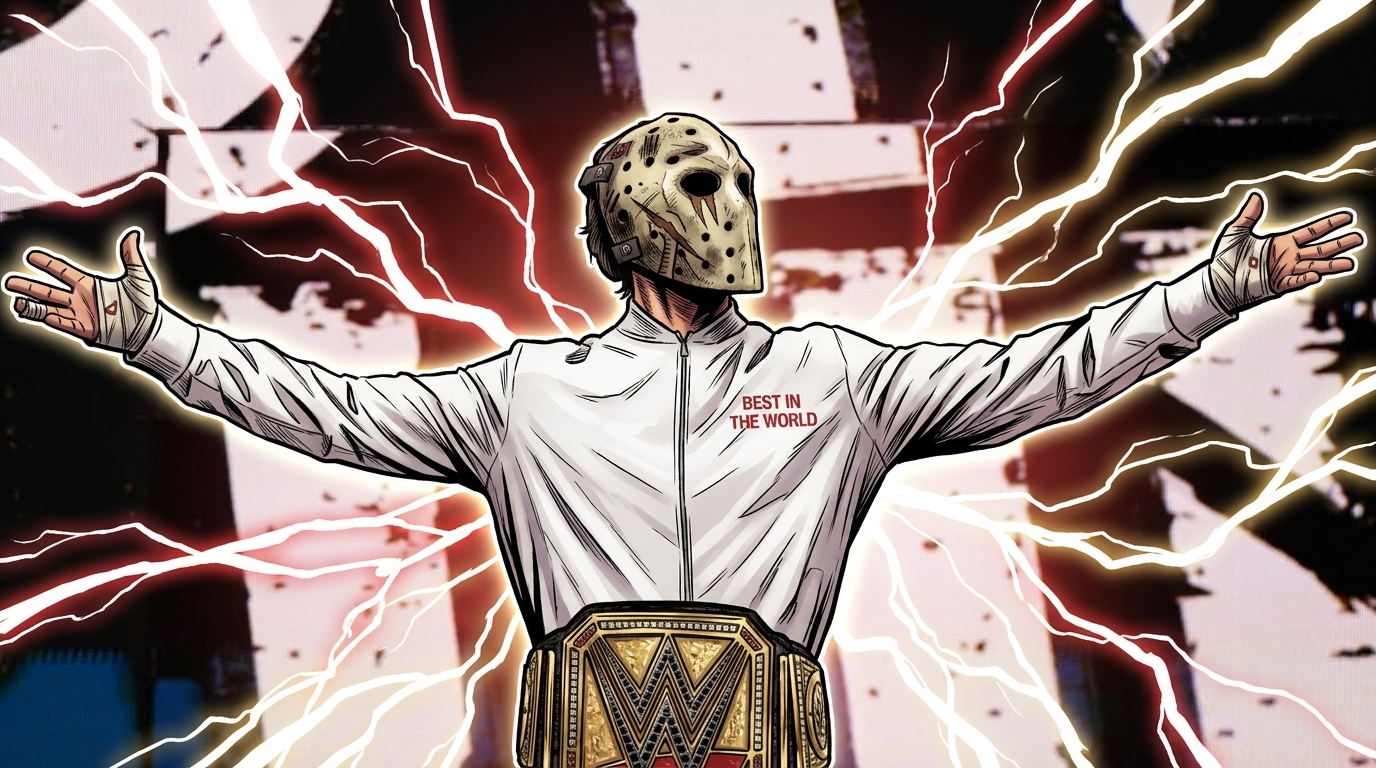

WWE has put together a genuinely strong SummerSlam card — CM Punk defending the Undisputed WWE Championship against Cody Rhodes, Roman Reigns and Seth Rollins colliding for the World Heavyweight title, Brock Lesnar stepping into Hell in a Cell in his hometown of Minneapolis — and through all of it, Night 1 at US Bank Stadium has sold 22,069 tickets out of roughly 67,000 available. Night 2 has sold 23,809. That’s approximately one-third of capacity for the company’s second-biggest event of the year, with an $84 floor price and a 25% discount currently running. The discount, per Dave Meltzer, “hasn’t helped sales in any meaningful way.” This is not a booking problem.
Think of it like a restaurant that spent years earning a Michelin star, then hired the best chef in town anyway, slashed the prix fixe, and still can’t turn tables on a Friday. The food isn’t wrong; something happened to the neighborhood. WWE has done everything a competent promotional operation is supposed to do: main event matches with genuine history behind them, a discount threshold low enough to be accessible, Lesnar fighting in front of his own people. The menu is legitimate. The dining room keeps sitting empty.
What makes this harder to explain away is that the dining room used to fill itself. Last year’s SummerSlam at MetLife Stadium drew a claimed combined attendance of 113,722 across two nights. That number, whatever its relationship to actual butts in seats, was at minimum a function of a market and a moment that moved tickets. Minneapolis in August, with this card, has moved 45,878 in two nights combined; the building seats roughly 134,000 over the same span. The restaurant hired a better chef than it had last year and somehow emptied out faster.
https://x.com/WrestleVotes/status/2075674324376137832
WrestleVotes reported this week that the SummerSlam ticket sales story “has been a hot topic in Stamford over the past month or so,” noting explicitly: “This isn’t a realization that came today. It’s been a concern internally for weeks.” That framing matters. Stamford’s concern predates the public reporting; the numbers were already alarming before anyone outside the company wrote them down. Whatever explanation WWE has offered itself — market size, summer competition, post-pandemic softness in secondary markets — it apparently hasn’t satisfied the people running the operation.
Meltzer’s newsletter put it plainly: “I don’t anticipate they expected anywhere near a sellout, but I can guarantee these numbers are not what they expected at all for such a major undercard.” The key phrase is “major undercard.” This isn’t a show built around a placeholder champion and three filler matches. Punk versus Rhodes is a genuine title program between two of the company’s biggest names; Reigns and Rollins have a decade of institutional history behind their rivalry. WWE reached into the drawer and pulled out its best cards, and the drawer is not the problem.
The obvious counterargument is timing: CM Punk versus Cody Rhodes for the championship was only announced on SmackDown on July 10, two weeks ahead of the event. Sales could spike. Historically, major match announcements move tickets in the short window before a show. This is true. It is also true that the event is three weeks out, that the 25% sale hasn’t moved the needle, and that the underlying anxiety in Stamford predates any of this week’s card reveals. A late announcement can accelerate sales; it can’t manufacture a cultural appetite that’s been eroding quietly for a couple of years.
The more durable explanation is structural. WWE’s subscription architecture has made the product increasingly something you consume from a couch rather than travel for; the friction of buying tickets, booking flights, and filling a stadium in a mid-sized Midwestern city competes with a product that has trained its audience to stay home. SummerSlam 2026 ticket sales aren’t a failure of imagination or effort. They’re a receipt for a decade of decisions that optimized for streaming numbers and let the live-event muscle atrophy. The chef is excellent. The neighborhood moved.