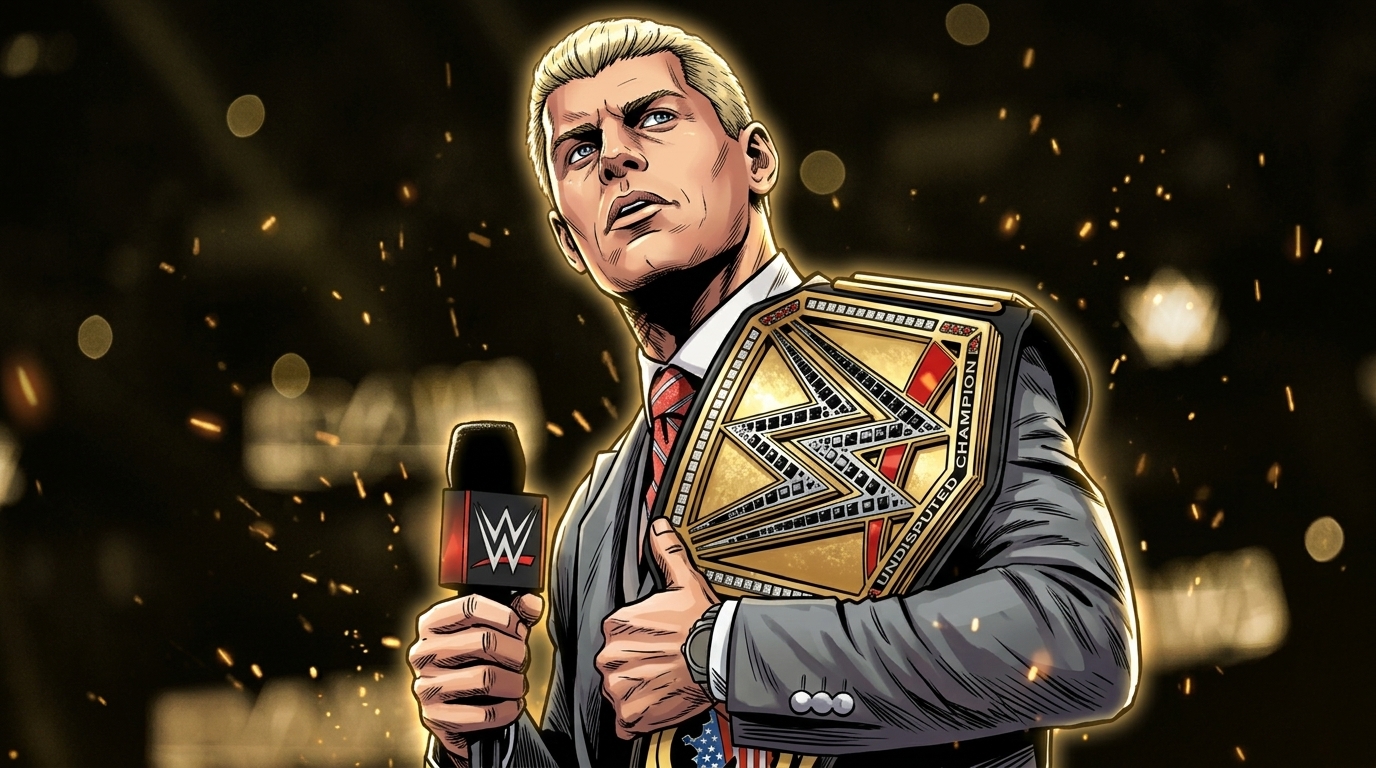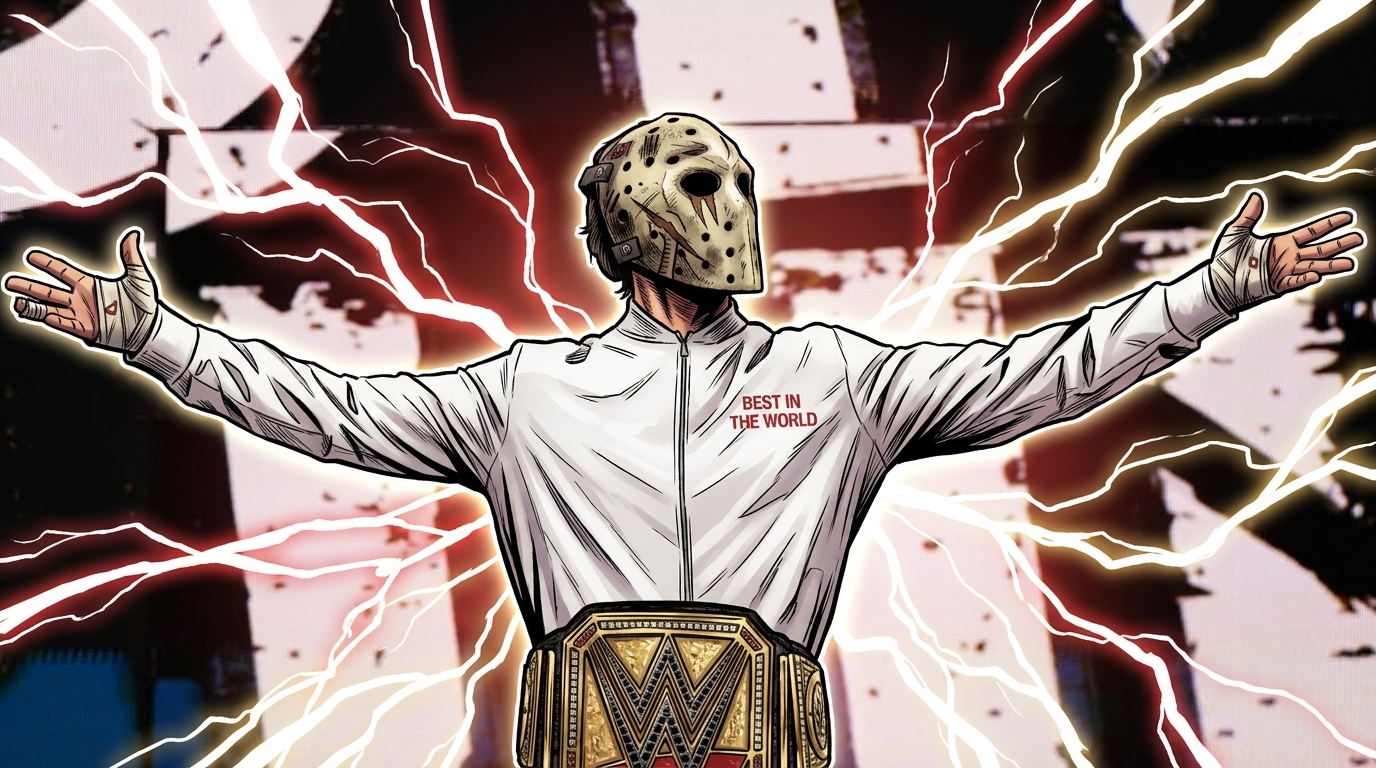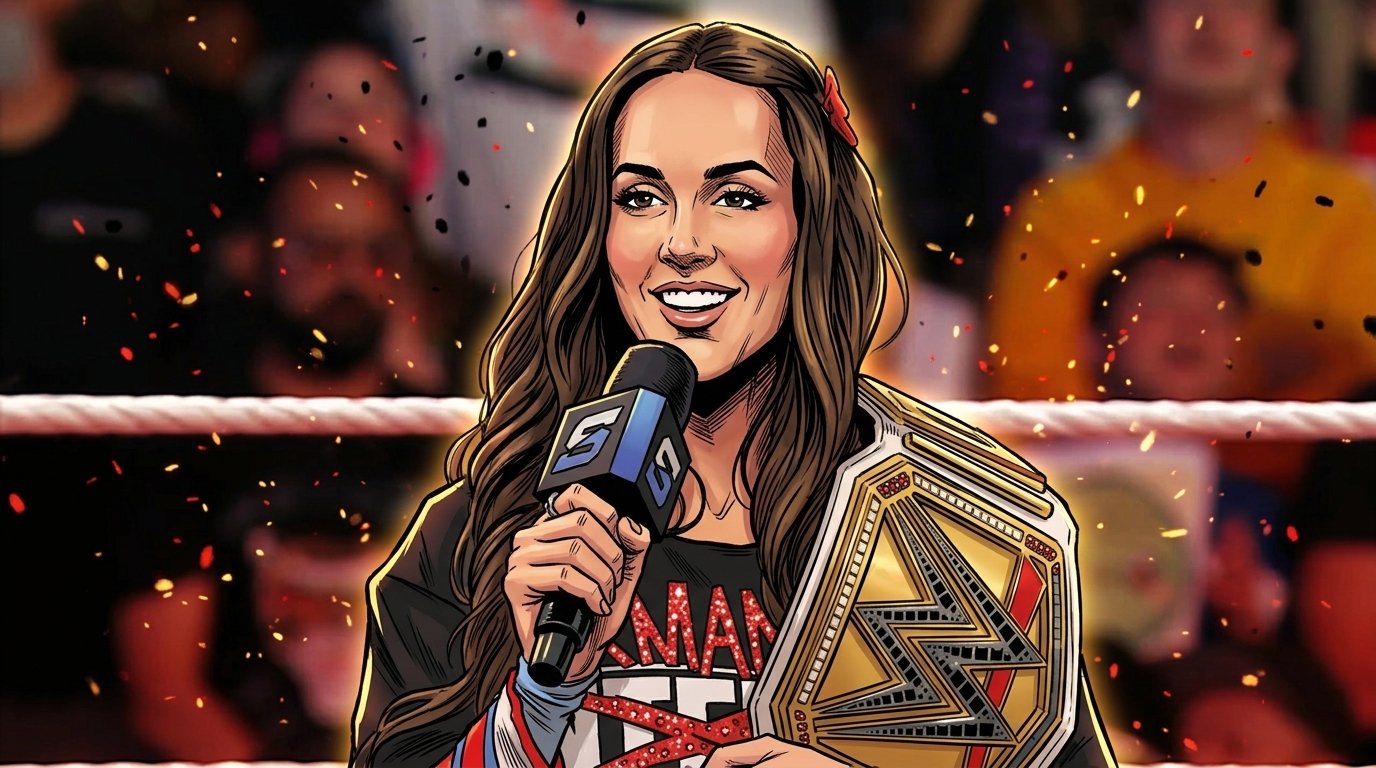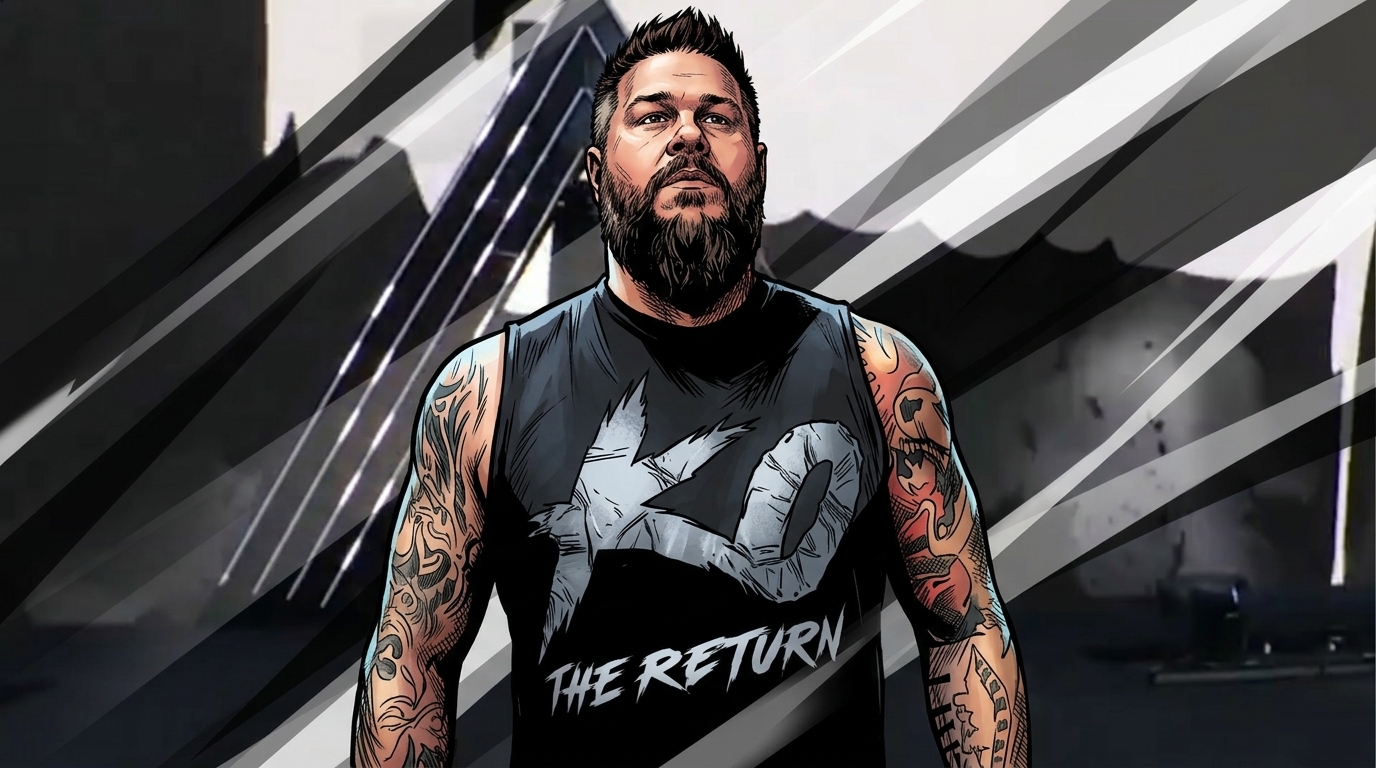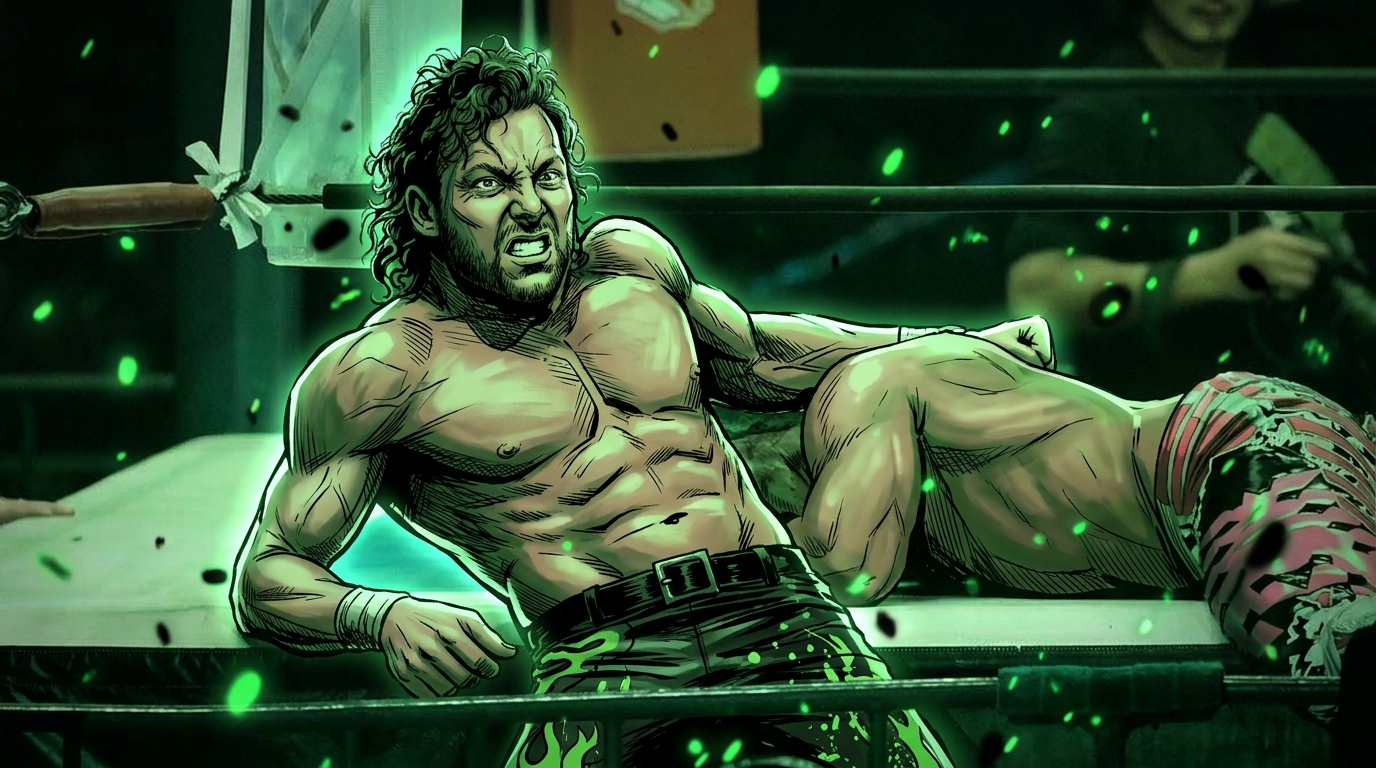
We’ve spent most of 2026 hearing that AEW’s storytelling doesn’t connect to anything, that Dynamite is a pile of segments with no shared spine. On Wednesday night, the promotion spent fifteen minutes proving it remembers its own history better than the critics do. Kenny Omega’s heel turn on Will Ospreay wasn’t staged out of nowhere. It was assembled, piece by piece, out of eleven real years of tape.
Per AEW.com, the two sat down across from Renee Paquette for what was billed as a conversation about their shared history, and it played more like a deposition than a highlight package. Omega started at PWG in 2015: he said, by his own account, that he wasn’t impressed by Ospreay early on and called him out of his depth. He moved to Wrestle Kingdom 17 at the Tokyo Dome, where Forbes reported he argued his own name outdrew Ospreay’s on the marquee. Ospreay shot back that he’d done it under pandemic-restricted crowds, a detail you only reach for if it still bothers you. Then came Forbidden Door 2023, where Omega said Don Callis’s fingerprints on that finish “make it feel like I beat you twice,” and Ospreay, sitting right there, admitted the win still feels tainted because of it. (Nothing rehabilitates a grudge like admitting on camera, years later, that a title win still bothers you.)
The line that actually ended the sit-down wasn’t about wins. Omega invoked Ospreay’s son, telling him that if he loses at Wembley, the kid might go looking for a new hero. Security pulled Ospreay back before he could get to Omega. By AEW.com’s account of the segment, it was Omega who goaded him back into the ring, caught him with a V-Trigger, then put him through a table with a One-Winged Angel. Dynamite went off the air with Omega standing over him.
Omega is the reigning AEW World Champion, and he defends the title against Ospreay at All In: London on Aug. 30 — eleven days after this Dynamite, per Wembley Stadium’s own event listing. Eleven days is not a lot of runway to walk any of this back, and it wasn’t built to be walked back.
The obvious objection is that this is just go-home hype wearing a nice suit. Every fight card in wrestling gets a “personal” angle in its final two weeks, and audiences have learned to discount it on arrival. Fair, as far as it goes. But hype invents details, and this didn’t invent anything. PWG in 2015, Wrestle Kingdom 17, and Forbidden Door 2023, Callis included, are all on tape somewhere, in front of paying customers who watched it happen in real time. (Someone in that production meeting had to go dig up footage from three different companies across a decade — Callis doesn’t exactly volunteer to relive Forbidden Door 2023.) That’s heavier pressure than two guys saying they don’t like each other, and it lands eleven days before a match nobody’s forgetting the outcome of, whichever way it goes.
This has been a rough year for the theory that wrestling stumbles into good stories by accident. SummerSlam’s card came together mostly by accident this summer, and wrestling media that generally likes what Tony Khan is doing has spent months saying Dynamite feels like a highlight reel without a thesis. AEW has leaned on the same “All In” branding most of the year to sell stadium counts instead of substance. Wednesday’s segment was the counter-example, and a good one, specifically because nothing about it was accidental.
The son line is worth sitting with on its own, because it isn’t really about wrestling. Everything before it was two guys arguing about who drew the bigger house and whose win counted more, entertaining inside baseball, but inside baseball all the same. Threatening someone’s kid’s hero worship is a different register. It’s what you say when you’ve decided the story needs an actual villain instead of a rival who happens to be standing across the ring from him this month.
Omega addressed the shift directly once the cameras stopped rolling on the segment itself.
https://x.com/DirtSheetRadio/status/2082657603587572003
That’s a specific explanation, not spin: the idea that a friendship curdled because Ospreay told Omega, in a disappointed voice, that it was sad to watch him give up on himself. I think that reads as more grounded than a generic “I’m the bad guy now” pivot. This isn’t Omega’s first heel run, either. He’s turned before, in AEW and in New Japan both, but this one might be his best-constructed, because it has a specific, addressable cause instead of a vibe shift. (Heel turns have a shelf-life problem in wrestling; most don’t survive contact with the go-home show. This one showed up with receipts.)
I believe this was the best segment AEW has produced all year. Not because the brawl was violent, though a V-Trigger through a table isn’t subtle, but because the writing did the actual work of narrative construction: establish stakes, escalate using material the audience already has an emotional relationship with, end on an image that demands resolution. All In: London now carries eleven years of receipts instead of eleven days of go-home hype. That’s the difference between an angle and a blow-off, and it isn’t small.
Watch for whether AEW lets this stay personal in the final stretch instead of flattening it into standard grudge-match marketing — specific stories are easy to generalize under a shorter clock, and generic is the one mode that would undercut everything Wednesday built. If it holds, Wembley Stadium won’t just settle a championship. It’ll be the answer to a full year of complaints about AEW’s storytelling, one way or the other. The rest of our wrestling coverage has more on how the road to London got here.