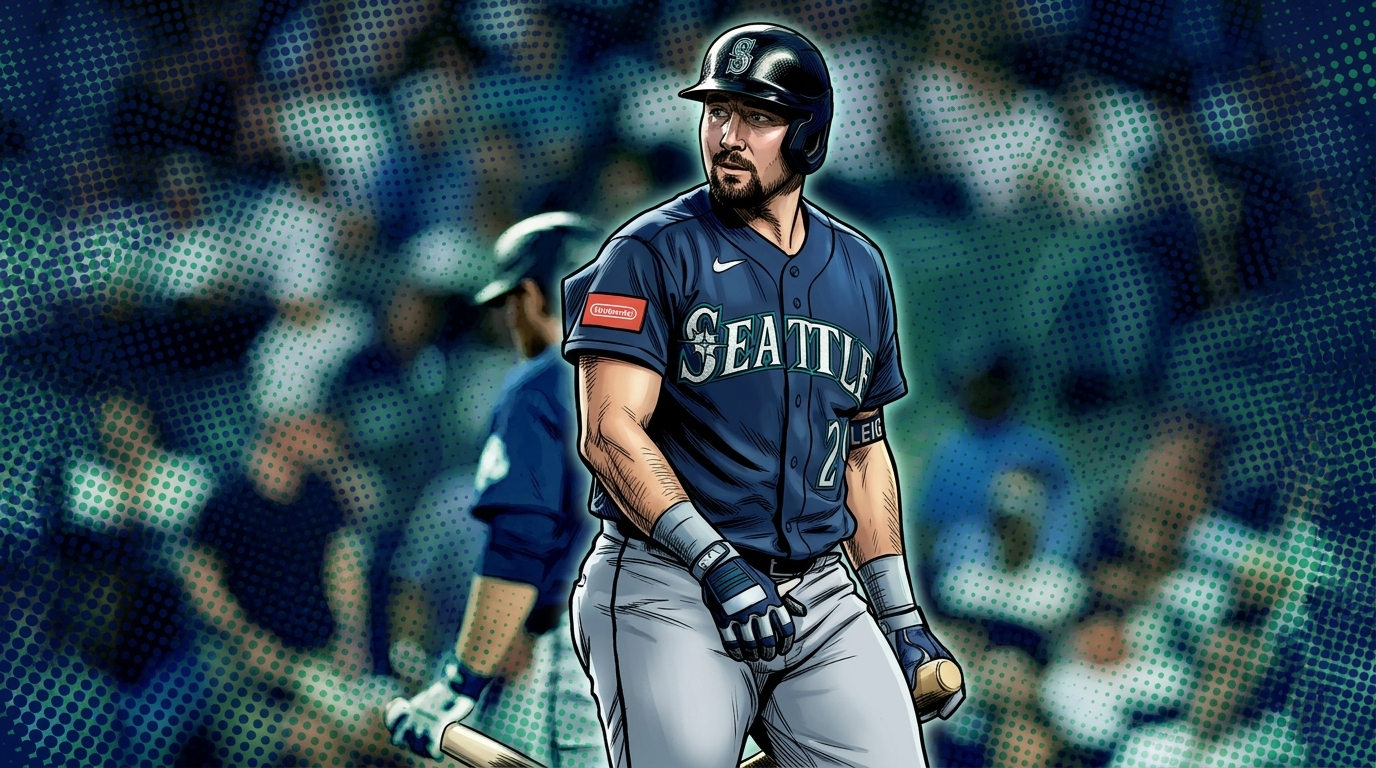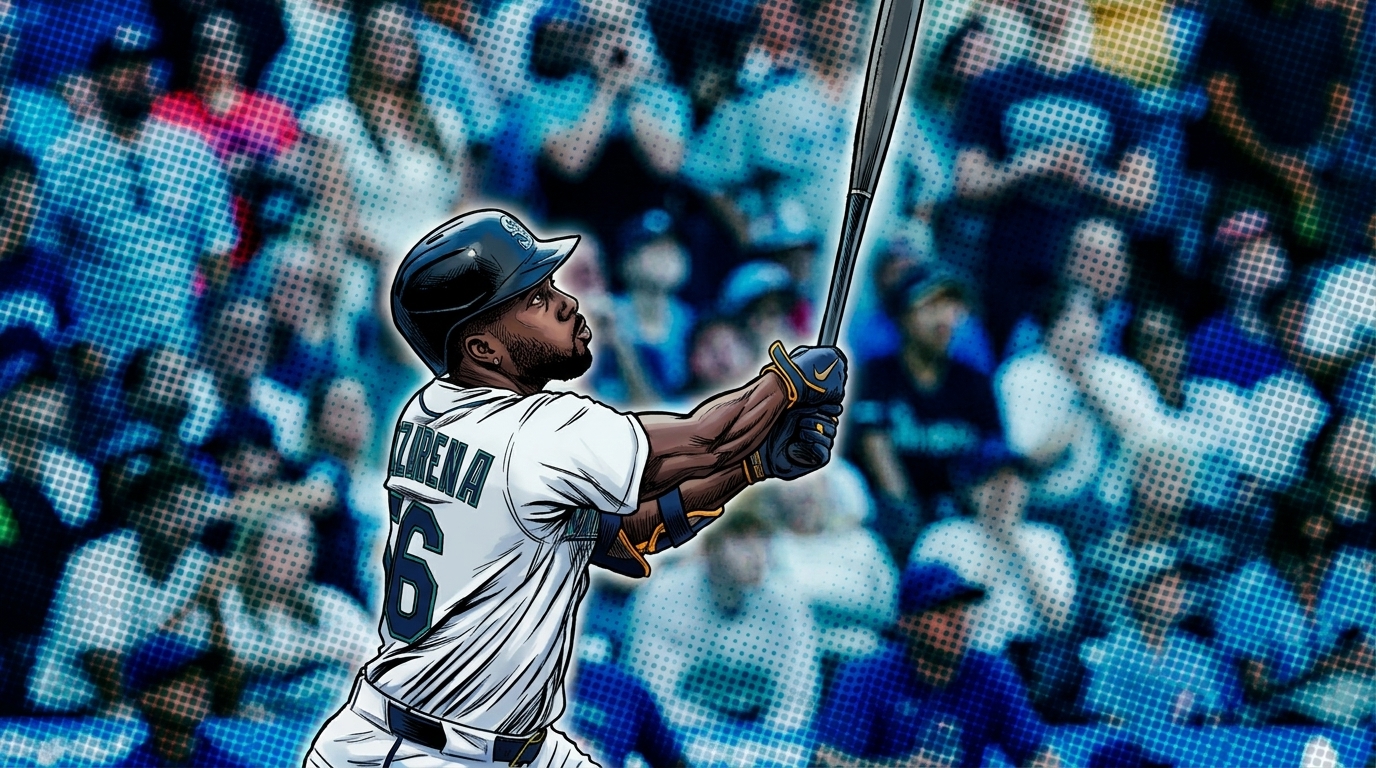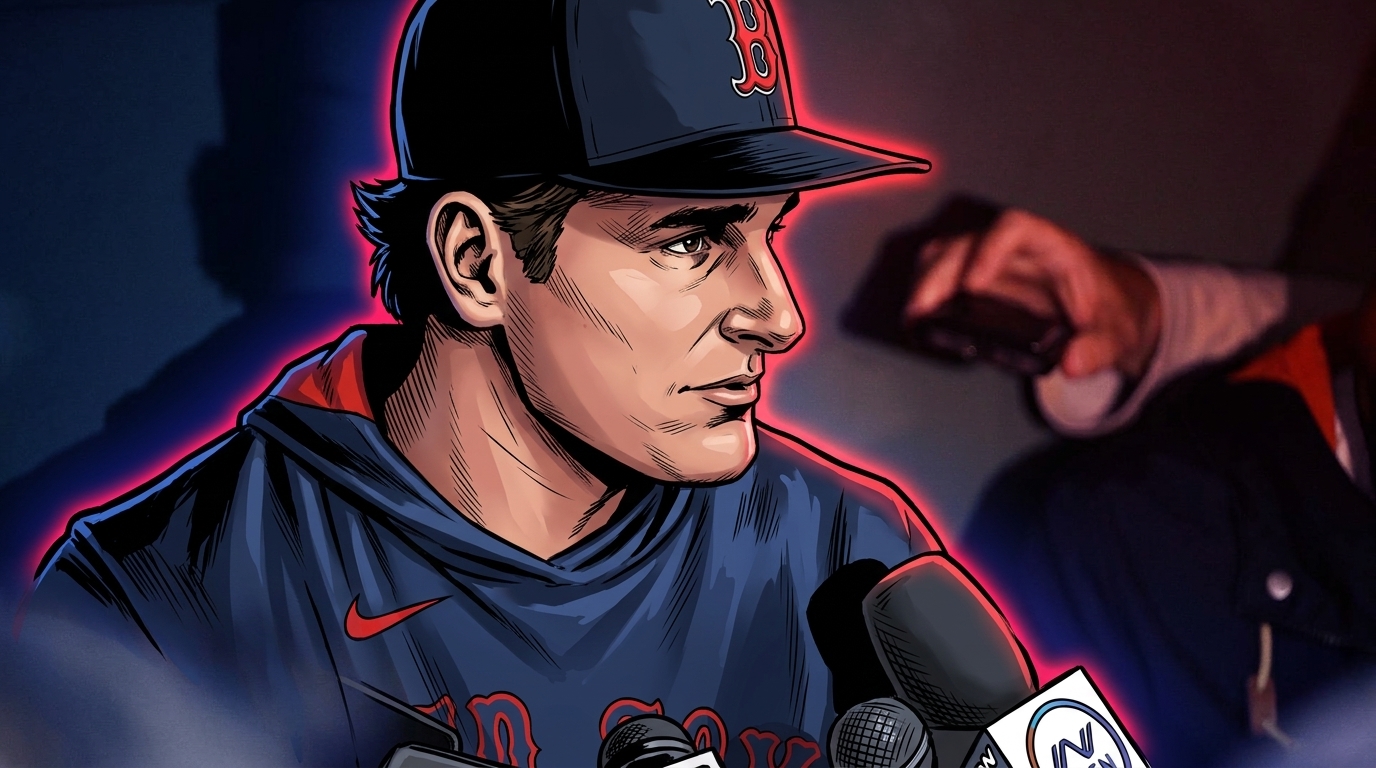

Every winning streak eventually forces the same question: was that the ceiling, or does it reveal something about the floor underneath it? Boston spent four weeks answering that question, and the answer showed up in a strange detail buried in the box scores. The two players the front office would call most important to this roster were barely on it.
How Bad Was Boston Before June 25?
Before June 25, this team looked finished. The Boston Red Sox sat at 32-46, 15.5 games back in the AL East, the type of deficit that ends front-office patience long before it ends fan patience. Then everything flipped. Boston won 15 straight games, a run that included sweeping the Yankees in late June and carried through to a doubleheader against the Baltimore Orioles on July 22, when Boston beat Baltimore 6-3 in Game 1 to tie the franchise record for consecutive wins, a mark that had stood since 1946, across 126 seasons of franchise history. Boston lost the nightcap 5-1, ending the run one win short of a new record, but the standings damage was already done. The Red Sox climbed to 52-49, now holding the third AL Wild Card spot, with the AL East gap trimmed from 15.5 games to seven.
That’s the shape of the Red Sox winning streak in 2026. What’s odd is who was actually on the field for it.
Is the Red Sox Winning Streak a Fluke?
No, because the strongest evidence for it being real isn’t the win total, it’s who was missing. Boston played its most dominant month of baseball this season without its best hitter and its best starter anywhere near the lineup, which points toward a genuine baseline talent level rather than a lucky month poised to regress the moment the schedule gets harder.
Start with the offense: 5.9 runs a game during the streak, with 22 home runs across the 15 wins, averaging close to a homer and a half a night for two and a half weeks. A lineup producing at that pace for two and a half straight weeks is good enough on its own to push a team into the top 10 of the league’s power rankings for the first time all year, which Boston did. Pair that with pitching this good, and the offense stops looking like the whole story. The pitching staff posted a 1.98 ERA during the 15-game streak itself, with three shutouts along the way. Zoom out to the full 19-2 stretch that carried the streak, and the rotation was even better at 2.66, with Sonny Gray going 3-0 at a 1.07 ERA and rookie Jake Bennett going 4-0 at a 1.00 ERA, the type of number that means either a rookie found something real in July or the league simply hasn’t adjusted to him yet. Probably both.
None of that reads like a fluke. It reads like a team playing to a level it can sustain, minus the two players most likely to push that level higher.
The Two Best Players Weren’t Even Playing
Say the two names again: Roman Anthony and Garrett Crochet. Anthony hasn’t played since exiting a May 4 game against Detroit with what’s since been described as a ring finger issue; he moved to the 60-day injured list on June 28, and his timeline is unresolved enough that missing the rest of 2026 is a real possibility. Crochet has been out even longer, since April 29, with left shoulder inflammation. He threw to hitters on May 26, felt lat tightness two days later, and as of late July still has no timetable to resume throwing at all. The Roman Anthony and Garrett Crochet injury timeline runs back to the spring, not just the three weeks of the streak.
That means the entire 15-game run, the Yankees sweep and the doubleheader that tied 1946 included, happened with Boston’s best position-player talent and its highest-ceiling starter completely off the roster. Teams don’t typically play their best baseball of the season while missing their two most important players unless the players filling in are better than advertised. A fluke can explain a hot two weeks. It doesn’t explain a hot two weeks built on replacement production at two roster spots that were supposed to be foundational.
The instinct is to see Anthony and Crochet as reinforcements, players who make a good team better once they’re activated. The more useful read treats them as proof of a floor: Boston has established, over a real sample, what its worst-case roster construction can produce. The Red Sox franchise record win streak didn’t happen because of a fluky bullpen stretch or an offense running on unsustainable luck. It happened because the players filling in are legitimately good, and that’s a very different problem for the front office to solve than whether the team simply got hot.
Manager Chad Tracy wasn’t selling permanence in either direction. “We just won 15 games in a row, and I think all of us knew it was going to end at some point,” he told reporters after the loss to Baltimore, the right amount of perspective from someone who lived through it in real time, and also somewhat beside the point. Streaks end. Talent levels don’t reset with them.
This was the tweet that captured the record-tying win, hours before Game 2 flipped the mood entirely:
https://twitter.com/BleacherReport/status/2080019605410726036
The record chase got the headline that night. The more durable story was already sitting in the injury report.
What Boston Should Actually Buy by August 3
This is where the front office’s math changes. A team that goes 15-0 with its stars already in the lineup has nothing left to prove at the deadline. A team that goes 15-0 without them is buying to stack talent on a foundation that’s already proven it works, which is a far better trade to make than propping up a roster you’re still unsure about.
Boston has reportedly shifted from sellers to buyers ahead of the August 3 deadline, looking at infield help. Luis Arraez and Jeremy Peña have both been floated as targets, along with rotation depth to pair with Gray and whichever version of Bennett shows up in September. That pursuit runs straight into the rest of the league’s trade deadline math: contenders are chasing the same short list of difference-makers with ten days on the clock, and Boston’s leverage depends on convincing sellers this roster is real, not a mirage that cools off in August. The Red Sox trade deadline 2026 calculus has flipped from patching holes to compounding an advantage.
The deadline can still cut both ways even for buyers, and Boston will dangle fringe pieces to grease a bigger deal if one materializes. Just not Boston’s record-breaking closer — trading him now would subtract from a bullpen that just proved itself, undercutting the exact case the last month built.
If Anthony and Crochet return healthy in August or September, this roster doesn’t need to hope the streak repeats. It needs reinforcements layered onto a foundation that already survived without its two best players and still came out with a winning record and a playoff spot. This Red Sox winning streak in 2026 already answered the harder question. The front office just has to act like it believes the answer.