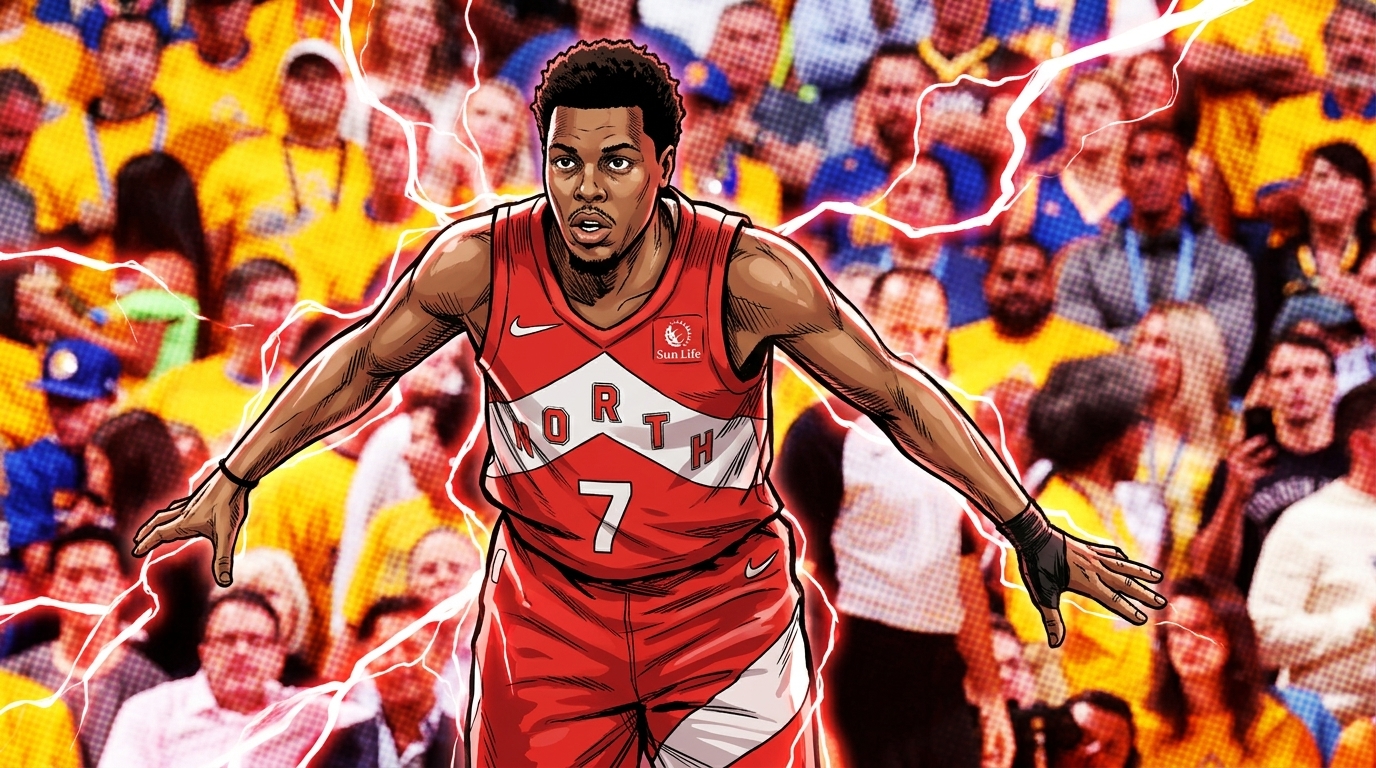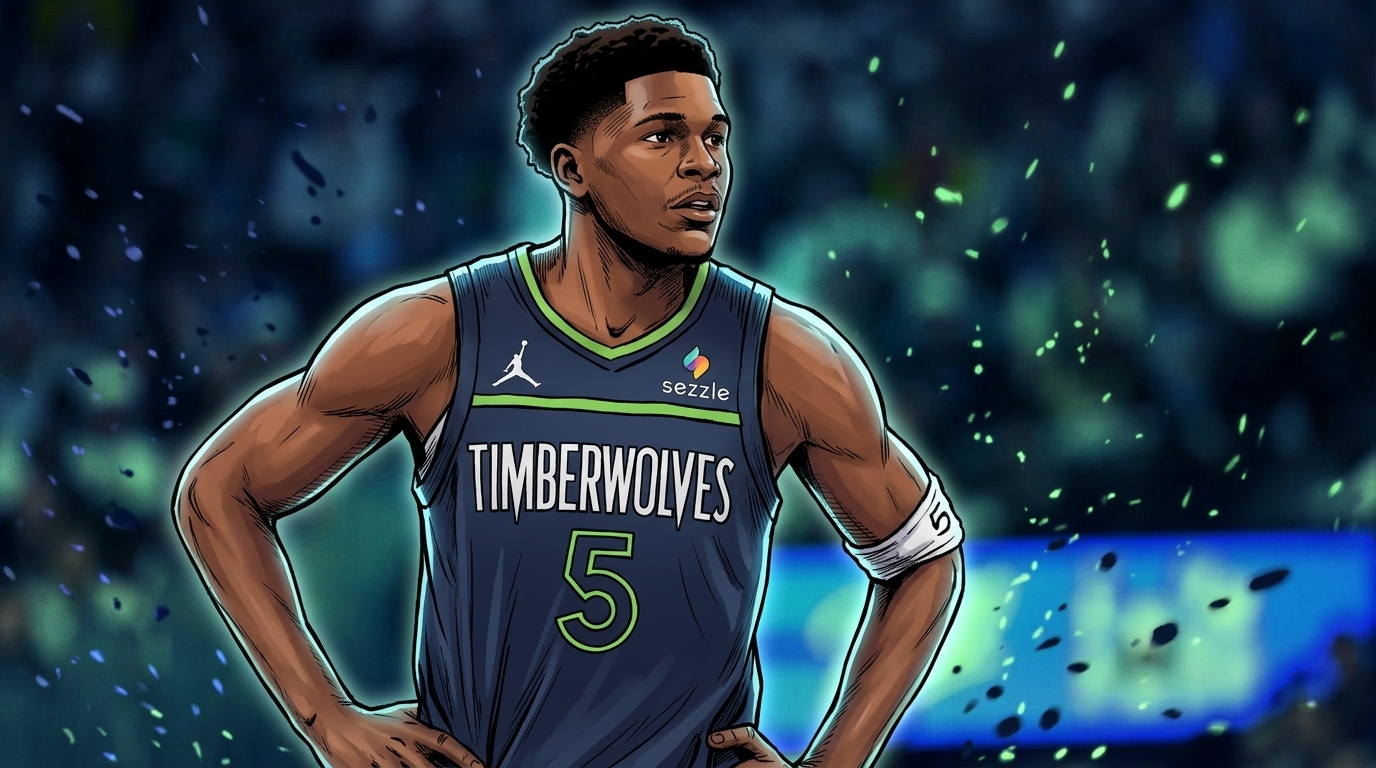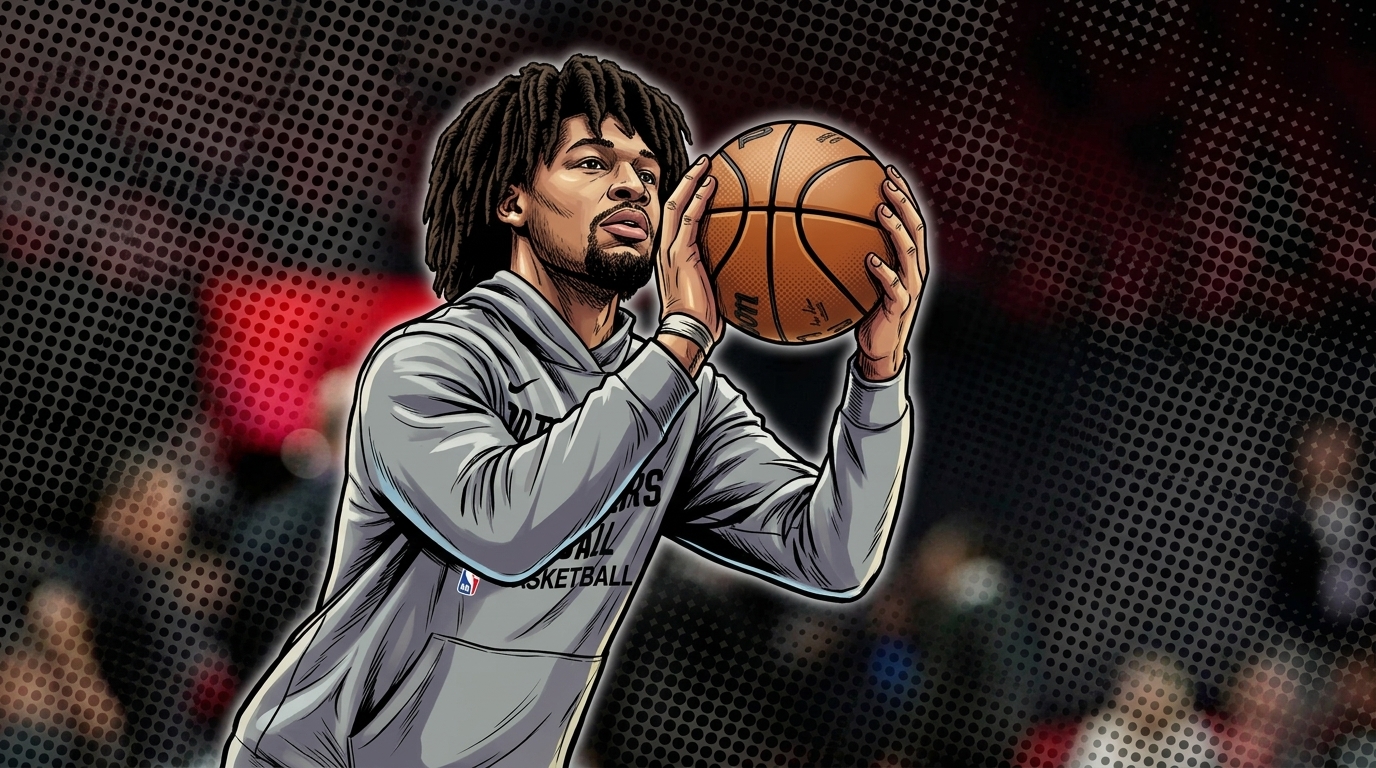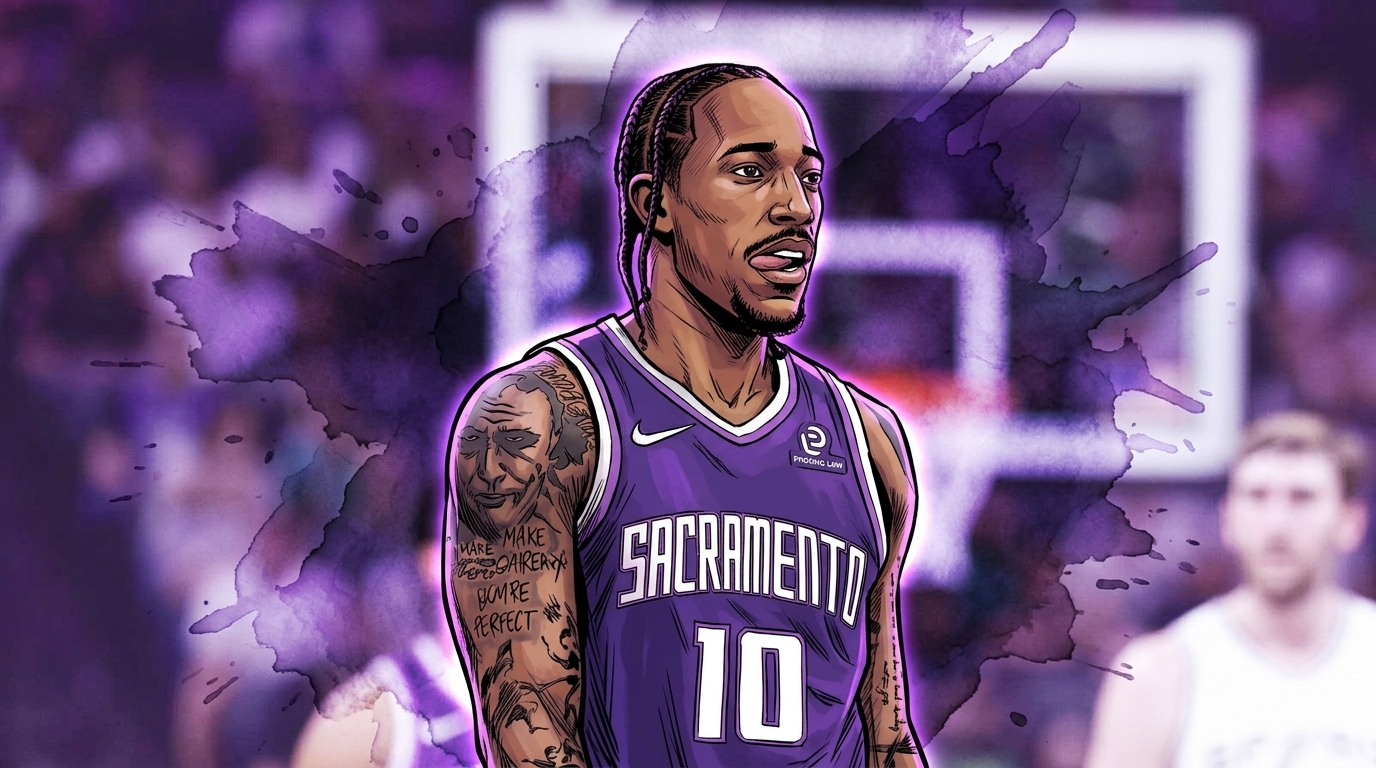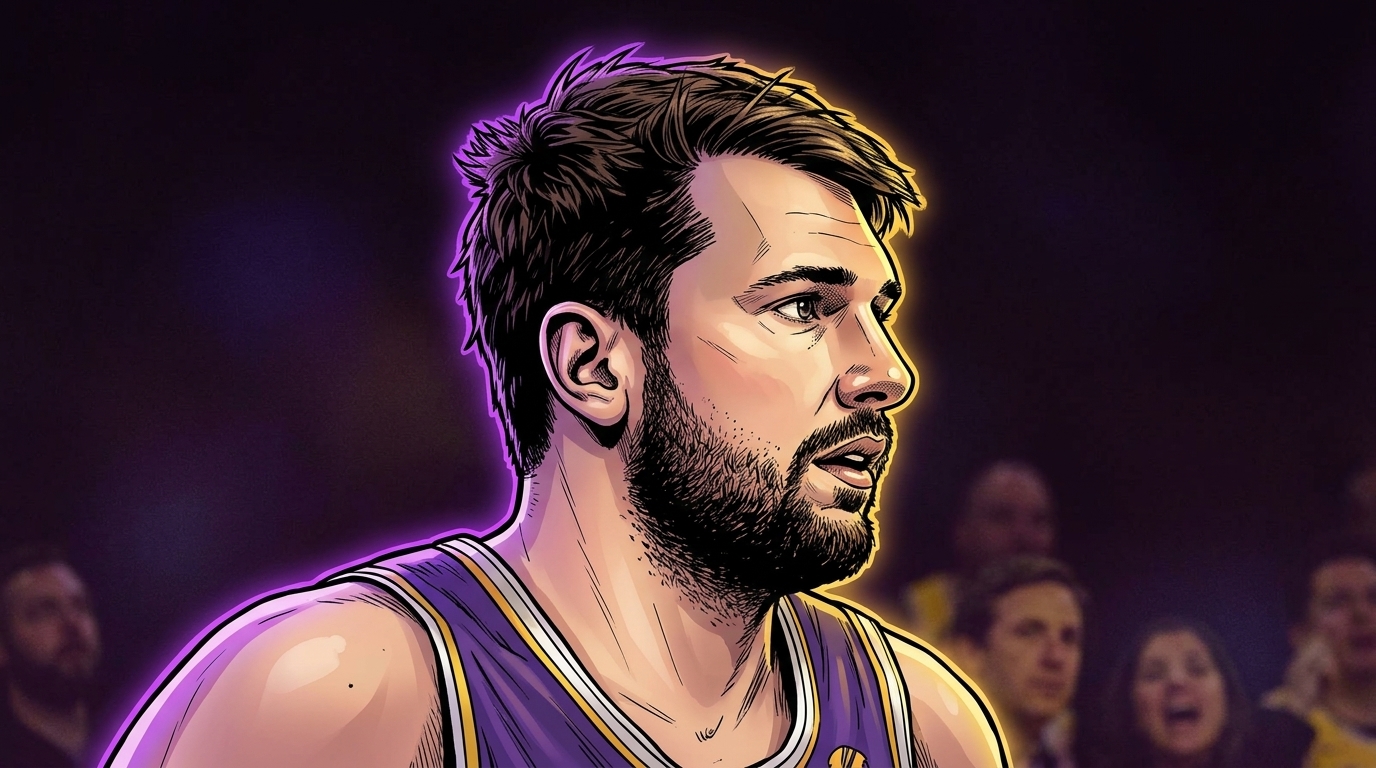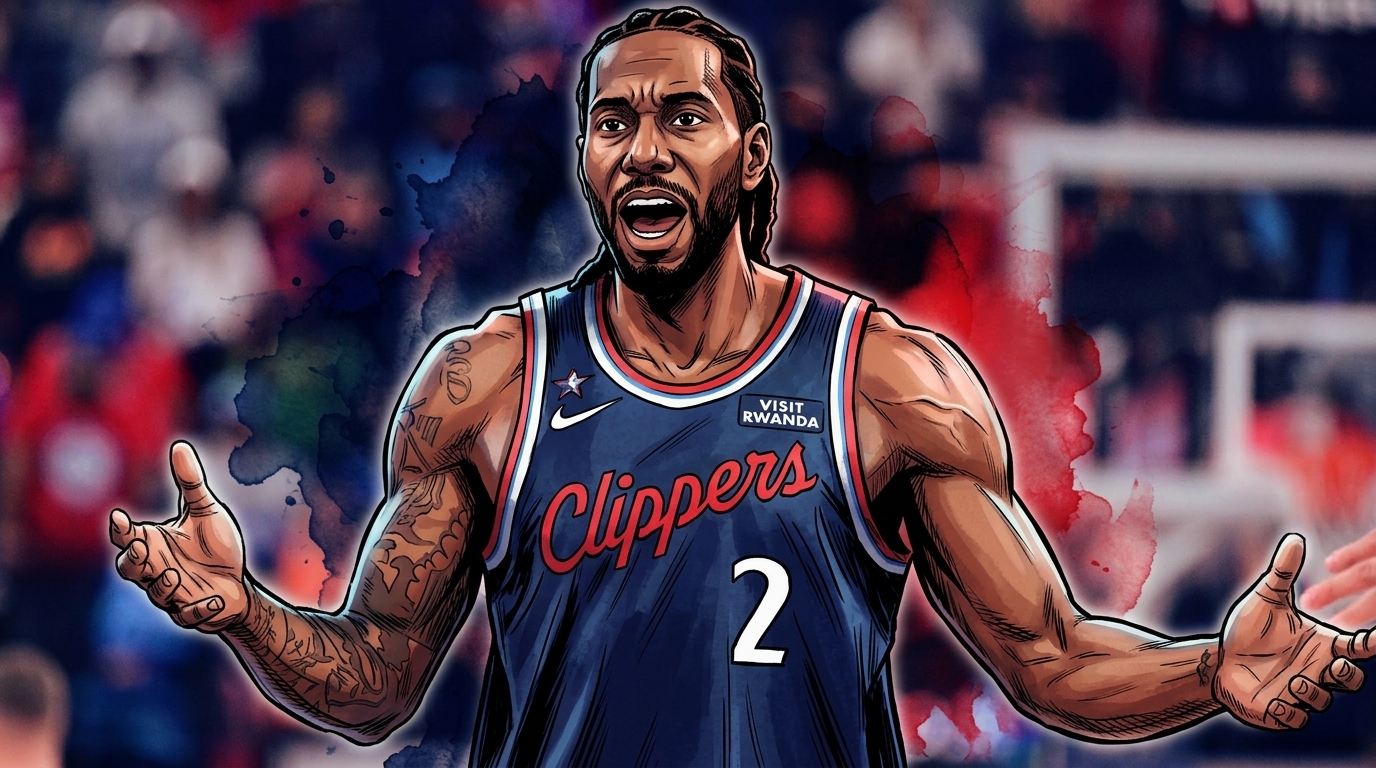
We’ve spent five weeks watching the NBA investigate a trade the league itself helped structure, and the update keeps landing in the same unsatisfying place: not yet. The Los Angeles Clippers and the Toronto Raptors agreed on June 30 to send Kawhi Leonard to Toronto for Brandon Ingram, Gradey Dick, two unprotected first-round picks, a first-round swap, and two second-rounders. That trade has not closed, and per ESPN, it cannot close until the league’s investigation into the Clippers wraps up. The holdup isn’t the players or the picks. It’s who has to eat the risk if the league finds something.
What Toronto actually gave up to get here was real: a proven scorer in Ingram, a young wing in Dick, two unprotected firsts, a swap, and two seconds, for a player whose own legal standing with his team was already unresolved when the ink went down five weeks ago. The Clippers’ condition, per ESPN, is that the deal “can only be finalized if the Raptors’ ownership group assumes the risk of penalties related to Kawhi’s contract that could theoretically result from the ongoing investigation.” Toronto looked at that language and passed. (Reasonable. You don’t sign up to inherit somebody else’s fraud exposure sight unseen.) Now both franchises are stuck in a version of limbo neither one picked: the Raptors can’t close a deal they still publicly want, and the Clippers can’t walk away from one they already agreed to.
The investigation itself is more specific than “cap circumvention” usually sounds. The league has spent roughly ten months examining a $28 million endorsement deal between Leonard and Aspiration, a fintech company that marketed itself as a green bank before it collapsed. CBS Sports laid out the core detail that makes the deal look bad: Leonard never appeared in a single Aspiration ad, an odd gap for a paid endorsement. Former Aspiration employees filed an SEC complaint describing the payment as an incentivized bonus designed to get around the salary cap. The company’s founder, Joe Sanberg, is now serving 14 years for wire fraud unrelated to Leonard, which tells you something about who Aspiration was as a business partner.
Clippers owner Steve Ballmer has acknowledged introducing Leonard to Aspiration in the first place (he says he didn’t arrange or know about the actual endorsement terms), and Yahoo Sports reported that the Clippers organization separately had its own $300 million, 23-year sponsorship agreement with the same company. Two threads, one bankrupt sponsor. The investigation opened last September, not long after NBA insider Pablo Torre first surfaced the Ballmer-Aspiration link, and the Clippers say they’ve cooperated fully in the ten months since: dozens of interviews, tens of thousands of documents. Shams Charania posted the team’s full statement directly:
https://twitter.com/ShamsCharania/status/2075293917118136739
(Ten months is a specific number to volunteer if the goal is getting people to stop asking questions.)
What happens if the Clippers are found guilty is the more interesting question, and it barely involves Toronto at all. If the league rules against Los Angeles, the punishment lands on the Clippers: Leonard’s contract voided, a suspension, the max penalty on the books running up to $7.5 million in fines, plus possible draft-pick forfeiture. None of that directly touches the Raptors. But Toronto is the team sitting with a stalled trade, a front office that can’t finalize its summer, and two players, Ingram and Dick, whose actual employer is now genuinely unclear. The Raptors didn’t create any of this. They’re just the only party in the deal with zero leverage to end it on their own terms.
Asking the acquiring team to assume risk isn’t neutral procedure — it’s the league quietly signaling that the exposure is real enough that somebody has to own it, and the NBA would rather that somebody not be the Clippers a second time. (Making the team already under investigation also warrant the outcome of its own trade would be asking the fox to notarize the henhouse count.) Toronto’s refusal isn’t stubbornness. It’s the correct read of a bad offer.
What would actually assuming that risk look like in practice? Presumably some form of indemnification: Raptors ownership formally agreeing, on paper, to eat future fines or a voided contract if the league eventually rules against Los Angeles. That isn’t a procedural formality. That’s underwriting somebody else’s compliance problem with real money and Kawhi Leonard’s ability to play basketball, based on the findings of outside counsel Toronto doesn’t control and can’t see. No ownership group signs that voluntarily.
The Raptors, for their part, have said they remain eager to bring Kawhi back and are waiting on “a swift resolution,” which reads like the diplomatic way of saying they still want this, just not on these terms. The timeline isn’t helping them. The NBA says it expects the outside-counsel review to wrap in the coming weeks, but the league still hasn’t said much publicly beyond that, and ESPN’s Baxter Holmes has reported the process could stretch into 2027 if the sides can’t agree on findings or a settlement. A trade agreed to on June 30 could plausibly still be unresolved on opening night of next season. Nobody in Toronto is building a roster plan around that.
Comparisons to the only prior cap-circumvention case the league has ever ruled on, the Timberwolves and Joe Smith back in 2000, have already made the rounds, and they deserve exactly one sentence here: that precedent is a weak structural match because Minnesota was the team that broke the rules and ate its own punishment, while Toronto would be the innocent third party inheriting exposure it had nothing to do with creating. That’s the whole comparison. It’s not this piece’s point, and I don’t think it should be anyone else’s either.
So where does this go from here? I think the trade eventually closes, just not on the current terms and not soon. Charania has already framed a voided contract or suspension as the “absolute worst” outcome, not the expected one, and both sides have kept saying publicly that they want this finished, the Clippers by cooperating fully, the Raptors by reaffirming interest even after rejecting this specific risk clause. The more likely path than a full collapse is a renegotiated condition: some form of indemnification, an adjusted package, or the league simply clearing the Clippers and removing the question entirely. What I don’t buy is a clean unwind back to the original rosters. Too much organizational will is already sunk into this on both sides for either team to walk away whole.
Watch two things from here. Whether the league actually hits its “coming weeks” target or slides toward Holmes’ 2027 scenario, and whether Toronto’s front office starts talking about Ingram and Dick as long-term pieces instead of trade collateral. The day that language shifts is the day you’ll know which way this is really breaking.