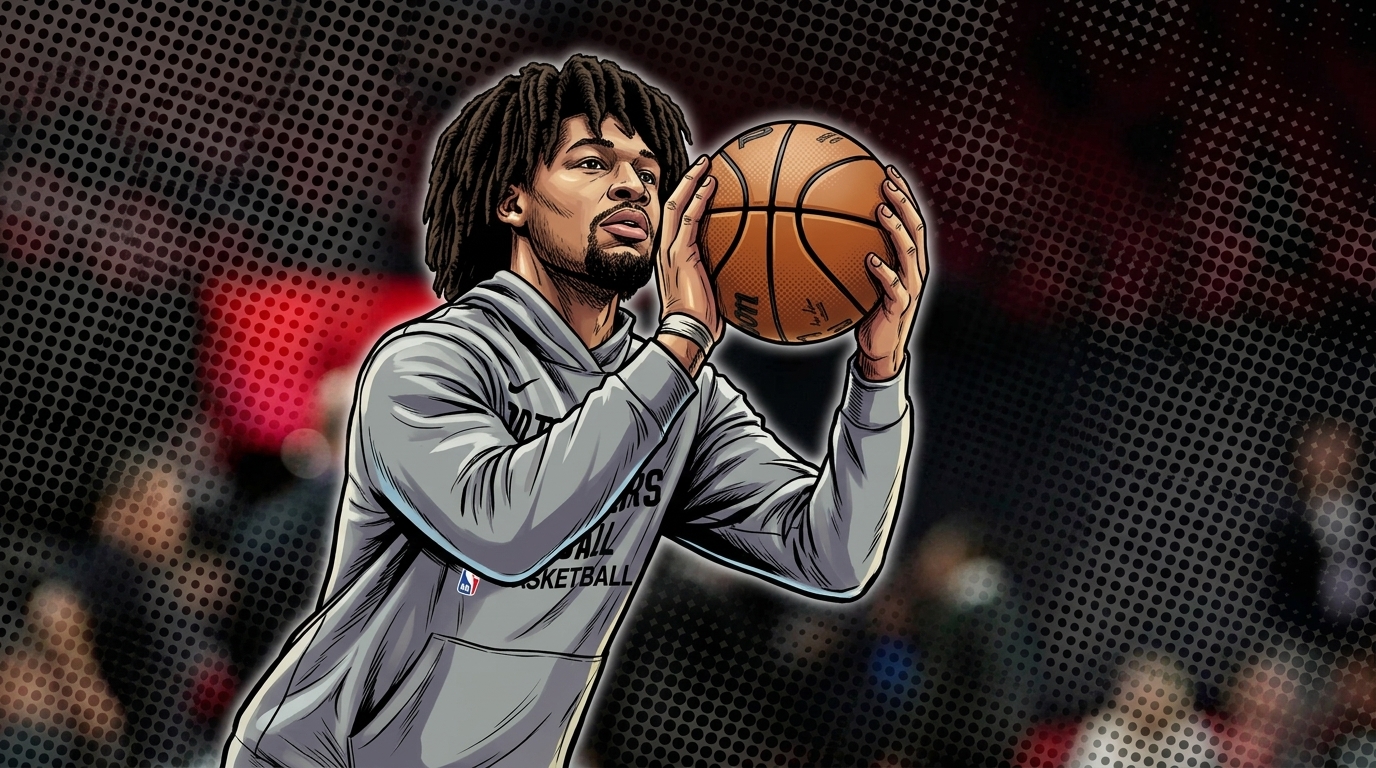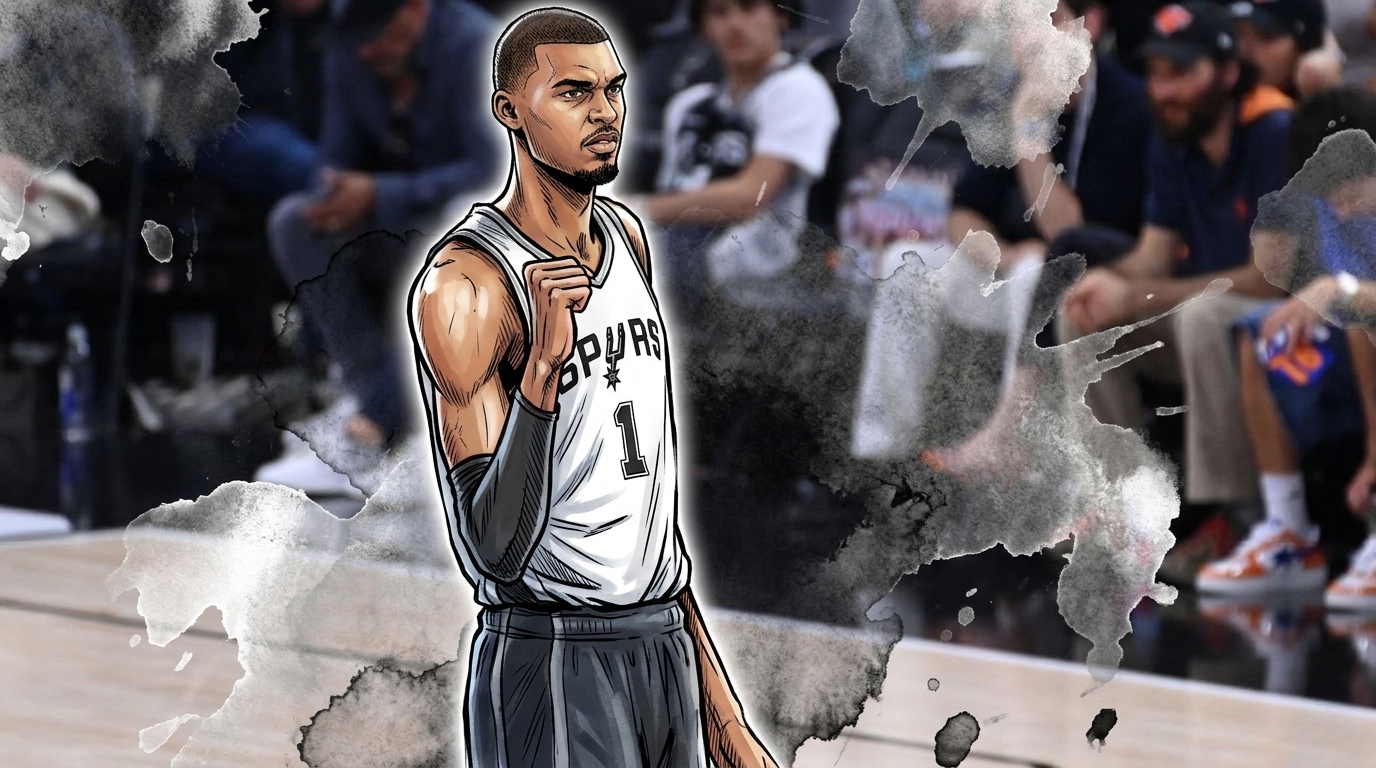

We’ve been watching fourteen days of franchise-level chaos unfold. Giannis traded east on the eve of the Draft, LaMelo Ball shipped to Minneapolis, Victor Wembanyama signing a five-year extension before any competitor could blink. What’s striking isn’t the volume of moves. It’s that nobody has actually sat down and drawn the map of where the Western Conference stands after all of it. So here it is.
Can Anyone Actually Chase the Spurs Right Now?
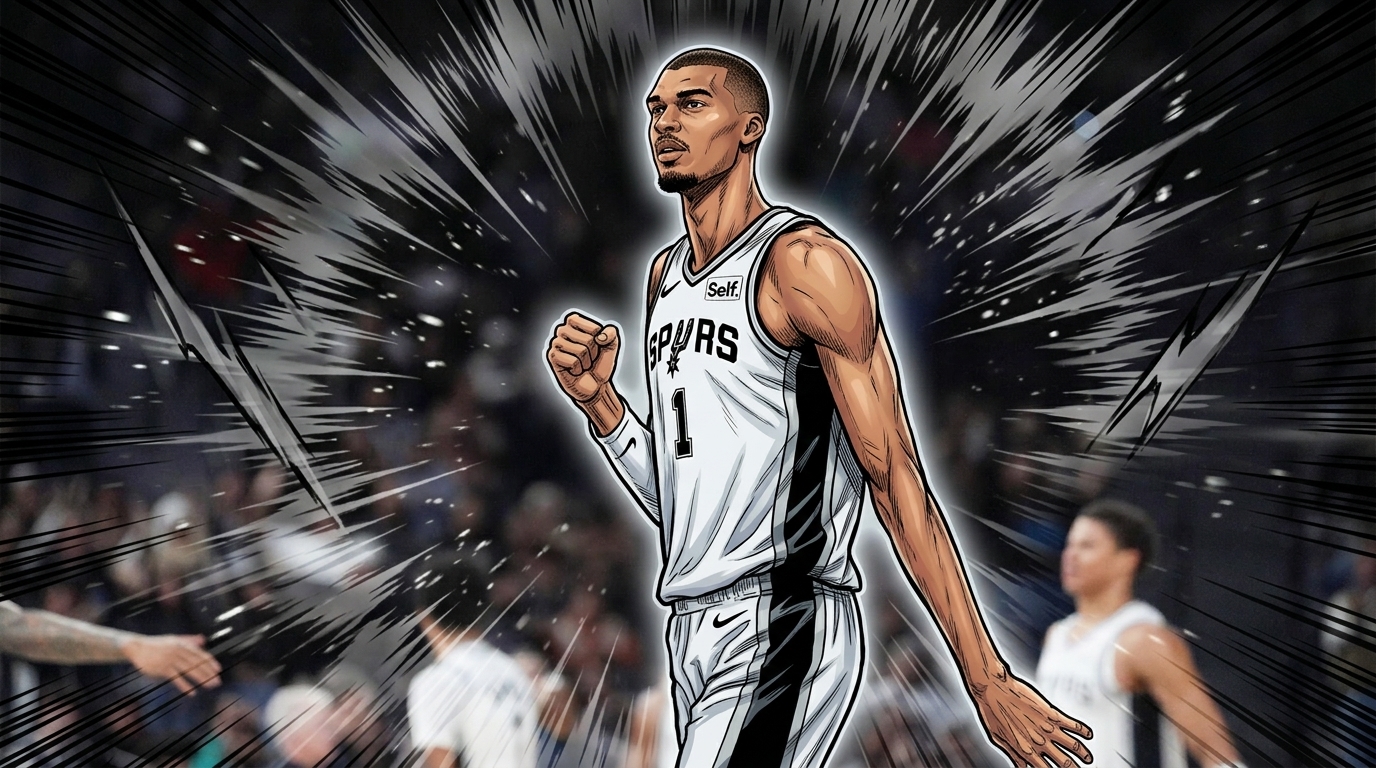
Short answer: not yet. The San Antonio Spurs won 62 games, knocked out Oklahoma City in seven, and fell to the Knicks in the Finals — meaning the only team that beat them was the eventual champion. Then Wembanyama signed a five-year, $252 million extension, and the real story wasn’t the number. It was what he left on the table.
Per Shams Charania, Wembanyama chose the 25% maximum rather than the 30% supermax he was eligible for — a decision that cost him roughly $51 million in guaranteed money. (Twenty-two years old, entering his fourth season, already declining fifty-one million dollars. This is not a player optimizing for his next contract. This is a player optimizing for rings.) The cap room that decision creates gives San Antonio the flexibility to build around him rather than wall him in.
https://x.com/ShamsCharania/status/2075712917098611093
https://x.com/ShamsCharania/status/2075713504276017655
The on-court case is already closed. Wembanyama won Defensive Player of the Year, made All-NBA First Team, led the league in blocks, and averaged 27.3 points and 10.9 rebounds through the Western Conference Finals. The only missing credential is a championship. Given that he just turned down a supermax to accelerate the timeline, I think the Spurs understand that too.
What Does Oklahoma City’s Glass Ceiling Look Like?
The Oklahoma City Thunder are the second-best team in the West, and that framing should make their front office deeply uncomfortable. A 64-18 regular season (best record in the NBA) produced a Game 7 loss in the Western Conference Finals, with Shai Gilgeous-Alexander dropping 35 points in a defeat.
That’s the paradox Oklahoma City has to sit with this summer. They had the best record in basketball and still couldn’t get past San Antonio. SGA and Chet Holmgren are both extended. The roster is genuinely excellent: one of the league’s most efficient offenses, a defense built on length and activity, a coach who has maximized every piece. And yet the payroll is pushing toward the second apron, which limits the team’s ability to add around the edges.
The ceiling question isn’t whether Oklahoma City is good. They’re excellent. The question is whether “excellent but not as good as Wembanyama” is a ceiling or a temporary condition. Given that Wemby is 22, I believe it is a ceiling, at least for the next two or three seasons.
Is the Timberwolves’ Ceiling as High as Their Floor Is Low?
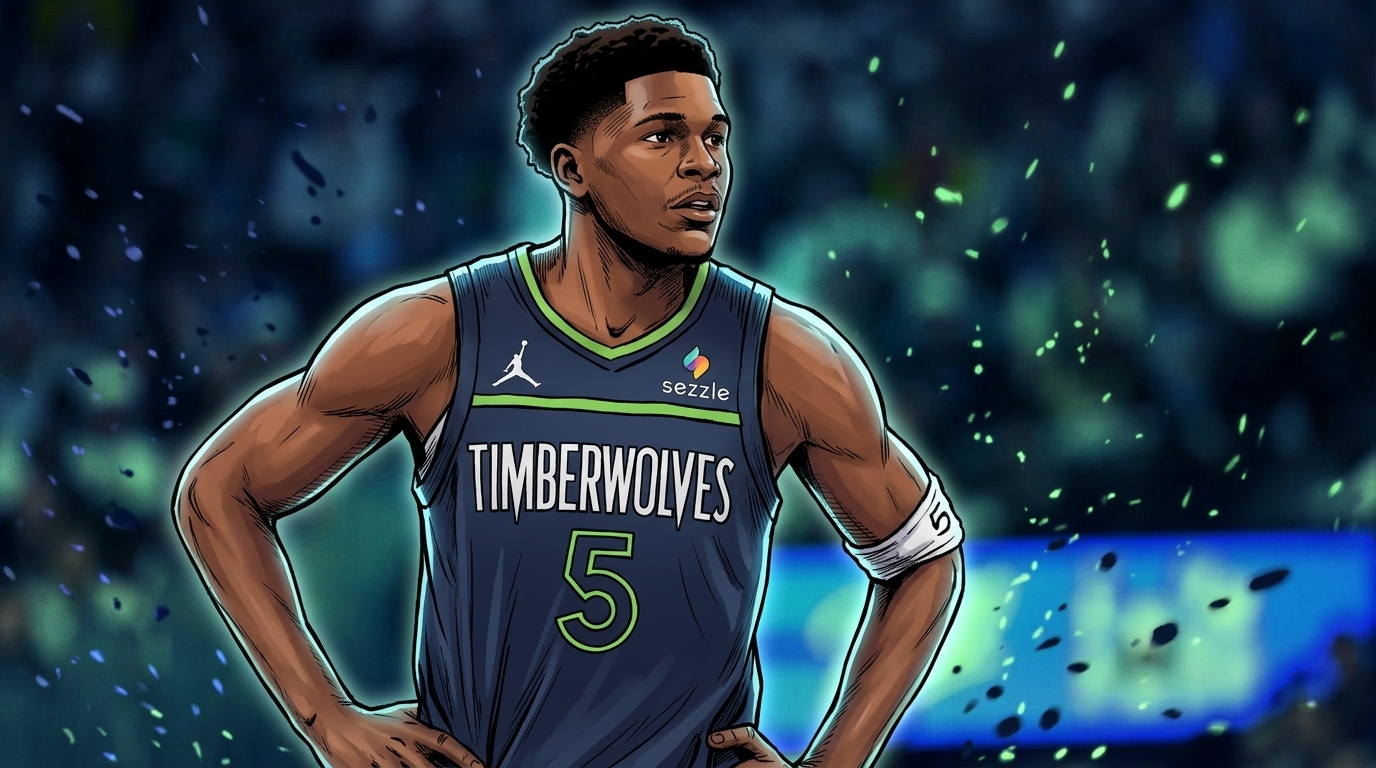
The Minnesota Timberwolves made the most electric offensive acquisition of the summer when they traded for LaMelo Ball, pairing him with Anthony Edwards in a backcourt that should produce points in large and spectacular quantities. The floor is 49 wins and a second-round exit, which is already where Minnesota finished last season. The ceiling is legitimately hard to project.
The Bleacher Report confirmed the trade structure: Naz Reid, a 2033 unprotected first-round pick, three pick swaps, and three second-rounders heading to Charlotte, per Chris Haynes. LaMelo arrives on the remaining years of his existing max deal at roughly $40.7 million per year.
https://x.com/BleacherReport/status/2070137572345421940
Here’s where I’ll grade honestly rather than generously: this is a B+ acquisition, not an A. LaMelo Ball and Anthony Edwards sharing a backcourt is a dream for anyone who watches basketball as entertainment. Whether it produces a defense capable of competing with San Antonio or Oklahoma City in a seven-game series is a different question entirely. (The Wolves went 49-33 last season and got bounced in the second round. LaMelo’s presence addresses one side of the roster. The other side is still a construction project.)
Does LeBron to Golden State Actually Change Anything?
The Golden State Warriors are pursuing LeBron James with the conviction of a franchise that knows Steph Curry’s championship window is narrow and closing. LeBron opted out of his Lakers deal and entered free agency with the Warriors and Cavaliers competing, the Cavs emerging as a slight frontrunner as of mid-July per reporting, though nothing close to resolved.
The honest version of this question: does LeBron at 41, on a team built around a 38-year-old Steph Curry and a Draymond Green who plays basketball like he’s trying to win an argument, become a championship contender or a very compelling television event? (These are not the same thing, though the Warriors have historically been good at making both feel true simultaneously.)
One ring is possible. That’s what this coalition is designed for: one title, a victory lap, a final chapter that means something. What it cannot become, regardless of how it unfolds, is a dynasty. And that distinction matters when you’re drawing the map.
The Hierarchy Is Already Set
The counterargument worth taking seriously: the Spurs just lost the Finals. Their core is young and still developing cohesion. Stephon Castle and Dylan Harper are growing into roles, and San Antonio’s championship window might be further out than the Wembanyama extension implies.
That’s fair. And yet — $51 million left on the table, a coach’s framework built for sustained contention, a 22-year-old DPOY entering his prime. The Spurs aren’t promising a championship next spring. They’re building something that compounds over time.
That’s the map. Spurs at the top, executing a long-term design nobody else in the conference is even pretending to copy. Oklahoma City right behind them, talented enough to win 64 games and still fall one round short. Minnesota in the third tier, suddenly fascinating and defensively unfinished. Golden State gambling on one more ring before the current era ends.
Every team in this tier is good. Only one of them is building like they expect to be here for a decade. And that team drafted their franchise player two years ago and just gave him a five-year extension, because the 22-year-old in San Antonio isn’t chasing one ring. He’s chasing ten.