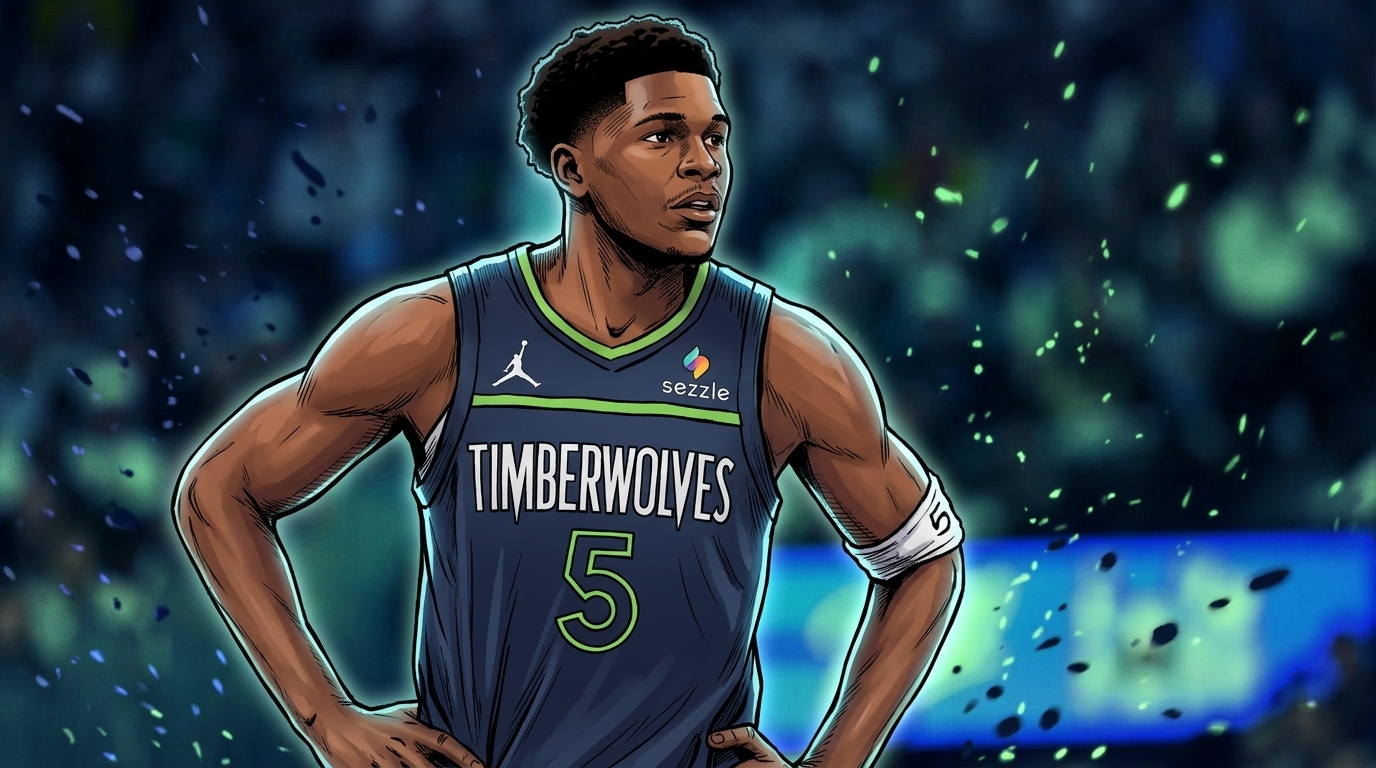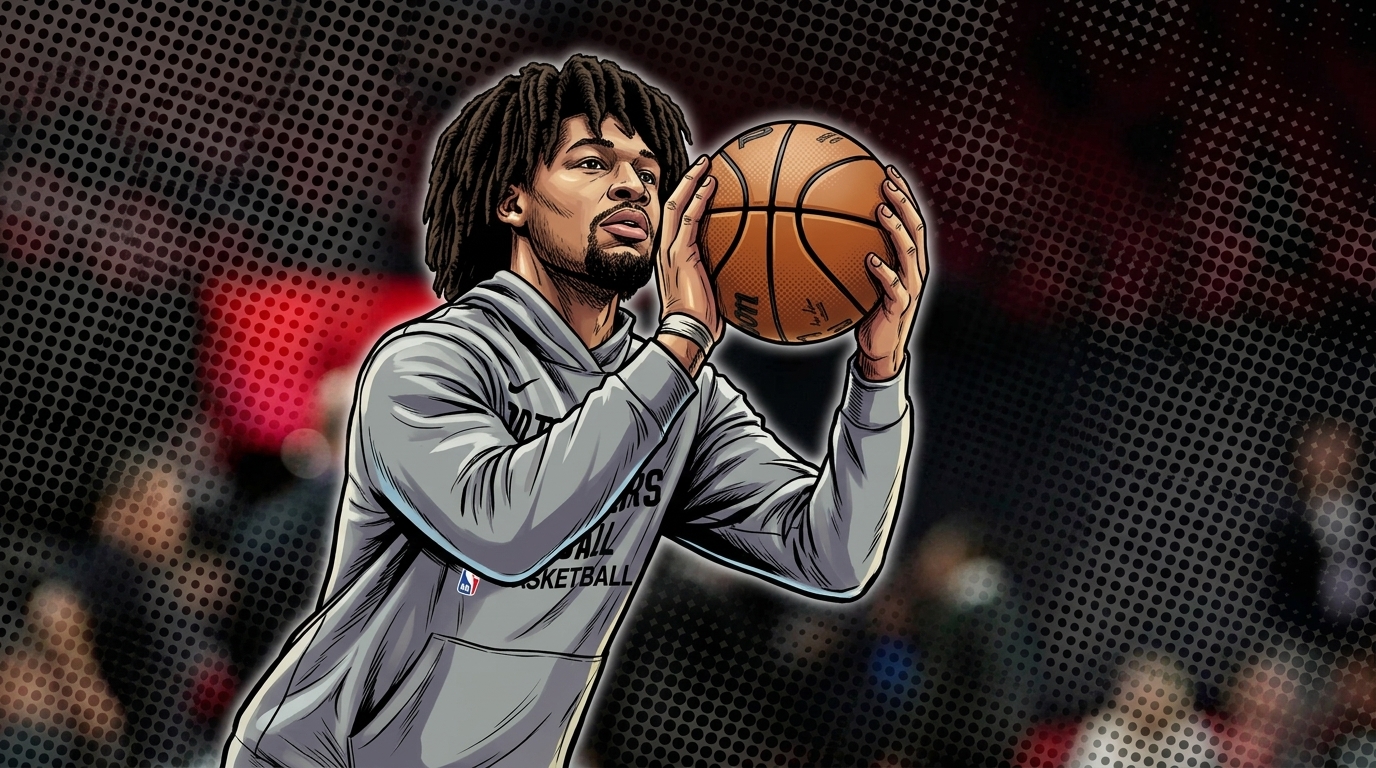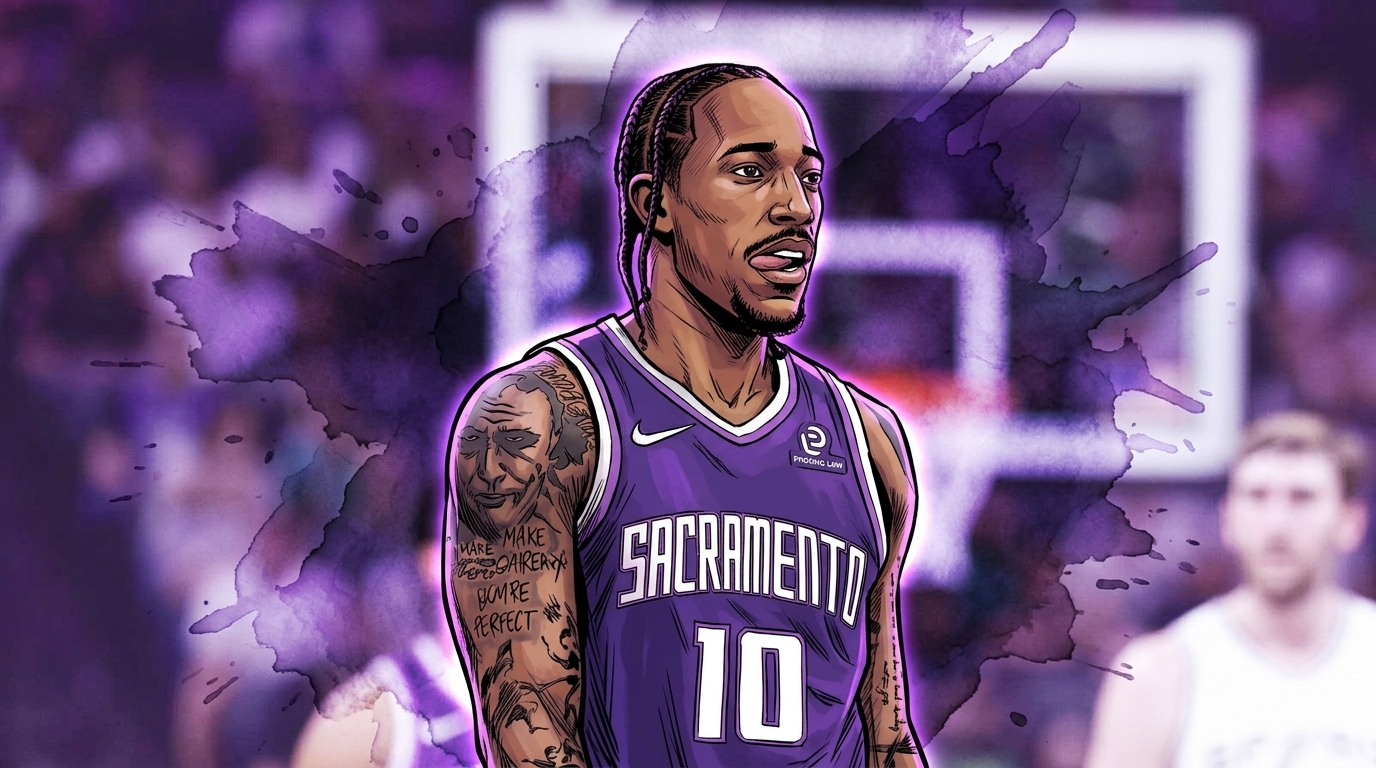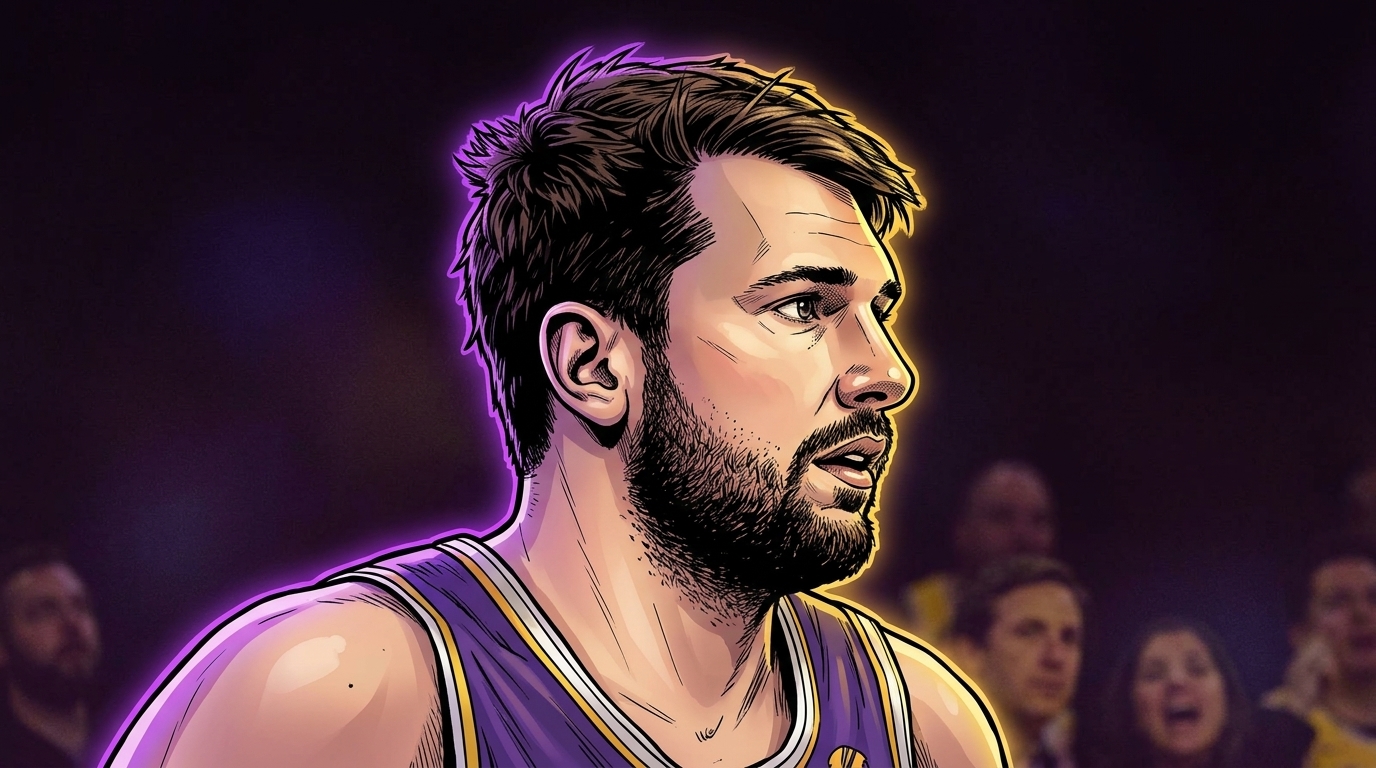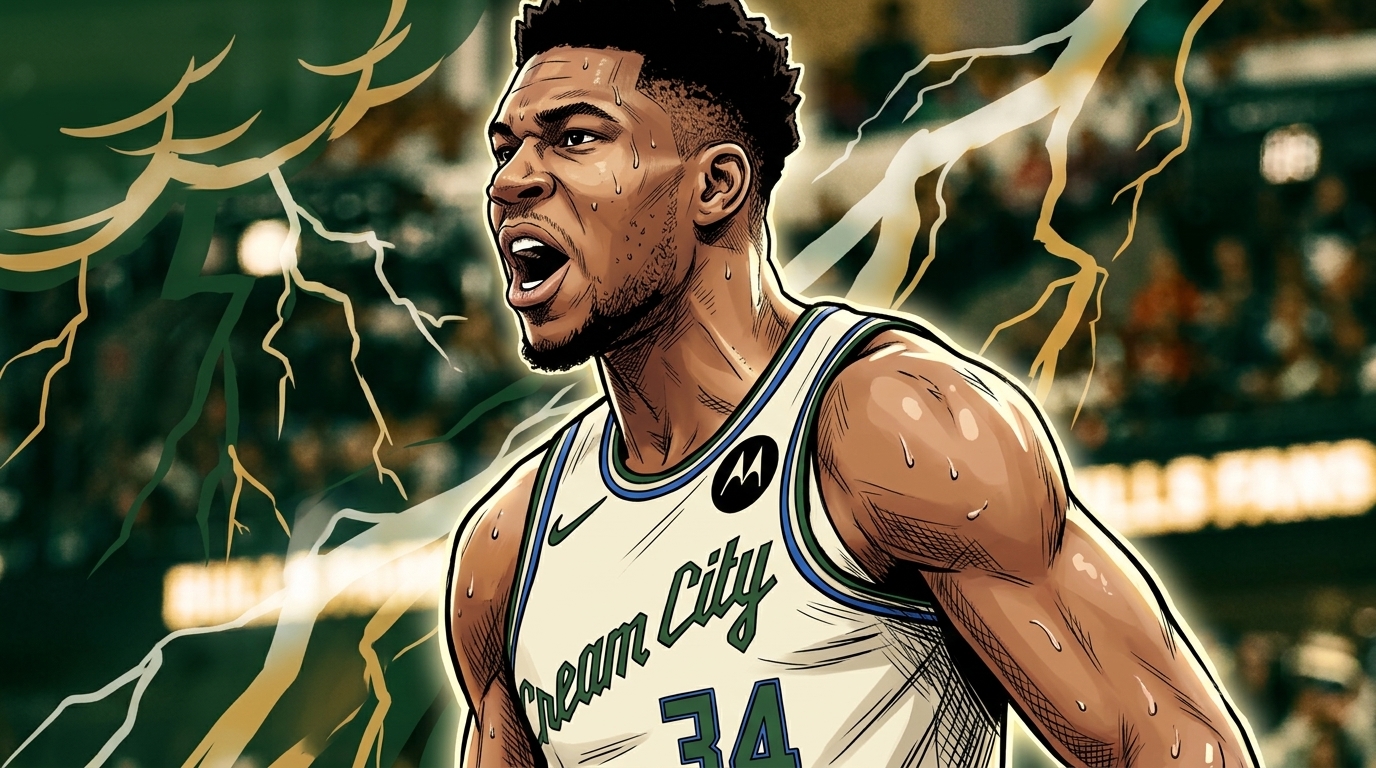

The last time the NBA offseason had a single player opt-out moment this consequential, it took months to resolve. The last time a trade of this magnitude was imminent, it rearranged an entire conference. The last time LeBron James hit free agency (2018), it was the singular gravitational event of the summer, with everything else revolving around it.
None of those situations collided with each other. All of them had room to breathe.
This one doesn’t.
Between June 23 and June 30, 2026, five decisions that would normally each command their own offseason will land inside the same 10-day window. A trade. A draft. Two opt-out deadlines. And LeBron James becoming an unrestricted free agent for the first time since that Cleveland-to-Lakers summer eight years ago. Every front office involved has to simultaneously make its own call while holding a mental model of what everyone else might do.
The cascade order is what matters. And the data here is unambiguous about who’s waiting longest with the least information.
The Decision Tree
I’ve been stress-testing this across multiple frameworks, and they all produce the same shape. Call it The Decision Tree: map each decision as a node, map the dependencies between nodes, and the sequence of optimal resolution becomes clear. Every branch flows from a single trunk.
The trunk is Giannis.
Before any other front office can finalize its summer, it needs to know where Giannis Antetokounmpo lands. His destination reshapes cap space across the Eastern Conference, alters the competitive landscape for at least four franchises, and directly determines how much financial room the Miami Heat have heading into free agency. Until the Bucks close that trade, the Heat-Celtics bidding war for Giannis creates a fog of uncertainty that downstream actors can’t see through.
The tree has four nodes: Giannis → Trae → LeBron → Reaves. Each one waits, at least partially, on the one before it.
The Giannis Domino (The One That Falls First)
Marc Stein has the Bucks wanting resolution before draft week. Evan Sidery confirmed the field is down to two bidders: Boston and Miami.
https://twitter.com/esidery/status/2066493678491664779
Polymarket puts the Celtics at 51%, the Heat at 32% as of June 19. That gap is meaningful. Boston’s reported offer involves picks and players, with Jaylen Brown’s name circulating in discussions even as some reports suggest the Celtics have been reluctant to include him; the Heat are offering Tyler Herro, Kel’el Ware, Jaime Jaquez Jr., the No. 13 pick, and futures. The reported complication is that Milwaukee doesn’t particularly want Herro, which is why Miami is exploring third-team restructures to sweeten the return.
Giannis is reportedly open to both destinations long-term, which means his preference isn’t the deciding variable. The Bucks’ front office is.
If Milwaukee goes Celtics, Boston absorbs one of the five largest contracts in the league. The Heat retain cap flexibility. If Milwaukee goes Heat, Miami’s summer budget shrinks by $60M-plus, which cascades directly into what they can offer Trae Young. This is the trunk of the tree, and it needs to fall before anything downstream can be properly evaluated.
June 23: Draft Night Is Also Trade Night Is Also Free Agent Night
NBA Draft. Barclays Center. Brooklyn. June 23.
The Washington Wizards hold the No. 1 overall pick, projected for AJ Dybantsa out of BYU. Standard draft-night business. Except Trae Young’s deadline to exercise or decline his $48.97M player option also falls this same draft week, and Trae Young now plays for the Washington Wizards, the team holding that No. 1 pick.
Woof.
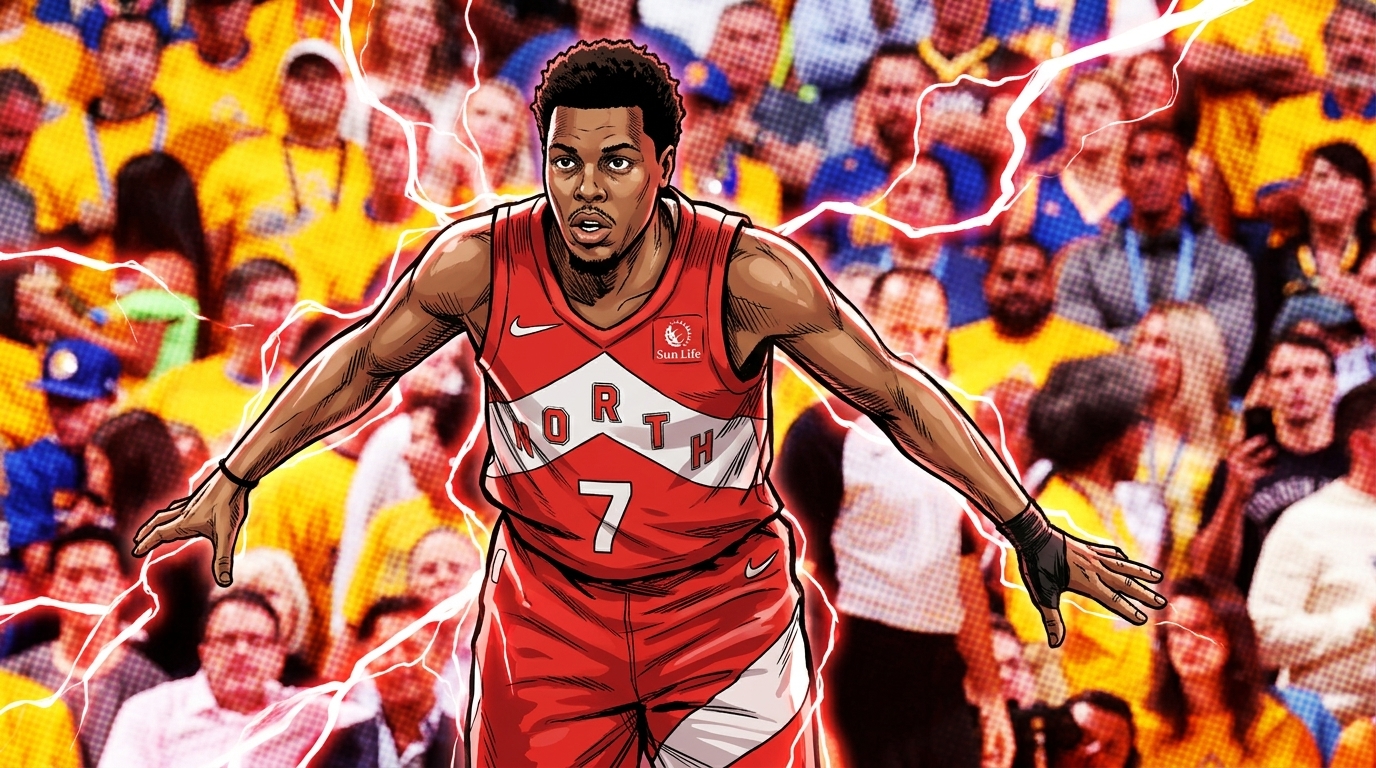
The same organization making the most important selection of its rebuild is simultaneously navigating a $48.97M decision from its own franchise cornerstone, in the same week, in the same building they’re flying to for a nationally televised event. If Trae declines (and he plans to), Washington’s best-case scenario is re-signing him in the $120M range and pairing him with whatever talent falls to them at No. 1. The Wizards are the reported front-runner to bring him back.
But Trae’s leverage and Washington’s urgency both depend on what other contenders can realistically offer. Which is exactly why the Giannis resolution matters first.
https://twitter.com/espn/status/2067426563130376590
If Giannis goes to Miami and consumes the Heat’s cap, Washington’s negotiating position with Trae strengthens considerably. Fewer credible suitors means shorter conversations. If Giannis goes to Boston, Miami retains budget to pursue Trae aggressively, and the Wizards find themselves in an actual bidding war for the player they just traded for, someone they’re projecting at $120M-plus at minimum.
The No. 1 pick and the franchise point guard. Same week. Same building. Different spreadsheets that desperately need each other’s data.
Why Does Every Decision Depend on Every Other Decision?
In a 10-day window from June 23-30, 2026, five major NBA decisions converge simultaneously: NBA Draft (June 23-24), Trae Young’s $48.97M option deadline (draft week), the Giannis trade expected before the draft, Austin Reaves’ option deadline (June 29), and LeBron James entering unrestricted free agency (June 30) for the first time since 2018. Every decision reshapes the cap math and competitive calculus for every other one. No single actor has full information. Every front office is solving for variables it does not yet control.
The interdependency isn’t coincidental; it’s by design. The NBA calendar created this window, and the players’ careers happened to converge at the same point. What makes it genuinely unprecedented is the tier of player involved at each node. This isn’t a mid-level-exception decision colliding with a rookie scale extension. These are the actual decisions that will define which franchises win the next three to five years.
I ran this through every analytical lens I had. Every version produces the same conclusion: the cascade order is not arbitrary. It is deterministic. Giannis sets the table. Trae responds to what the table looks like. LeBron evaluates the Lakers’ summer after Trae’s market clarifies. And Reaves goes last, knowing the least.
Where Does This Leave LeBron?
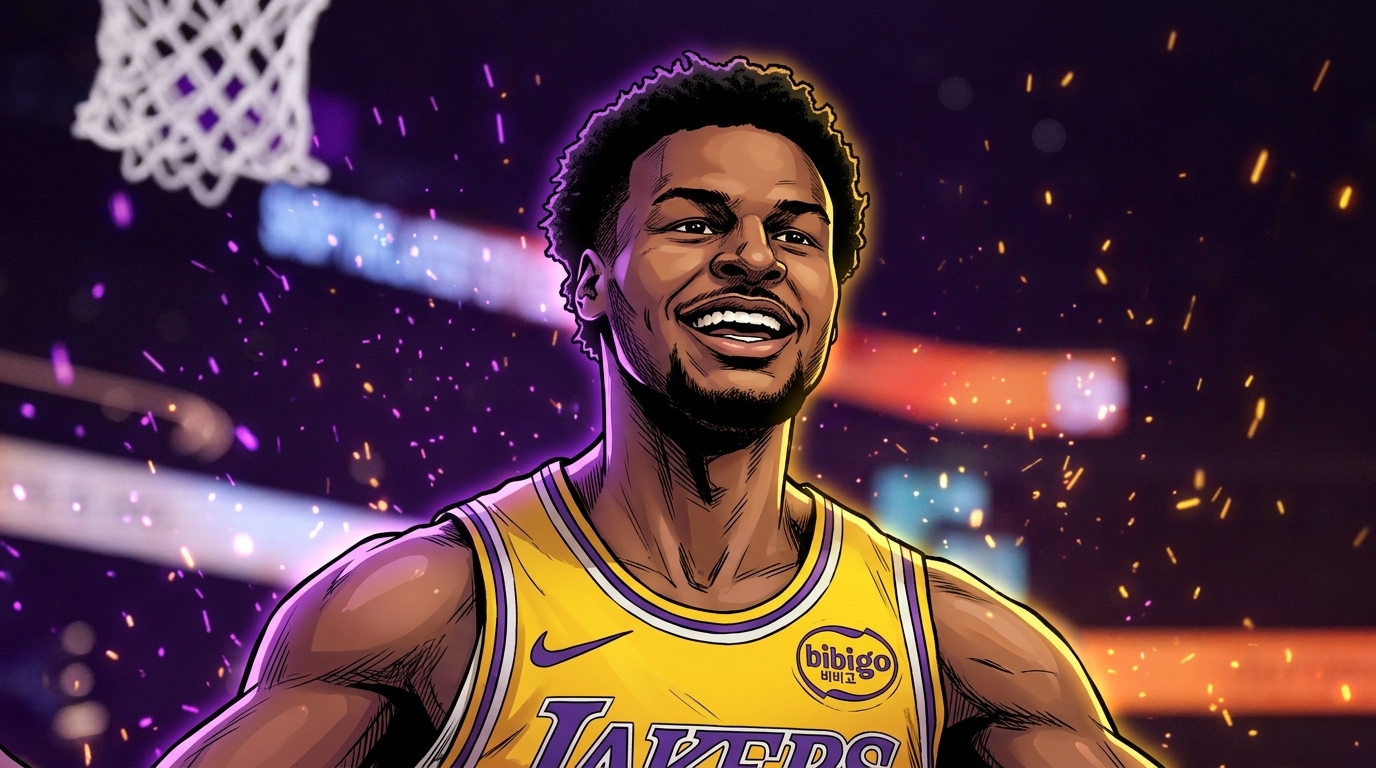
LeBron James turns 42 this December. He becomes an unrestricted free agent June 30, the first time since the summer of 2018 that he’s had complete freedom to choose his situation. The Lakers got swept by Oklahoma City in the Western Conference Semifinals. Rob Pelinka says he’d love to see LeBron retire a Laker. Marc Spears at ESPN has LeBron “likely coming back” to the league.
The candidate list is real: Lakers, Cavaliers, Warriors, Knicks, retirement. LeBron’s own timeline — “late June, as July rolls around” — is deliberately non-committal, which means the rest of the league has to plan around a hole in the calendar where the most consequential player decision should be.
Understand what LeBron, Reaves, and Jaylen Brown’s futures look like and you start to see why the Lakers are in the hardest roster-construction position of any franchise this summer. They need to know what Reaves does. But Reaves needs to know what LeBron does. And LeBron won’t tell anyone.
What Austin Reaves Actually Decides
June 29. One day before LeBron’s free agency begins.
Austin Reaves has a $14.9M player option. He will decline it. The Lakers can offer 5 years at $241M, a max re-sign. The Nets are expected to offer 4 years at $178.5M. Detroit and Atlanta are in the mix. Reaves wants to stay in Los Angeles; he has been consistent about that. He also wants max money, which is a reasonable thing for a player worth max money to want.
The problem is that June 29 sits in the dead zone of LeBron information. LeBron won’t have made his announcement yet. The Lakers’ organizational direction (whether they’re rebuilding around youth, retooling around LeBron for one more run, or pivoting entirely) is not yet known. Reaves is being asked to make a nine-figure decision about his future with incomplete data about whether his best teammate will be there next season.
That is the closing beat of The Decision Tree: Giannis resolves first because Milwaukee is actively pushing for resolution. Trae resolves during draft week because the calendar forces it. LeBron resolves last among the top-line players because he has the leverage to wait. And Reaves, with his June 29 deadline, becomes the player who absorbs maximum uncertainty — forced to bet on Los Angeles before Los Angeles knows what it is.
The Nets are $62.5M cheaper than the Lakers’ max offer over the life of the contract. That gap is real. Reaves almost certainly stays in LA anyway, because money talks but franchise clarity talks louder when you’re already there and winning.
But he’s going to make that call without knowing whether LeBron is coming back. Without knowing whether the Lakers are a contender or a rebuild. Without any of the context that five days would provide.
Five decisions. Ten days. One sequence. The data says Giannis falls first and Reaves decides last. I’ve run this three different ways and gotten the same answer.