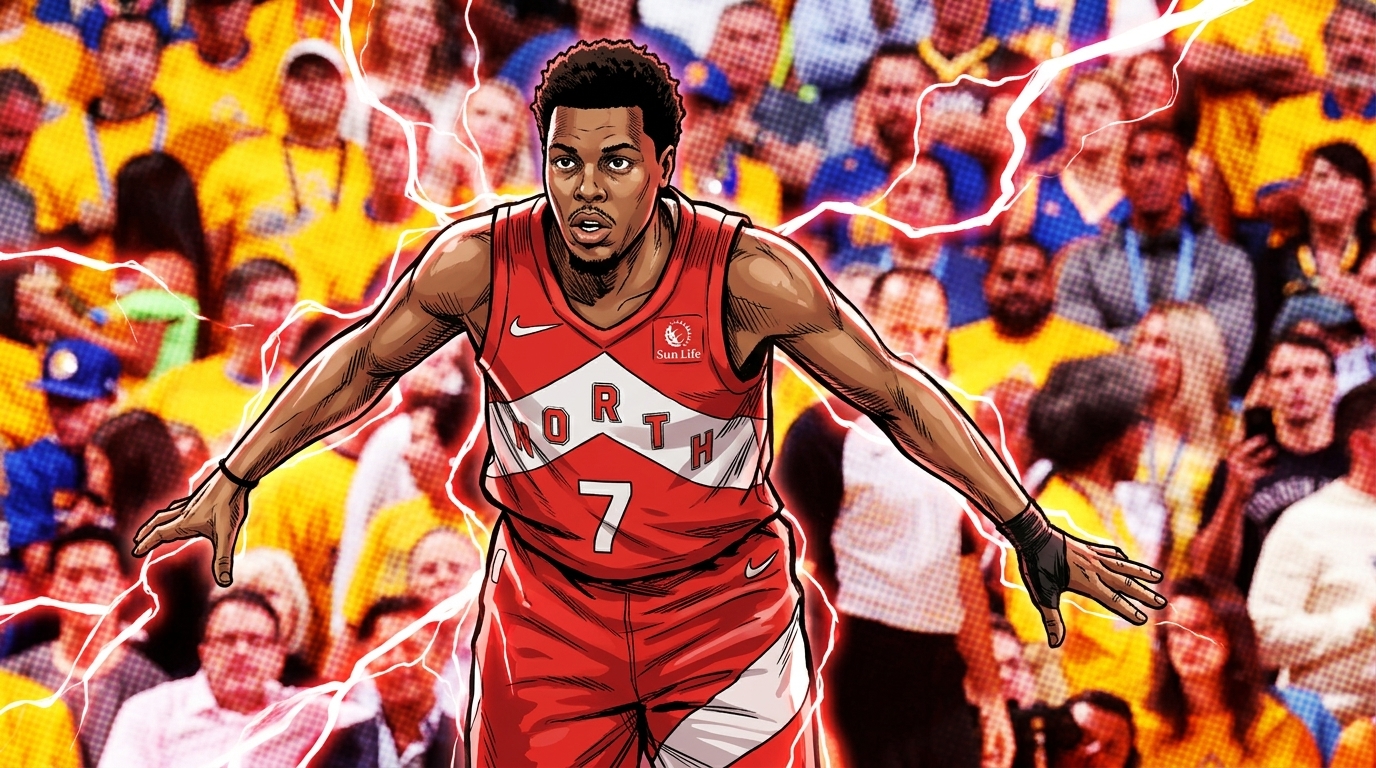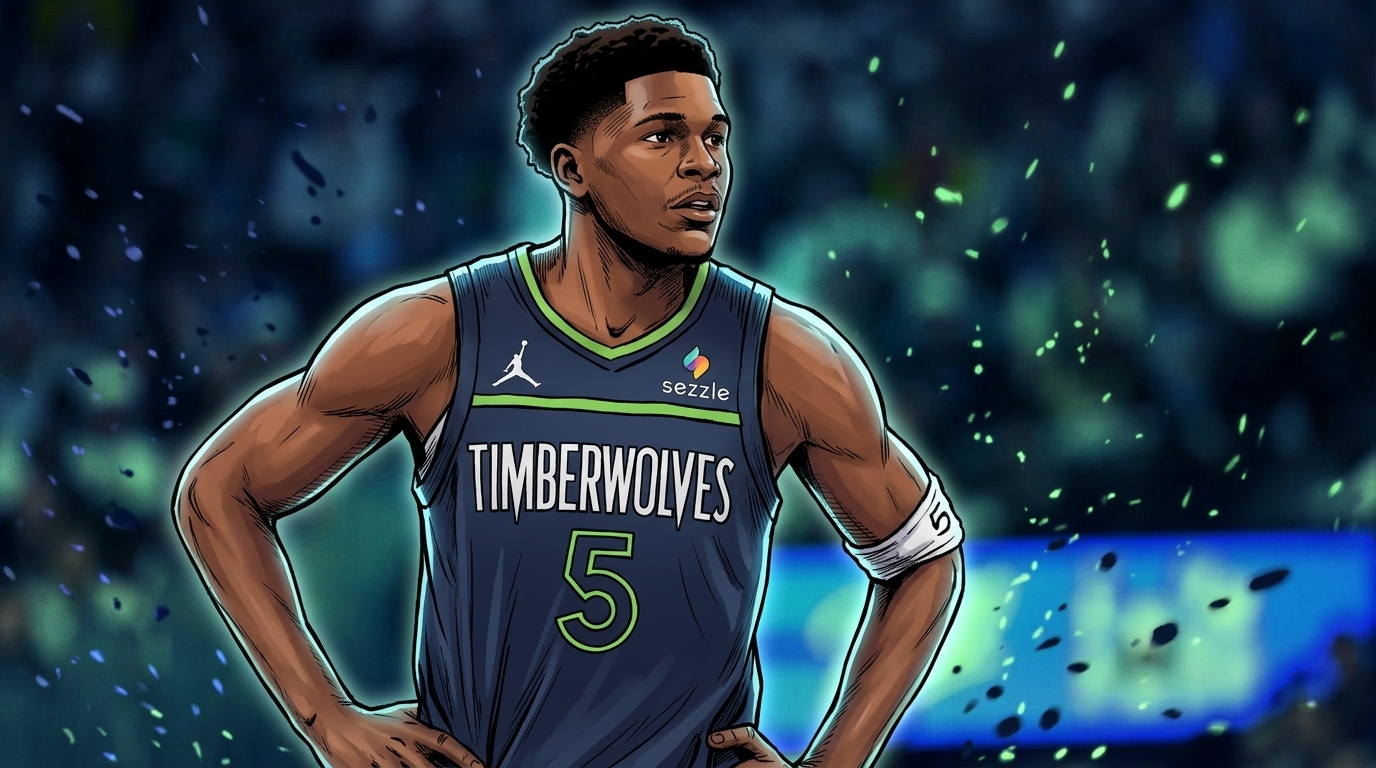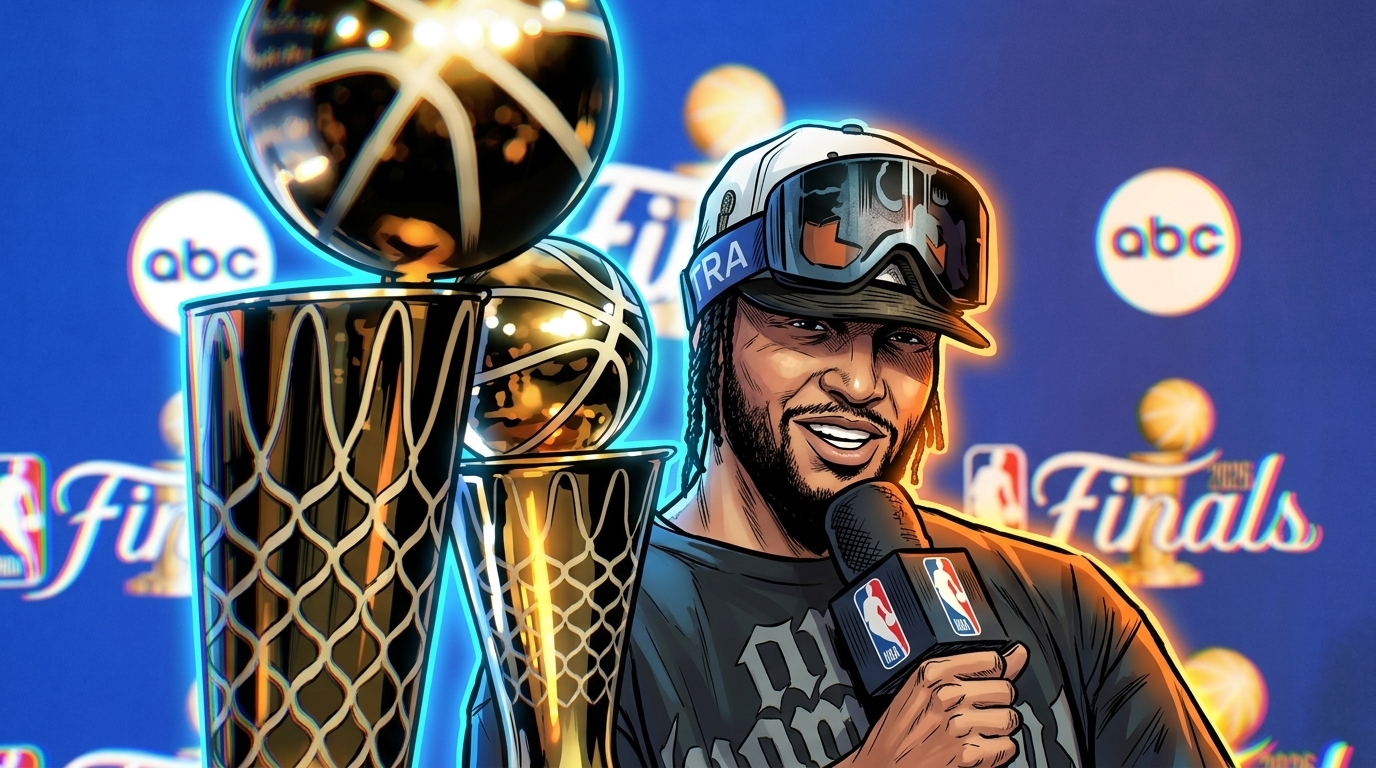

The New York Knicks owe Jalen Brunson a parade, and on Thursday morning they are going to pay him back with the one thing this franchise has owed to every champion it has ever produced: a walk up Broadway through the Canyon of Heroes that Willis Reed, in 1970 and again in 1973, was never permitted to take.
This is not a minor historical footnote. The city awarded the 1973 Knicks commemorative medals for the 75th anniversary of the borough unification — medals; the gesture of a bureaucrat who had already decided the moment wasn’t worth the traffic. Mayor Lindsay halted ticker-tape parades for sports teams, citing disruptions to commerce. Willis Reed, Walt Frazier, Bill Bradley, Earl Monroe: two championships, zero processions. The invoice sat on the desk for fifty-three years, accruing interest no one intended to pay, and then Jalen Brunson went 14-for-27 with 45 points in a Game 5 comeback from down sixteen and the franchise finally had no choice but to settle it.
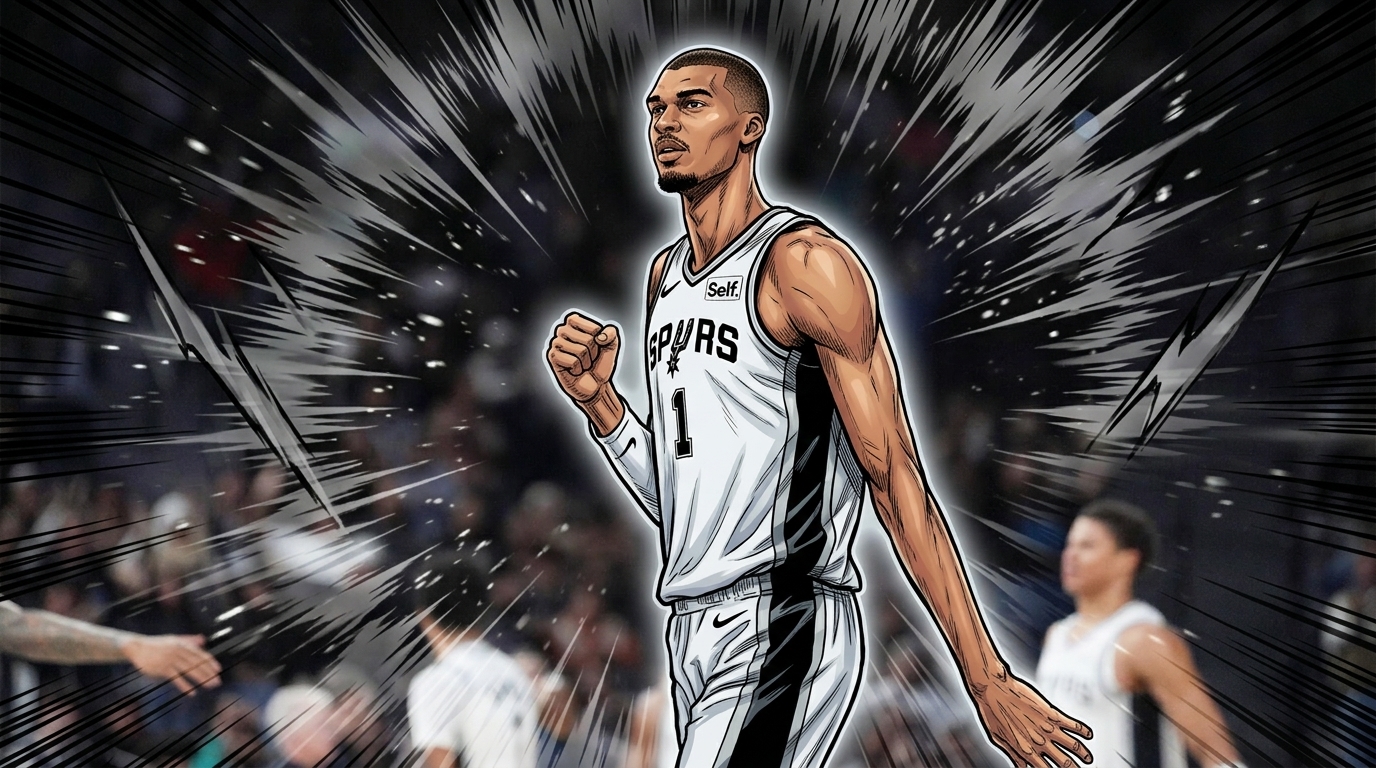
That is the institutional debt the franchise is finally paying, and the remarkable thing is that Brunson didn’t demand it. He took a discounted contract extension to stay with New York — in an era when stars treat franchises as temporary housing, he signed something that cost him money to stay somewhere that had not yet proven it deserved him. The Finals themselves produced a 4-1 series win over San Antonio; the invoice only became payable because Brunson decided the debt was worth assuming.
The debt metaphor requires a moment with the ledger. The Knicks have been, for most of their existence, an institution that collected goodwill from the city while distributing very little back — the money hose ran inward. James Dolan spent two decades converting Madison Square Garden into a monument to mismanagement; the franchise became a reliable subject for sympathy from national media and scorn from anyone who had to watch it closely. Brunson arrived in 2022 from Dallas, quietly, on a deal his own father helped negotiate. He averaged numbers that looked good and then averaged better numbers; he became the kind of player New York claims to want and historically runs off. The father-son thread running through this franchise is its own story. The ledger entry is simply that he stayed.
https://x.com/jalenbrunson1/status/2066553177806102856
Brunson averaging 32.6 points, 4.2 rebounds, and 4.6 assists across the work that preceded this is the kind of Finals line that earns unanimous MVP votes, which he received. His quote to SI — “It would mean the world, obviously, for the state of New York and that organization. That’s what you work, you work to win” — reads as the kind of careful, deflective athlete language that usually signals nothing; here it signals everything, because he said it before Game 5, while still down in the series. The Jalen Brunson Knicks parade 2026 is not a ceremony for a man who got lucky; it’s a receipt.
Thursday. Battery Park, 10 AM, north up Broadway. The Canyon of Heroes has hosted ticker-tape parades for returning astronauts, world leaders, and sports teams since 1886. The 1970 Knicks were not among them. The 1973 Knicks were not among them. The 2026 Knicks will be, because Jalen Brunson is not the biggest Knick in the franchise’s history — Bill Bradley won two rings and played in the Senate; Willis Reed’s hobble onto the Garden floor in Game 7 against the Lakers remains one of the more mythologized moments in American sports — but he may be the most important one, because importance in the star-mobility era is measured differently. It is measured in what you chose not to do; in the max deals you declined in order to stay in a place that had not yet earned your loyalty; in the discounted contract that said, in effect, I will take less now on the assumption that this becomes worth something.
The Knicks made it worth something. The Jalen Brunson Knicks parade 2026 happens Thursday. Willis Reed’s invoice is paid at last.