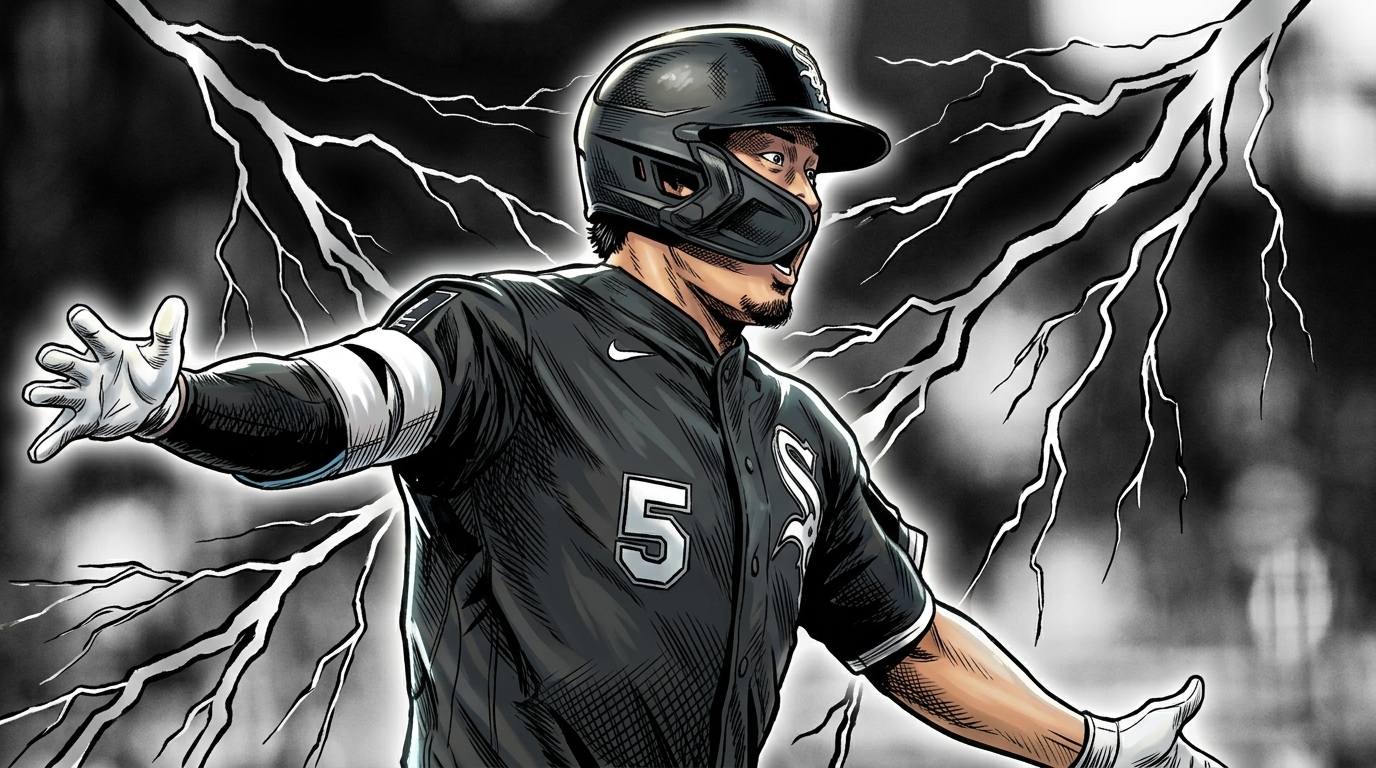

I cannot believe we are still doing this. Not just the White Sox specifically — although God knows they’ve earned a special category of suffering — but baseball itself, the sport and its institutions, its relentless commitment to finding the exact moment when something beautiful is happening and then removing it with precision, like a surgeon who only operates on things you love.
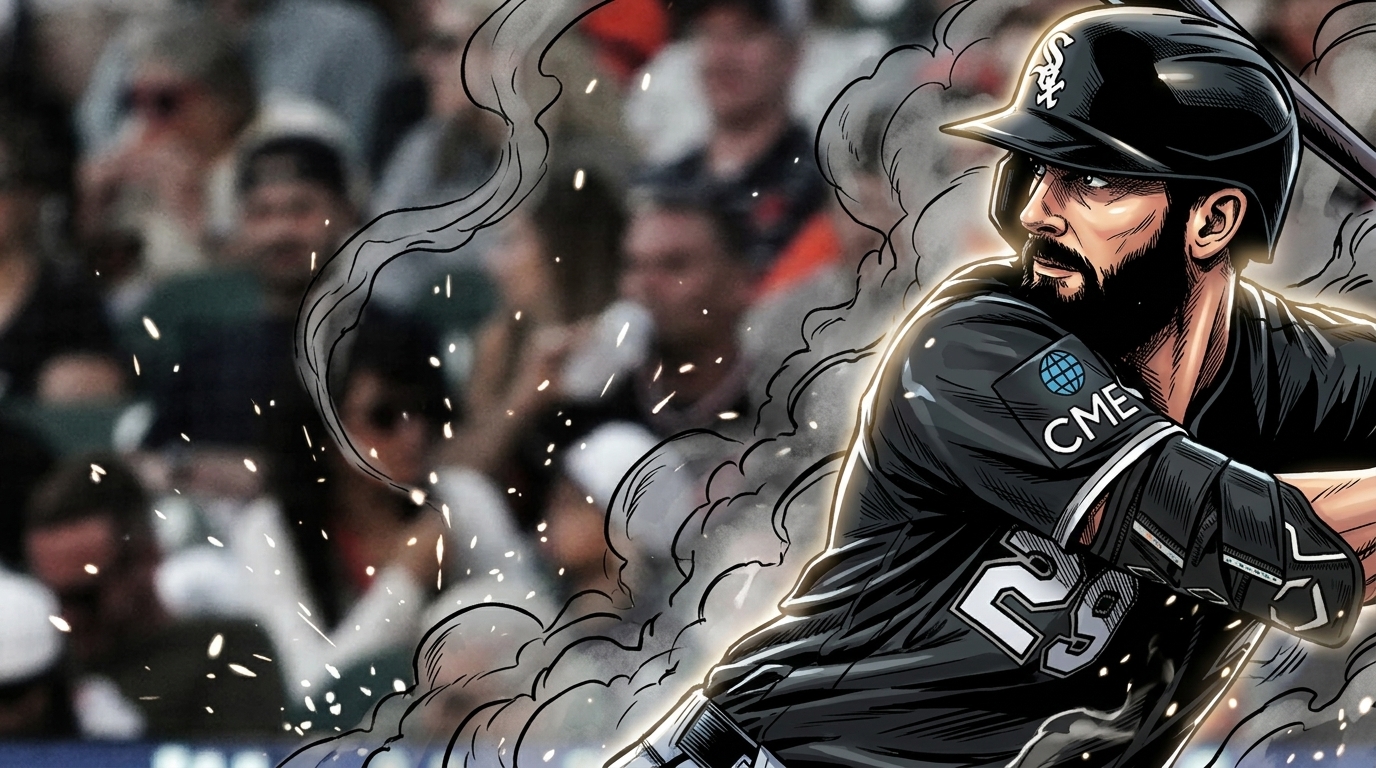
Munetaka Murakami hit his 20th home run on May 27 in a 15-2 destruction of the Minnesota Twins. Third-fastest pace in MLB history. Fastest in White Sox history. He was tied with Yordan Alvarez at the top of the home run race, batting .240/.375/.561 with a .938 OPS, leading the entire American League in runs scored with 43. In 57 games. The man arrived from Japan and immediately started doing things that hadn’t been done since Wally Berger in 1930.
Then, two days later, he ran out a fielder’s choice against Detroit. Felt something in his right hamstring. Left in the third inning. White Sox still won in ten, Miguel Vargas walk-off, everyone celebrated, and meanwhile Murakami was already on his way to becoming a cautionary tale.
Grade 2 right hamstring strain. Ten-day IL. Timeline: four to six weeks, “possibly longer than originally estimated.” Those last four words are the four most devastating words in sports medicine, and baseball deploys them constantly.
Here is what the labor math looks like when a team builds around an expensive international signing before their farm system matures: the White Sox are paying Murakami $16.5 million this year on a two-year, $34 million deal structured around him being in the lineup for 140-plus games. That math only works if he’s actually there. A Grade 2 hamstring in late May doesn’t care about your contractual assumptions.
The White Sox went 41-121 in 2024 — the most losses in the history of professional baseball, a number so catastrophic it stopped being funny about a month in. They went 60-102 last year. Their fans, the ones who kept showing up to Guaranteed Rate Field to watch what amounted to a structural argument against optimism, were promised that the rebuild was real, that the pieces were coming. Murakami was supposed to be the bridge. The expensive import who gives the fans something to watch while the prospects develop, while Jacob Gonzalez gets seasoned enough to contribute. Gonzalez is now batting cleanup at Triple-A Charlotte, hitting .317/.419/.668 — numbers that would be a feel-good story if they weren’t happening because the actual good player is hurt.
The White Sox were 30-27 when Murakami went down. One game back of Cleveland. That is not a sentence that would have made any sense to anyone who watched the 2024 season. They had become, briefly, legitimately watchable, and not in the charity sense, not in the “hey, they only lost by two runs” sense that you apply to bad teams to keep yourself sane. They were good. Murakami was the reason.
I worked in housing policy for 18 months. I know what this looks like: you build around a single point of high variance and then act surprised when the variance hits. Spend $34 million on one imported power bat before your farm system has depth and you are betting everything on a body staying healthy. Bodies don’t care about rebuild timelines. Hamstrings don’t read front-office memos.
https://twitter.com/whitesox/status/2060743199665046002
This doesn’t just cost the White Sox three weeks of lineup production. It costs them the story. The one thing a bad team in a painful rebuild absolutely requires is a story that makes the rebuild feel real. Most HRs by a rookie before June 1 since 1901. Third-fastest pace in history. These aren’t small things — they’re the entire argument that something is actually happening in Chicago, that the suffering had a point, that the math was moving toward something.
Now you get four to six weeks of watching a replacement-level outfield and hoping Gonzalez’s Triple-A numbers translate, and Cleveland just keeps sitting there, one game up, doing nothing particularly remarkable, winning the division by default because baseball found the White Sox’s good thing and snapped it in half.
That’s the sport. That’s always been the sport. It doesn’t owe you anything, and it will remind you of that fact at the worst possible moment, with a pulled hamstring on a routine grounder in the third inning of a game in Detroit. The White Sox fans who endured 121 losses deserved better than this. They’re not going to get it.