
We’ve spent the past few days sorting through four separate trade deadline moves, and the question that keeps mattering isn’t who won the day. It’s who actually had a choice. Only one of these four teams didn’t.
This is the second wave of deadline activity: the Dodgers and Mets both moved earlier in the week, but the moves that landed Saturday afternoon tell a cleaner story than anything that came before it. Four contenders: the Yankees, the Cubs, the Braves, and the Mariners. Read individually, each trade looks like a normal depth-and-need transaction. Read together, they split into two very different categories.
Why the Yankees’ Move Wasn’t Really a Decision
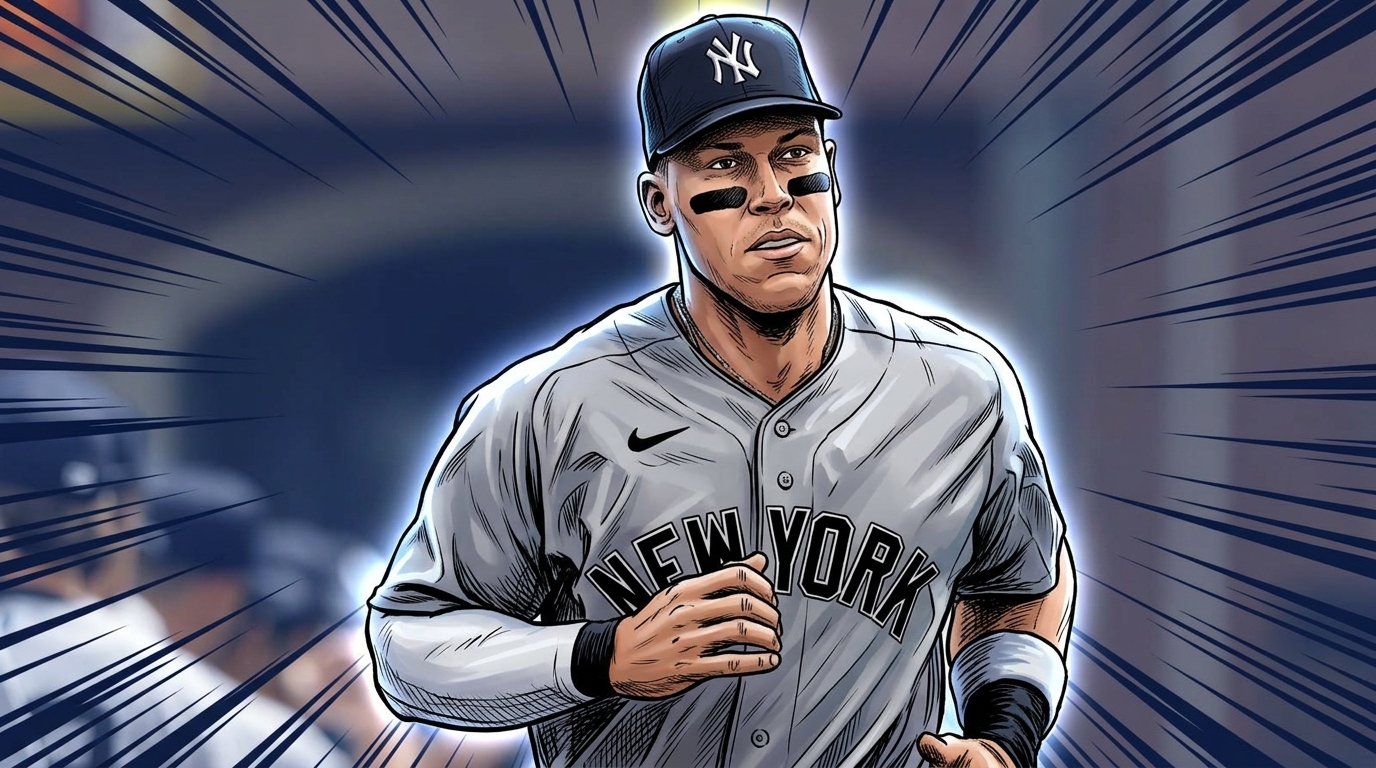
The Yankees didn’t have a competitive judgment to make. Aaron Judge, Giancarlo Stanton, and Cody Bellinger were all hurt before the deadline arrived, each for a different reason, which meant New York wasn’t debating whether to upgrade the roster. It was replacing bodies it no longer had.
Start with Judge. He’s been playing through a stress fracture in his upper right rib, an injury he first suffered diving for a ball in the outfield and played through for weeks before it was actually diagnosed, CBS Sports reported. Stanton is out separately, with a calf injury. Bellinger tore his hamstring running out a double days before the deadline hit, a Grade 2 strain, the kind that costs a team its cleanup hitter for a meaningful chunk of what’s left. Three regulars, three different injuries, gone from the middle of a lineup that was already scuffling. (This wasn’t one bad week for New York. It was three separate ones, stacked on top of each other.)
New York’s answer was a trade for Luis Garcia Jr., sending four young right-handers (Yovanny Cruz, Jake Bird, Ben Grable, and Jack Cebert) to Washington. Aaron Boone said Garcia provides “a jolt” to an offense that needed one, and for once that’s not empty praise. You can’t run a lineup down three regulars and let organizational depth cover the gap by itself. The Yankees’ record without their captain makes the same point without needing a quote. This was a roster fix, not a bet. Nobody in the Yankees’ front office is pretending Garcia is a difference-maker in October. He’s a body for August.
Are the Cubs and Braves Betting on the Same Thing?
Not exactly, but they’re both betting. The Cubs traded for a proven track record in Kevin Gausman; the Braves traded for the hope that a struggling arm turns it around in a new uniform. One is a safer bet than the other, and it isn’t close.
The Cubs sit at 50-40 and hold the first NL Wild Card spot, but their rotation lacked anyone built to start a playoff game. So they went and got one, sending Brett Bateman and Ty Southisene to Toronto for Kevin Gausman. That’s a front office paying for certainty — Gausman has done this before, in October, on a big stage.
The Braves paid for the opposite. Atlanta leads the NL East by eight games, but the Braves have played roughly .500 baseball since June, and their rotation has its own injury problems: Spencer Schwellenbach and Spencer Strider are both out. It would be easy to fold that into the same forced-hand math as New York’s. But the Braves had options. They could have paid market rate for a finished product the way the Cubs did. Instead they sent Anthony Molina to San Francisco for Tyler Mahle, a pitcher with a 5.14 ERA in a Giants uniform this season. (This is the same organization that’s spent two years insisting it wants pitchers who miss bats, not reclamation projects. Apparently the division lead bought them some flexibility on that.) Atlanta isn’t fixing a hole. It’s betting that Mahle was miscast in San Francisco and that a division race fixes what a losing clubhouse couldn’t.
Is Seattle Buying or Selling? The Castillo Trade Doesn’t Say.
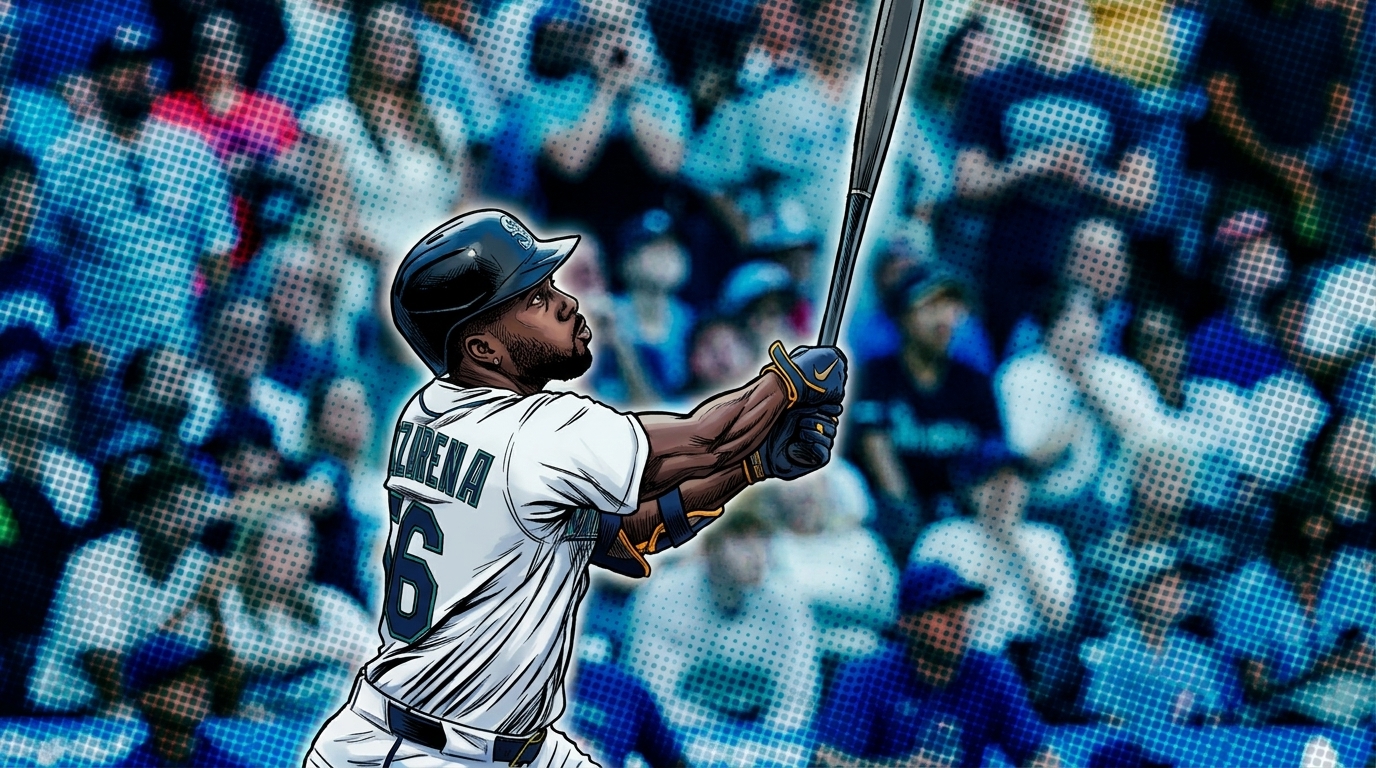
Seattle sent Luis Castillo to the White Sox for reliever Seranthony Domínguez, outfielder Nolan Jones, and catching prospect Boston Smith while still sitting in a playoff spot in a weak AL West. The Mariners called it fixing a rotation logjam. Subtracting a productive arm from a team clinging to contention reads like a different decision entirely.
Here’s what makes this one hard to file under either “buyer” or “seller.” Castillo isn’t a struggling veteran anyone was dying to unload. He’d actually been pitching better lately after a rough start to the year, and he’s a three-time All-Star. Seattle had six starters for five rotation spots, sure, but the return wasn’t an obvious upgrade so much as salary relief. The White Sox absorbed the rest of Castillo’s contract, and Seattle took back a decent reliever, a Triple-A outfielder, and a promising catching prospect. (A weak AL West is doing a lot of the heavy lifting in “playoff spot” there. Seattle’s contention case is less about who they are than who they’re not playing.) That’s not a team that decided it wasn’t good enough. It’s a team that decided future payroll flexibility mattered more than pitching depth, in the middle of a season it’s still trying to make the playoffs. It’s the continuation of Seattle’s deadline reversal, a team that spent the winter unsure whether it was buying or selling and found a way to do a version of both without committing to either.
Jeff Passan’s reporting on the Gausman deal captured the Cubs’ urgency better than any front-office quote could:
https://twitter.com/JeffPassan/status/2084082635291144444
Chicago wasn’t shopping around. It was solving a specific, known problem, and it moved the moment the right name became available. Seattle’s move, by contrast, looks like a team that couldn’t decide which problem it was actually solving.
The Verdict
Read side by side, the four moves split cleanly. The Yankees traded because their healthy-player pool ran out, not because a front office sat in a room and debated the merits of Luis Garcia Jr. against the alternative of standing pat. The Cubs, the Braves, and the Mariners all made a choice a healthier, more settled team could have avoided making entirely. Gausman is a bet that his track record holds at 35. Mahle is a bet that a change of scenery fixes what didn’t work in San Francisco. Seattle’s bet is the murkiest of the four: that saving money now matters more than keeping pitching depth in a season it’s still trying to make the playoffs. It’s the hardest of the bunch to defend with a straight face.
I think that’s the real deadline story, and it’s not one a single afternoon of grades captures. Necessity and conviction produce different rosters even when the transaction log looks identical. New York will find out in September whether a jolt was enough. Everyone else will find out whether the story they told themselves about their own roster was true.
Watch the Braves’ rotation first. If Mahle looks like the pitcher who posted a 2.18 ERA in Texas last year instead of the one who ran a 5.14 mark in San Francisco this season, Atlanta’s bet clears — and the rest of the NL East already knows it.