
How Many MLB Teams Are Still Alive in August?
Twenty-four. That’s how many MLB teams sit within six games of a playoff spot in mid-August, meaning only six of the sport’s 30 franchises have already punted on 2026. It’s the most crowded MLB playoff race in years, and it isn’t an accident.
A quiet trade deadline usually means a handful of superteams pull away while everyone else plays out the string. Not this year. When Tarik Skubal, Adley Rutschman, and Kevin Gausman all changed addresses at the end of July, this year’s trade deadline winners all went to teams that were already trying to win in 2026, not rebuilders stockpiling futures. Depth got redistributed toward the middle of the pack instead of stacked at the top, and that’s the whole engine behind MLB’s playoff picture in August.
The AL Wild Card Race Nobody Can Shake Loose
Two of the American League’s three wild card spots aren’t really in question. The New York Yankees (68-53) sit at plus-8.0 and the Boston Red Sox (65-56) at plus-5.0, meaning both would need a genuine collapse, not just a cold week, to lose their spot. Neither is catching the Tampa Bay Rays, whose 5.5-game lead in the AL East is the safest division cushion anywhere in the league right now.
The third spot is where the 2026 wild card standings turn into a knife fight. Detroit (60-61) currently holds it. Texas (60-62) sits half a game back. Minnesota (60-63) trails by a full game. Cleveland (59-63) is a game and a half out. Four teams, one spot, and none of them have separated from the pack in weeks. Translated: any of those four could be playing in October or watching it from home, and the gap between those outcomes is roughly the width of a single series.
Jon Morosi captured the mood of that group as well as anyone can:
https://x.com/jonmorosi/status/2086412580621263261
“Endless agony and entertainment” is the correct way to describe four bubble teams none of which can pull away, and it’s the part of this MLB playoff race that changes daily between now and the last week of September.
The NL’s Final Two Spots Are a Half-Game Apart
Flip to the National League and the top of the bracket is settled. The Chicago Cubs lead the wild card standings at plus-6.5, comfortable enough that their focus has already shifted to rotation depth for October. San Diego (65-57) holds the second spot at plus-0.5, which is essentially a coin flip’s worth of daylight over the field behind them.
The real fight is for the third and final spot. The Philadelphia Phillies (65-58) have it right now. Arizona (64-58) trails by half a game. Two teams, separated by less than the length of a single series, fighting for the last ticket into the field. Add the Cubs and Padres back in and you’ve got four NL teams within 1.5 games of each other for two spots, which is about as tight as an August playoff picture gets without a coin being involved.
Meanwhile, the division races aren’t producing any of that tension. The Milwaukee Brewers own the best record in the sport at 75-47 and are running away with the NL Central. Atlanta leads the NL East by 8.5 games. The Los Angeles Dodgers still lead the NL West by 7.5 games even after stumbling to a 4-6 stretch. Translated: all three division leaders can spend the stretch run setting up their rotations instead of scoreboard-watching, while the wild card field fights it out underneath them.
The Deadline Explains the Compression
None of this crowding happens by accident. It happens because the players who move the needle most at the trade deadline went to teams that were already good, instead of getting hoarded by two or three obvious buyers.
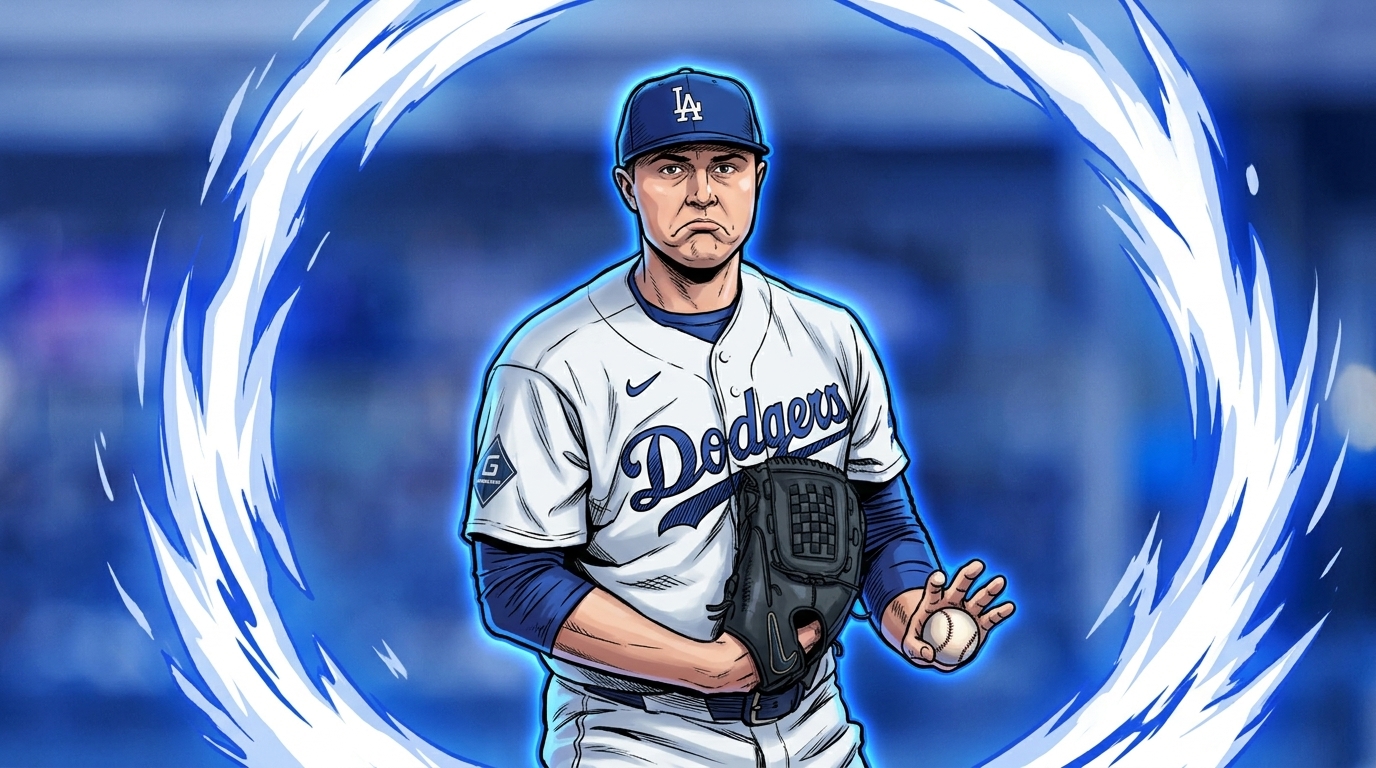
Start with the two-time defending AL Cy Young winner. Detroit traded Tarik Skubal to the Dodgers for outfielder Zyhir Hope and pitchers River Ryan and Brady Smith, and the return alone tells you how much control Detroit gave up to land him. That was the outcome after months of speculation that had Skubal headed to the Yankees or Phillies before the Chicago Cubs made their own run at him. He landed in Los Angeles instead, sliding into a Dodgers rotation that already ran through Yamamoto, Snell, Glasnow, and Ohtani. Add a two-time Cy Young winner to a rotation that was already stacked, and the gap between the Dodgers and everyone else in October gets harder to close, not easier.
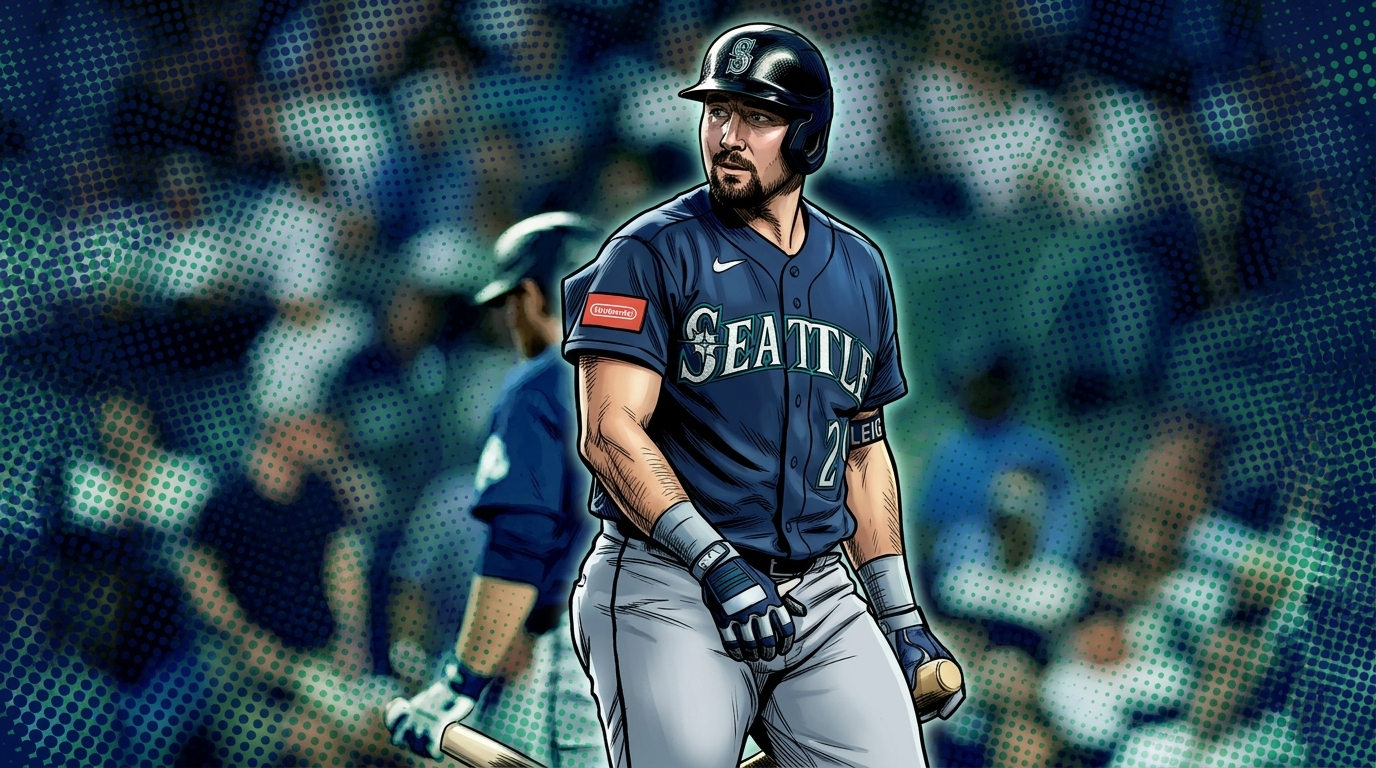
Baltimore made the second-biggest move of the summer, sending Adley Rutschman and catcher Jake Rogers to the Red Sox for a package built around Anthony Eyanson, Kyson Witherspoon, and Carlos Narvaez. Boston made the move while riding a 23-3 stretch over its previous 26 games, form good enough to turn a trade for a star catcher into a statement. Rutschman is currently rehabbing a wrist injury and hasn’t played a game for the Red Sox yet, so treat him as a coming reinforcement rather than a stat line already baked into Boston’s plus-5.0 wild card cushion.
Then there’s Kevin Gausman, who left Toronto for the Cubs in exchange for two minor leaguers and brought a career 3.83 ERA in the postseason with him. That’s a proven October arm added to a team that already had the NL’s most comfortable wild card position. None of these three moves went to a team trying to simply stay relevant. All three went to teams already built to win in 2026, which is exactly why the standings look the way they do: fewer superteams pulling away, more good teams getting a little better, and a stretch run where the difference between a bye and a golf trip comes down to a handful of games almost everywhere you look.
Who Actually Wins This Thing?
The obvious objection here is that crowded doesn’t mean competitive. Some of these 24 teams are pretenders padding a wild card chase they’ll fade out of by Labor Day, and a six-game window in mid-August is generous enough to include teams that have no business in October. Fair. But strip out the fringe and you’re still left with four AL teams within 1.5 games for one spot and four NL teams within 1.5 games for two, and that’s not noise. That’s a legitimately unresolved MLB playoff race in both leagues at once, which hasn’t lined up like this in years.
The Brewers are the best team in baseball by record, and they’re going to keep proving it in October, not just August. The Dodgers, now armed with Skubal on top of their existing rotation, have the deepest pitching staff in the field and the most obvious path to the World Series. On the wild card side, bet on the Red Sox to hold their spot and get stronger once Rutschman actually takes the field behind the plate, and bet on the Cubs to ride Gausman’s playoff experience past a Padres-Phillies-Diamondbacks scramble that’s more likely to eliminate each other than to catch Chicago. The AL’s third spot is the one race genuinely up for grabs, and Detroit’s slim half-game cushion over Texas won’t hold up over six more weeks of this pressure. Texas gets there instead, on pitching depth Detroit doesn’t have left after the Skubal trade cleared out its farm system.