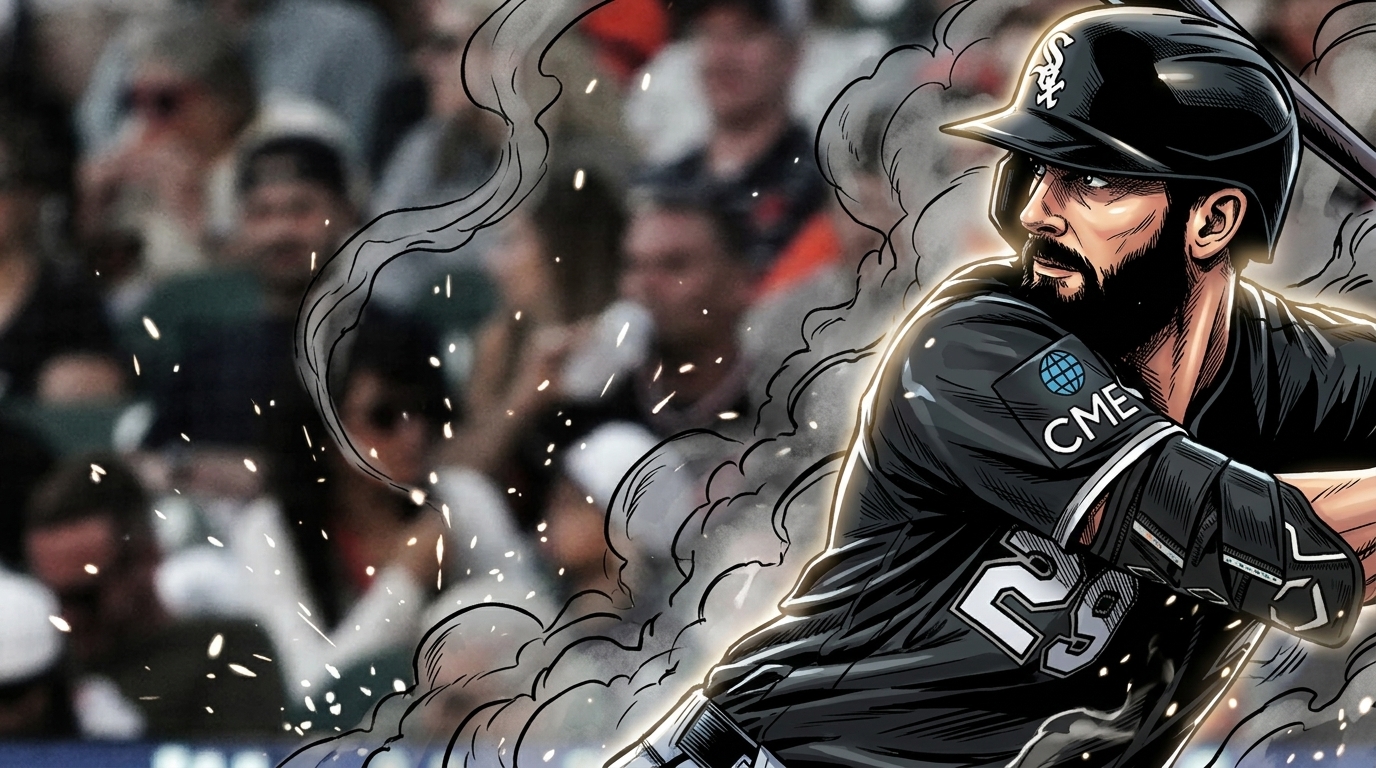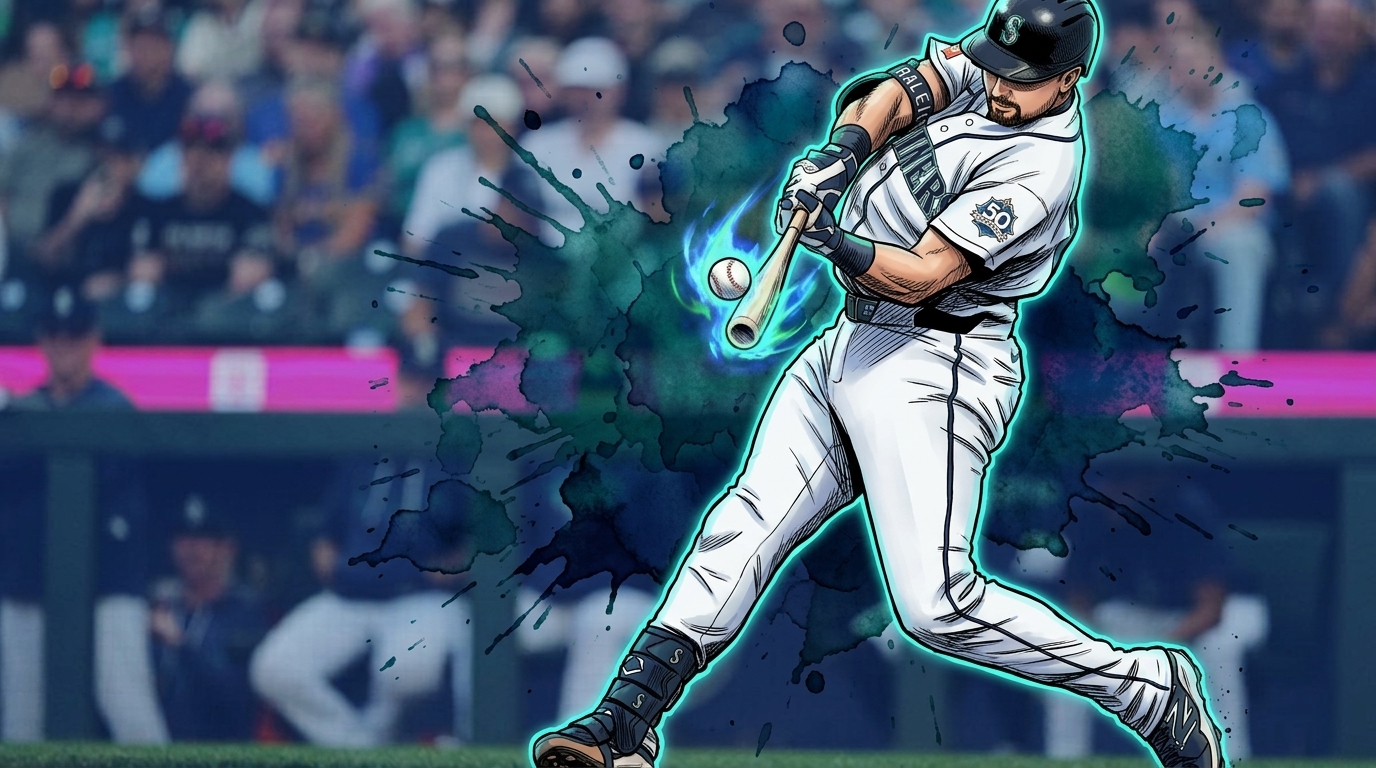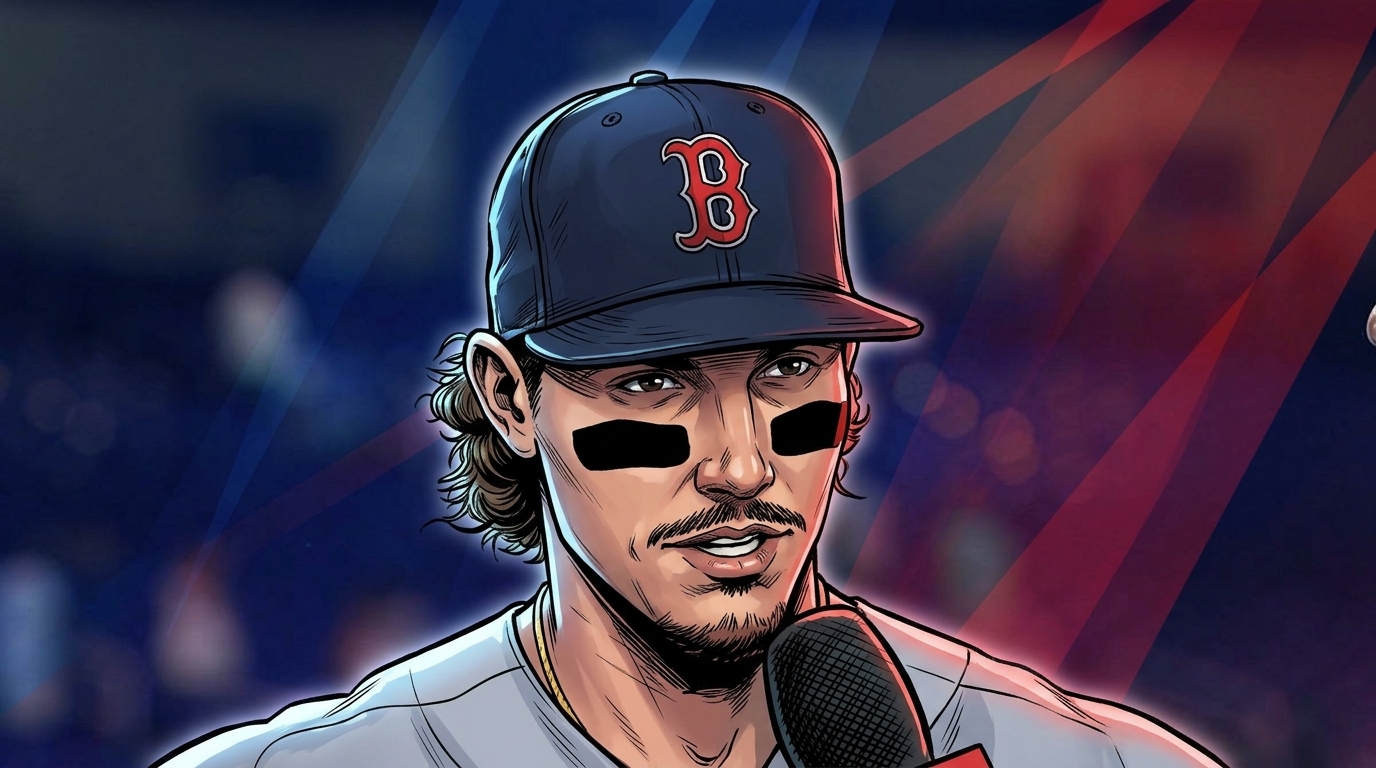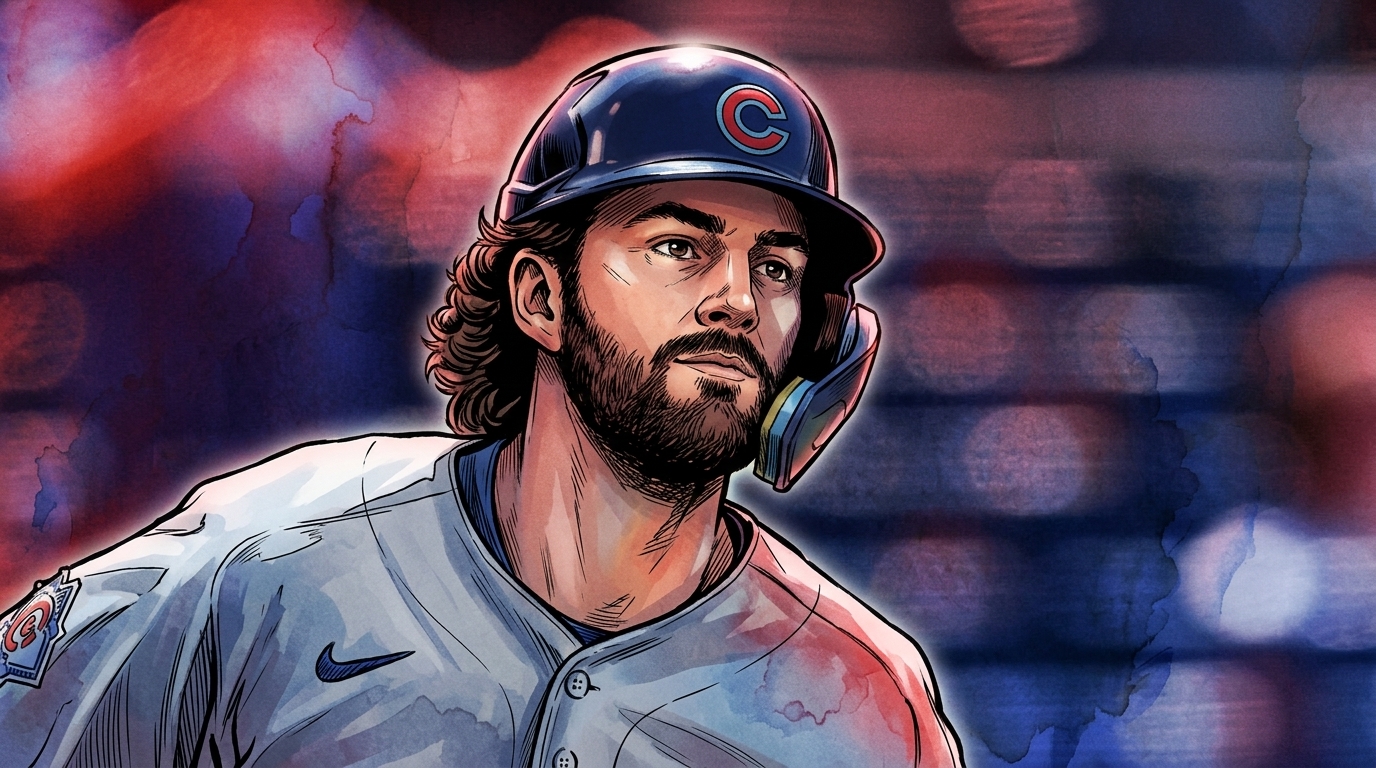

The most revealing thing about MLB reversing course on the Home Run Derby clock is that they haven’t said a word about reversing course on the Home Run Derby clock.
No press release about reconsidering pace-of-play philosophy. No executive quoted in a trade publication acknowledging that the timed format, introduced in 2015 and governing the Derby for eleven years, produced an event that felt like a product launch rather than a spectacle. Just a quiet announcement that beginning July 13 in Philadelphia, hitters will get 20 swings in Round 1, 15 in Round 2, 15 in the final — each swing counting whether it leaves the yard or not — and the last swing of each round continues until the batter fails to homer. The clock is gone. The league offered no obituary.
This is how institutions admit mistakes: by fixing them without attribution. The admission is embedded in the correction itself; to explain the correction would be to invite questions about why it took eleven years.
The clock’s original justification was pace of play, which was a reasonable concern to apply to almost every other event in the baseball calendar and a bizarre one to apply to this specific exhibition. Regular-season games have pace problems because the audience signed up for a game with a natural endpoint and then discovered the game had no endpoint. The Derby audience signed up to watch large men hit baseballs enormous distances until a winner was declared. The tension in that format is self-generating. You don’t need to manufacture urgency when urgency is the entire product. The clock didn’t solve a problem the Derby had; it imported a problem from somewhere else and then solved that one instead. I wrote 47 posts on my Substack about minor league rules disputes and even I couldn’t tell you why a countdown timer improved the experience of watching someone hit nine consecutive home runs.
https://twitter.com/JustBB_Media/status/2067420793693171895
The new format has one rule worth dwelling on: when a batter reaches his last swing of a round, he keeps swinging until he misses. This is the correct philosophy rendered as procedure. An automatic out to end a round was always the wrong resolution — the round should end on a failure, not a technicality. That’s a small distinction that produces very large moments.
The Derby debuts on Netflix this year, its first broadcast outside ESPN since 1994, part of a three-year deal that represents a more significant format disruption than anything involving swing counts. Moving the event behind a streaming paywall while simultaneously restoring the swing-count format suggests MLB is rethinking the Derby’s entire presentation: less appointment television optimized for commercial breaks, more event designed to work on a platform where viewers choose when to watch. Whether that combination produces better or worse ratings is a separate question from whether it produces a better Derby; the case here is that it produces a better Derby.
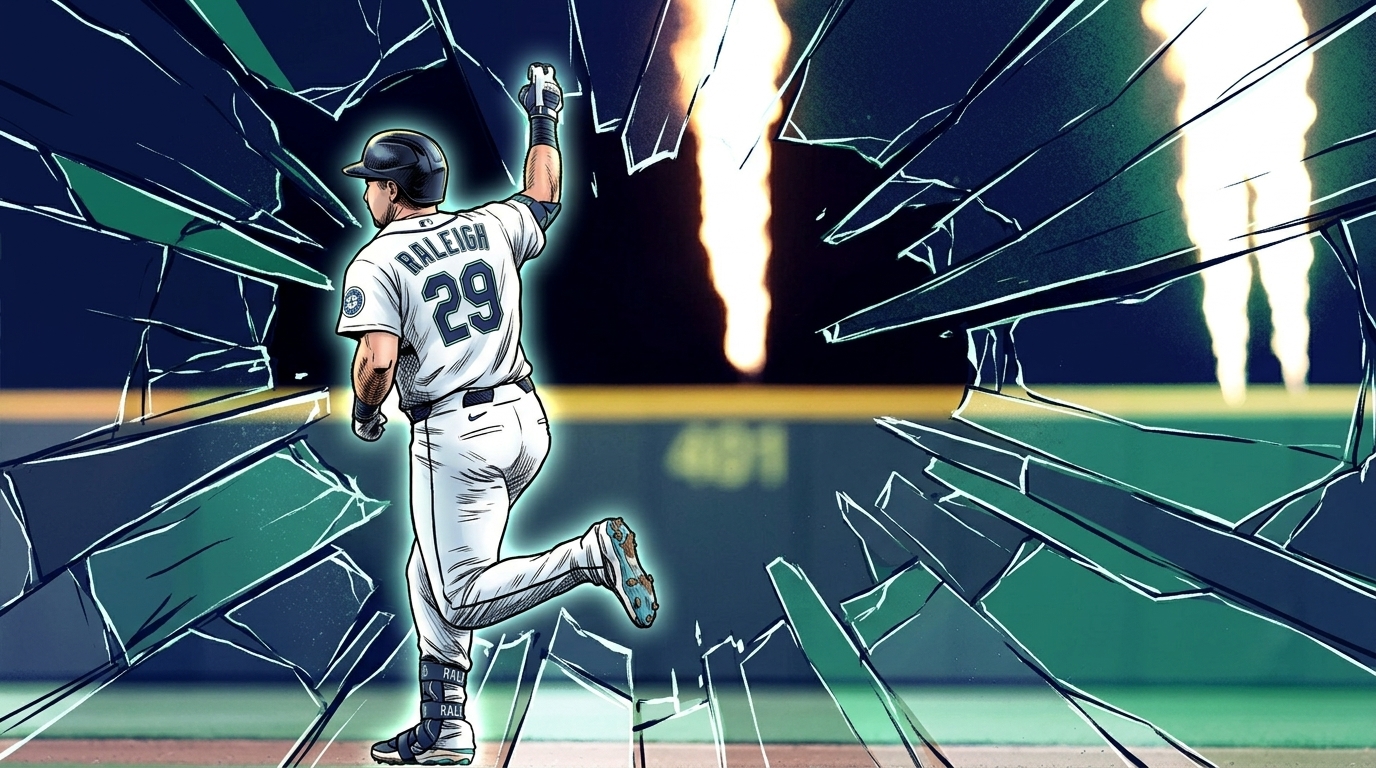
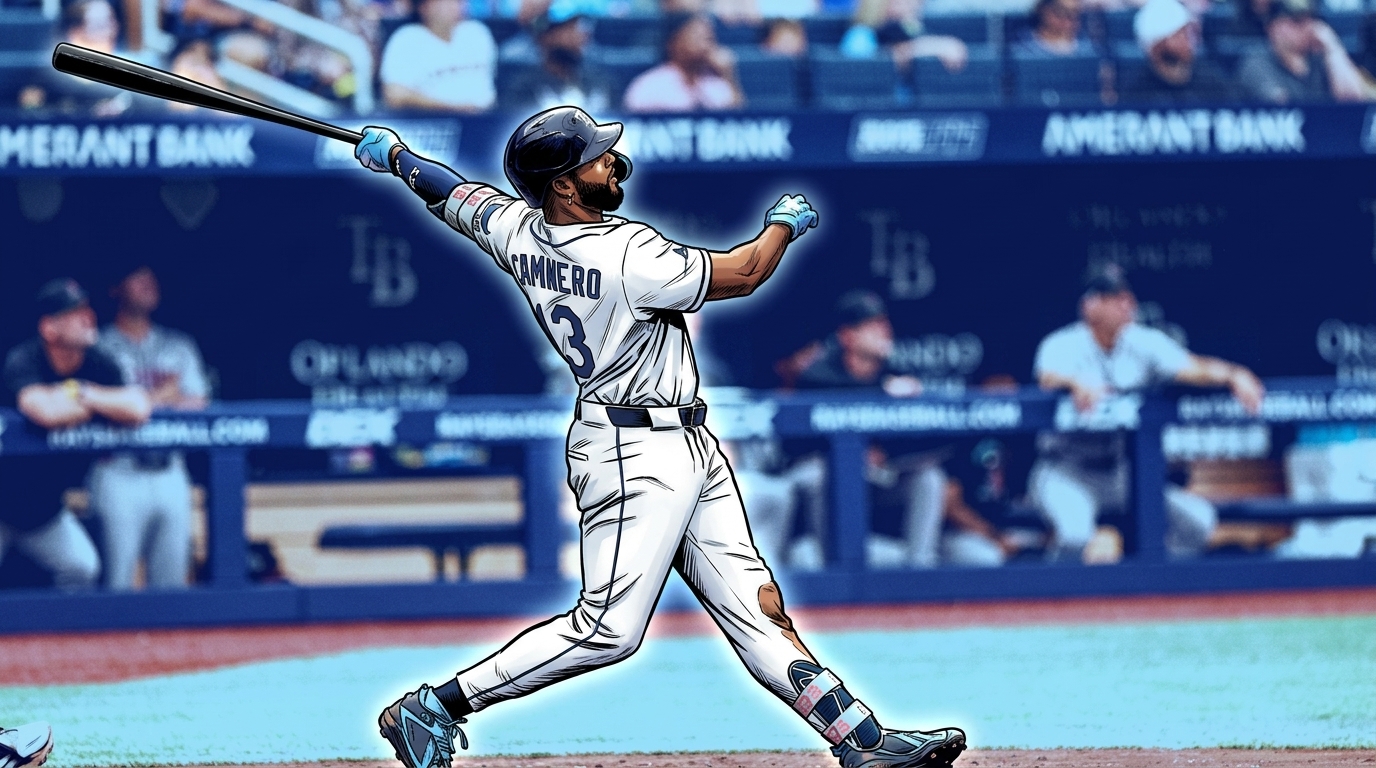
Junior Caminero turned 23 two days ago and he hits baseballs into another area code. His 2026 line sits at .293/.383/.561 with 24 home runs; in a six-game span in late June he hit seven of them, breaking Ken Griffey Jr.’s record for the youngest player to homer in six consecutive games. He was the runner-up in last year’s Derby, losing to Cal Raleigh 18-15 in the final. He’ll be back. The counterargument to Caminero as Derby story is that he’s already been the Derby story — runner-up finishes don’t have the same narrative gravity as first appearances. That’s fair. It also ignores that he’s 23, which means he probably hits the ball harder than he did at 22, which means the counterargument is not especially convincing.
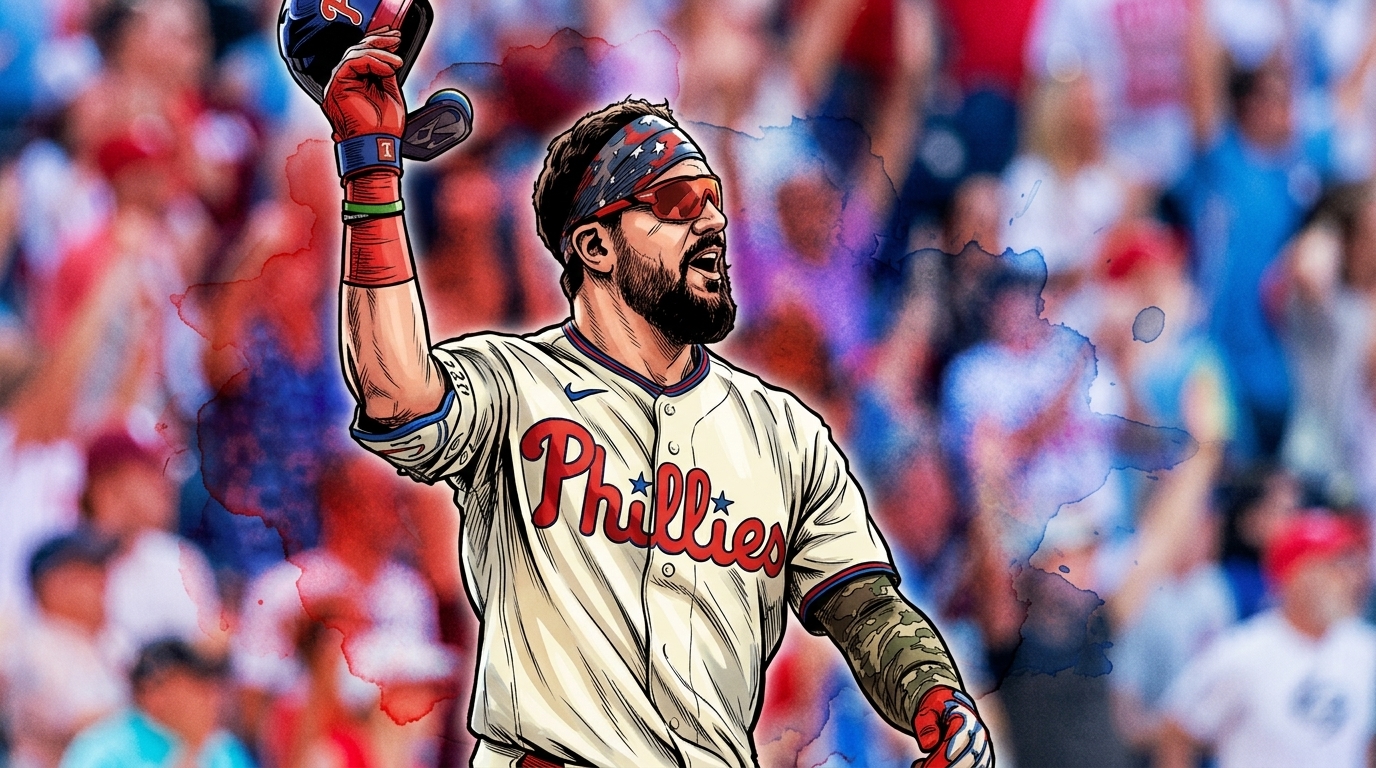
Ben Rice has 25 home runs and 57 RBI in 85 games for the Yankees; his father, Dan Rice, a Brown University pitcher in the 1980s, is throwing to him in the Derby. That detail does something the rest of this piece cannot do, which is make you feel the specific texture of the occasion without explaining it. A son hitting home runs off his father’s pitching in Citizens Bank Park on a July night while Kyle Schwarber’s Phillies provide the backdrop. Some events are self-evidently fine.
There’s a version of this story where the All-Star week conversation obscure what’s actually working, and the Derby clock is simply the most visible casualty of a league that adjusts too much too often. That version is probably also true. What’s also true is that MLB occasionally corrects a real mistake quietly, without ceremony, and the correction speaks for itself. The swing-count Derby begins July 13 in Philadelphia. This is going to be fine.