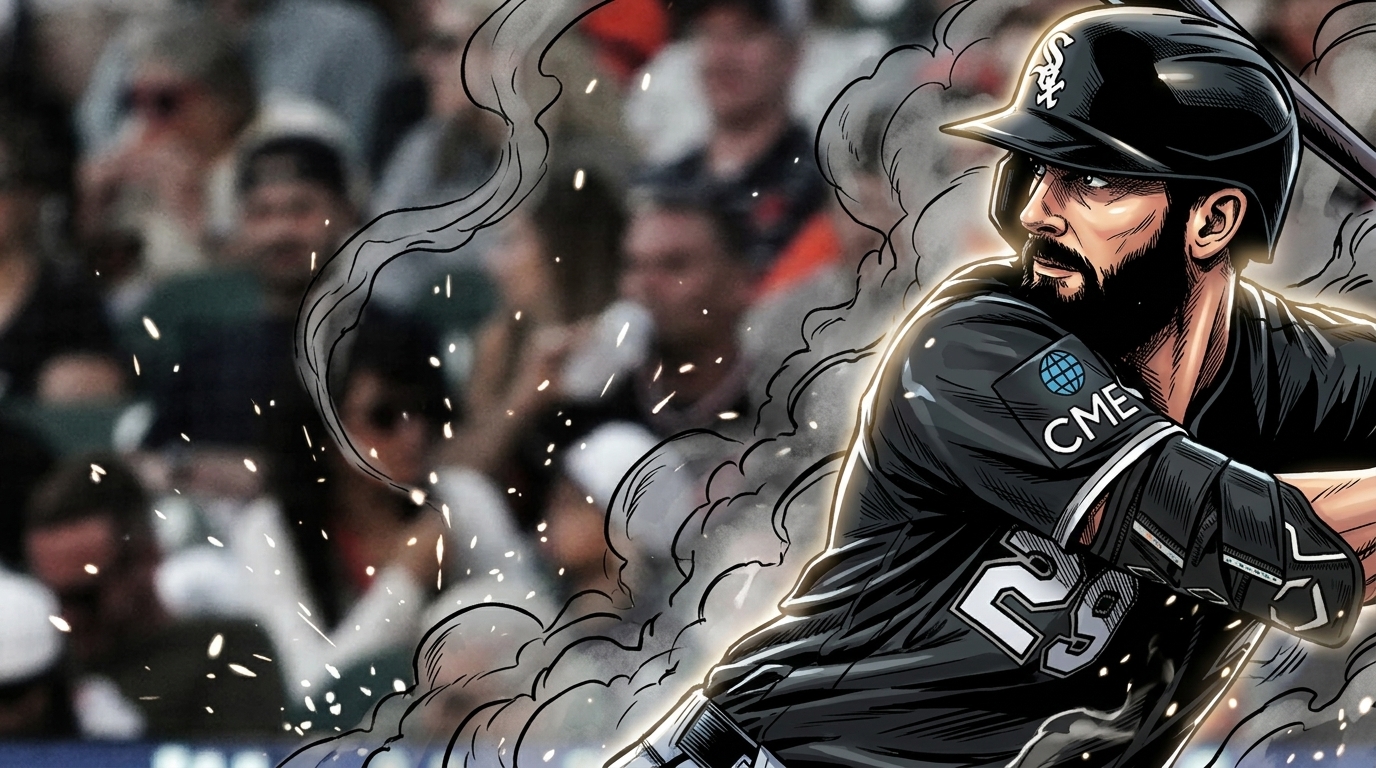

The New York Mets gave Juan Soto $765 million in December. Francisco Lindor suffered a strained left calf on April 22, the exact day Soto returned from his own 18-day calf injury, and spent two months on the injured list, the longest IL stint of his 12-year career. Lindor came back last week. Soto’s back locked up against the Chicago Cubs on June 24, and Carlos Mendoza pulled him after five innings. The two stars have shared a lineup twelve times this season. The Mets are seven games under .500.
This is not a story about bad luck. It is a story about architectural failure dressed in the language of bad luck.
https://x.com/Mets/status/2069592646914330900
The April 22 timing was not coincidence, but it became emblem. On the day Soto walked back into the lineup from his calf injury, Lindor crouched at first base and didn’t get up the same way; he went on the injured list that afternoon and didn’t come off it for two months, the longest absence of his career. What the calendar appeared to be saying, with the patience of an actuary, is that the Mets do not get to have both of these players at the same time. Twelve games is all it has permitted.
The Mets assembled what front offices call a “franchise cornerstone” pairing: Lindor at shortstop, Soto in the outfield, $1.1 billion in combined guarantees, zero positional overlap. The logic was sound: two elite players in separate roster slots, each indispensable, neither a redundancy for the other. What the architects did not account for is that non-redundancy cuts both ways; when one cornerstone cracks, the roster does not flex around it. It just carries the absence. The lineup Lindor returns to now is the same lineup that labored through his two months gone; the lineup Soto left Tuesday is the same one that will labor through his back tightness, however long that takes. There is no give in this roster because there was never meant to be any — and payroll adjacency without depth is just two stars taking turns haunting the same seat.
The now-fired Mendoza — the Mets parted ways with him this morning — explained Soto’s removal in four words: “His back locked up there.” Soto is listed as day-to-day, which in baseball means anything from “back tomorrow” to “see you in August.” He is hitting .299 with a .965 OPS; in the eleven games before the injury, he batted .432. This is the player whose back locked up there.
The counterargument is fair: injuries are random, no front office contracts its way out of human physiology, and the Mets have had genuinely rotten timing. But the problem is not that two players got hurt; it is that the roster was built with so little depth behind it that when either one sits, the offense recalculates at a fundamental level. The architecture of modern MLB contracts — guaranteed money concentrated in stars with no mandated buffer — makes this a league-wide temptation. The Mets are simply its most expensive current exhibit: nine and a half games out of the Wild Card, $1.1 billion committed, and the two men that money was meant for sharing twelve starts all season like a lease neither of them can quite occupy at the same time.
They keep taking turns sitting out. The seat between them is always warm from whoever just left.