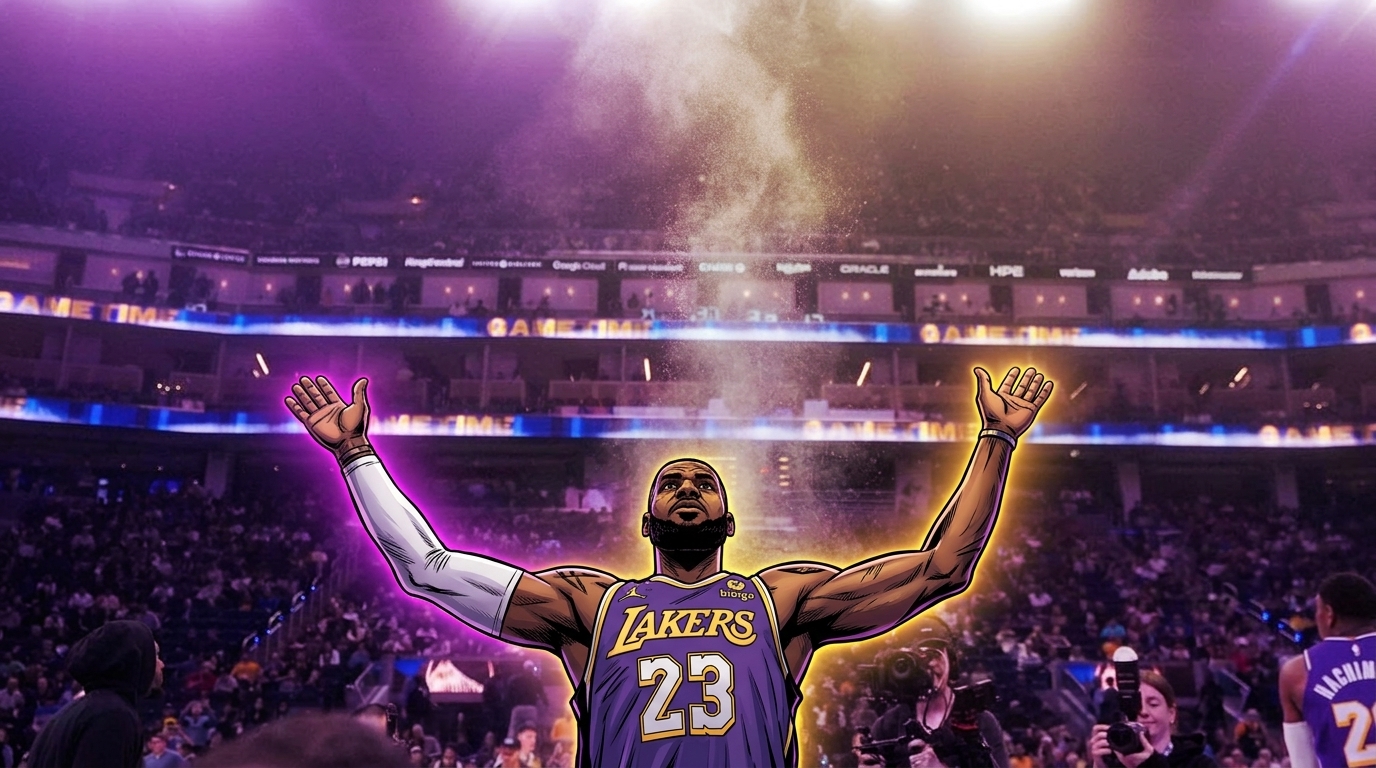

We’ve been watching this build for weeks — the whispers about what LeBron James wants, the financial gymnastics teams are performing, the ambient noise of an NBA offseason that’s been entirely reorganized around one man’s silence. And now Rich Paul has given us the number: 27 teams have reached out about LeBron James. Twenty-seven. He has responded to zero of them directly. Which tells you everything you need to know about how this is going to end.
This is not a man who doesn’t know what he wants. This is a man who knows exactly what he has — and is letting everyone else feel it.
Why hasn’t LeBron responded to any team?
Because he doesn’t have to. Teams are submitting voice memo pitches to Rich Paul, who relays them to LeBron. LeBron is 41, entering his 24th season, and has been in this position before. He has organized the information flow so that every executive in the league knows: you go through Rich Paul, and Rich Paul decides what LeBron hears. That’s not chaos. That’s a negotiating architecture he’s been building for years. (He’s been doing this for 22 years. The man knows how to build a moment.)
Only one person has a direct line to LeBron right now: Brandon Weems, the Cavaliers’ assistant GM and LeBron’s childhood friend. That detail is not incidental. It’s the most important sentence in the entire story.
https://x.com/ShamsCharania/status/2071988596144312673
Per Shams Charania, this is “a happiness-led decision for LeBron James” that “will not be driven by money.” That framing matters. The Heat can offer roughly $7 million, the only team currently above the veterans minimum. The Sixers, Warriors, Timberwolves, and Nuggets are all sitting at the $3.9 million veterans minimum. We’ve already covered his “done building” posture. The financial landscape confirms it. LeBron walked away from a max offer in Los Angeles when he informed the Lakers on June 30 he was playing elsewhere. Money is not the variable.
Which teams actually have a real shot?
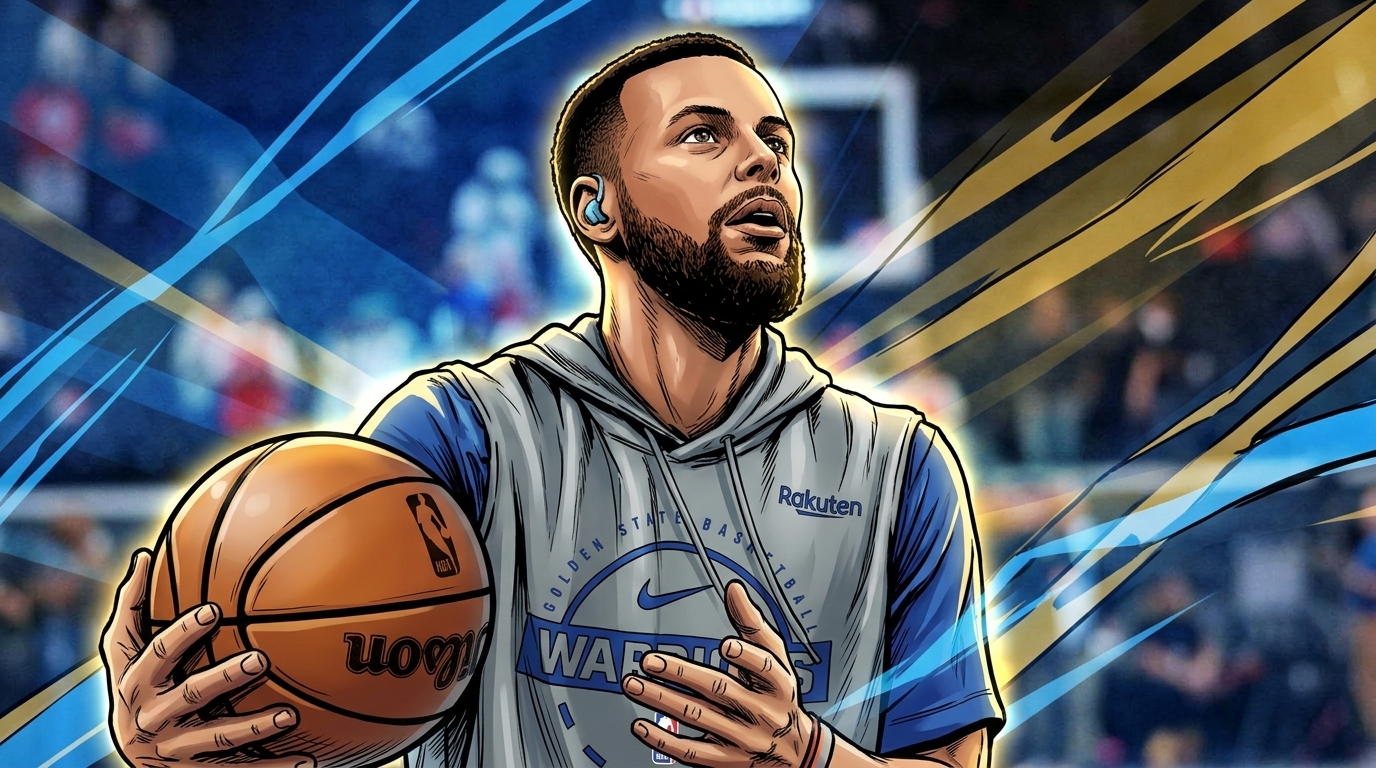
Shams’ hierarchy goes: Cleveland, Miami, Philadelphia. The Warriors are floating around +150 odds, which is probably generous: Stephen Curry called it a “pipe dream” while also pitching “playing good basketball around people that know how to play.” (That’s a lovely line. It’s also not enough.)
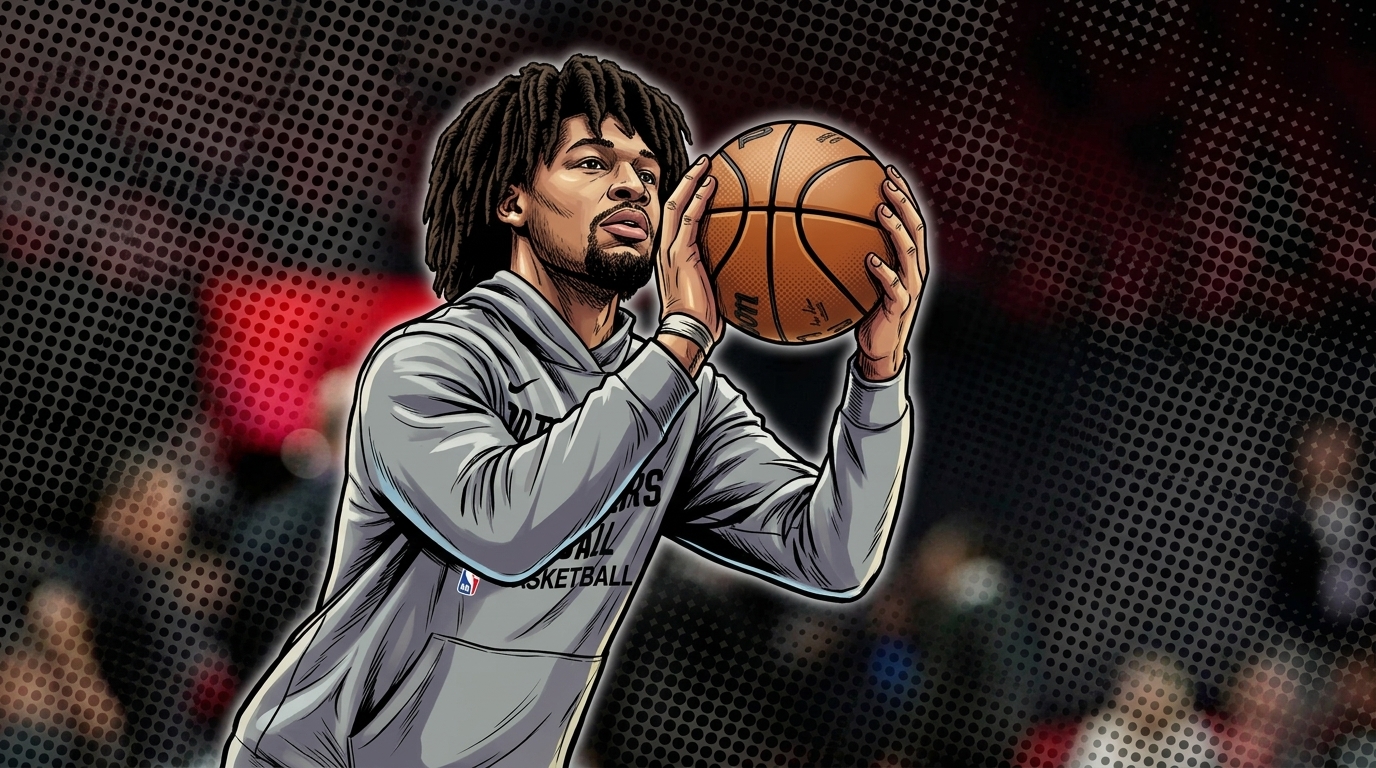
Bob Myers, the former Warriors GM now running the Sixers, sent what sounds like the most earnest voice memo in NBA history: “I honestly believe this is your best chance to win… the skill sets complement extremely well.” He’s not wrong that Tyrese Maxey and LeBron would be a fascinating pairing. But Philadelphia is offering $3.9 million, no salary cap flexibility, and a lottery-luck path to contention that requires everything to go right.
Miami can at least offer $7 million and the emotional pull of 2010-14. The problem is the Heat have no real mechanism to build a championship roster around LeBron on their current cap situation. It’s nostalgia shopping. That’s not where this ends.
The Warriors conversation is real. Both sides have spoken, per reporting, but the Warriors-Cavaliers race has been narrowing for two weeks. Golden State is capped out, offering minimum money, and banking on Steph-LeBron mythology as a recruiting pitch. That’s a compelling story. It’s probably not a compelling enough basketball argument.
Cleveland’s pitch doesn’t need mythology. It has Donovan Mitchell, who just signed a four-year max extension. It has a direct communication line through Weems. It has LeBron spending time in Akron reconnecting with 2016 championship teammates. Per ESPN sources, there is a “vibe pointing toward the Cavs.” That’s a soft signal, but it’s the only directional signal anyone has actually reported.
Where does this actually land?
I think Cleveland.
Here’s why: the structural evidence is almost entirely pointing in one direction. The person with direct access to LeBron is the Cavaliers’ assistant GM. LeBron is physically present in Northeast Ohio. The Cavs are the only team with a legitimate championship roster: Mitchell, a young core, and a coach who’s proven he can develop talent. The narrative math also works: LeBron came back to Cleveland in 2014, won the title in 2016, and departed. Coming back at 41 to close the loop with Mitchell instead of Irving. That’s the kind of story LeBron has always understood how to write.
Now, the counterargument: LeBron has surprised us before. In 2010, we thought he was staying in Cleveland. In 2014, we thought he was staying in Miami. He has used these moments to detonate expectations. The voice memo format (27 pitches filtered through Rich Paul) could just as easily be a mechanism for keeping everyone engaged while he decides something no one has reported yet. The Knicks would have been in this conversation before they won the championship. (They’re off the board now.) Someone else might be too.
But the logic of this particular decision (the happiness framing, the Akron time, the Weems line) doesn’t read like a man keeping his options warm before choosing a surprise. It reads like a man who knows where he’s going and is letting the moment breathe before he says it out loud.
The silence isn’t confusion. Twenty-seven teams are calling. He isn’t answering because he already knows the answer — and because this is the last time in his career he gets to hold this much leverage. He’s going to use every last second of it.
Cleveland. Late July. And then we’ll see if I’m wrong.