
We’ve been watching this particular slow-motion thing build for three weeks now — the competing narratives, the sourced whispers, the deliberate silences — and at this point the geometry is plain enough that calling it complicated feels like performance.
LeBron James is going back to Cleveland. Not from nostalgia. Not because the ring he won there in 2016 makes it the emotionally resonant choice. But because the Cleveland Cavaliers have spent the last month engineering a landing strip while Golden State has been waving its arms from a field with no runway.
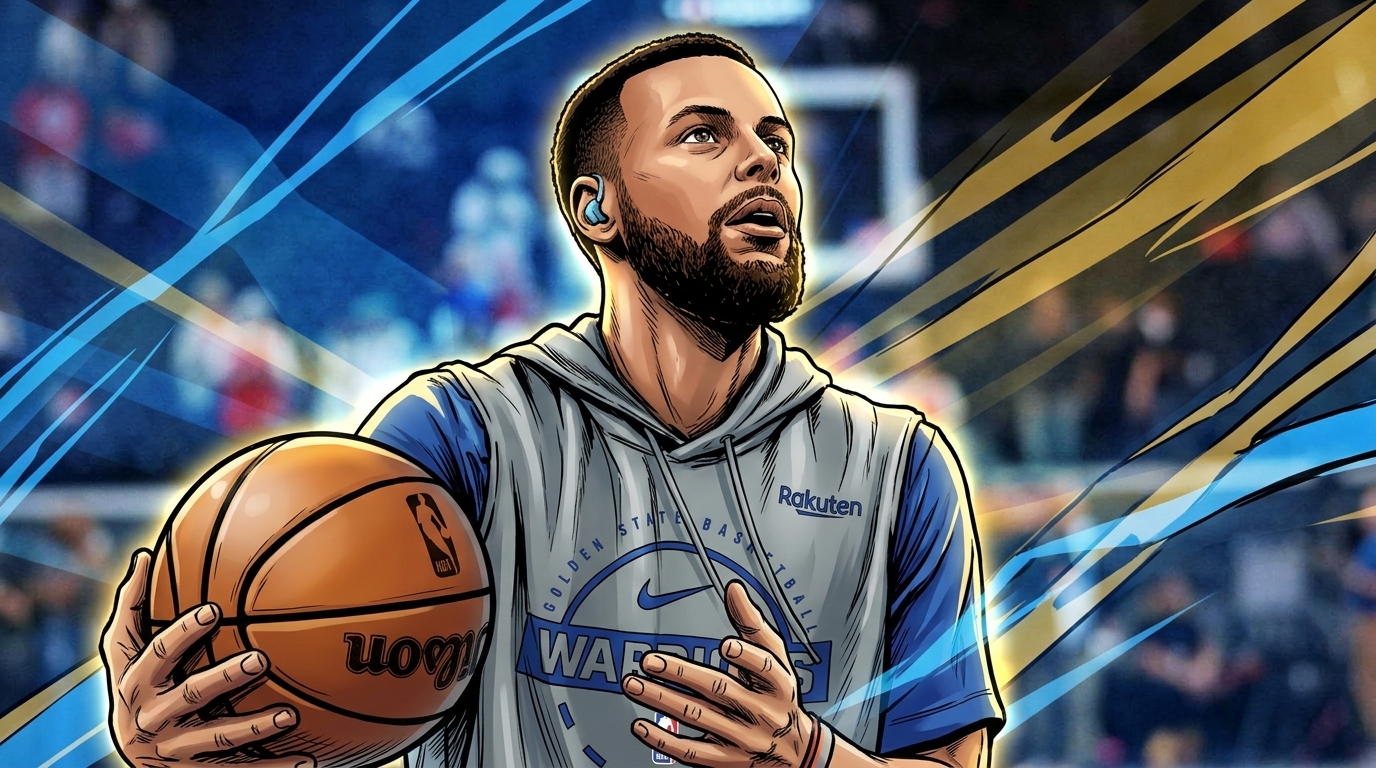
The case for the Warriors was always aesthetically compelling. LeBron, Curry, Draymond — three future Hall of Famers running one final championship tour before the lights come on. It writes itself. It also doesn’t pay anyone. Golden State can extend an offer of roughly $3.9 million through the veterans exception without moving pieces, and maybe $6 million if they trade Moses Moody. That is not a contract offer. That is a gesture.
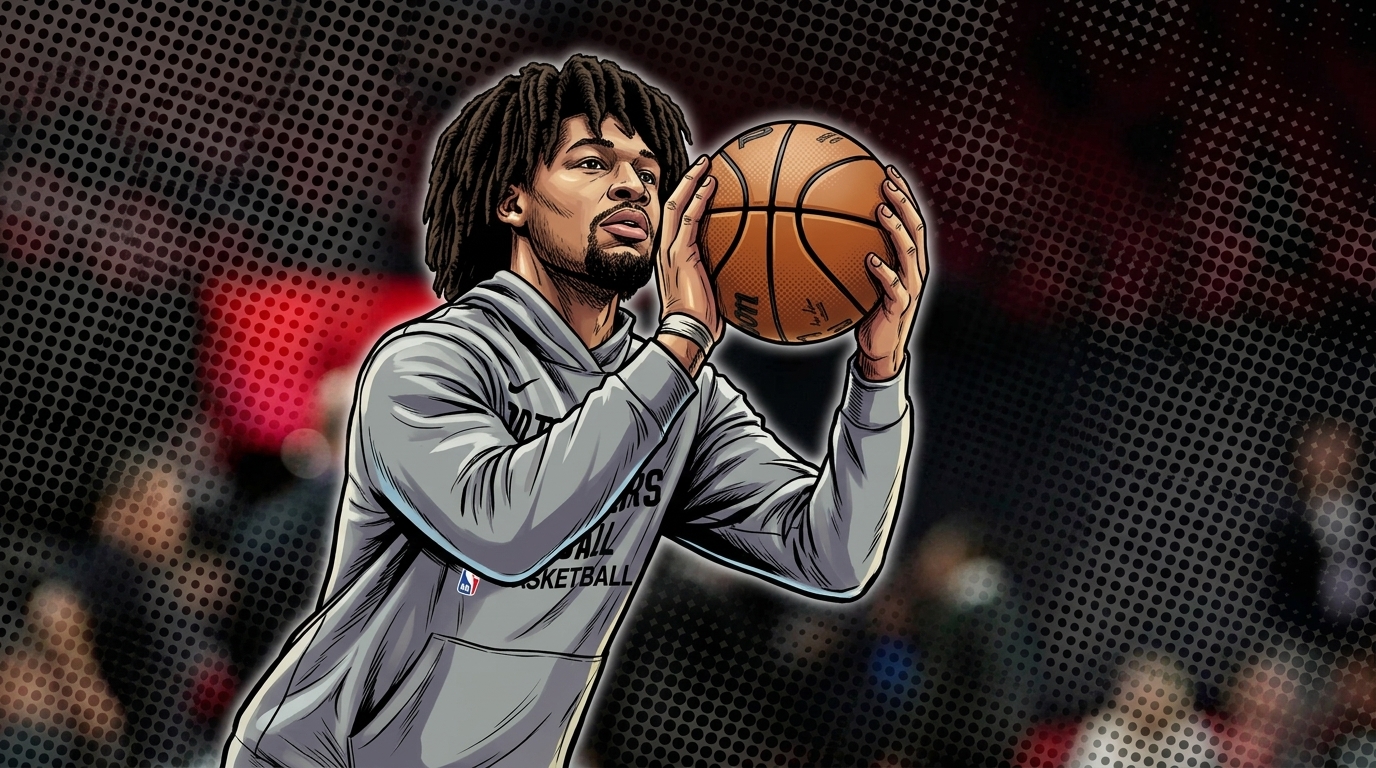
Meanwhile, James Harden declined his $42.3 million player option at the end of June, explicitly to create cap flexibility Cleveland didn’t have before. He’s planning to re-sign at something in the $32–38 million range — a voluntary reduction, structured around the possibility of a particular unrestricted free agent. Teams don’t do that for someone they expect to lose. Players don’t do that for a teammate they don’t believe is coming.
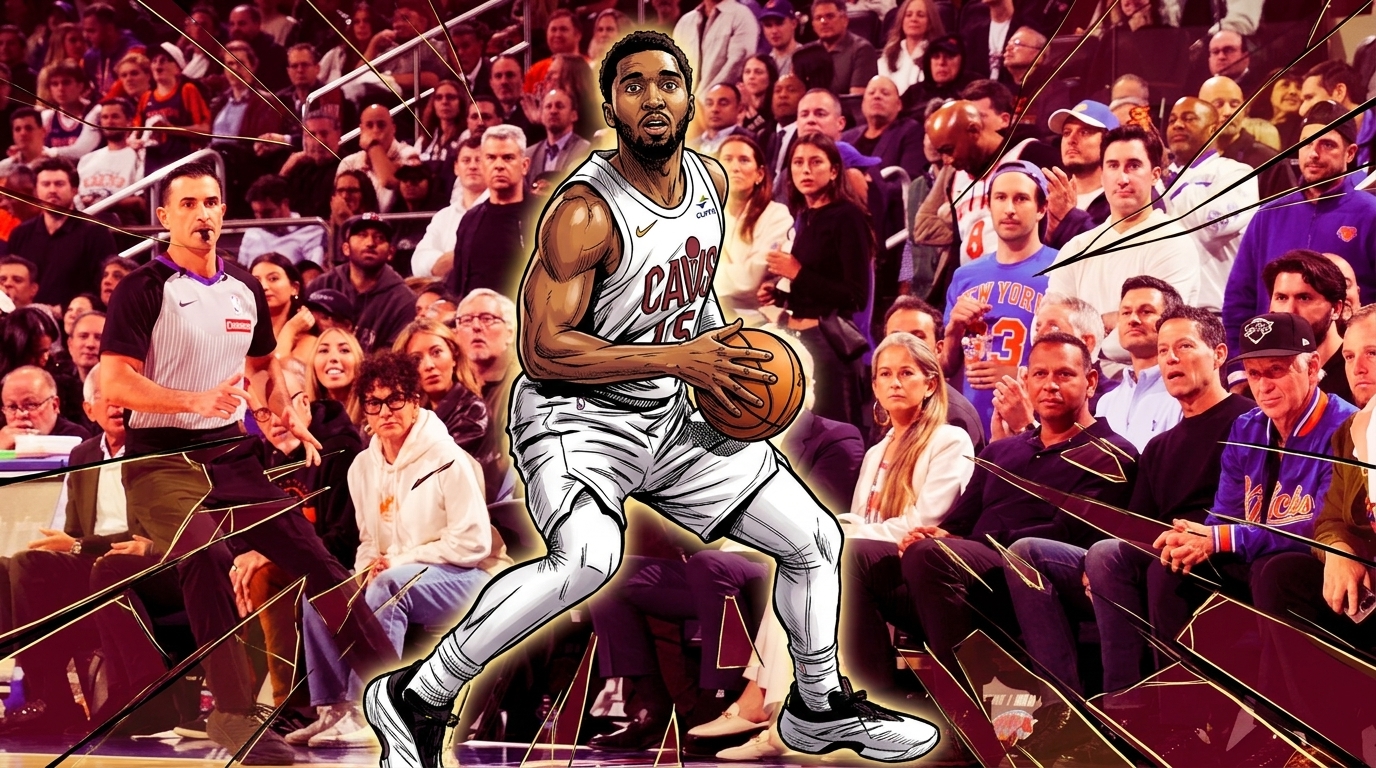
Then there’s Donovan Mitchell and Mitchell’s $273 million commitment to Cleveland. He signed a four-year, $273 million extension on July 9 ($68.25 million per year, an NBA record per the official announcement). He had two seasons left on his deal and could have waited to command a larger supermax. He did not wait. Either he has extraordinary confidence in Cleveland’s direction, or he made a $77 million bet on sentiment — and Mitchell is not a sentimental player. (He is, however, a player who was told something.)
The Akron dimension has gone underreported in most national coverage but carries weight if you understand how LeBron James actually processes decisions. He has been home. Golfing. At House Three Thirty on a Friday night. Brandon Weems — the Cavaliers’ assistant general manager, the person Rich Paul has described as “basically a brother” — was with him. Proximity to an organization’s front office during free agency is not coincidental. These things are logged and managed. They mean something.
Brian Windhorst, who has tracked LeBron longer than almost any journalist working, put it bluntly: “Everybody I talk to is like, ‘We’re afraid it’s Cleveland.’ Nobody seems like they have optimism to be honest.” That’s not a quote from someone who covers the Cavaliers. That’s the prevailing read from people connected to the competing teams.
The Warriors-versus-Cavaliers framework generated legitimate debate for good reason. Golden State offers a contention window, championship culture, and a version of LeBron’s legacy that doesn’t require revisiting old geography. But the framework always had a problem: Golden State cannot pay him, and LeBron James, at this stage of his career, is not taking a veterans-minimum contract for sentimental reasons any more than he’d take it for financial ones. The pitch is fit and familiarity. The counter-offer is a front office that restructured its own salary architecture around his potential arrival.
Rich Paul told Forbes the decision wouldn’t come “anytime soon” in early July — and then, more recently, told the world something different. Per NBA on Prime, Paul confirmed: “He has all the information needed. It’s all up to LeBron now.” That is a closing statement, not a holding pattern. The second week of July is historically when LeBron James makes decisions. The information has been gathered. The structure has been built.
https://twitter.com/espn/status/2077116866057601150
Shams Charania reported that Cleveland, Miami, and Philadelphia are the focus — which is a useful piece of information primarily because of what it omits. Golden State is not in that sentence. Miami has money available and emotional history but no Mitchell-caliber co-star waiting. Philadelphia gave Rich Paul an early positive mention and then went quiet — which, in free agency terms, is the sound of a conversation that didn’t go where anyone hoped.
I think the honest version of this analysis is simpler than the coverage suggests. When an organization restructures a max player’s contract, signs its star guard to an extension a year early, and has its AGM spending Friday evenings with the target in his hometown, they are not operating on hope. They know something. The question was whether the something was real, and three weeks of accumulating evidence says it is.
The Warriors storyline was the story the league wanted to write. Four championships between these two franchises, both entering new eras, one last collision. It is a great story. It is probably not what happens.
Watch for a decision this week. Watch for what Weems’s role is in the announcement — his presence in Akron was not decorative. And watch for what this means for Cleveland’s remaining roster construction: Harden’s re-signing structure and the surrounding pieces all depend on how much cap room LeBron’s contract actually consumes. The Cavaliers have built the architecture for a contender. Whether they’ve built one is the next question.