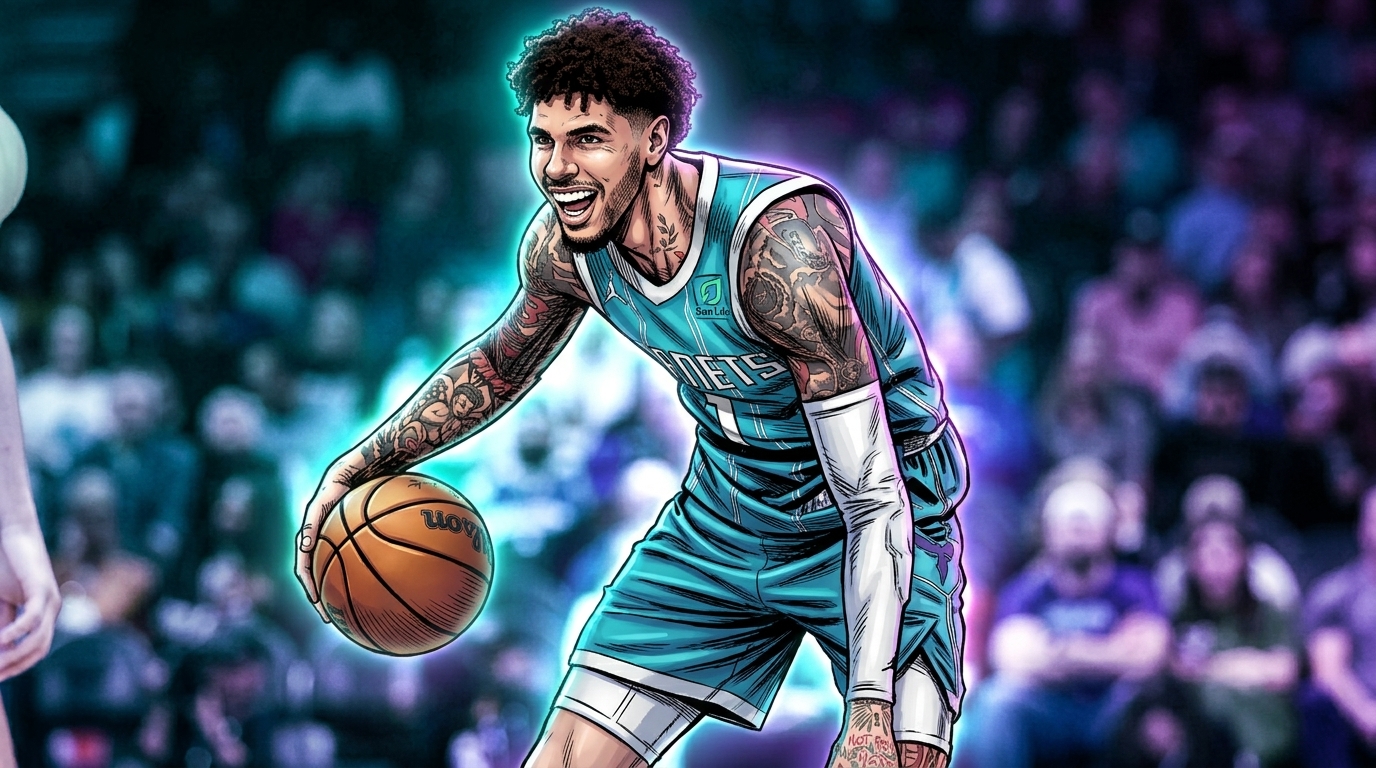

Charlotte traded LaMelo Ball to the Timberwolves, and the most unsettling part is that everyone involved looks smart.
That’s the problem.
Shams Charania reported the deal: LaMelo and Josh Green to Minnesota, Charlotte receiving Naz Reid, a 2033 unprotected first, three first-round pick swaps (2028, 2029, 2030), three second-rounders, and the largest traded player exception in NBA history at $40.8 million. It’s a 4-team trade (the Bulls and Nets reshuffling pieces around the edges), and on paper, both primary parties came out ahead.
Charlotte’s contradiction was always structural. They built an entire franchise identity around a ball-dominant, high-usage creator whose theatrical style made surrounding roster construction a nightmare. You couldn’t build around LaMelo without converting everyone else into a role player, but LaMelo’s game required better than role players to reach its ceiling. Every move the Hornets made felt like an attempt to solve a puzzle that LaMelo himself had scrambled. He was simultaneously the ceiling and the floor. Trading him isn’t defeat. It’s the organization finally admitting what the math said for three years running.
https://x.com/ShamsCharania/status/2070135940530446339
The haul reflects that clarity. Naz Reid is a legitimate rotation piece, a player who can actually contribute and not a salary-dump placeholder in a superstar trade. The pick capital is franchise-altering. Charlotte extracted real value from a situation that was quietly deteriorating, and they did it without the desperation discount that follows a public falling-out. The $40.8M traded player exception gives them flexibility that didn’t exist before. This is a franchise reset executed cleanly.
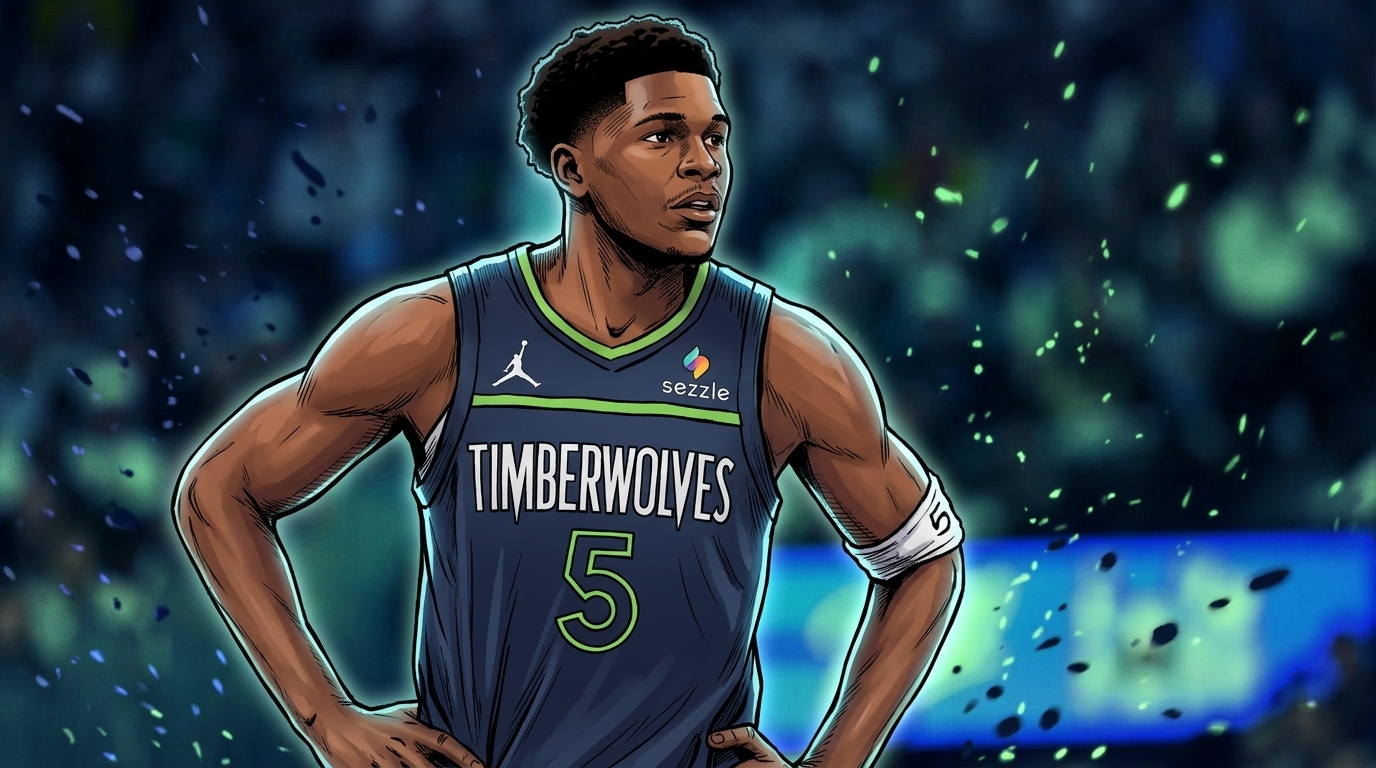
Minnesota’s logic is harder to dismiss than it should be. Anthony Edwards is locked in through 2028, a genuine cornerstone on a contract that still makes sense for the team. LaMelo arrives on his existing max deal: three years, roughly $130.7 million remaining through 2028-29, no new extension. The argument is that two ball-dominant stars coexist when the system is built around spacing rather than either player’s gravity, so that each player’s ability to create off the dribble becomes complementary rather than redundant. It’s the same argument OKC made when they built around Shai Gilgeous-Alexander: one dominant initiator doesn’t need a co-star, he needs shooters who punish the defense that collapses on him. OKC spent four years proving that theory correct.
My brother texted me the second the news broke: “is this the Westbrook-Durant thing again.” The counterargument has real teeth. Two ball-handlers who both need the rock have historically struggled. The chemistry looks fine until it doesn’t, and then everything unravels at once, loudly and publicly. The Durant-Westbrook pairing in Oklahoma City spent years looking functional before it fractured under exactly that weight. Shared usage masks friction until the pressure mounts, and by then the damage is done.
But the distinction that matters is this: both Edwards and LaMelo have demonstrated a genuine capacity to function off the ball when the situation demands it. This isn’t two players who are exclusively primary initiators. It’s two players who prefer it but can adapt. Spacing makes it work. The absence of spacing makes it a disaster, and Minnesota’s front office understands the difference. The question is whether they’ll build the roster to enforce it or drift toward putting two stars on the same side of every action — which is how you get a beautiful mess instead of a championship.
The evidence says Minnesota made a reasonable bet. The concern isn’t that the trade is bad.
It’s that “reasonable bet” has never been the phrase you’d use to describe either of these franchises — and that novelty alone should make you watch what happens next very carefully.
Two ball-handlers, one ball, and everyone’s suddenly confident it works out.