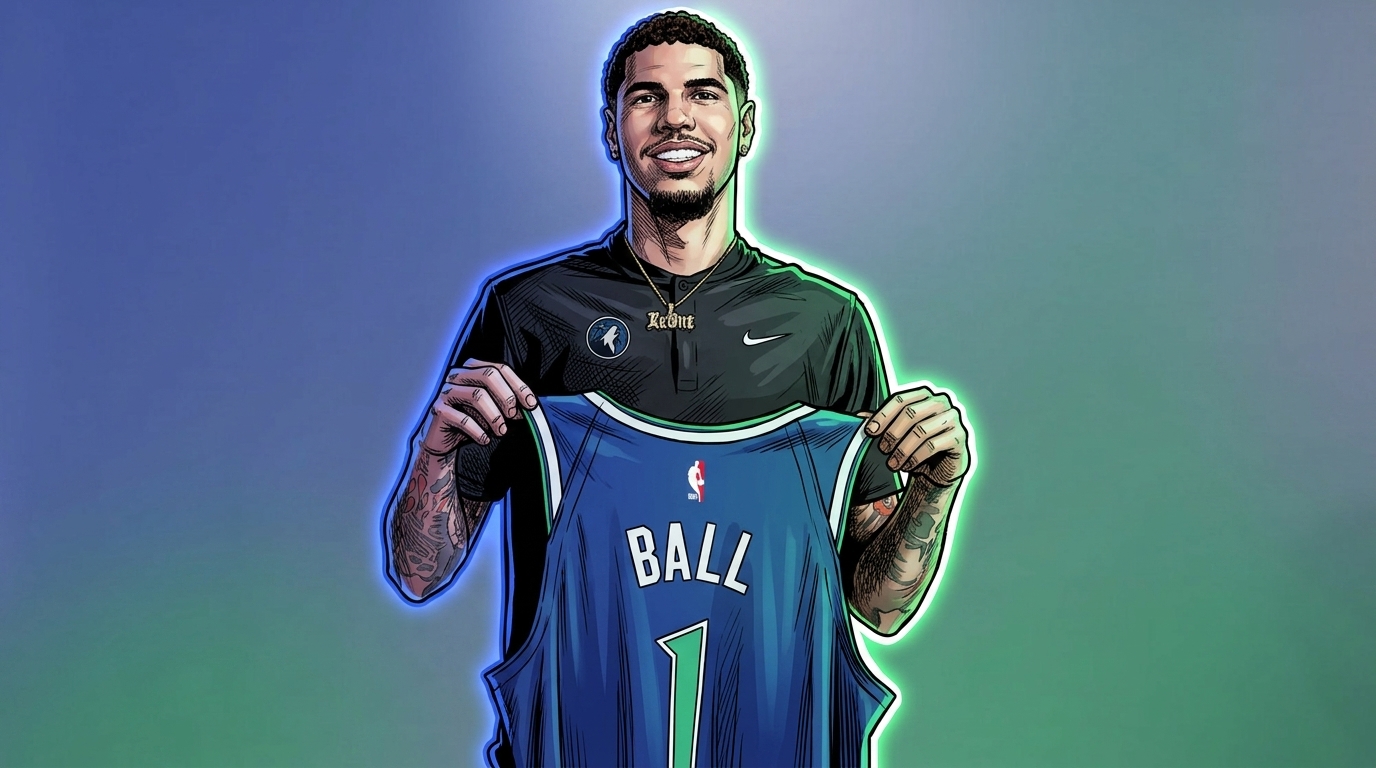

I don’t think the Charlotte Hornets did anything wrong by trading LaMelo Ball, and that’s the part that actually bothers me. It took the front office six seasons, 139 losses, and three separate play-in flameouts to reach a conclusion the record was screaming by year two.
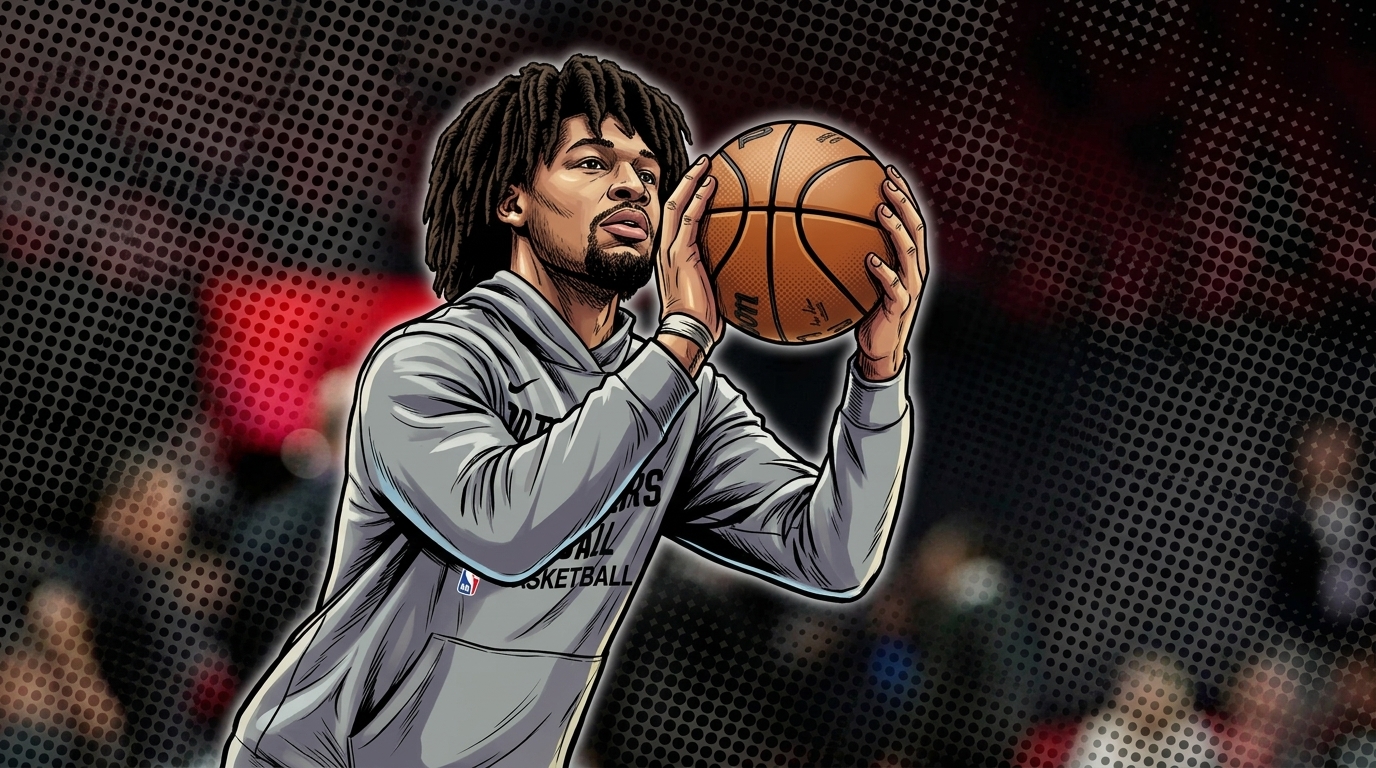
Mechanically, the trade is simple: Charlotte sent LaMelo Ball and Josh Green to the Minnesota Timberwolves. In return they got Naz Reid, an unprotected 2033 first-round pick, first-round pick swaps in 2028, 2029, and 2030, and three second-round picks. ESPN laid out the full return, and if you read that package cold, without knowing who Ball is, you’d assume Charlotte just traded a guy who never developed into anything. That’s not what happened. Ball was the No. 3 pick in 2020, an All-Star in 2022, and coming off his best season in years. Teams don’t extract a full rebuild’s worth of draft capital for players who were good. They extract it for players who were good enough that somebody else believed the flaw was fixable.
So why’d Charlotte let go of a lead guard who’d just posted 20.1 points, 7.1 assists, and 4.8 rebounds across 72 games, his healthiest season since 2021-22? Because none of it ever translated into anything. Over six seasons with Ball on the roster, the Hornets went 139-164. They made the Play-In Tournament three times and lost all three. Zero playoff games. Six years, zero playoff games, one honest mirror. That’s a ceiling, not a slump, and eventually a front office has to decide whether it’s the roster around the star or the star himself holding the line in place.
That 2025-26 season is the part that should bother you if you’re inclined to defend this trade as pure asset management. Ball played 72 games, his most since his second season in the league. Charlotte won 44 games, its most since 2016. And they still missed the playoffs, which means the Hornets are still sitting on the longest active playoff drought in the NBA. Ball’s best year in Charlotte and the franchise’s best record in nearly a decade combined to produce the exact same nothing as every year before it. If that’s the season that finally convinced the front office to blow it up, the problem was never really about wins.
Hornets GM Jeff Peterson said as much himself, at Summer League, when reporters asked him to explain the hardest call of his tenure:
“These decisions are challenging at times, but when you look at the totality of the season and everything of where we were, it’s important to take an honest look in the mirror of where you guys are as a team… the goal is not just to get to the play-in. The goal is being in the playoffs on a consistent basis and then ultimately contend for championships.”
Peterson is standing in front of cameras describing a moment of institutional self-reflection that took six seasons, 139 losses, and three play-in exits to arrive at. Nobody’s extorting anybody here, and no division rival outmaneuvered Charlotte into this. A franchise just watched the same failure repeat itself for half a decade before finally calling it what it was. I’m not mad at Charlotte for trading LaMelo Ball. I’m mad it took an honest look in the mirror this long to happen, and that “honest look in the mirror” corporate-speak is somehow getting sold as a virtue instead of what it actually is: a franchise admitting, six years and 139 losses too late, that it had been shitting the bed exactly as badly as the standings said it was.
Naz Reid, the return’s headline non-pick asset, is a real player, the NBA’s 2024 Sixth Man of the Year who averaged 13.6 points last season, but he’s a role player being plugged into a team that’s rebuilding around Brandon Miller and Coby White. Naz Reid and a mountain of picks is a full rebuild price, and Charlotte paying it tells you the front office isn’t pretending this is a lateral move. It’s a teardown with a jersey number attached.
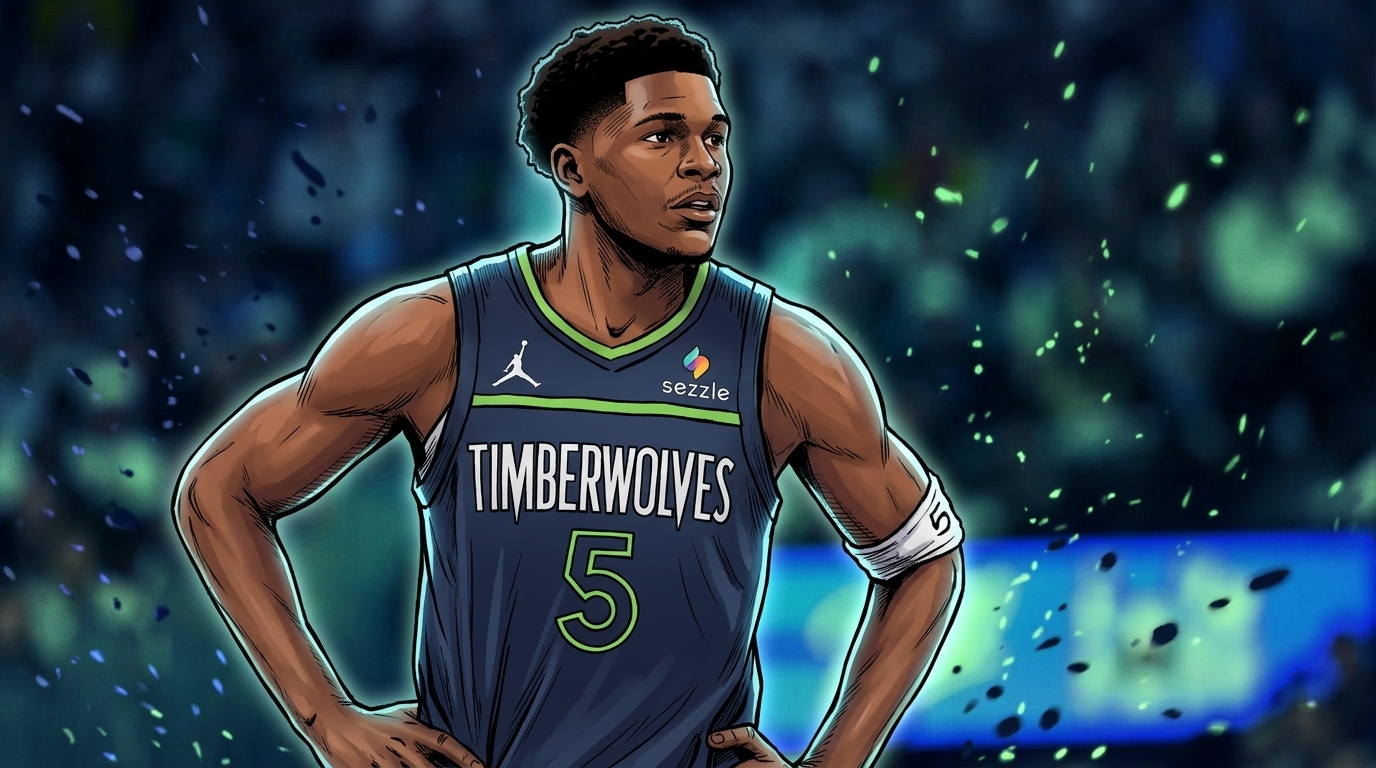
Minnesota’s side of this is the more interesting bet, honestly, because it’s the exact inverse problem. The Timberwolves went after Ball specifically to fill a point guard vacancy next to Anthony Edwards, beating out reported interest from the Raptors and Trail Blazers. Two guards who have each had the ball in their hands their entire careers now have to share one. Minnesota’s backcourt experiment is the offseason’s defining storyline up there, and it’s already generating reaction before a single preseason possession has been played.
The behind-the-scenes look at how the front office actually got there is messier than any press conference:
https://twitter.com/LegionHoops/status/2090821243637535111
Both teams are heading into training camp this fall having made a bet on the exact same guy, in opposite directions, for opposite reasons. Charlotte bet that six years of losing outweighed whatever Ball’s ceiling still is. Minnesota bet the opposite — that pairing him with a co-star finally solves the thing Charlotte never could. Somewhere in the rest of this NBA offseason, both franchises are going to find out which one read the player correctly, and only one of them gets to be right.