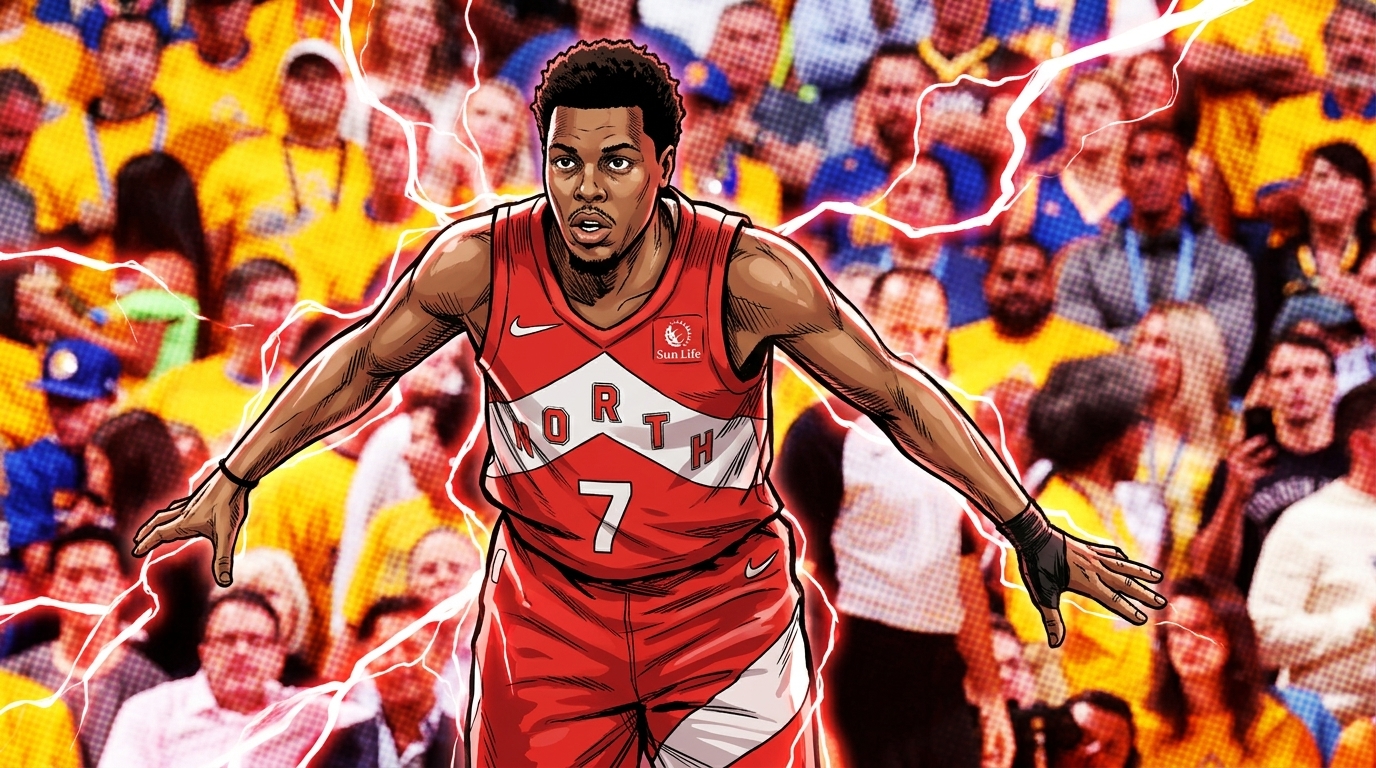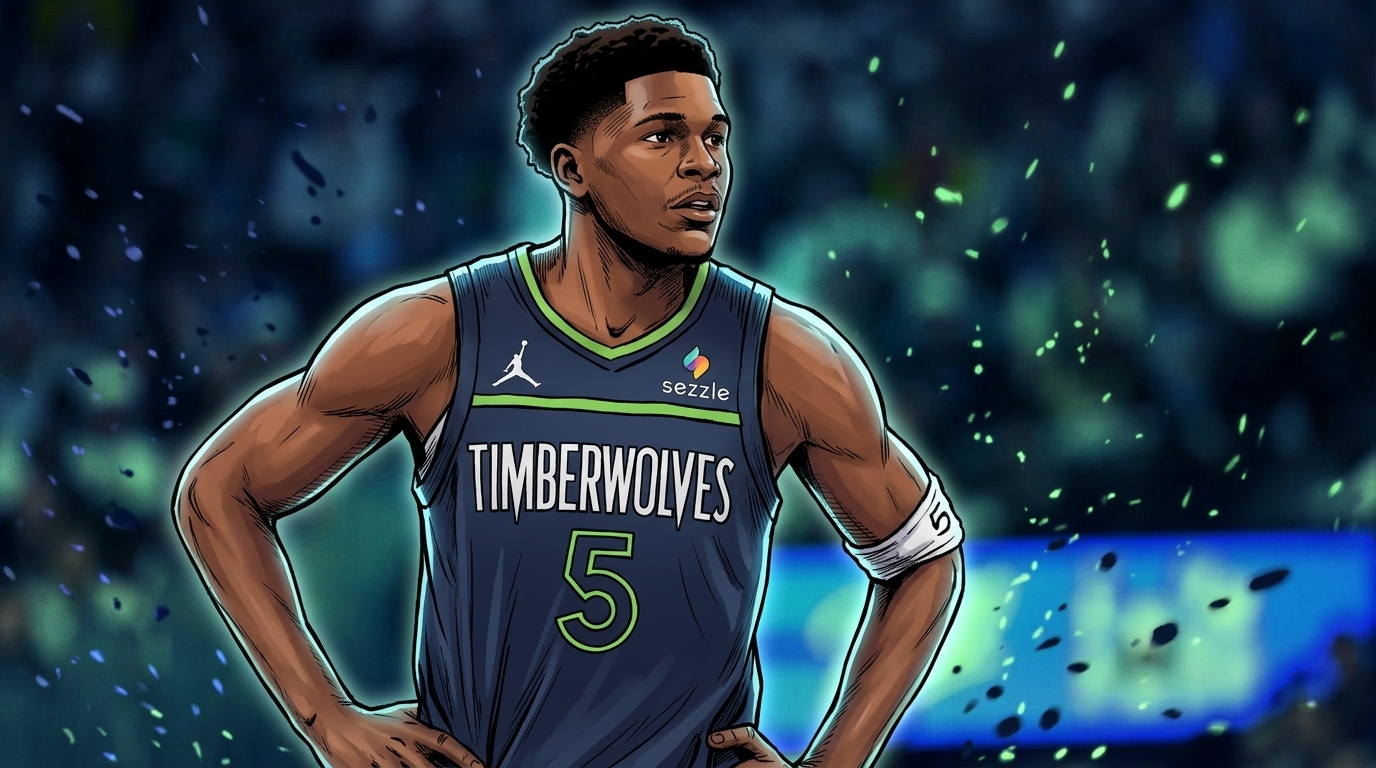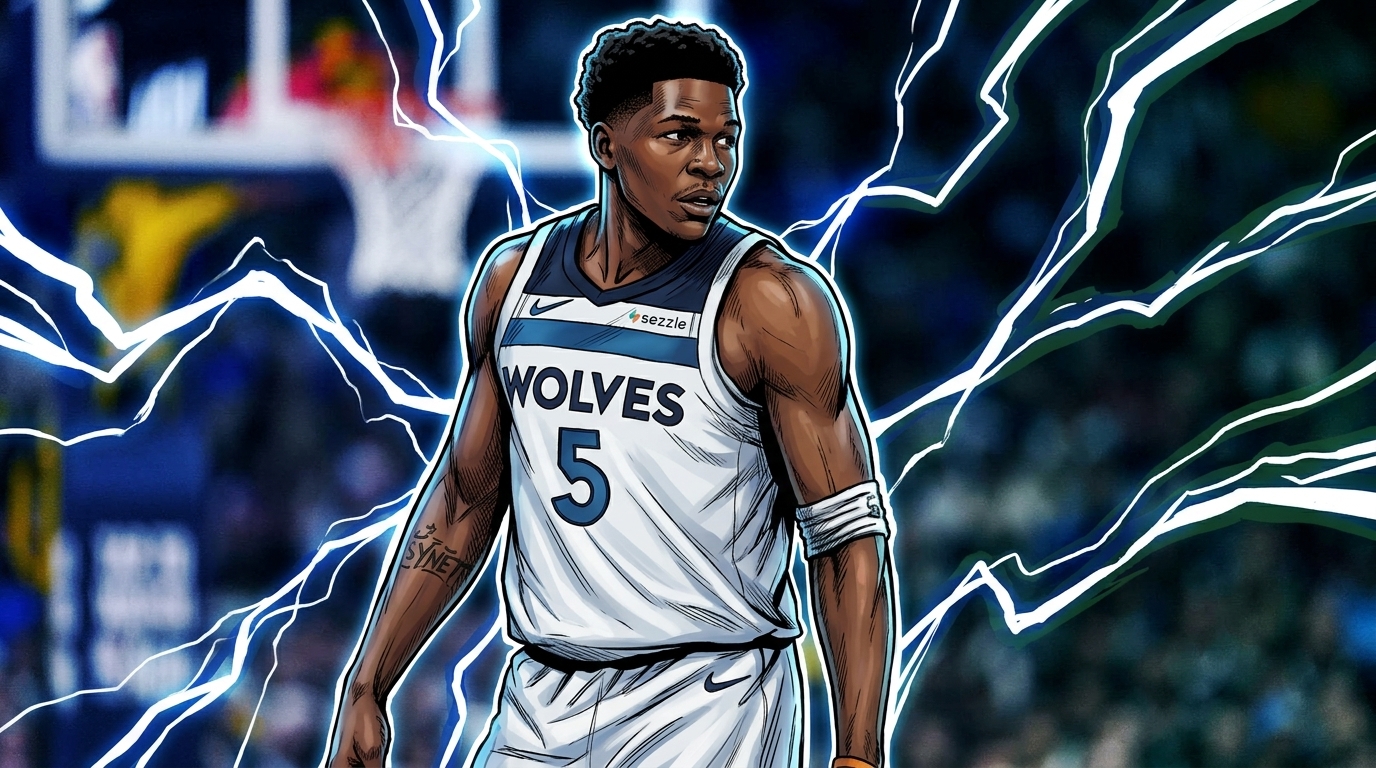

There have been exactly two backcourt duos in NBA history who both ranked in the top five in pull-up three-point attempt rate at the same time. Two. The first was James Harden and Chris Paul in Houston. The second was Damian Lillard and CJ McCollum in Portland. Neither of those teams won a championship — but both of them kept defenses awake at night for years.
Minnesota is about to become the third.
The four-team trade sending LaMelo Ball to the Timberwolves went through on June 25th, and the basketball internet spent 48 hours debating whether Tim Connelly has genius-level vision or a gambling problem. The answer, like almost everything interesting in this league, is that it’s both. Minnesota’s offensive ceiling just jumped higher than it’s been in franchise history. Their defensive floor dropped just as far. And the critical question isn’t whether those two things are true — the data is pretty unambiguous that they are — it’s whether Anthony Edwards can metabolize both roles simultaneously. His 2025-26 season suggests he couldn’t manage it even before LaMelo arrived.
What Does LaMelo Ball Actually Add to This Offense?
Start with the simplest version of the problem Edwards has lived with since the Karl-Anthony Towns trade. He averaged 28.8 points, 5.0 rebounds, 3.7 assists, and 1.4 steals on 48.9 percent shooting last season — numbers that put him in the conversation for the best two-way guard in the league. But defenses knew exactly what they had to do: throw two bodies at him and make everyone else beat them. He was tired of it. He said so publicly.
LaMelo Ball is the specific answer to that specific problem. In Charlotte last season, LaMelo put up 20.1 points, 7.1 assists, and 4.8 rebounds across 72 games — his first near-healthy season since his rookie year, given he played only 43 percent of games between 2022 and 2025. More importantly for what Minnesota needs, The Ringer reported his 18.2 three-point attempts per 100 possessions was the highest rate in NBA history, and he ranked among the five most prolific pull-up three-point shooters in the league.
This is what Brian Windhorst meant when he said what he said:
https://twitter.com/NBA__Courtside/status/2070138821300113461
When you put a pull-up three specialist next to the most explosive finisher in the conference, the defensive math collapses for the other team. Send two at Edwards, LaMelo pulls up from the logo. Stay attached to LaMelo, Edwards gets a runway. For the first time since Minnesota shipped out Towns, the Timberwolves have a second player who forces a real decision on every possession. Their offensive ceiling is now legitimately elite.
Can Anthony Edwards Carry the Defensive Floor Alone?
This is the part nobody wants to sit with for very long.
Minnesota’s defense was 5.7 points per 100 possessions worse with Edwards on the court last season — ranking him in the 12th percentile among players who logged meaningful minutes. That number landed in a season where coach Chris Finch had already gone on record saying Edwards’ defense wasn’t negotiable: “It’s not negotiable for his defense to come back a little more.” It didn’t come back. It regressed.
LaMelo Ball is a documented defensive liability. Teams target him in pick-and-roll coverage. He avoids elite defensive assignments. This isn’t a knock specific to last year — it’s a consistent, multi-season pattern that opposing coaching staffs have already encoded into their scouting reports. Put him in a starting backcourt in May, and every Western Conference opponent has a simple game plan: hunt Ball in ball screens, make Edwards choose between helping and staying attached.
The optimistic read is that Edwards’ offensive load decreasing frees up cognitive and physical energy for defense. That’s the best bull case, and it’s a real one. Players who are asked to create for themselves on 35 percent of possessions do sometimes defend better when that number drops. The data gives that argument some room.
The problem is that the same data also shows Edwards couldn’t hold up defensively in 2025-26, when he was already Minnesota’s unquestioned first option and his offensive responsibilities were presumably comparable to what they’ll be now. If the burden was already affecting his defensive output, adding a second player who will draw defensive attention to the weaker side of the court doesn’t obviously solve that problem. It changes the shape of it.
Multiple Western Conference teams are going to build a first-round game plan around this. Minnesota’s opponents aren’t going to ignore two ball handlers with documented defensive question marks in the same lineup — they’re going to attack the weaker link on every screen until it breaks.
The Price of Excitement: What Minnesota Gave Up
Naz Reid won Sixth Man of the Year in 2024. He shot 38.4 percent from three over the past three seasons and was a cult hero in Minnesota — which matters more than it sounds, because cult heroes are rare, and what Reid provided was the kind of versatile, defensively engaged big off the bench that championship rosters typically refuse to trade.
Minnesota gave him up, plus a 2033 unprotected first-round pick and a collection of swaps and seconds, in exchange for LaMelo and Josh Green. The Wolves are now all-in on an offensive identity that they didn’t have two months ago, and they gave up their best defensive investment to get there.
The logic is familiar. Connelly ran the same calculation when he moved Towns: sacrifice depth and defensive stability for a transformational offensive piece, then trust the structure around that piece to compensate. It worked well enough to make back-to-back Western Conference Finals in 2024 and 2025 — the first time in franchise history. It didn’t work well enough to get past San Antonio last spring. This trade is the same bet, bigger.
LaMelo signed a five-year, $112 million extension with Minnesota after the deal closed. He’s not a rental. This is the identity the Wolves are committing to.
The honest projection: Minnesota finishes with a top-five offense in the Western Conference next season. They also finish with a defense that gets targeted systematically in the playoffs, and Edwards will be the player asked to fix it. He couldn’t fix it last year with less to carry. The ceiling gain is real and significant. The floor drop is real and significant. I don’t think those two things cancel out cleanly — and in a conference that still has Oklahoma City, Denver, and San Antonio playing high-level basketball, clean cancellation is probably what Minnesota needs.
The most exciting backcourt in the NBA is also the one that will tell us whether Connelly’s theory of building — offense first, trust the playoffs — has a ceiling of its own.