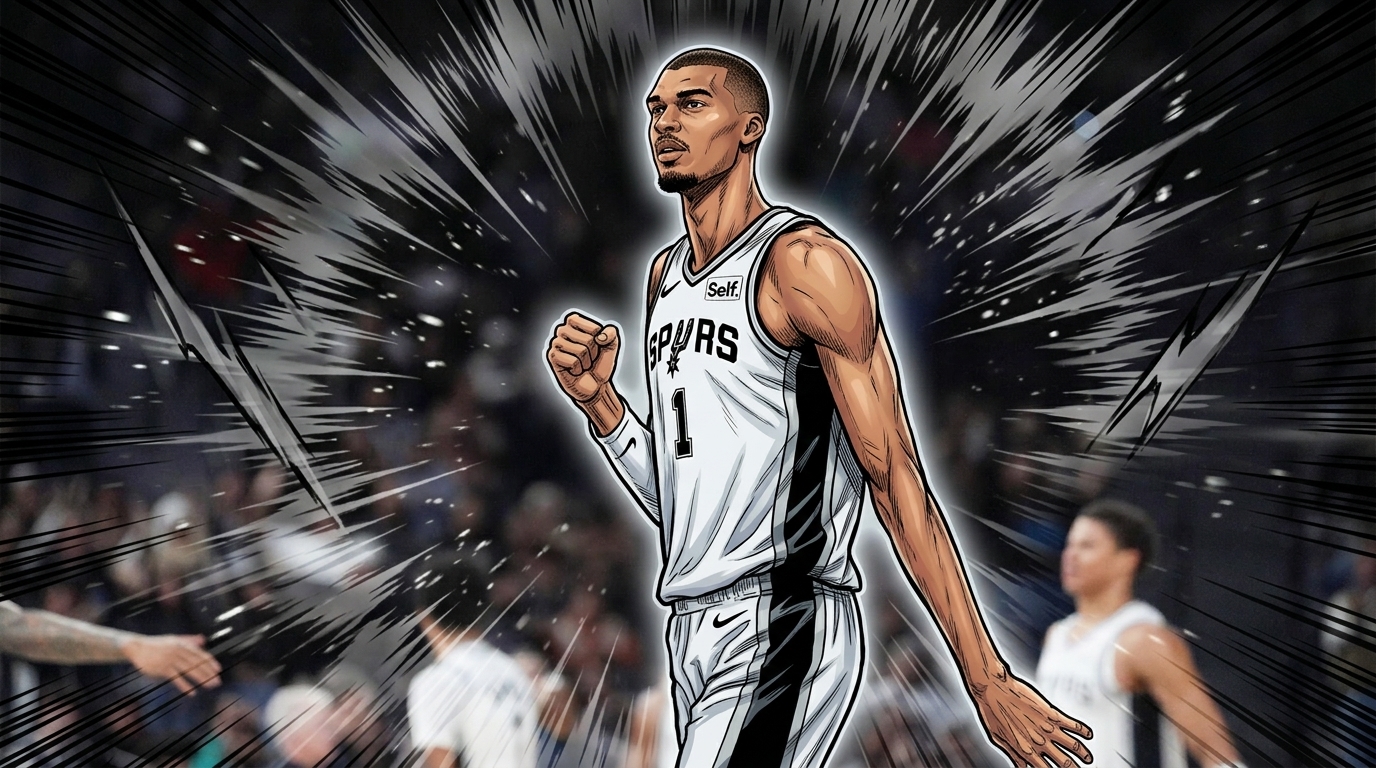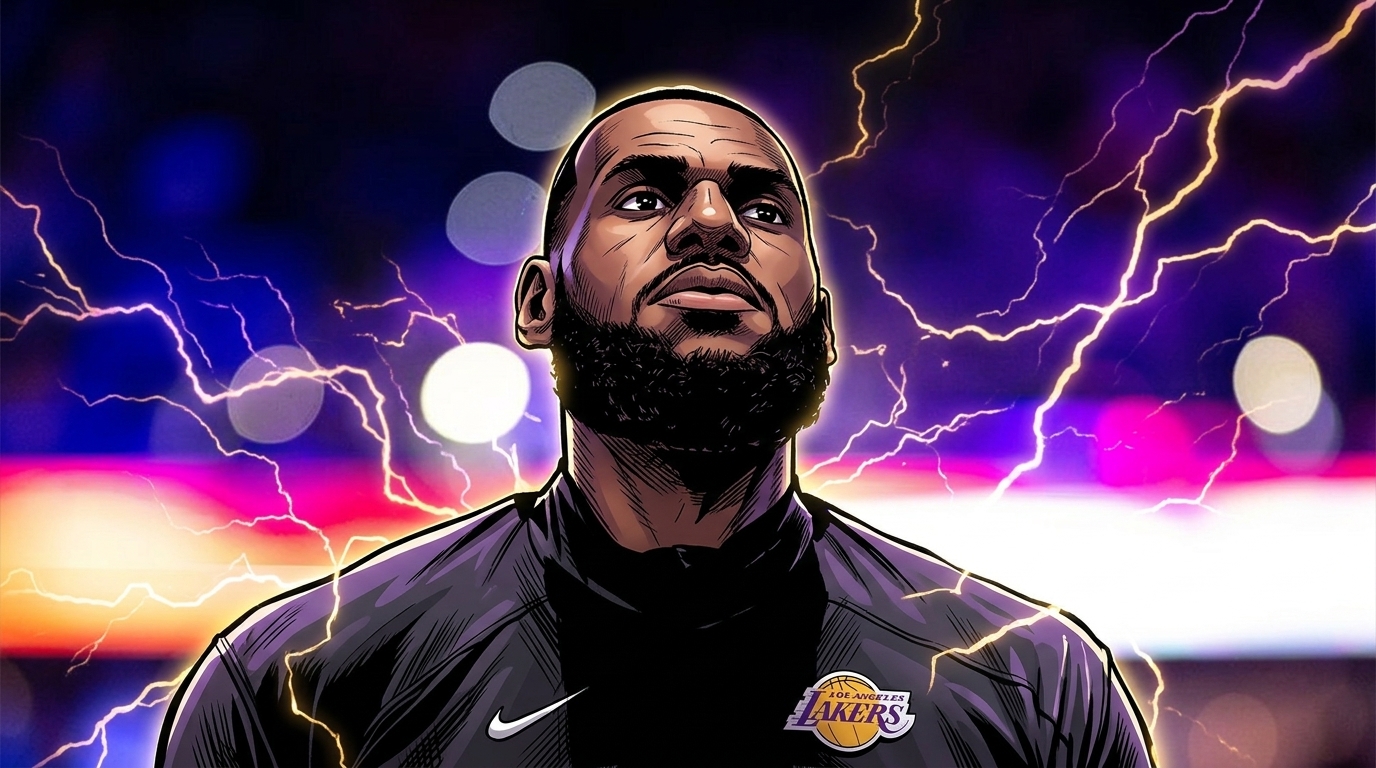

We’ve spent the better part of two decades assuming the NBA’s opening night runs through the Los Angeles Lakers. For the first time since LeBron James arrived in 2018-19, the league is staging opening night without them. This year’s Oct. 20 tripleheader, Celtics-Pistons, 76ers-Knicks, Thunder-Spurs, has no Lakers game anywhere on it, and that omission says more about where the league’s attention has moved than any single trade rumor could.
This isn’t just about LeBron leaving. It’s the league office confirming, with its own scheduling decisions, that Los Angeles isn’t the draw anymore. Eight straight years of opening-night placement doesn’t happen by accident. The NBA builds that night around whoever it thinks people will actually tune in for, and this year that’s Philadelphia-New York and Oklahoma City-San Antonio on NBC and Peacock. Layer in the Jonathan Kuminga sign-and-trade the Lakers still can’t close, and the picture stops looking like a rough offseason. It’s a franchise that lost its rebuilding-chip advantage the same week it lost its scheduling privilege.
Opening night isn’t just a game. It’s the league’s one unfiltered editorial statement of the year: the night TV partners and league officials decide, months in advance and with real money on the outcome, which teams are worth building the calendar around. A losing season doesn’t get a team left off that night on its own. A club can be bad and still headline it, because the placement is about audience gravity, not standings. That’s what makes this different from a normal down year: a bad record didn’t cost the Lakers this slot, a diminished pull with the national audience did.
James signed with the Philadelphia 76ers as a free agent in June, closing an eight-year run in Los Angeles that included the 2020 championship. (The banner still hangs. The era ended anyway.) He told the Lakers on June 30 that he’d be playing elsewhere, and the fallout reordered the league’s calendar from there: the league literally couldn’t finalize the schedule until LeBron picked a team, a detail that places this year’s Lakers opening-night snub downstream of one player’s decision, not a broader plan to punish the franchise.
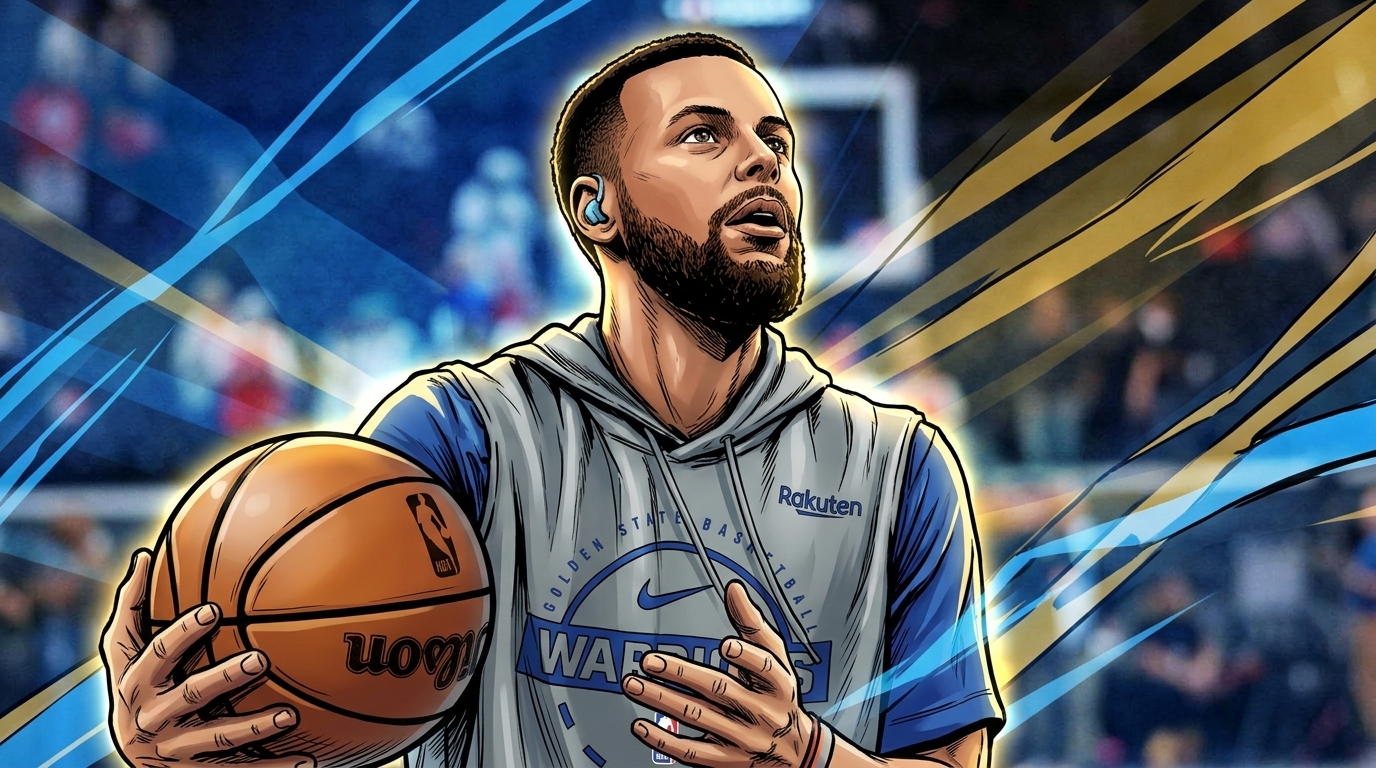
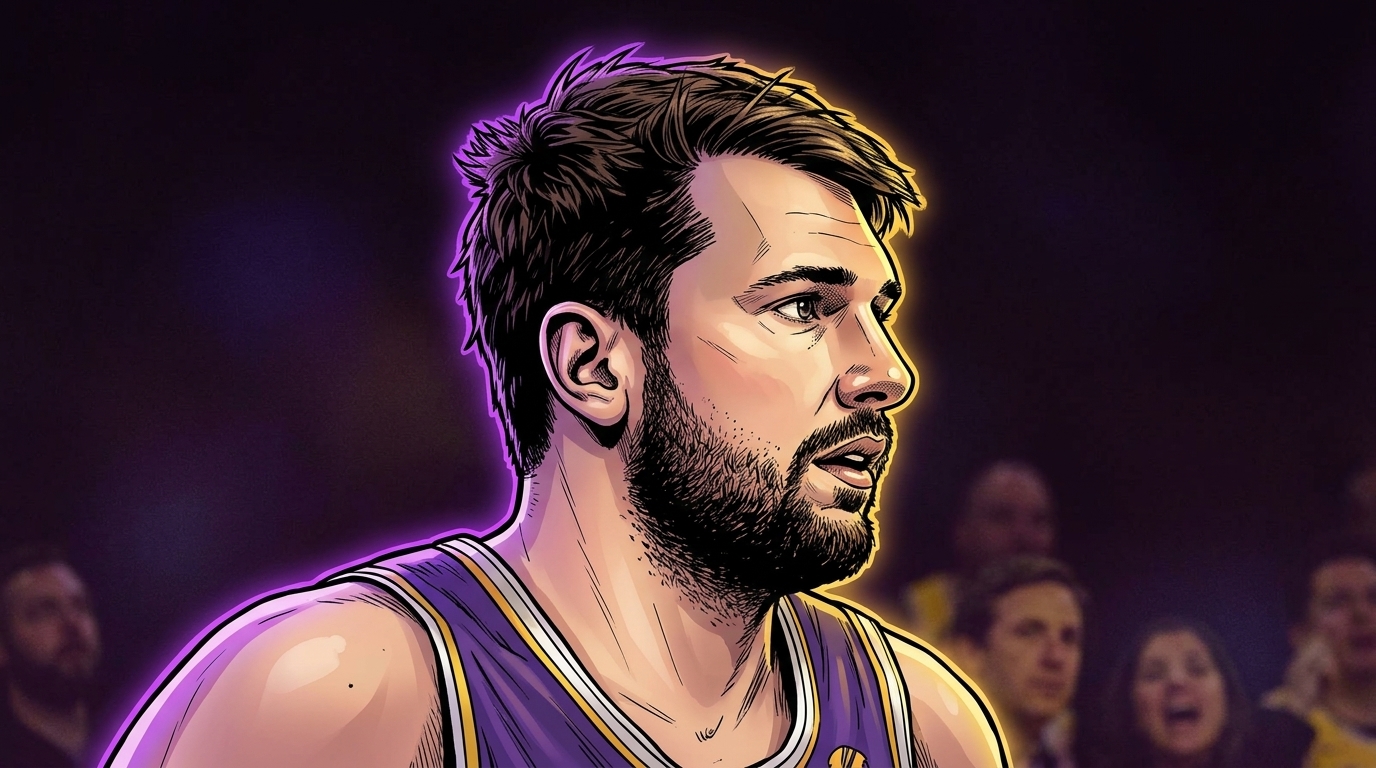
The Lakers get their opener a day later, an Oct. 21 ESPN doubleheader against Stephen Curry and the Warriors, with Luka Doncic fronting the post-LeBron roster for the first time. Doncic against Curry is a legitimate matchup. It simply isn’t opening night, and the gap between a good game and the night the league builds its whole broadcast calendar around is exactly the distinction the Lakers used to be exempt from. That distinction matters more for a team mid-transition than for a settled contender. Doncic and Austin Reaves are still establishing what this roster looks like without a future Hall of Famer anchoring the marketing plan, and the real test of national appetite for that version of the Lakers won’t come from a marquee broadcast slot. It’ll come from ratings on a Tuesday in November, when the league isn’t choosing the matchup for them.
LeBron will still see his old team this season. The Christmas Day slate — the same release that answered whether LeBron’s Sixers would even get Christmas Day — anchors around a Lakers-76ers rematch, so the league isn’t erasing Los Angeles from the calendar entirely. It’s just no longer building the biggest night of the year around them by default. (This is the same league office that spent the whole summer routing its marquee broadcast windows around Los Angeles instead of through it.)
The front office didn’t sit still while this happened. It rebuilt around Doncic and Reaves, who got paid the same week LeBron walked out, then added complementary pieces around them: Walker Kessler at center, Quentin Grimes and Collin Sexton for shot creation, Kevon Looney for rebounding depth. That’s a real offseason on paper. It just isn’t an offseason that earns a national opening-night slot. None of those additions replace a top-five talent’s gravitational pull on a broadcast schedule, and the front office knows the difference between a deep roster and a marketable one better than anyone outside Los Angeles.
What it also isn’t, yet, is finished. The Lakers and Hawks remain far apart on terms for a Jonathan Kuminga sign-and-trade: Atlanta wants the 2032 first-round pick swap that’s Los Angeles’ only remaining tradeable first, and the Lakers have declined to include it. Kuminga is seeking roughly $25 million a year; the Lakers’ offer has been $20 million total over two seasons. Whatever else that gap is, it isn’t close. Twenty million spread across two seasons averages out to a fraction of the annual number Kuminga is asking for, and that kind of spread at his expected price point isn’t a rounding error. It’s a gap that usually means at least one side doesn’t believe the leverage sits where the other side thinks it does.
Cleveland was the other team most linked to Kuminga this summer. It signed free agent forward Mario Hezonja instead, and NBA insider Brett Siegel laid out what that leaves behind:
https://x.com/BrettSiegelNBA/status/2081428000763940947
A sign-and-trade market of one isn’t leverage. It’s the Lakers negotiating against nobody and still not getting a deal done, which says something about how much internal disagreement, not competing offers, is holding this up. (Atlanta hasn’t had a rival bid to work with since Cleveland took Hezonja off the board.) Nobody is competing with Los Angeles for Kuminga. Los Angeles still can’t close.
I think the schedule is the most honest signal in this entire offseason. Front offices spin trades, players spin free agency, but broadcast scheduling is math: years of viewership data feeding a decision about which three games get the national window. Boston-Detroit, Philadelphia-New York, Oklahoma City-San Antonio got it this year, and the Lakers didn’t. That’s a verdict rendered before a single possession tips off, and it’s not one a press release can talk its way out of.
None of that makes the Lakers irrelevant. Doncic is a top-five player, Reaves just got paid to be the second option on a team built to compete, and a Kuminga arrival, whenever it actually happens, would raise the ceiling further. But relevance and priority aren’t the same thing, and the schedule just told viewers and advertisers which one applies to Los Angeles this year. A fast start against a marquee opponent would do more to reset that read than any front-office statement could, and a slow one will only confirm what the schedule already decided. Watch whether the Kuminga sign-and-trade closes before camp opens, and watch how the Lakers look against Golden State on Oct. 21 — that’s the answer to whether the schedule undersold them or read them correctly.