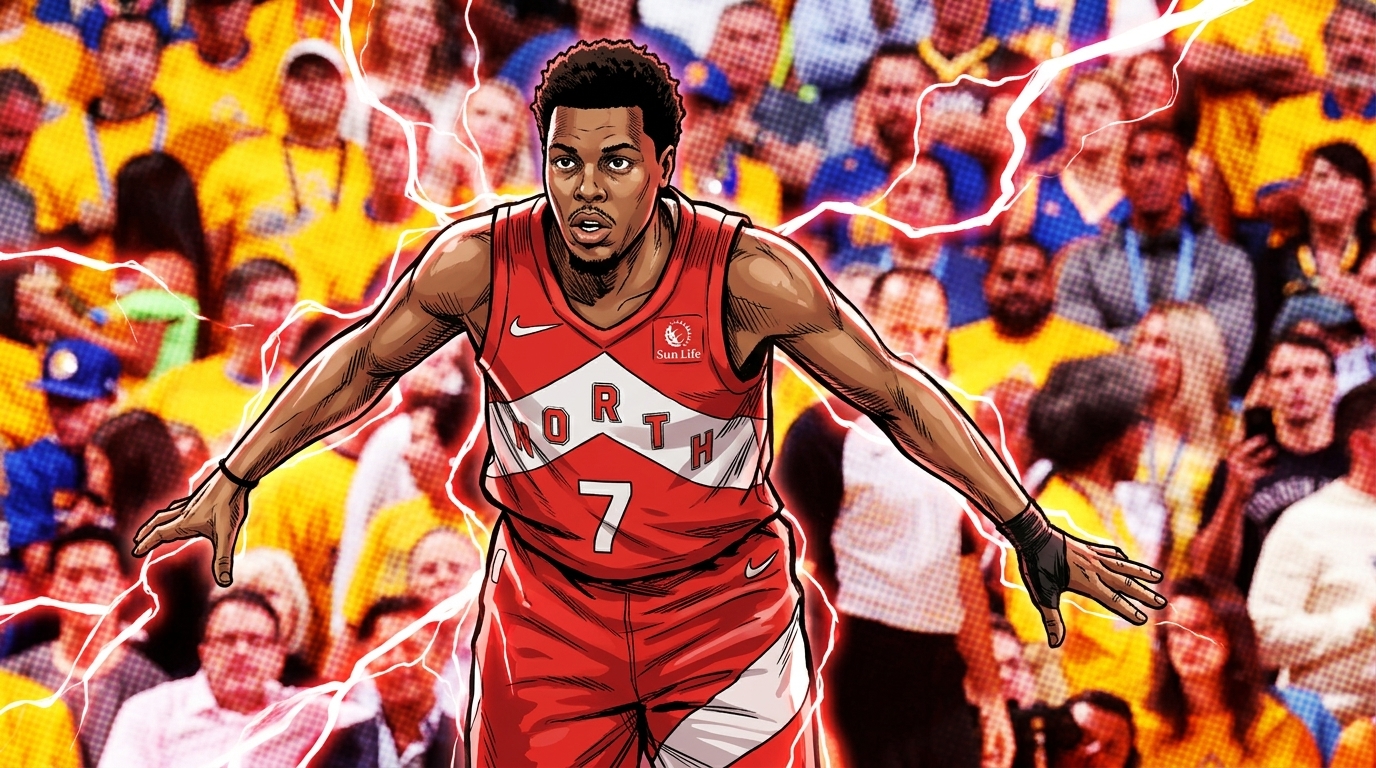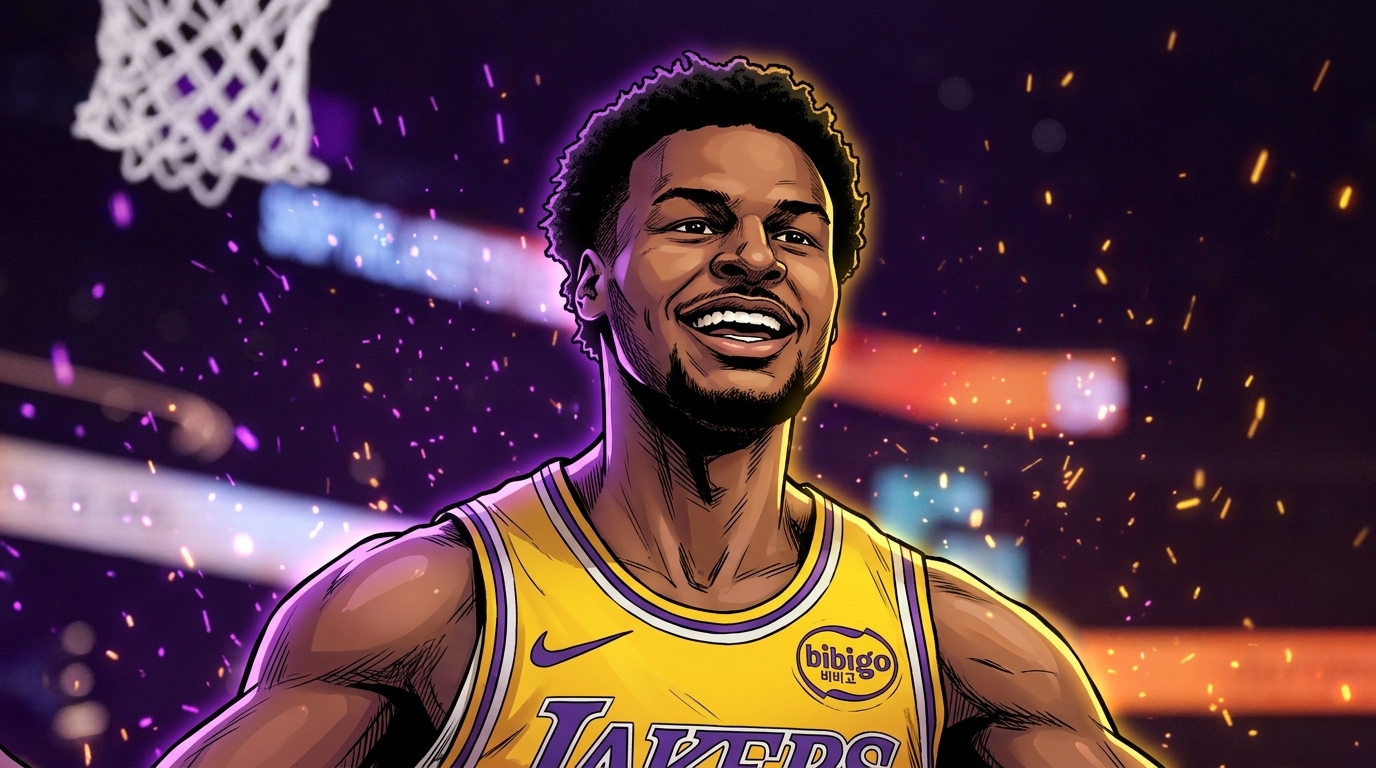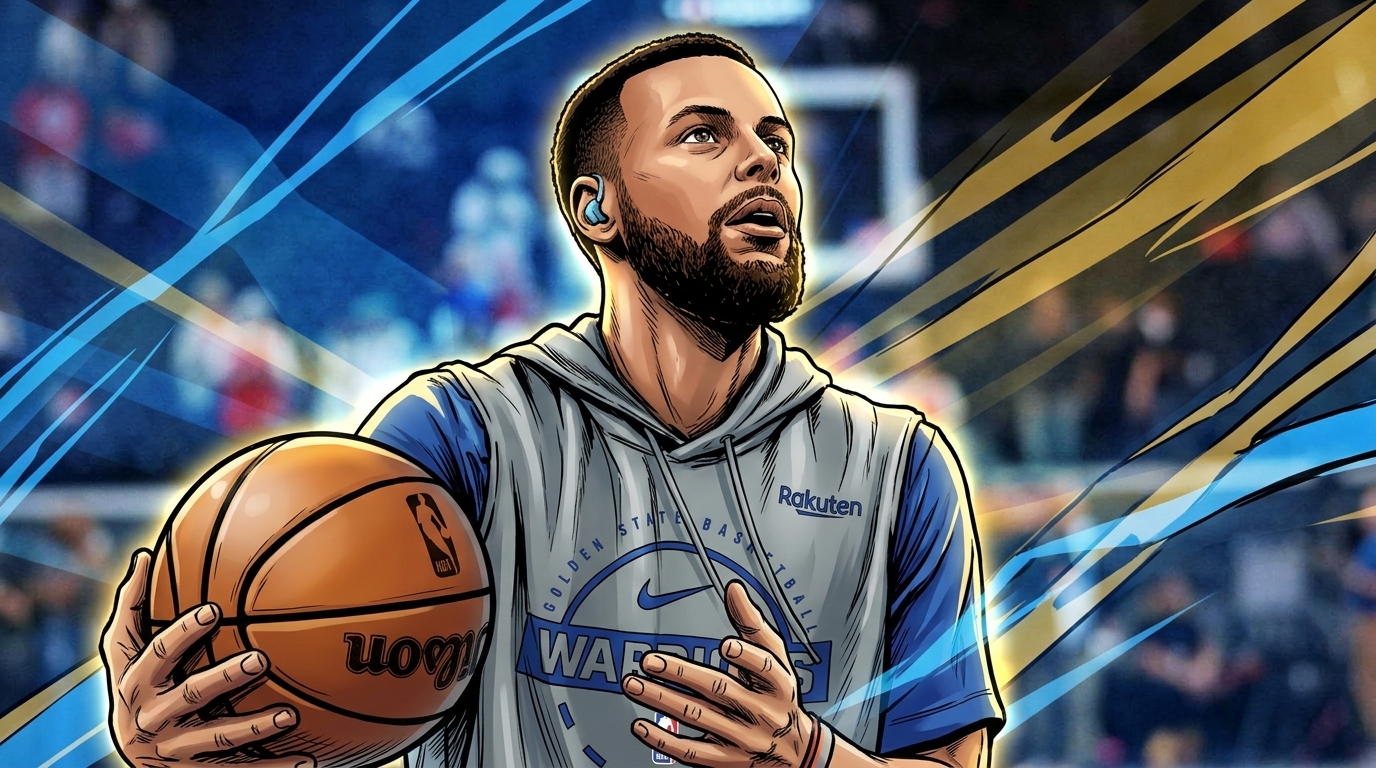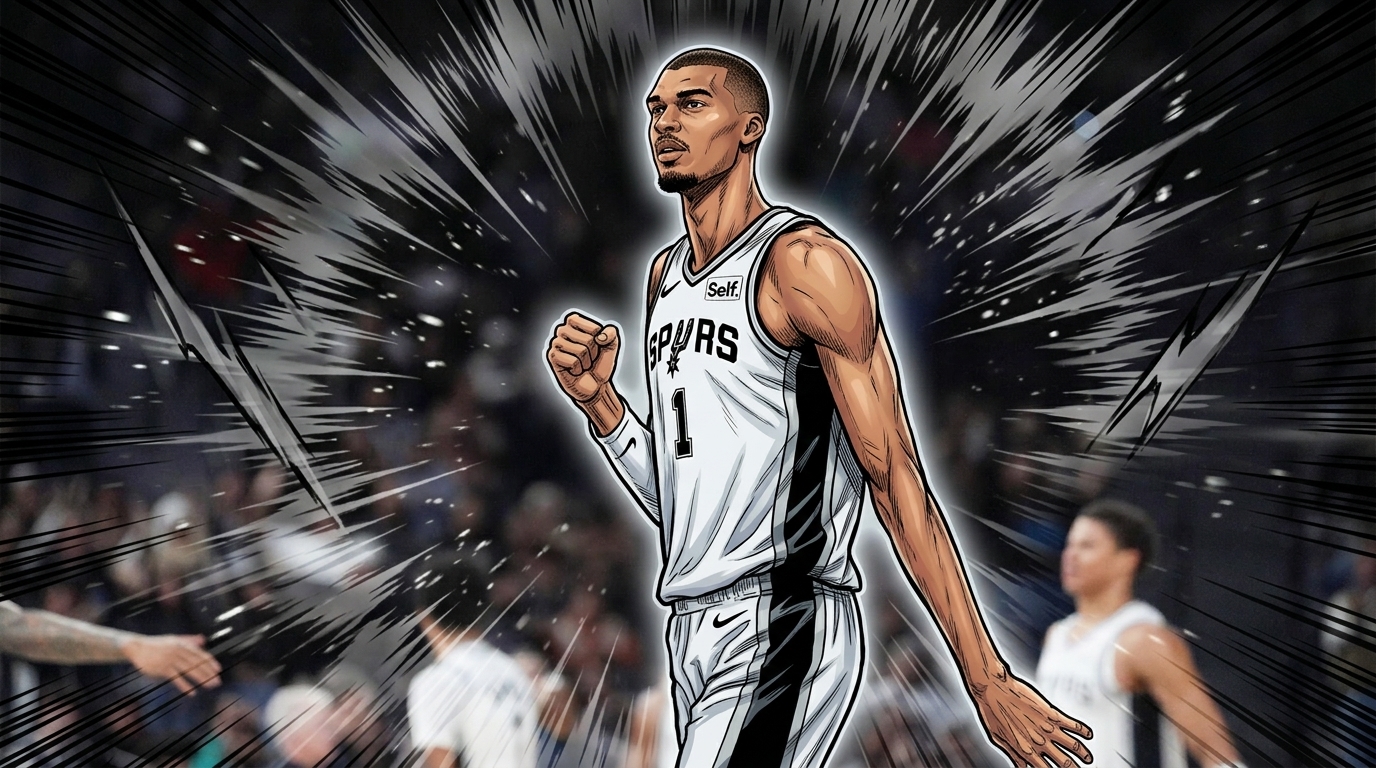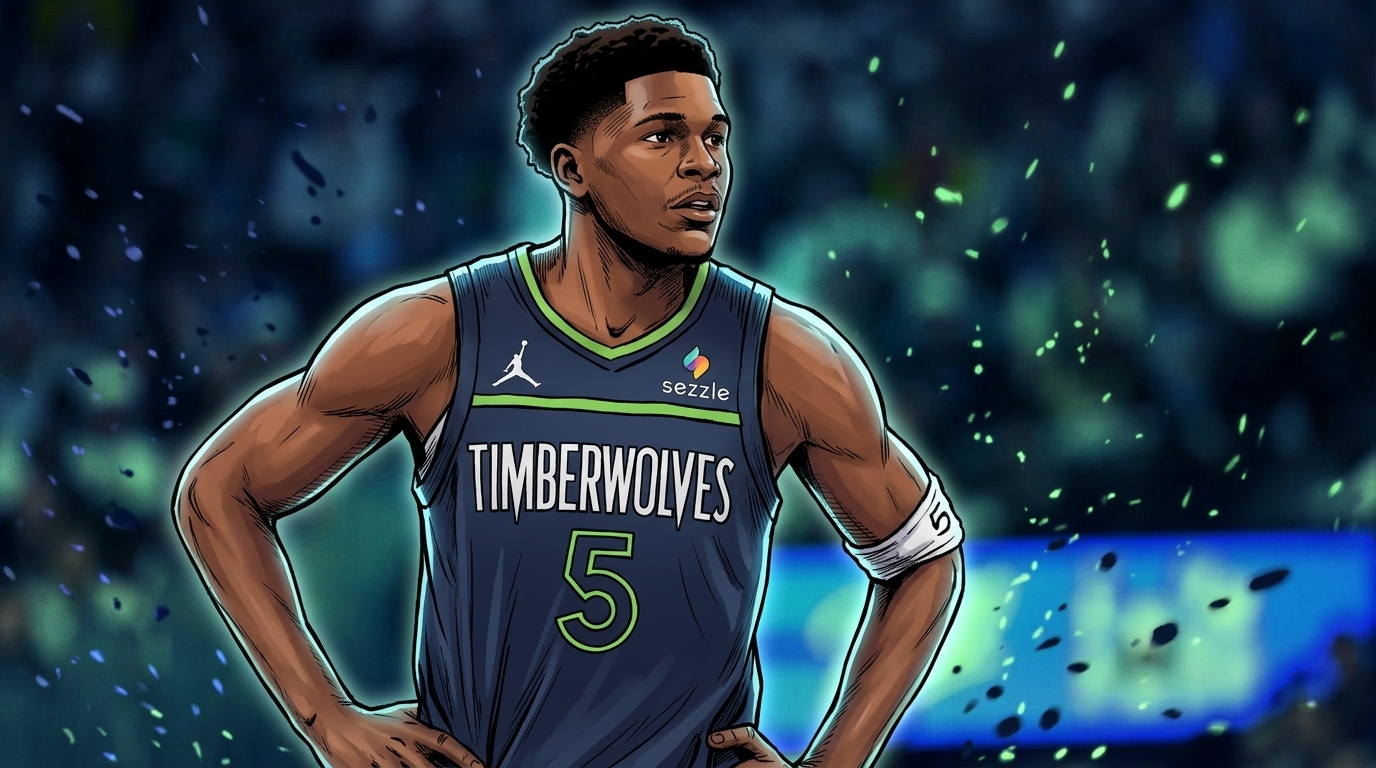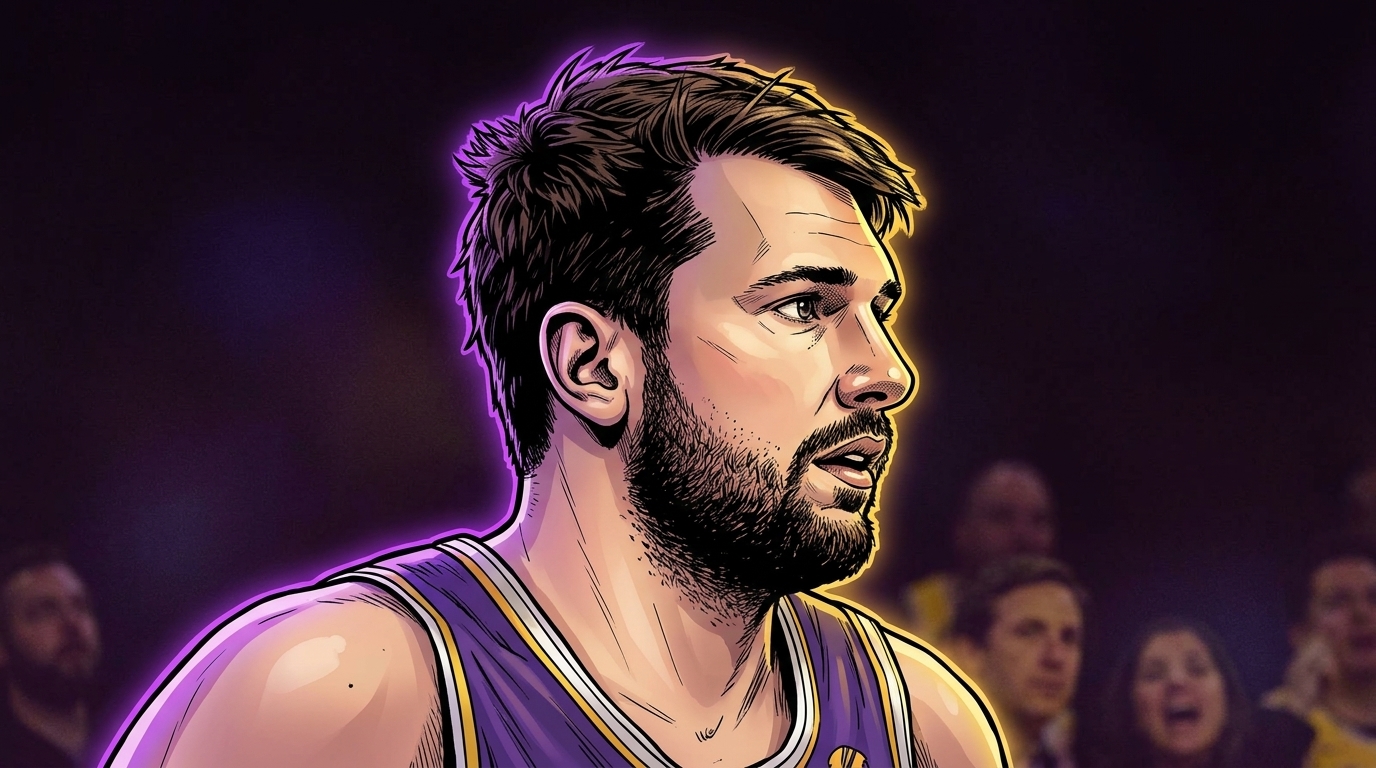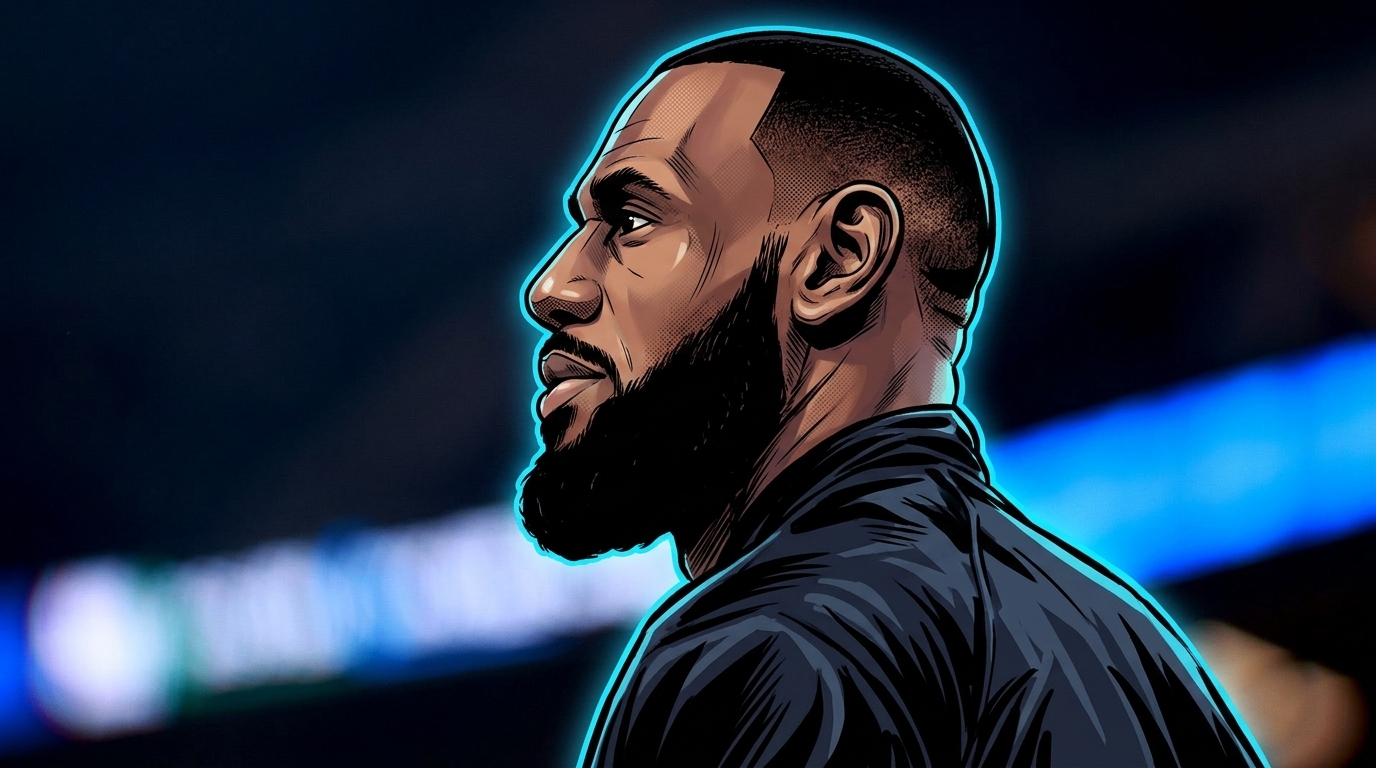
Knicks ring night ticket prices are already north of $2,000 just to get in the building, because MSG stacked the banner ceremony and LeBron’s Sixers debut into one night and knew exactly what that would do to demand. Get-in tickets for the October 20th game were fetching roughly $2,200 within hours of the schedule dropping, lower-bowl seats were starting past $3,000, and stray listings pushed close to $5,000 — before anyone’s bought a beer. That’s not a ticket price. That’s a toll on the one night the Knicks are calling a celebration.
I have zero rooting interest in protecting the Knicks’ feelings on this one. I’m a Philly guy down to the marrow: Sixers, Eagles, Phillies, Flyers. And I spent four years at Rutgers studying how institutions engineer scarcity to justify what they charge for it afterward. What happened to Knicks-Sixers ring night ticket prices isn’t complicated once you look at the mechanism. They took two things that can only ever happen once and scheduled them for the same three hours of national television.
Start with what actually happened on the court. The Knicks beat the Spurs 4-1 in June, closing it out 94-90 in Game 5 for the franchise’s first championship since 1973. Jalen Brunson put up 45 points in that clincher and won Finals MVP doing it. That’s a fifty-three-year wait ending in real time, the kind of banner a generation of season-ticket holders bought their seats hoping to see once before they died.
Then LeBron James signed a two-year, $8 million deal with the Sixers this summer, calling it his “last decision,” and slotted in alongside Joel Embiid, Tyrese Maxey, Jaylen Brown, and rookie VJ Edgecombe. The league framed the whole thing as a legacy victory lap in its own writeup of the signing.
Two things that never repeat. Instead of spacing them across a six-month calendar, the NBA scheduled LeBron James’ Sixers debut and the Knicks’ championship ring ceremony for the exact same night: October 20th, 7 p.m., NBC and Peacock, sold as the league’s marquee season opener. Knicks opening night in 2026 was never going to be cheap. Turning it into a ring ceremony against the league’s most famous free-agent signing in a decade made it something else entirely.
Here’s what that decision did to the market:
Get-in tickets were already fetching roughly $2,200 on SeatGeek immediately after the schedule dropped, according to a Front Office Sports report on the pricing.
Other listings backed that up and then some: cheapest seats around $1,743, lower-bowl tickets starting near $3,348, and stray postings creeping toward $5,000.
https://twitter.com/LegionHoops/status/2087224918010438133
https://twitter.com/TheDunkCentral/status/2087224754012832066
None of this is new territory for this building, and it explains why Knicks-Sixers ring night ticket prices spiked the moment the schedule posted. Get-in prices for Finals Game 3 at the Garden this June hit $8,000, and a pair of celebrity seats auctioned for as much as $1 million for charity. MSG already ran this exact experiment once this year and watched the resale market respond. Scheduling the highest-leverage night of next season with that data already in hand isn’t an accident. It’s a cold, bullshit business decision dressed up as a celebration.
To be fair about the mechanics: nobody at the box office is literally charging $2,200 at face value. This is StubHub, SeatGeek, and Vivid Seats pricing what the schedule created, not the Knicks setting a number themselves. But a franchise that puts a title-drought-ending banner night on national television against a rival’s most famous new player isn’t naive about what that collision does to resale demand. Engineered scarcity doesn’t need anyone typing a price into a spreadsheet. It just needs a calendar and a broadcast contract, and MSG has both.
Picture the family that’s kept two seats in the same section since the Ewing era, through Isiah Thomas running the front office into the ground, through the tank years, through every half-measure the Knicks tried before this roster finally worked. That family didn’t get priced out by some scalper working an angle. They got priced out by the exact night their loyalty was supposed to get honored, because the team that owes them the most figured out the moment was worth more with a bidding war attached.
I’ll be watching from my couch in Philly, thrilled that LeBron just signed up to make the Knicks’ encore a hell of a lot harder, and I won’t pretend that doesn’t sweeten this a little. But a league that keeps finding new ways to monetize its own history against the exact fans who built it has a business model, not a values problem, and it’s going to keep working until the people getting priced out stop showing up. For more on how the league packages its own mythology for sale, we’ve got the rest of it under NBA coverage.
The banner still goes up on the 20th. The rings still get handed out. The only thing in question is whether the people who waited fifty-three years for both can afford to be in the room when it happens.