
The Dodgers are +150 to win the World Series in the middle of August, and I checked that number three times assuming somebody at the sportsbook made a typo, because a line that short in mid-August isn’t a betting line. It’s baseball quietly telling you the season already got decided.
I’m angry about this for a specific reason, and it has nothing to do with Los Angeles being talented. Good teams have won championships before without breaking the market. What’s happening here is different: a franchise that already has Shohei Ohtani on the roster and still spends at the top of the sport got to walk up to the trade deadline and buy the best pitcher left on the board, the same as it’s bought the best fucking player available at seemingly every deadline for years, until the sport’s own pricing model stopped bothering to pretend anyone else had a real shot. Somewhere in Milwaukee there’s a Brewers season-ticket holder who spent four months watching his team own the best record in baseball, only to get shoved down to third-choice money the week the Dodgers made one phone call. He didn’t do anything wrong. He just bought a ticket for the wrong 29 teams.
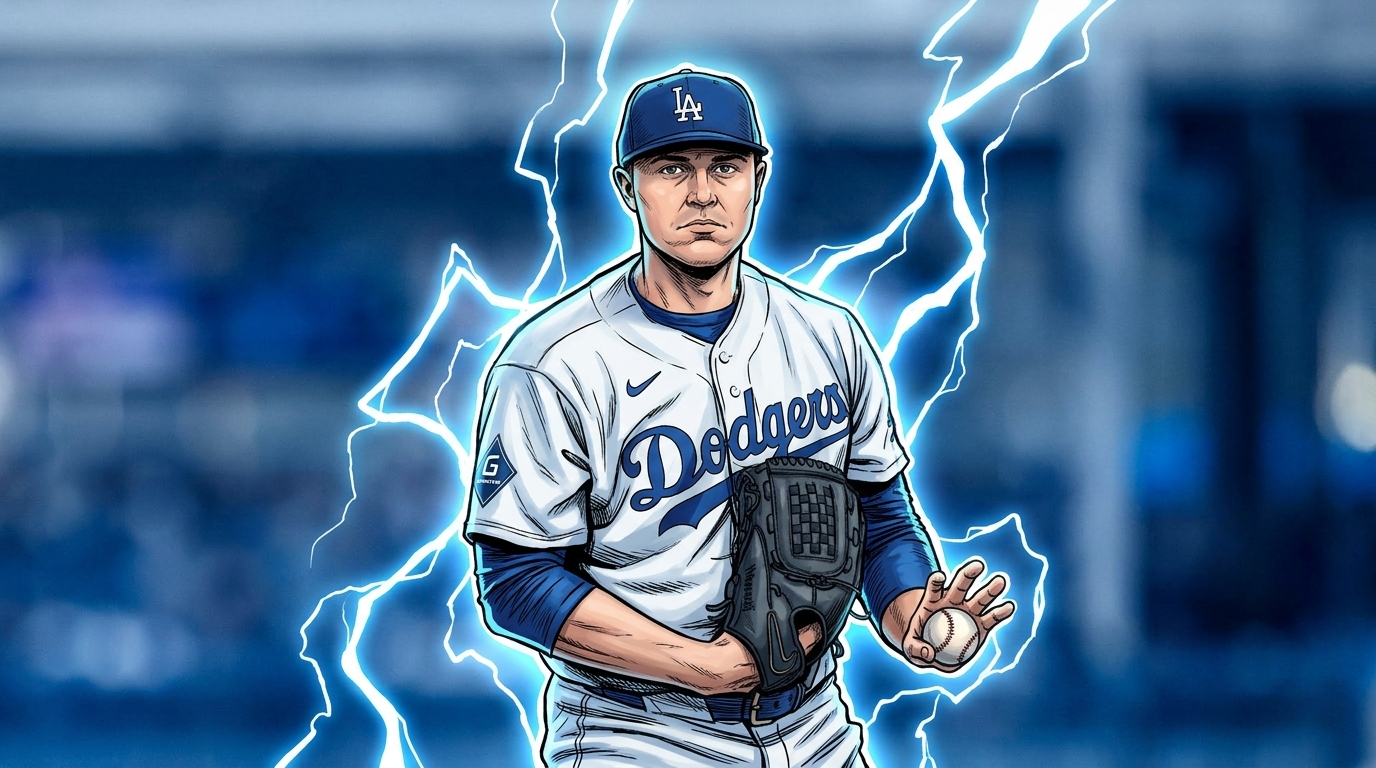
The call was for Tarik Skubal, the two-time reigning AL Cy Young winner, and the return shows exactly how badly Los Angeles wanted him: outfielder Zyhir Hope, their No. 5 prospect, plus right-handers River Ryan and Brady Smith, gone in one afternoon for two months of an ace and a real shot at an extension. They bought him the way most people buy a rotisserie chicken on a Tuesday: no drama, no bidding war, just money changing hands like they’d done this a hundred times, because they basically have.
Jeff Passan had the trade filed before Detroit finished processing what just happened to its rotation: https://twitter.com/JeffPassan/status/2083758448022266341
By the time Skubal made his Dodgers debut against the Cubs, the odds had already moved from +190 to +150, going from favorite to inevitability in the space of one trade. The Yankees are the only team inside +600, with the Brewers next closest at +900. Everyone else in the sport is longer than 11/1, whether that’s the Phillies, the Mets, or whatever’s left of the AL Central after Detroit finished selling itself for spare parts.
None of that is a crime. A front office identifying the best available player and trading three prospects for two months of a Cy Young arm plus extension leverage is just good baseball, and pretending otherwise is how you end up writing angry blog posts about a general manager doing his job well. The crime is upstream of the transaction: a luxury tax bill north of $180 million, more than the entire payroll of sixteen other teams — the Angels ($173.1 million), the Orioles ($167.0 million), the Mariners ($160.7 million), the Royals ($149.9 million) among them, each one fielding a complete roster for less than L.A. just paid the league in penalties. The Guardians spent $73 million on their whole team this year. The Marlins spent $80.9 million. Either one could have run it back twice over for what the Dodgers treat as a cost of doing business instead of an actual ceiling.
Baseball is the only major American sports league still operating without a real salary cap, propped up instead by something called the Competitive Balance Tax, and MLB apparently agrees it isn’t working, because the league is now trying to install its first actual hard cap since 1994: $245.3 million, with a $171.2 million floor, starting in 2027. The players’ union is fighting it, and for a reason that should make you angrier at ownership than at the union: the MLBPA’s position is that the tax system already works fine, and the real problem is a pile of large-market owners pocketing revenue-sharing money instead of reinvesting it into their own rosters. The Dodgers didn’t create that gap. They’re just the only team willing to spend straight through it every single deadline, which is why everyone knew where this trade was headed before Detroit’s beat writers had finished typing.
The money lands where it always lands: a third straight championship for a team that’s already won two, in a race the market called with two months left on the schedule, subsidized in part by the fan in Kansas City or Cleveland or Milwaukee still buying tickets to watch a club that was buried by June play out a slate everyone in the industry has already filed as decided. That’s not on him. He’s just the sucker paying to keep the math honest.