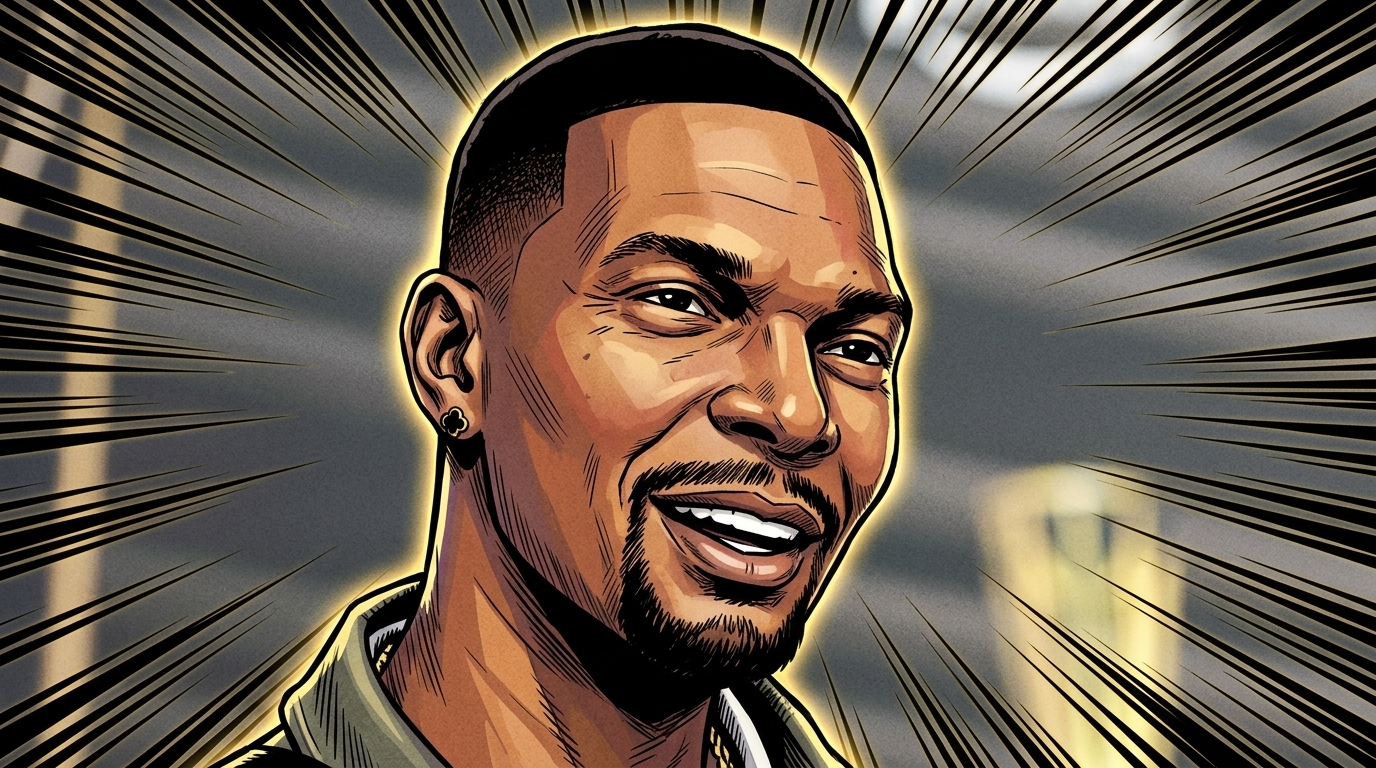

“I had an episode in January. I almost dropped dead pretty much and came back to life.”
That’s Chris Bosh, in a new interview with HoopsHype, describing his second pulmonary embolism. He’s lived the exact instinct the league now needs Victor Wembanyama to resist, and it nearly killed him twice.
The details are rough. Bosh passed out in his bathroom after a numbing sensation shot down his leg, woke up in a pool of his own blood, and only made it to the hospital because his wife called 911, per CBS Sports. He spent a week in the hospital, per Yahoo Sports. He’s been out of the NBA for a decade.
That decade is the part that should stop you. Bosh’s first blood clot showed up in February 2015 during his Miami Heat career, recurred, and forced his retirement by 2016. “It happened one more time for me, it happened twice, and I couldn’t play anymore,” he said. Eleven years of clean scans and careful maintenance later, it found him again anyway. “You got to deal with it for the rest of your life,” Bosh said. “I thought I was past it. I am not.”
The medical distinction is what actually raises the stakes. A blood clot sitting in a leg or a shoulder is deep vein thrombosis, DVT, dangerous but treatable if it’s caught. A pulmonary embolism is what happens when a piece of that clot breaks off and travels to the lungs, the stage that can genuinely kill you. Bosh has now hit that second stage twice. Wembanyama, as far as anyone knows, has only ever reached the first.
I’ve read enough athlete health-scare interviews to know most of them stop at the sanitized version, the one where a team PR staffer hands over a “stay positive” quote. Bosh didn’t stop there.
Which is what makes Bosh’s warning to Victor Wembanyama land so differently than the usual injury hand-wringing. His actual advice wasn’t vague:
https://twitter.com/Fullcourtpass/status/2084263868256141364
That’s a guy who thought he’d already cleared this exact hurdle. Now he’s telling the next guy precisely how it comes back.
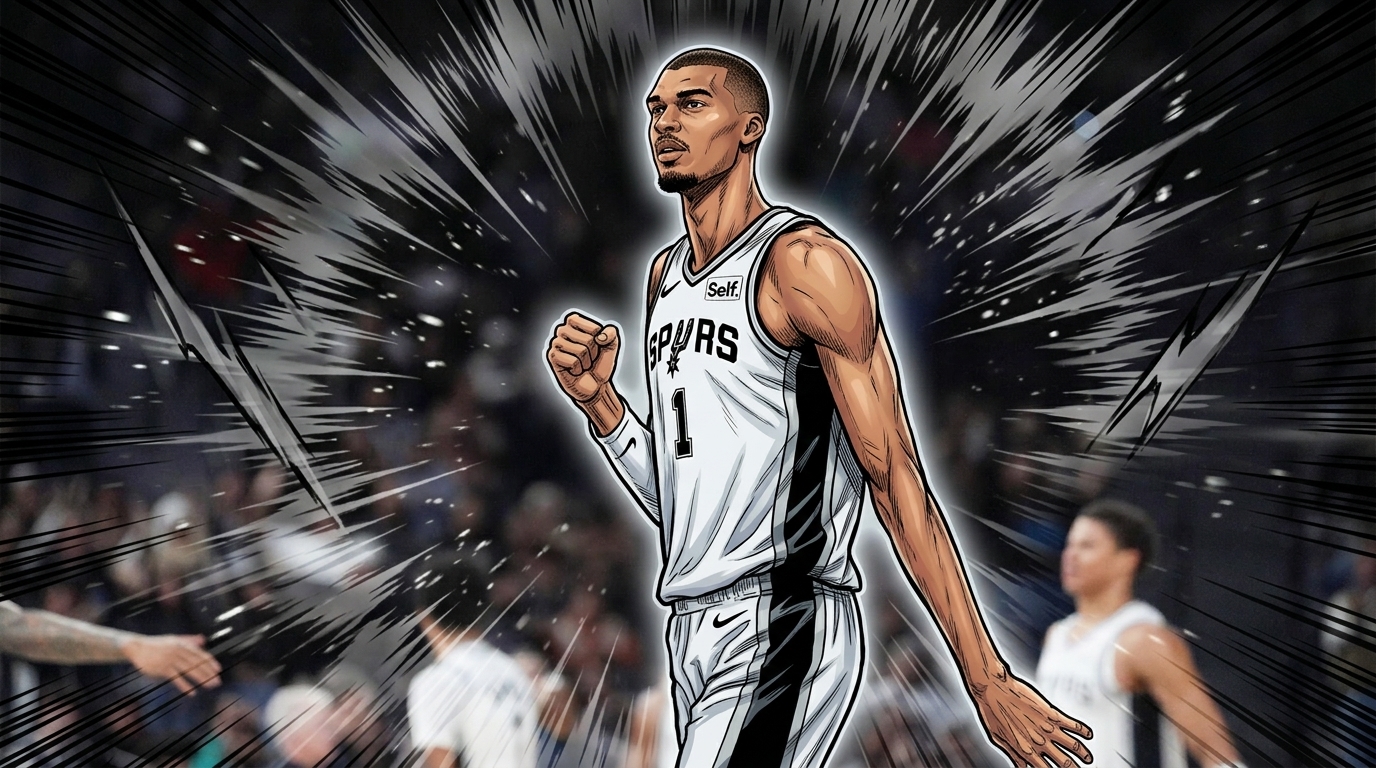
Wembanyama’s version of this looks nothing like a crisis right now. The San Antonio Spurs center was diagnosed with deep vein thrombosis in his shoulder in February 2025, found only after he’d already played through the All-Star Game, and it ended his season. He was medically cleared roughly five months later, and since then he’s done nothing but play — the Finals run that made him the best player alive, followed by the extension he just signed.
The Spurs didn’t hand him that deal hoping his body holds up. They’re building the next decade of the franchise around a player whose warning label, courtesy of Bosh, doesn’t come with an expiration date.
By every visible measure, he’s fine.
Bosh thought he was fine too. That’s the whole point.