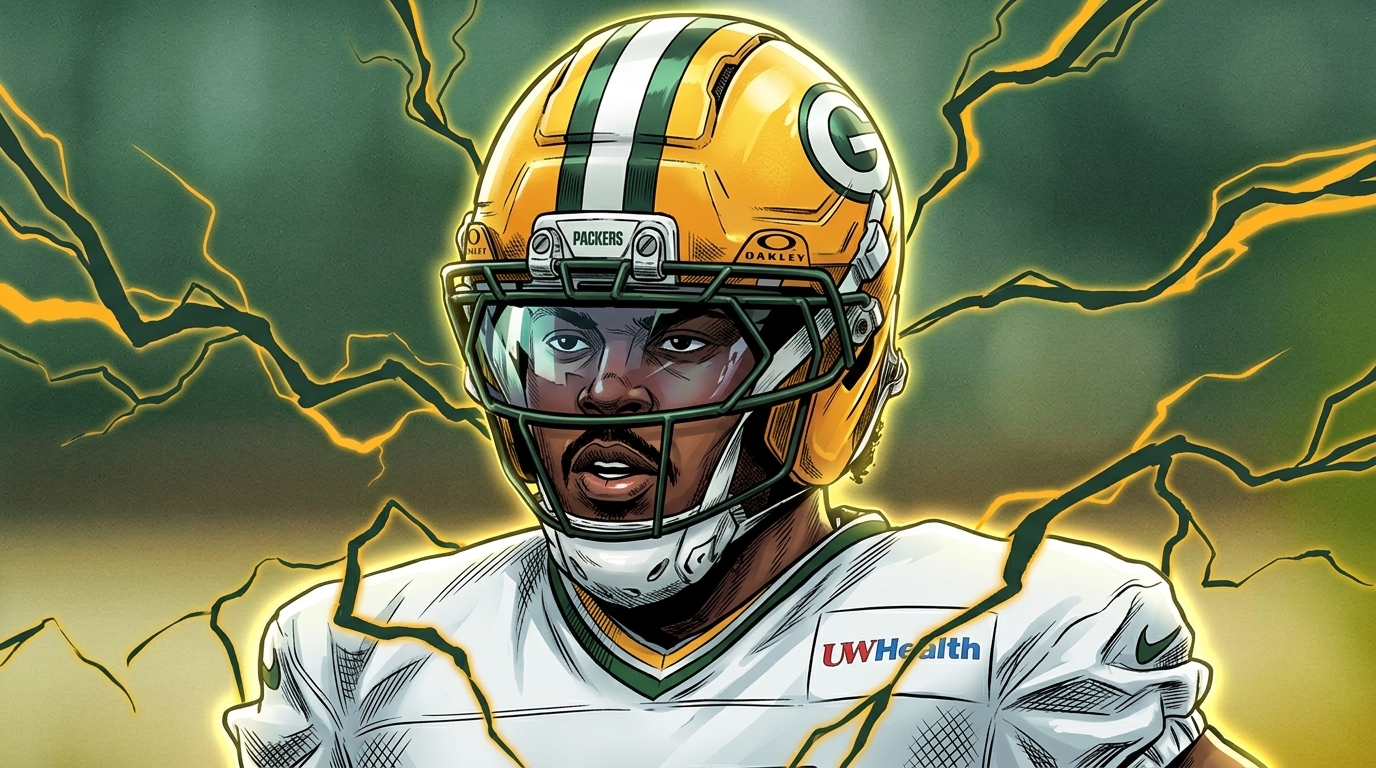
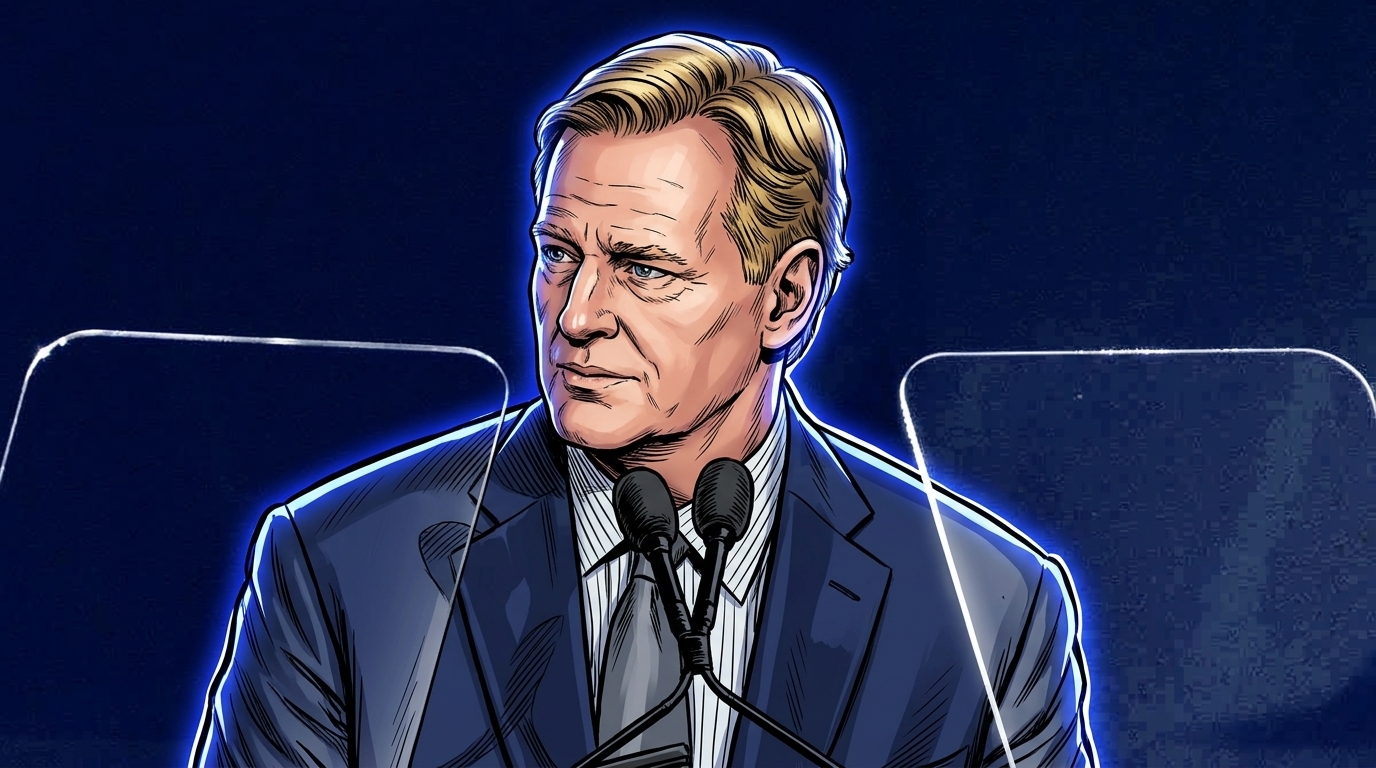
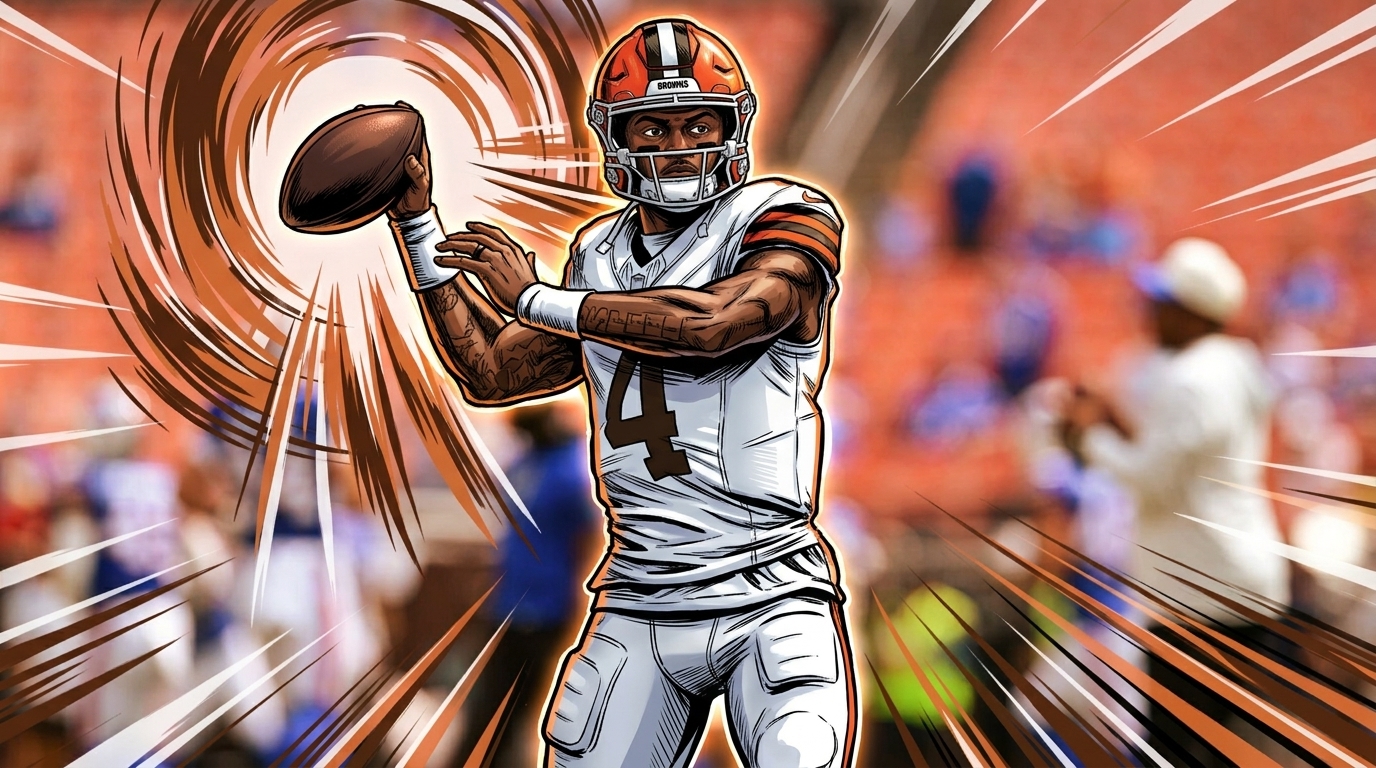
The thing to understand about Aaron Rodgers is that the announcement is always the event. The football, at this point, is incidental — a pretext for the theater that surrounds it. On May 20, 2026, at Pittsburgh Steelers OTA, a reporter asked Rodgers if this was his final season; he said, “Yes. This is it.” Two sentences. Twenty-second press conference moment. And yet the sequence of events that produced those two sentences is among the more baroque self-referential constructions in recent NFL coverage history.
Here is what happened, in order, because the order is the point.
Mike Tomlin, after 19 seasons as Pittsburgh’s head coach, stepped down. Rodgers — who had signed with the Steelers for the prior season and, by most accounts, had not exactly set the league on fire — concluded that this was probably his exit cue too. He believed this was likely the end for him in Pittsburgh. Reasonable. Clean. The kind of graceful fade that Rodgers has been threatening for approximately six years without executing.
Then Rodgers, according to reporting via SteelersDepot and Heavy.com, suggested to Pittsburgh GM Omar Khan that the Steelers should interview Mike McCarthy for the head coaching vacancy. McCarthy, who had just been fired by the Dallas Cowboys after the 2024 season, is a Pittsburgh native. He also coached Rodgers in Green Bay from 2006 through 2018 — a partnership that produced one Super Bowl, four MVP awards, 527 touchdown passes (fourth all-time), and a quantity of interpersonal tension that filled approximately three years of NFL media cycles. Khan conducted the interview. The Pittsburgh Steelers hired Mike McCarthy as their 17th head coach in franchise history.
https://x.com/espn/status/1937553068322623539
At which point Aaron Rodgers, surveying the situation he had materially assisted in creating, experienced an openness to returning. “When the decision was made to hire Mike [McCarthy],” Rodgers told reporters, per ESPN and NFL.com, “I started to open my mind back up to coming back.” He also offered: “There’s definitely a full-circle aspect to it that piqued my interest.” Full-circle is doing some work in that sentence; the circle in question has a radius of about eighteen years and passes through Green Bay, New York, and at least one sensory deprivation tank.
The one-year deal — $22-23 million base, up to $25 million with incentives, signed approximately May 16-17 per the Pittsburgh Post-Gazette — followed. Then OTA workouts. Then the press conference. Then: “Yes. This is it.”
This will be Rodgers’ 22nd NFL season. He will turn 43 in December. Tom Brady played until 45 with the 2022 Tampa Bay Buccaneers, which represents more or less the outer boundary of viable NFL quarterbacking by a human being. Rodgers is not Brady in terms of late-career body maintenance mythology, but he has 66,274 passing yards — fifth all-time — and the best touchdown-to-interception ratio in NFL history. The body of work is not the question. The question is whether anyone, at any point in the Aaron Rodgers Final Season 2026 media cycle, will be talking primarily about football.
The answer, if recent precedent is instructive, is no. The answer will be retirement watch columns, injury scare think-pieces, whatever Rodgers says on the Pat McAfee Show in Week 11, and approximately four thousand words of retrospective for every game the Steelers lose. McCarthy, for his part, inherits a situation in which his quarterback has already framed the season as a valediction — which is either inspiring or slightly paralyzing, depending on your relationship with narrative pressure.
What Rodgers has constructed here is a closed loop. He recommended the coach whose hiring caused him to reconsider leaving; he signed to play for that coach; he announced, before a single snap has been taken, that this will conclude his career. The announcement precedes the performance. The frame precedes the content. This is, you have to admit, extremely on-brand — the kind of move that only works if you are simultaneously a four-time MVP and a person who has spent the better part of a decade treating his own career as a long-form art installation.
There is a version of this that ends well. McCarthy knows Rodgers; Rodgers, whatever else is true, can still throw a football; Pittsburgh has pieces. The system that surrounds him in 2026 is at least theoretically functional. It is possible that the Aaron Rodgers Final Season 2026 produces something resembling a playoff run, a curtain call, a tidy ending. It is also possible that it produces a four-interception performance in January followed by a nineteen-minute retirement announcement that somehow circles back to the nature of consciousness.
Both outcomes are, in their own way, very Aaron Rodgers. The announcement has been made. The performance begins in September.