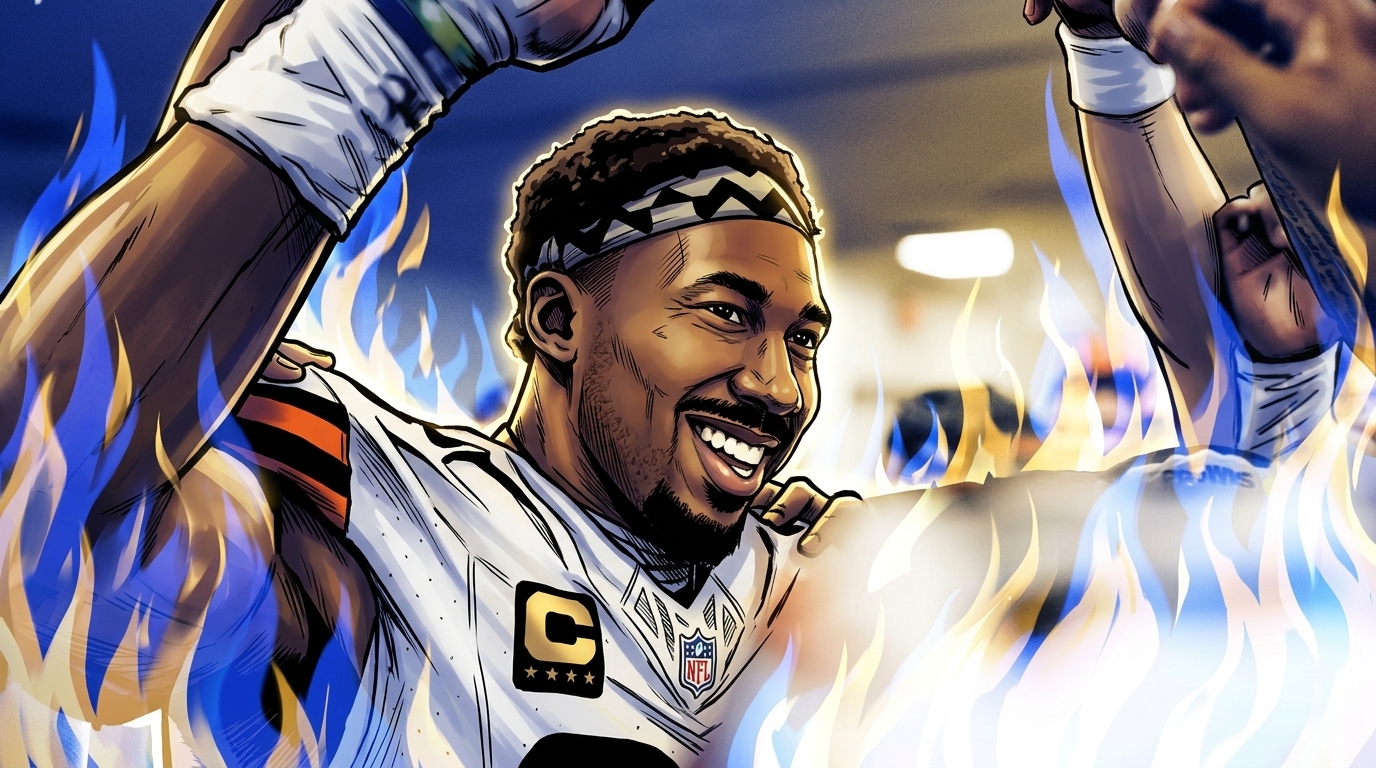

The Myles Garrett Trade: When a Franchise Chooses Surrender Over Championship
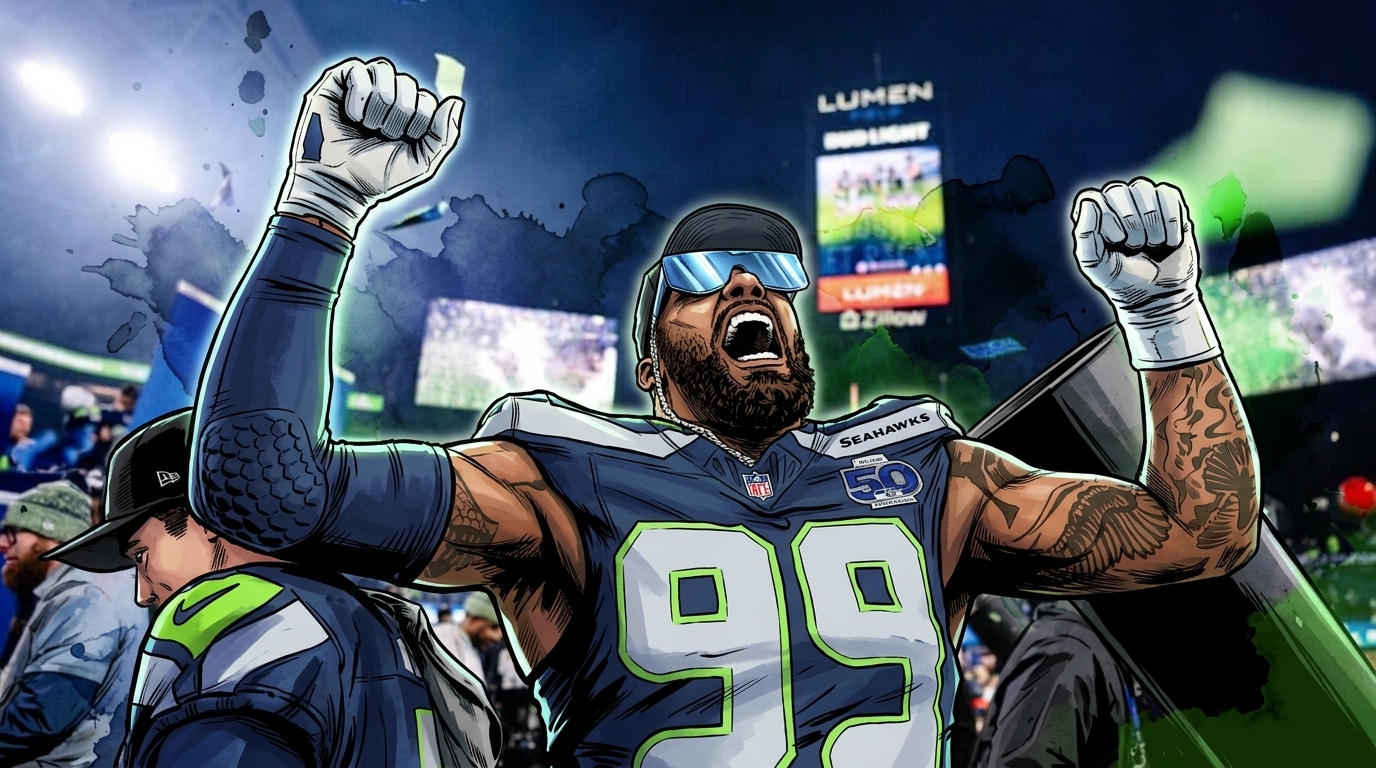
The Cleveland Browns just did what coward franchises do when they get tired of fighting. They traded Myles Garrett—a two-time Defensive Player of the Year in his prime—to the Los Angeles Rams and called it salary cap wisdom. It’s not. It’s organizational abdication. The Browns looked at their generational pass rusher and the championship window he opened and decided, collectively, that surrender was easier than building around him. The Rams, smelling blood in the water, extracted the best defensive player available. One team declared war. One declared death.
Let’s be precise about what Cleveland gave up, because the margins here matter. Myles Garrett is 30 years old. He’s accumulated 106 sacks in nine seasons. He won DPOY twice—2023 and 2024—and in 2023 set a single-season franchise record with 25 sacks. According to ESPN, he’s the first DPOY winner to be traded to another team since Michael Strahan in 1997. That’s not a stat line. That’s a referendum on how rare it is for a championship-caliber defense to voluntarily dismantle itself.
The Rams are getting Garrett because the Browns got scared. Scared of the cap hit. Scared of the commitment. Scared that maybe we’re not actually a Super Bowl team anyway, so why not kick the legs out and limp into rebuild mode? To match Jared Verse and three draft picks—a 2027 first, 2028 second, 2029 third—against a two-time DPOY isn’t a negotiation win. It’s a fire sale. The Rams offered picks first. Cleveland said no, demanded Verse be included to justify the embarrassment, and the Rams said yes because they’re trying to win a championship and Cleveland isn’t.
Here’s what kills me: the Browns told themselves this was about cap flexibility. Per reports, Garrett was due $160 million across his extension. So the question becomes: if you have a two-time Defensive Player of the Year on your roster, fully in his prime, at a position where elite talent is rarer than actual competence in the front office, and he’s willing to waive his no-trade clause to go to a contender—do you let him go to save money? Do you really?
The answer from Cleveland’s front office was yes. And that answer tells you everything about how little faith they have in Kevin Harris at quarterback, in their offensive line, in their ability to put together a secondary that doesn’t look like it was assembled at a gas station. It tells you they’ve given up on the idea that maybe, with Garrett anchoring the pass rush, they could surprise people in the AFC North. Instead, they chose the financial equivalent of untethering the lifeboat and hoping it drifts toward land.
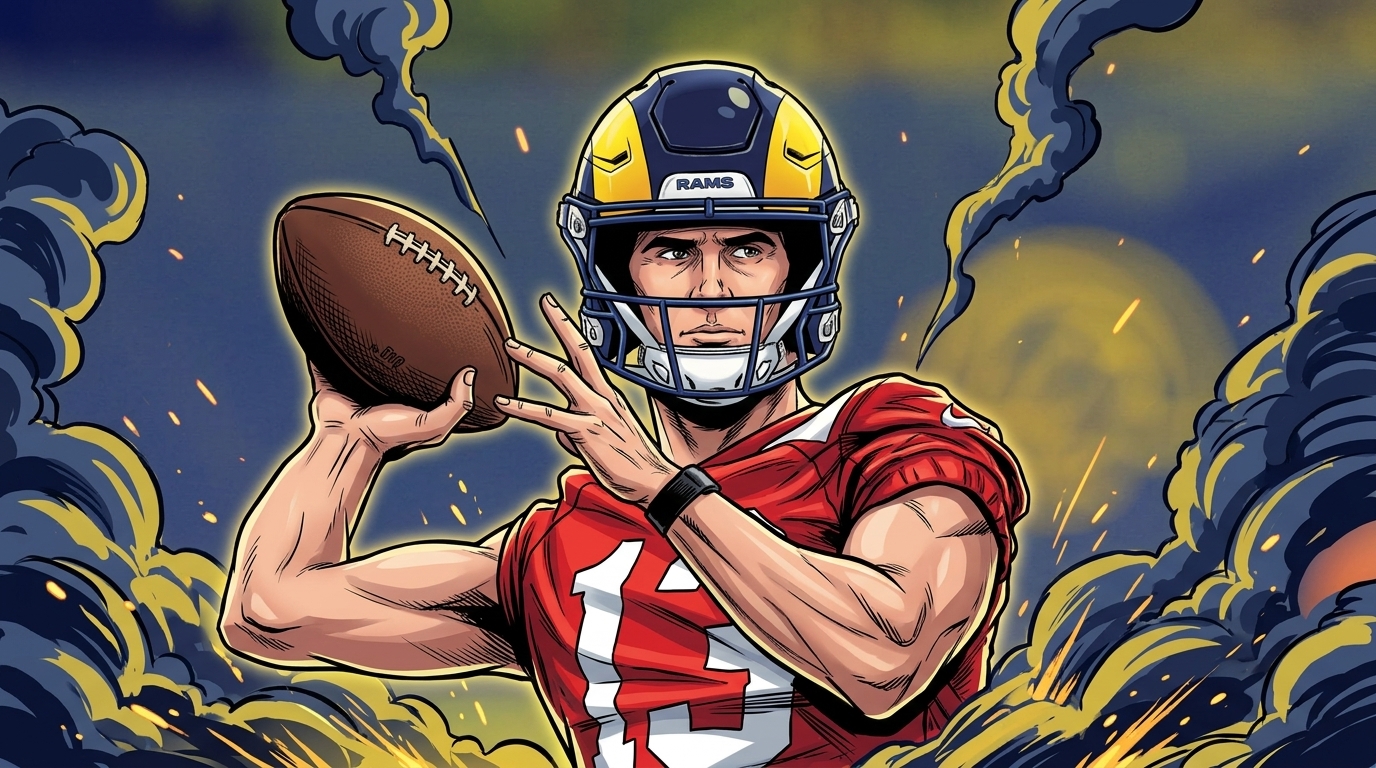
Los Angeles is now the team with something to prove. They’re adding a generational pass rusher to an already capable roster. Matthew Stafford, Puka Nacua, a defense that was already respectable, now with Garrett on the edge? That’s not a complement. That’s a declaration of intent. The Rams are saying: we’re going to the Super Bowl, and we’re going to hurt people on the way there. The Browns are saying: we’re tired, and we’d like to lose less money while we lose more games.
This is what organizational cowardice looks like when it wears a suit and sits in a climate-controlled conference room. It’s not loud. It doesn’t announce itself. It just happens, quietly, one traded star at a time, until your fans wake up and realize that the guy they built a decade around just became someone else’s problem.
The Browns had a choice. They chose the spreadsheet over the Super Bowl. In three years, when the Rams are hoisting trophies and Garrett is still producing 10+ sacks a season, Cleveland will tell themselves it was the right decision. They’ll cite salary cap relief. They’ll talk about drafting. They’ll use language that allows them to sleep at night.
But Myles Garrett knows what they chose. And he won’t be the only one who remembers.