
We’ve been waiting for a trade deadline like this one. Not because the names are transcendent — though Tarik Skubal might be — but because the conditions are genuinely unprecedented. Twenty-three of 30 MLB teams entered July within striking distance of a wild card spot. Only four franchises were more than five games out. In the American League, just five teams are above .500. This is the competitive balance tax structure finally doing what its architects intended: compressing the talent distribution until the standings look like a parking lot.
The problem is that it creates a paradox. When almost everyone is a buyer, sellers charge irrational prices, the best arms don’t move, and the teams that most need upgrades overpay for them. August 3 at 6 p.m. ET is going to be a mess — the expensive, instructive kind.
Why Is the 2026 Trade Deadline So Chaotic?
The historic parity means almost no front office can responsibly commit to selling. With 23 teams in the hunt, the buyer pool is three times larger than a normal deadline, while the available talent pool hasn’t grown proportionally. More buyers chasing fewer real sellers means asking prices climb past the point of rational exchange. This is what a compressed market looks like from the inside.
Buster Olney at ESPN has been mapping out the full field of candidates:
https://x.com/Buster_ESPN/status/2067211076324958288
This year’s market has an unusual texture: there are more arms available than bats — Skubal, Aroldis Chapman, Freddy Peralta — but the position player side is genuinely thin. Luis Arraez in San Francisco is probably the cleanest rental bat on the board, hitting .321/.358/.445 on a one-year deal. That’s a fine player. That’s not a lineup-changer.
Who Are the Real Buyers and Sellers?
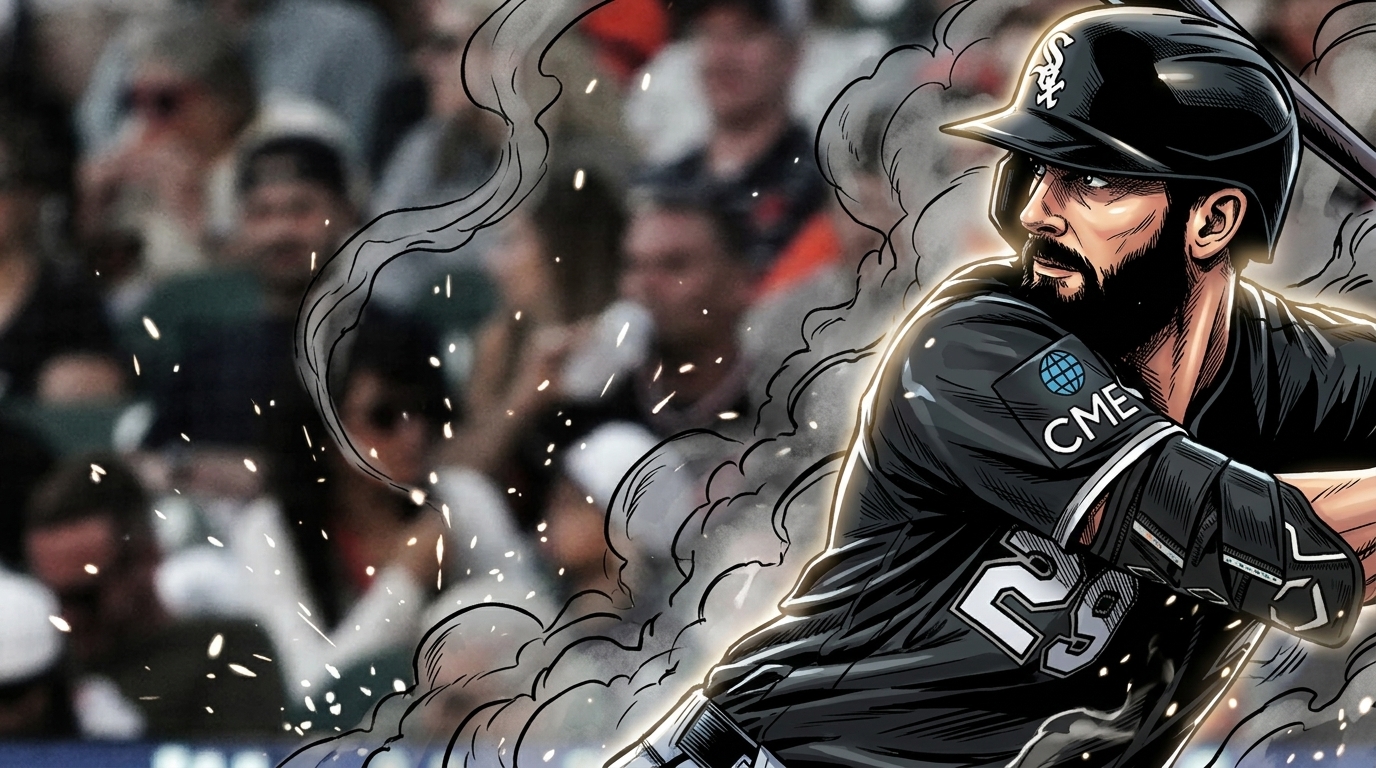
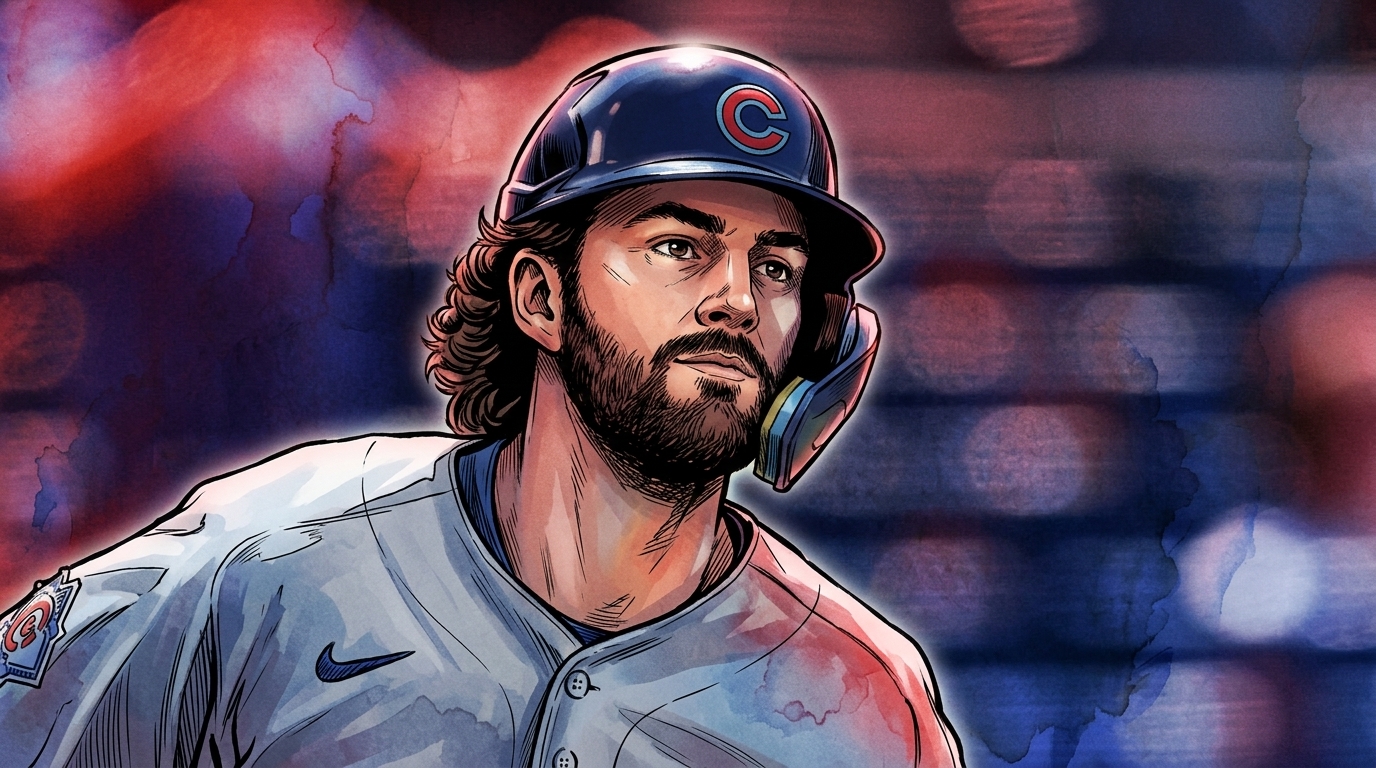
The confirmed buyers — Cubs, Brewers, Braves, Phillies, Rays, White Sox — all have clear October paths and motivation to add. The confirmed sellers — Tigers, Red Sox relievers, Angels — are operating with significant caveats, which is to say the line between those two categories is essentially decorative this year.
The caveats are where it gets interesting. The Red Sox are two games out of a wild card spot with a 35.4% playoff probability. Aroldis Chapman is probably leaving, and Gray figures to move too, but Boston is functionally a tweener wearing seller’s clothing. The Mets are 36-51 with a $375 million payroll, and Freddy Peralta — 4.83 ERA — would theoretically project as a real playoff arm for a buyer. They’re selling. They’re also a little delusional about being buyers. Both things are true.
The Yankees are simply in freefall. Aaron Judge has a fractured rib, they’ve gone 2-9 in their last 11, and New York is suddenly an organization that looks like a buyer, acts like a tweener, and might end up doing nothing meaningful (I believe the technical term for this posture is “Cashman Special”). They are the deadline’s most interesting non-participant.
What Happens to Tarik Skubal?
The two-time AL Cy Young winner almost certainly gets traded. Skubal returned from elbow surgery on May 6, earns $32 million in his final year before free agency, and went out on June 30 against the Yankees — 6 innings, 9 strikeouts, 0 walks, fastball touching 100 mph — and still pitches for a team that is 38-49 and roughly 6 games from a playoff spot. The math is unforgiving.
Per Passan and Kiley McDaniel at ESPN, Skubal carries an 85% trade probability. Rosenthal at Fox Sports has been more direct: “It’s trending that way. Talking with people around the game, that is their feeling.” A rival executive told Jon Heyman it would be “asinine” if Detroit didn’t move him. Mark Feinsand puts it at 60-40 he gets traded.
Skubal himself gave the clearest window into this in a quote that’s equal parts honest and quietly devastating: “The reality is we need to play better baseball or else, come the deadline, you give the front office an option to reassess where this team is. And if they don’t think what we have is a World Series- or playoff-caliber team, then the whole team is going to look different. That’s just the nature of the beast.”
He knows. For what it’s worth, the case for keeping him is real but almost certainly moot. Casey Mize — 2.63 ERA, 26.9% strikeout rate — becomes the secondary prize if Skubal somehow stays. Detroit will rebuild around him regardless.
What Does This Deadline Actually Mean?
The parity creates a buyer’s market in theory and a seller’s market in practice. When 23 teams think they’re competing, sellers set prices as if they’re auctioning the last available ace. The teams that most need impact players pay the highest premiums — and frequently look back in November wondering what they were thinking.
Here’s the honest counterargument: some of those 23 “contenders” are kidding themselves. A team sitting at 38-48 with a negative run differential is not genuinely competing; they’re participating. The front offices that can make that distinction — that can say “we’re close in the standings but not close in quality” — will be the ones who don’t get torched on an August deal. The ones who can’t make that call will bid against phantom competitors and overpay for six weeks of league-average innings.
I think the teams that win this deadline will be the ones who buy exactly one real piece and stop. The Cubs adding a true starter. The Rays adding Chapman. Not the team that treats August 3 like a clearance sale and loads up on rentals because the standings said they should.
The 2026 MLB trade deadline is going to sort the franchises that understand what they are from the ones still figuring it out. Twenty-three teams think they have a chance. By October, about ten of them will have been right. The market, as usual, will charge everyone else for the education.