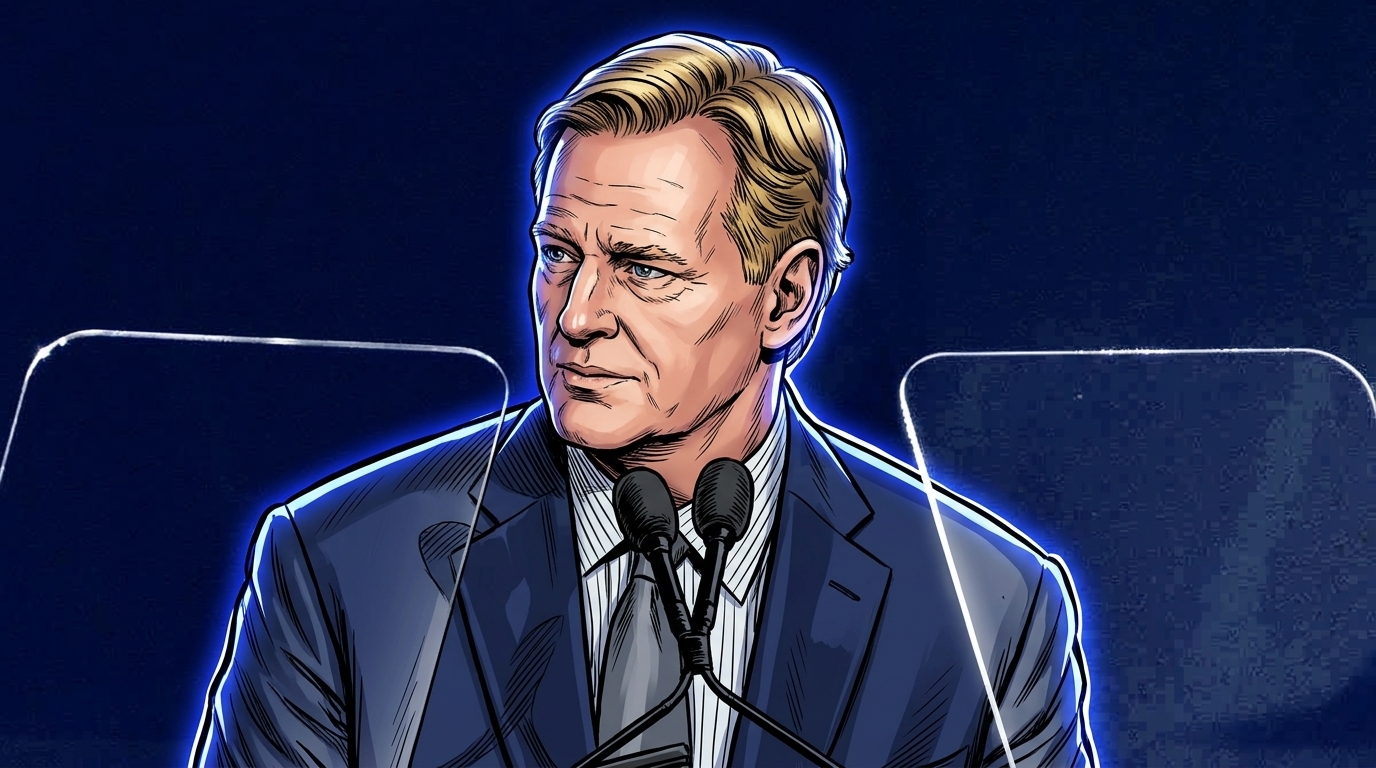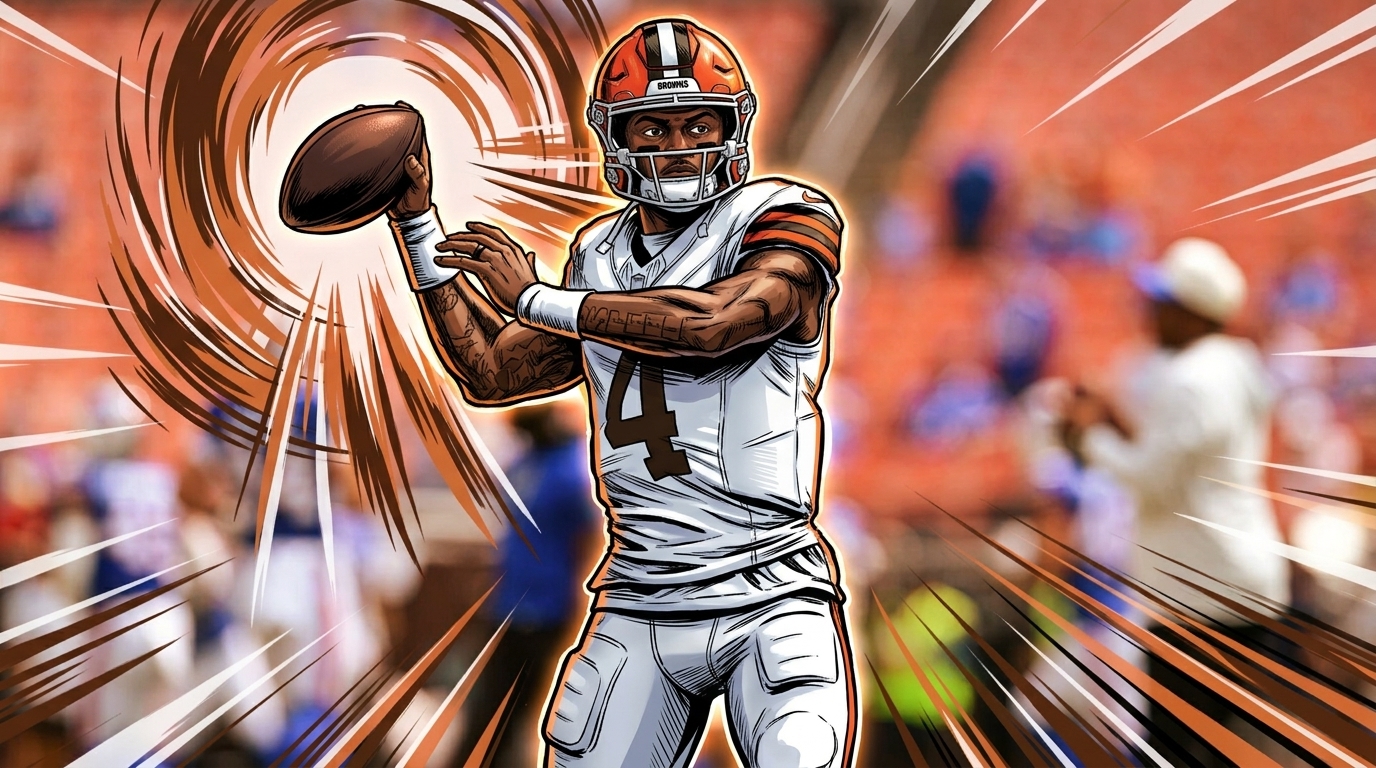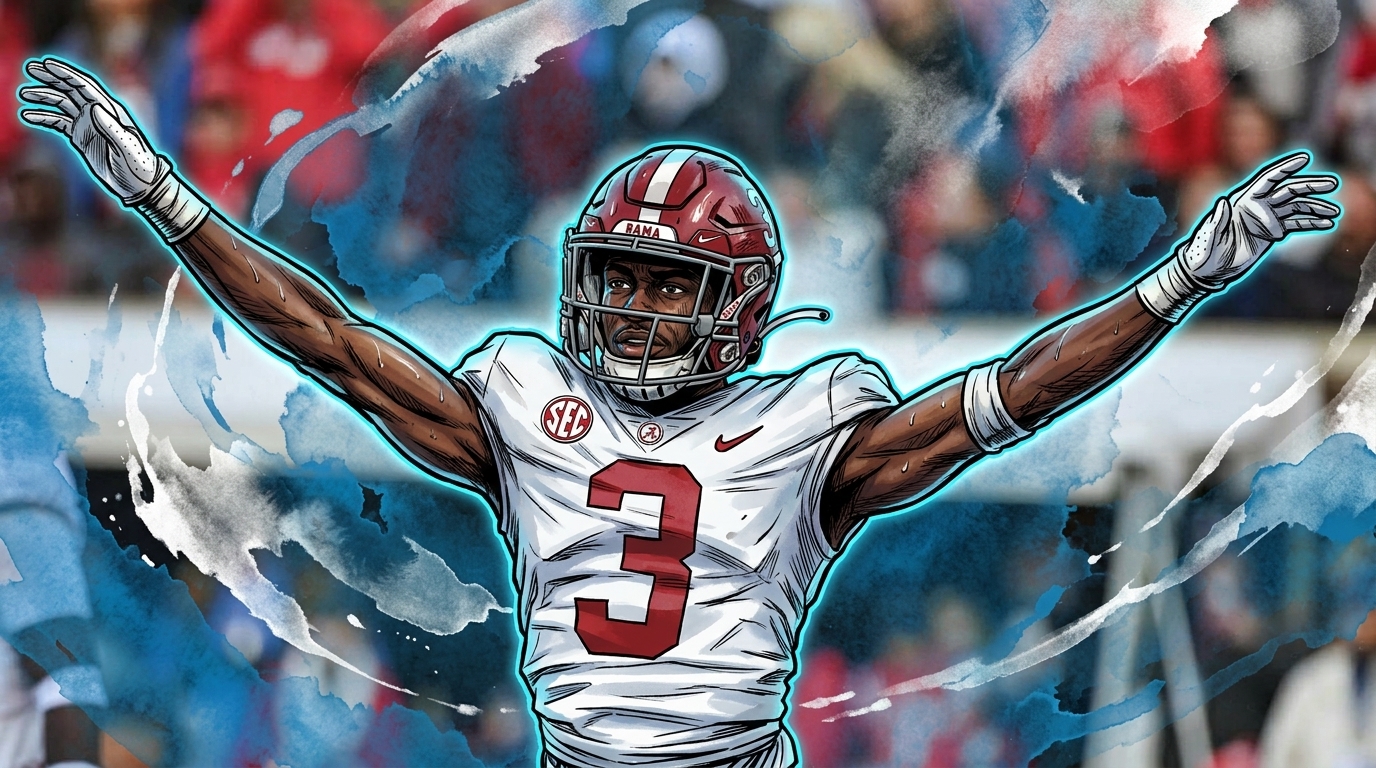

A Florida judge set Terrion Arnold’s bond at $1 million this morning, and somewhere in the NFL’s Park Avenue offices, someone filed that information under “noted” and went back to lunch.
https://twitter.com/AdamSchefter/status/2070010525598020031
Arnold faces eight felony charges — four counts armed robbery, four counts kidnapping — stemming from a February incident in Tampa where prosecutors allege he coordinated a retaliatory attack on three men at an Airbnb, leaving them battered, held at gunpoint, and pistol-whipped. He has pleaded not guilty; his defense maintains there is no physical evidence tying him to directing the attack. He is the seventh person arrested in connection with the incident. A life sentence is possible.
The judge found probable cause but declined to hold him without bail, which is the legally relevant outcome and also, for Detroit’s purposes, almost entirely beside the point. The Lions cannot plan their secondary around Terrion Arnold. They cannot plan their secondary without him either. The pre-trial period, the space between when Arnold was first arrested and whenever a jury returns a verdict, is a scheduling problem the NFL’s conduct policy was never written to solve.
NFL conduct policy operates on a clean linear logic: allegation, investigation, disposition, then commissioner action. It was designed to prevent the league from punishing players before the legal system has spoken; that is, charitably, its purpose and, less charitably, its most convenient feature. The result is that Arnold cannot be suspended yet. The guarantees on his fully-guaranteed rookie deal — $4.8 million still owed across 2026 and 2027 — cannot void yet. Detroit owes him $7.3 million in dead cap if they cut him, which they won’t, because releasing a player mid-criminal-proceeding is a different kind of liability. The machinery has no gear for this moment.
Think of it as a transit system built for commuters who always arrive: the schedule works beautifully until someone misses the train, at which point the entire platform has no protocol for where to stand. The NFL’s conduct policy is that schedule; Arnold’s pre-trial limbo is the missed train. The platform: Detroit’s front office, the secondary depth chart, the guarantor actuaries who priced this contract. All standing in place, waiting for an announcement that has no ETA.
Tampa PD Chief Lee Bercaw offered his own institutional statement after the arrest: “Fame doesn’t get you out of criminal charges or our pursuit of justice and holding criminals accountable.” Fair enough. But the contractual and procedural infrastructure built around a 24th-overall draft pick does get you into a situation where two separate institutions are running on incompatible calendars, and neither one can accelerate for the other.
Arnold’s representative said he “categorically denies any involvement in the matters underlying the allegations.” That is the appropriate thing to say, and it moves nothing forward for Detroit. The Lions still open the 2026 season with a secondary question mark they cannot answer, cannot release, and cannot replace without eating dead cap. They can only wait; the conduct policy was written to make sure of it.
The strongest defense of that policy is real: premature punishment based on unresolved charges has historically been used as a cudgel against players, and the league office has a well-documented appetite for expanding commissioner discretion whenever the cameras are on. The caution embedded in “wait for disposition” is not purely cynical. But it also produces this: a team in genuine roster jeopardy, a player on $1 million bond, and a league that has outsourced its timeline to a Florida court docket.
Consider the Josh Jacobs situation this spring, which raised the same question about what the league’s conduct apparatus actually does in real time, as opposed to in press releases. Approximately nothing — by design, and not entirely without reason, and also not particularly useful to anyone who needs to field eleven players in September.
Detroit’s secondary planning session is now a waiting room. The filing system says “pending.” The calendar says training camp in five weeks. Nobody in the building has a procedure for this, because the building wasn’t designed for it.
That’s the institutional gap. Arnold may well be acquitted. The charges may be resolved before the season. The timeline might compress in ways that let the Lions plan normally. Or it won’t, and the NFL will note that too, file it accordingly, and go back to lunch.