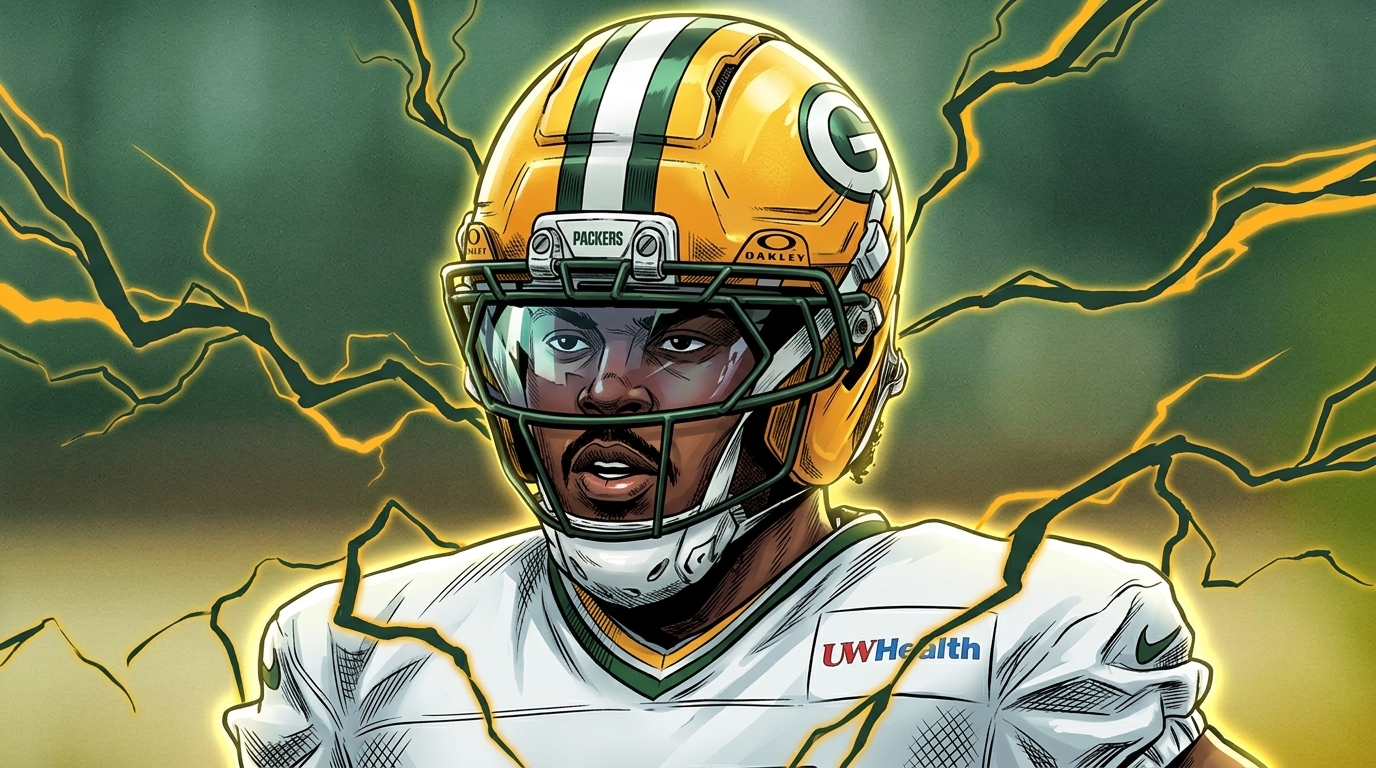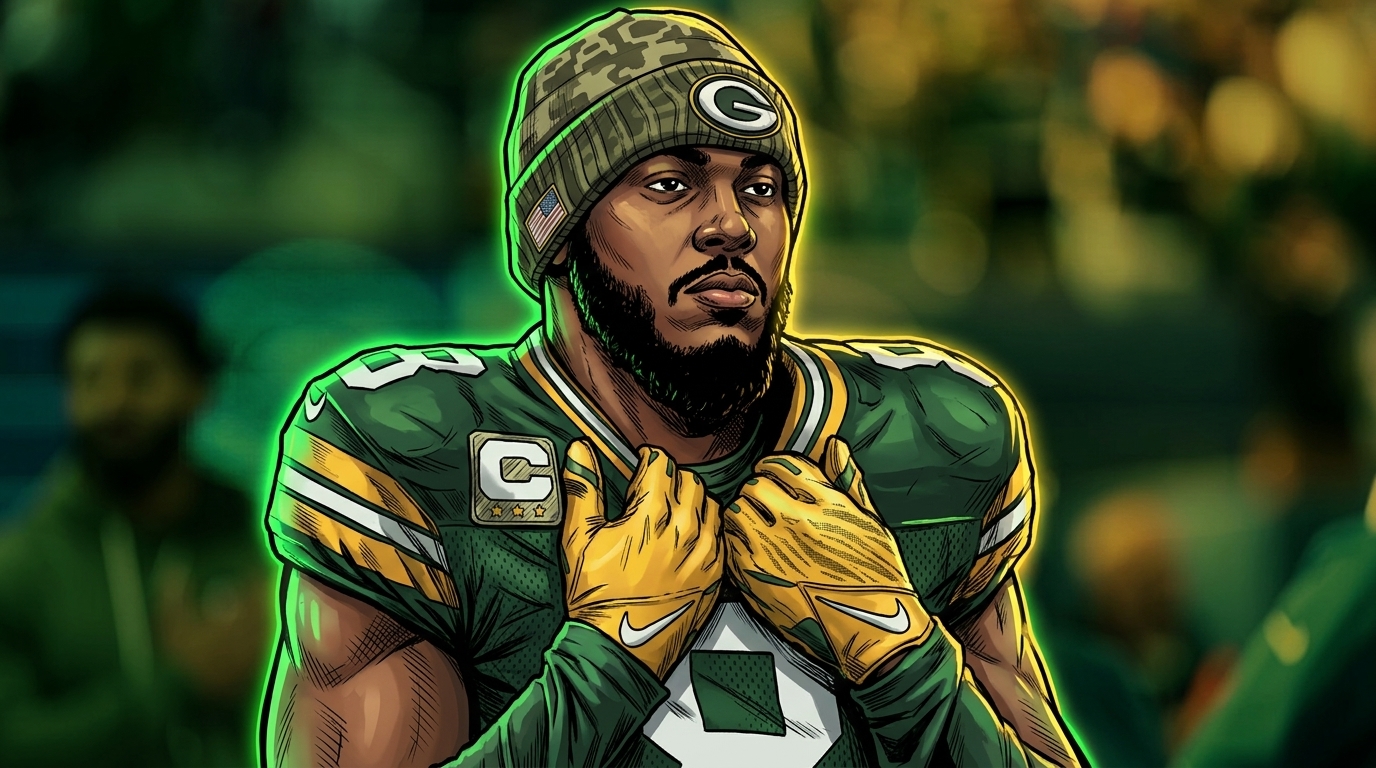

The NFL has a thirty-year institutional reflex for situations like the one in Green Bay, and it works like a thermostat: do nothing until the room gets hot enough that doing nothing becomes the story. Josh Jacobs was arrested May 26, turned himself in on a complaint filed three days earlier, released the next morning, and was practicing at OTAs inside of a week. The Josh Jacobs Packers charges 2026 include a Wisconsin felony (strangulation and suffocation) plus four misdemeanor domestic abuse counts; and Wisconsin classifies strangulation as a felony specifically because the state legislature, public health researchers, and every domestic violence advocacy organization with a database has documented it as the single strongest behavioral predictor of lethal escalation. The league and the club are aware of this. They are choosing not to act on it.
https://twitter.com/TheAthletic/status/2059439161166180459
The Brown County District Attorney, David L. Lasee, issued a statement that reads like a man in no particular hurry: “The Brown County District Attorney’s Office is not yet prepared to make a formal charging decision. Our office has requested additional investigation, as there is reason to believe that additional evidence may exist that would impact whether criminal charges are appropriate, and what charges would be issued.” That is a DA saying he thinks there is more evidence out there. It is not a DA saying the case is weak. The NFL commissioner’s exempt list — the mechanism that exists precisely for situations where a formal charging decision has not yet been made but the facts are sufficiently serious — was not invoked; Jacobs remains on the active roster, practicing normally, described in league statements as a matter the league is “aware of.”
“Aware of” is doing a lot of work in that sentence.
The Packers issued the institutional equivalent of a closed door: “We are aware of the matter involving Josh Jacobs. As it is an ongoing legal situation, we will withhold further comment.” Head coach Matt LaFleur, when asked at OTAs about Jacobs’ participation, offered two words: “Business as usual.” Jordan Love supplied a longer version of the same position. “It’s great to have Josh here with us, being able to work with us and get back to work. But yeah, everybody’s just waiting and letting it play out on its own.” Xavier McKinney was blunter: “That’s my guy… I get things happen. But we’re all in support of him regardless of what’s going on.”
These are not statements made in ignorance. Everyone in that building, from the coaching staff to the NFLPA representatives to the front office, understands that a felony strangulation charge in Wisconsin is not a bar fight that got papered. The system that produced that charge is the one Wisconsin built specifically because the prior framework kept failing to intervene before someone died. “Business as usual” is not a neutral posture; it is an organizational verdict rendered before the DA has rendered his.
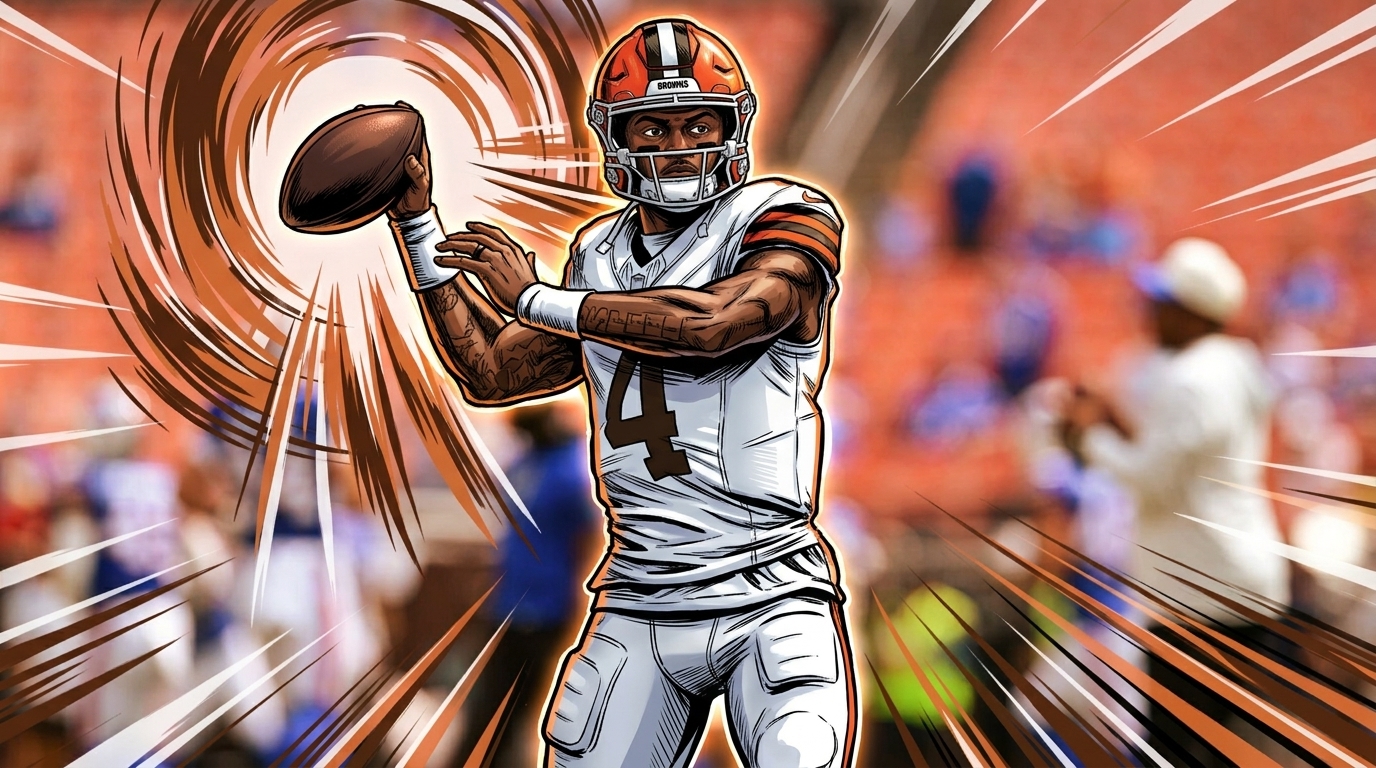
The league has a playbook for this, and it functions like a waiting room where the clocks have been removed. Adrian Peterson went on the exempt list in 2014 after public pressure became unbearable. Deshaun Watson was eventually suspended for eleven games under the Personal Conduct Policy, after the Browns traded for him despite two dozen civil lawsuits. Ray Rice’s elevator footage made inaction impossible. The Chiefs’ response to Rashee Rice was its own taxonomy of delay: reckless driving, six games, eventual contractual restructuring when the legal picture clarified. The common thread is not policy; it is pressure. The NFL does not act on principle. It acts on exposure.
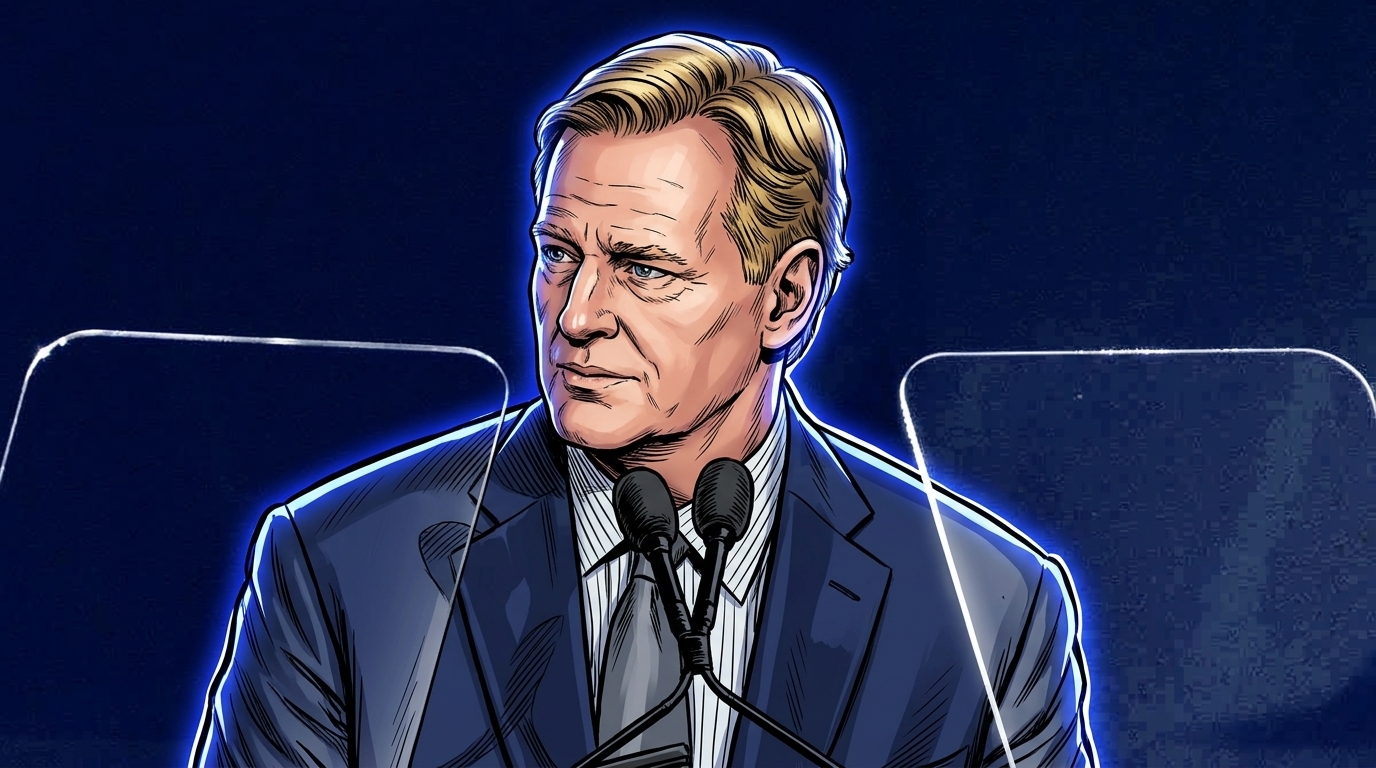
Jacobs’ attorneys say he “vehemently denies the allegations, and this matter is in the early stages of investigation with important evidence that has not yet been made public.” That is a reasonable legal position; no formal charges have been filed, and the presumption of innocence is not merely a legal formality. But the NFL commissioner’s exempt list does not require a conviction, or an indictment, or even an arrest with charges attached. It requires the commissioner to determine that continued participation is not in the best interests of the league. Roger Goodell has invoked that standard in stranger places than a felony strangulation complaint backed by a DA who believes additional evidence exists.
What the Packers, the NFL, and the NFLPA have collectively decided is that none of this clears the bar for temporary removal from team activities, and they have decided this while being fully informed about what Wisconsin’s felony classification of strangulation is meant to communicate. That is not a neutral reading of due process. It is a choice, made with full knowledge, to treat a documented precursor to lethal domestic violence as something a franchise can absorb into its practice schedule without comment. “Business as usual” is accurate. That is the problem with saying it out loud.
You can follow the rest of the league’s NFL coverage for how this develops, though the historical record suggests it develops slowly, and only when it has to.