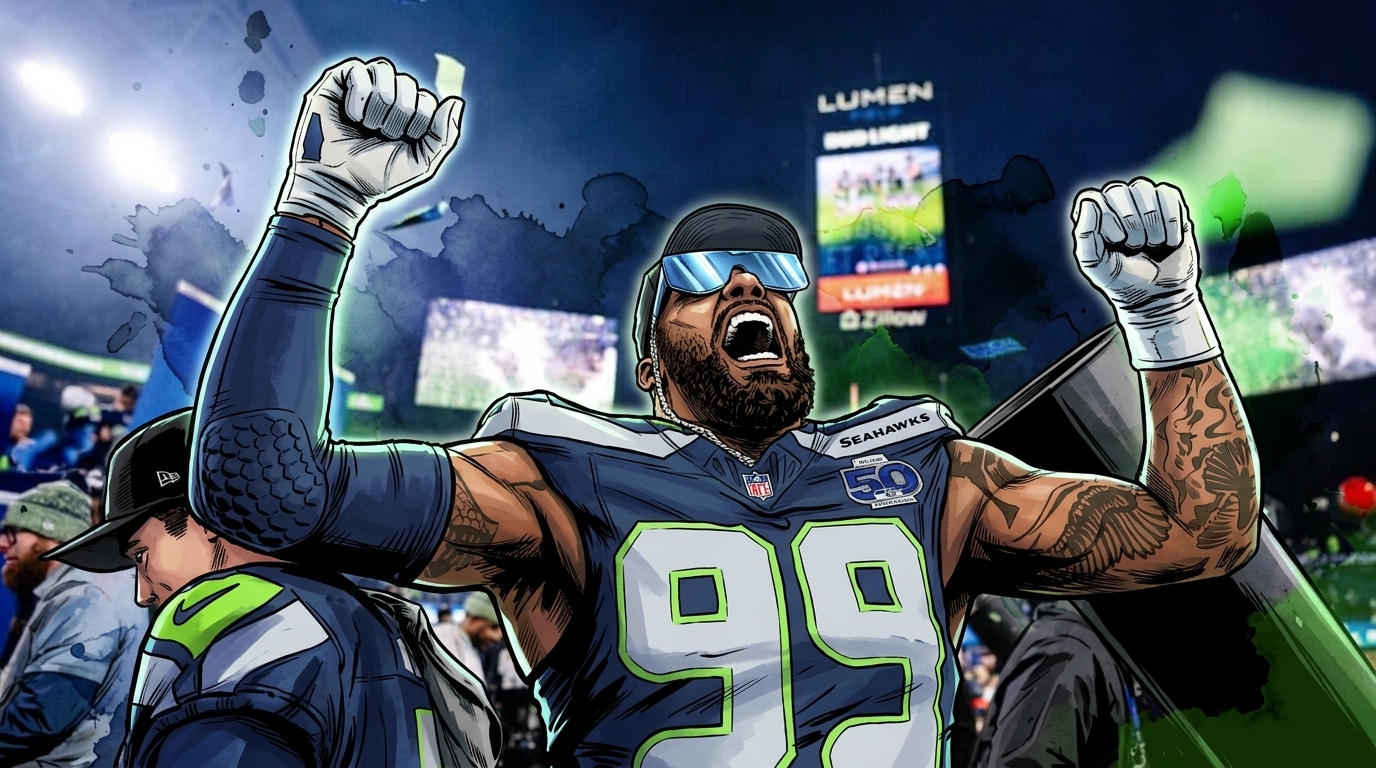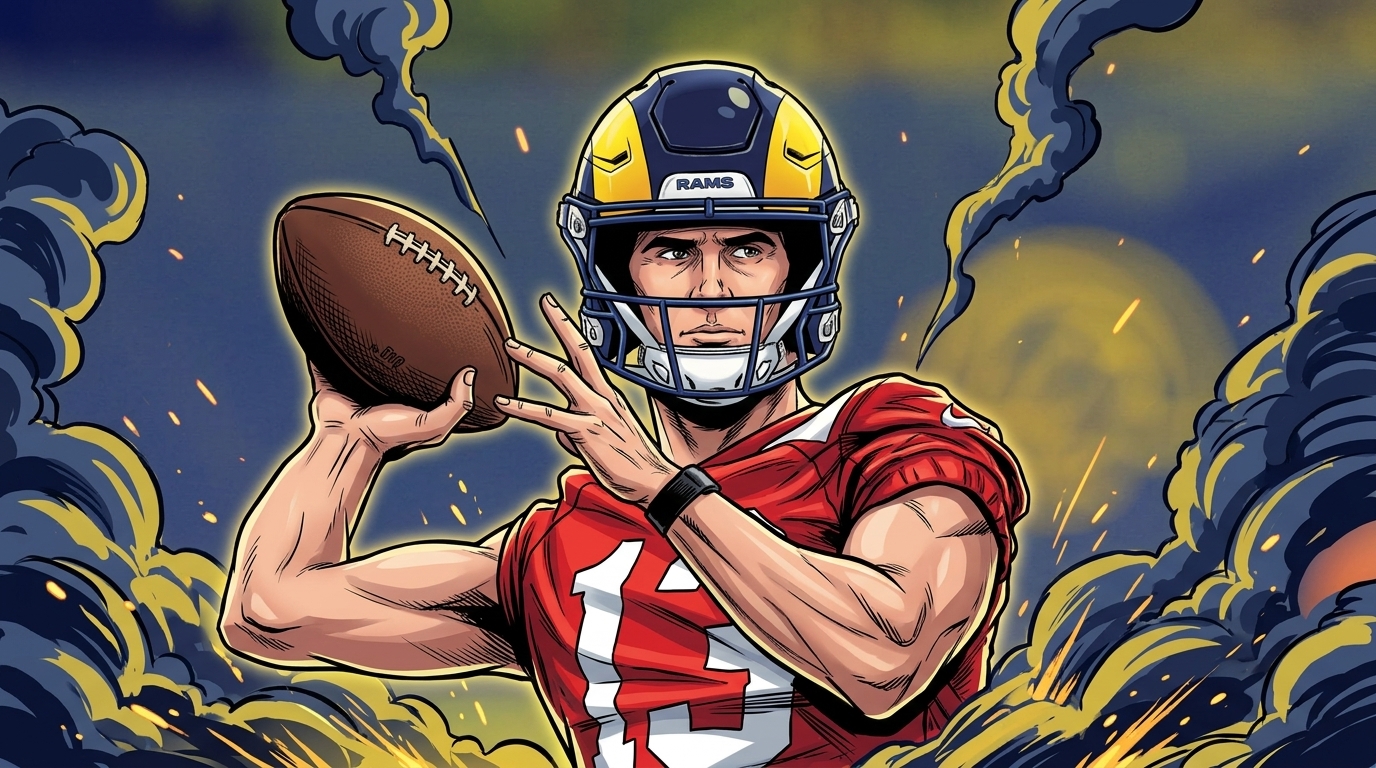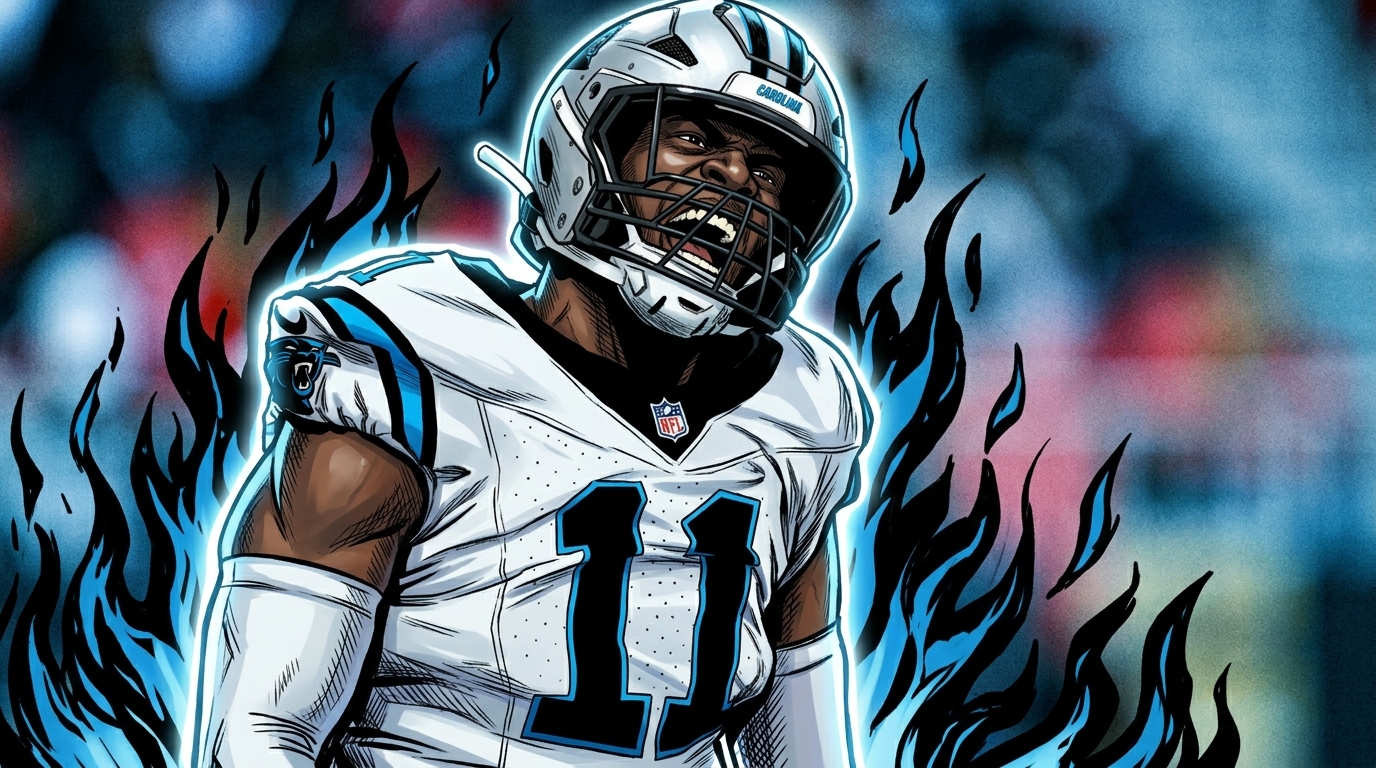
We’ve now watched three young NFL players lose their 2026 seasons inside the same three-week stretch of training camp: Ricky Pearsall in Santa Clara, Nic Scourton and Chris Brazzell both in Spartanburg. Exactly one of those three injuries got reviewed by anybody outside the building that produced it.
That review is finished. The NFLPA looked into Scourton’s torn ACL because it happened during the one stretch of camp when contact isn’t supposed to be happening at all, and the union closed its file without finding a rule violation. That’s a real result, and Carolina almost certainly earned it. What it isn’t is proof that camp injuries are being handled fine across the board. The union’s authority here is narrow by design, and Brazzell’s knee and Pearsall’s whole ordeal never had a chance of triggering the same look. (More on why that math should worry you more than it reassures you.)
What Actually Happened to Ricky Pearsall, Nic Scourton and Chris Brazzell
Start with Pearsall, since his situation is what forced the 49ers back into the Deebo Samuel business at the end of July. He’d sprained his PCL back in Week 4 last season against Jacksonville, played through it, missed six games, and re-aggravated it more than once trying to finish the year. The plan all offseason was rest and rehab. The knee swelled up again inside his first week back at camp anyway. On August 1, GM John Lynch told reporters what that meant, and Schefter had the specifics out before Lynch finished his sentence:
https://x.com/AdamSchefter/status/2083596466161955027
Season-ending surgery, a six-to-twelve month recovery, a 2027 return instead of a 2026 one. We already told that story in detail when it happened. What’s new since then is the company Pearsall is suddenly keeping.
Across the country, at the Panthers’ camp in Spartanburg, Carolina had two of its own. Scourton, the second-year edge rusher who cost Carolina its whole pass-rush plan, tore his ACL on July 23, the Panthers’ first practice of camp, during the five-day acclimation window the CBA sets aside specifically so nobody gets hurt this way. He was carted off before the team had run a single padded rep. Six days later, in a non-contact 7-on-7 drill that should have been the safest snap on the schedule, rookie receiver Chris Brazzell went down with what looked at first like a bruised knee. A second opinion found a moderate LCL tear. His rookie season ended before it produced a single regular-season target.
Did the NFLPA Find the Panthers at Fault for Nic Scourton’s ACL Tear?
No. The NFLPA reviewed practice video from Nic Scourton’s July 23 ACL tear and closed its investigation without finding that the Panthers violated any rule, calling the injury, in the union’s own words, “simply an unfortunate injury.” That’s the same phrase Carolina itself had already used to describe it.
Coach Dave Canales said the team had communicated the acclimation rules and left it there: “We have the rules, we have the standards, we let them know. All we can really do is lay the groundwork out.”
We already covered the acclimation-period investigation while it was still open, back when the involvement of a staff with Seattle roots made for an obvious storyline. That storyline is over. The union looked at the film and sided with the team, and there’s no real reason to doubt the finding. Video review of a five-day contact window is about as clean a process as sports labor relations gets.
But “no violation” is doing more work in headlines than it earned.
Why Two of Three Season-Ending Injuries Never Got a Second Look
Brazzell’s knee never had a shot at the same review, because the rule Scourton’s case triggered only covers live contact during the acclimation period, and a 7-on-7 rep is by design not that. Pearsall’s case is further removed still. Nobody has accused Kyle Shanahan’s staff of mishandling anything. This is a joint that had already failed once, on a rehab plan that didn’t hold the second time. There’s no investigatory body for “the rehab didn’t work.” There’s no acclimation clause for “a receiver’s knee gave out on a normal camp rep in year two of recovery.” (Carolina’s statement used “unfortunate.” So did the union’s. If you’re keeping score, that’s the entire vocabulary anyone in this story is allowed to use.)
This also isn’t the first pattern this camp cycle has produced instead of an isolated story. The same six-day stretch we flagged with the Falcons, Saints and Bears showed three more franchises losing key pieces without a single outside review triggered anywhere. Stack that alongside Pearsall, Scourton and Brazzell and you get six significant camp injuries across five teams inside a two-week window, one NFLPA investigation, and zero findings of wrongdoing: not because five of those six situations were handled well, but because five of them were never eligible for the question in the first place.
I spent two years compiling injury notes for TV analysts who read them on air without ever mentioning where the numbers came from, and the one thing that job taught me is how much of a team’s injury reporting is PR with a stopwatch attached. An outside body checking that PR against video is a good thing. It’s just one check, on one type of injury, on one day of a four-week camp. (The union did not send flowers. The wording amounts to roughly the same gesture.)
I think the Scourton clearance is real, and I think Carolina followed the rule it was investigated under. What I don’t think that clearance proves is that this camp’s run of season-ending injuries is fine, or coincidental, or nobody’s business. A mechanism with a genuinely narrow mandate found no violation in the single situation its mandate covers, and that result is already being treated, in headlines and in team statements, like a broader verdict it was never built to deliver. Brazzell and Pearsall are the counterevidence. Their seasons ended the same way Scourton’s did, and neither one required anybody to ask why.
Watch what happens if the union ever tries to widen that mandate past Day One and past live contact. That’s the version of this story that actually changes how camps get run. Until it does, the accounting for this camp cycle stands at one investigation, one word, and two players whose seasons ended with nobody on the clock to check.