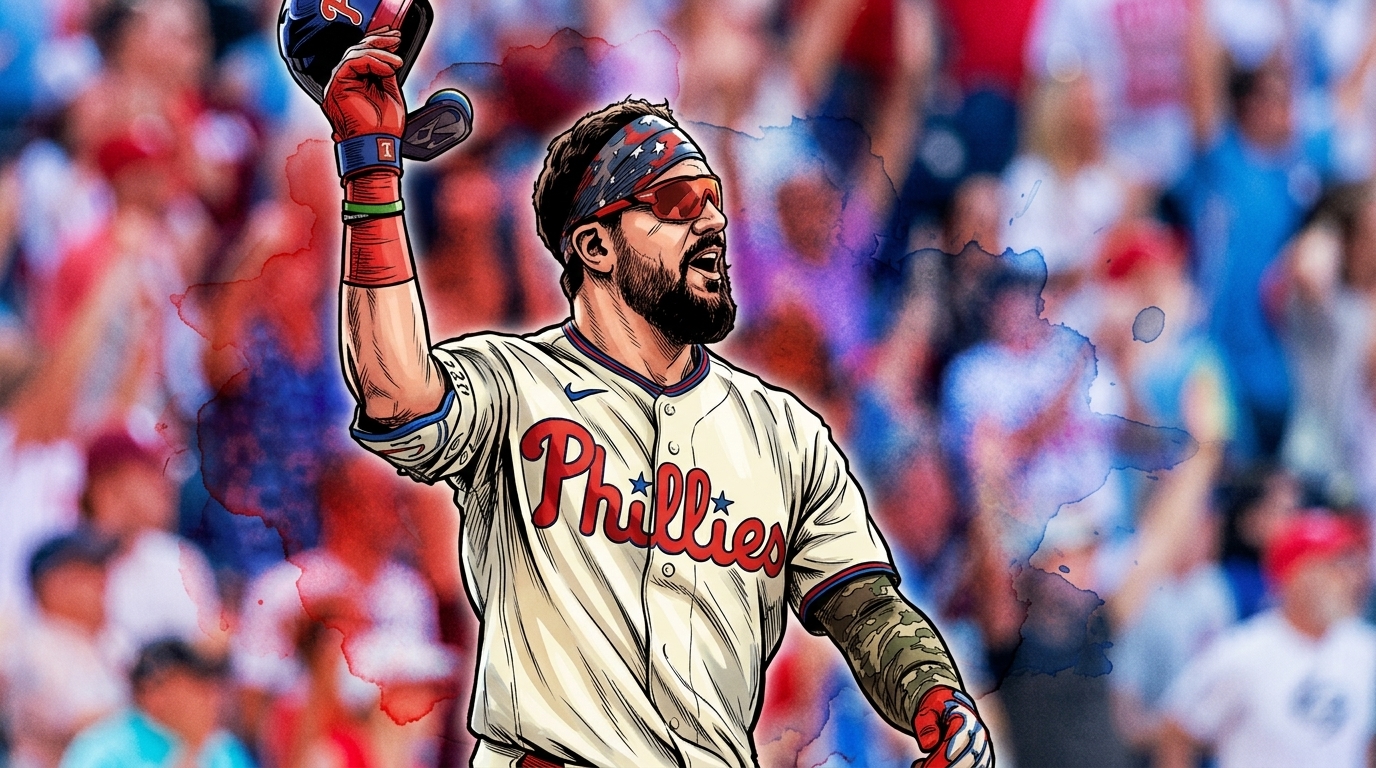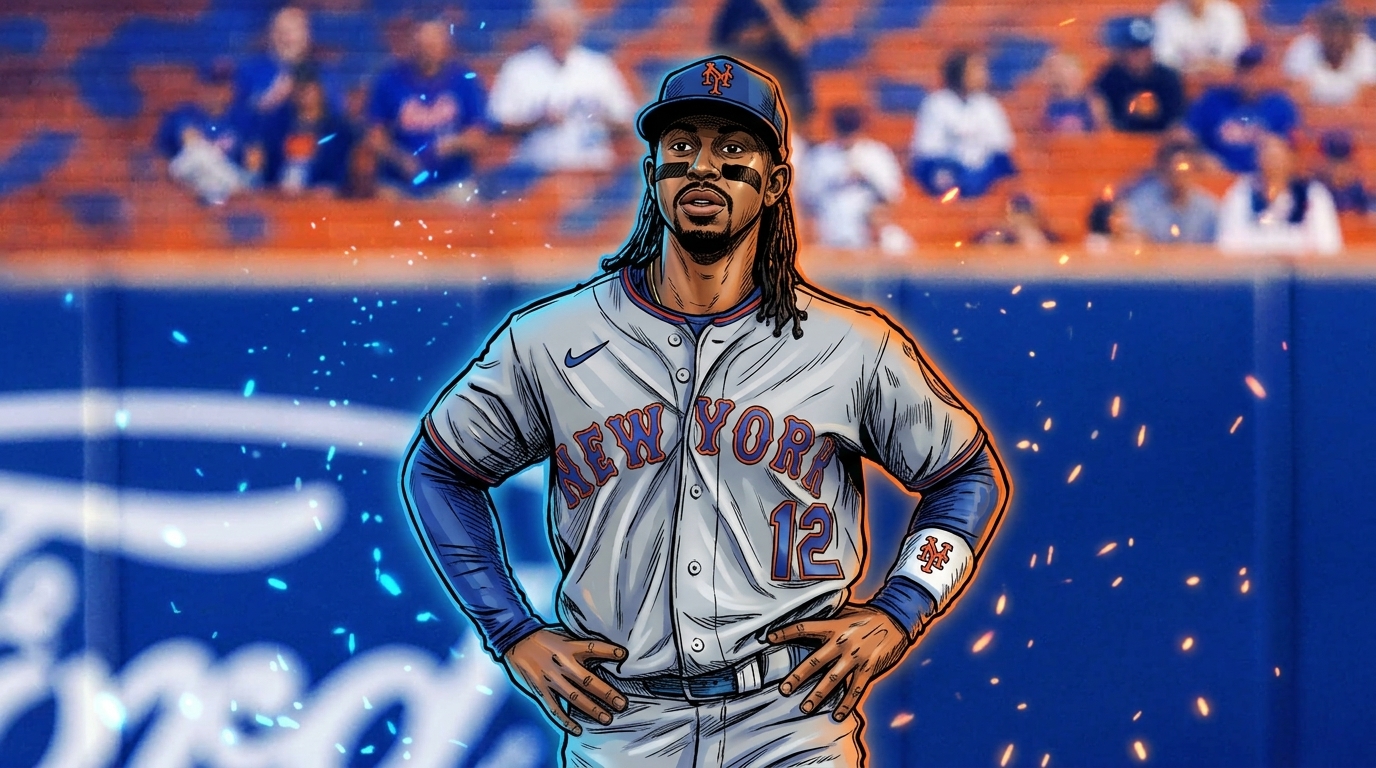

The New York Mets have spent $1.671 billion on payroll since 2022, carry the highest Opening Day payroll in baseball at $352.2 million, and signed Juan Soto to a 15-year/$765 million contract. As of All-Star Week they are 40-55, outscored by 60 runs, sitting at roughly 2% playoff odds, and shopping their franchise shortstop to any taker willing to accept a call. All-Star Week, by the way, is happening in Philadelphia. Steve Cohen is welcome to drive down I-95 and watch what organizational competence looks like.
Carlos Mendoza is already gone. When the Mets fired him on June 27, after getting swept by the Cubs at 34-47, the official story was accountability. The real story was that Cohen had burned through $1.671 billion building a roster with a bad rotation, a shortstop who missed two months with a calf injury and came back hitting .210, and no developmental pipeline to absorb any of it. Firing Mendoza was the least consequential thing that happened that week.
Cohen came into baseball with a theory. The theory was that elite spending plus elite front office talent equals championships, the same way that buying undervalued assets plus a sharp management team equals returns in private equity. It is a clean model. It makes sense on paper. It is also completely wrong, and the Mets are $1.671 billion worth of evidence against it.
Baseball’s winning variables are not purchasable at market rate. Player development takes years and organizational depth that money accelerates but cannot manufacture. Team chemistry is emergent: it either happens or it doesn’t, and no amount of luxury tax payments creates it. Player health is probabilistic in ways no contract clause accounts for. You cannot buy a pitching rotation into effectiveness; you grow it or you don’t. Cohen looked at baseball’s ownership economics and concluded he could overwhelm the game with capital the way hedge funds overwhelm markets with information. Turns out baseball games are not markets.
The strongest counterargument is that Cohen inherited a mess and bad luck compounded the spending: injuries, underperformance, rotation failures no front office could have fully anticipated. That’s true. But that’s also exactly the point. Spending $352.2 million on Opening Day payroll means you’ve eliminated every margin for error. When you outbid everyone for Francisco Lindor and Juan Soto and then absorb normal baseball variance (and in baseball, bad luck is not an anomaly, it is a constant), you have no fallback. The plan was stars plus money equals wins, and when the stars got hurt or regressed, there was nothing underneath it.
Now Cohen says he’s ready to sell at the deadline. He went on record saying “I’m not afraid to go down that path, I’ve demonstrated that path,” which is the kind of thing you say when you need to convince yourself as much as anyone else. And Jon Heyman, the most plugged-in beat voice on this stuff, put out the list of names that should be made available:
https://twitter.com/JonHeyman/status/2073752963621830727
Lindor was not on Heyman’s protected list. The problem is that Francisco Lindor has a full no-trade clause through 2031 and, per follow-up reporting, is not inclined to waive it. He is not going anywhere. Cohen built a team that cannot win and cannot sell its biggest piece. He holds a $341 million contract and does not hold the key. That is what makes this more than another bad-team story: a billionaire who bought his way into a corner he cannot spend his way out of.
August 3 is going to produce the most expensive garage sale in baseball history, conducted at a discount, with the most expensive item locked in the back room. Cohen was “extremely worried” about the farm system, he said. He should be. A bad rotation, a blocked shortstop, a manager already fired, and $1.671 billion already spent. That is not a team in rebuild mode. That is a franchise that bought certainty and got the opposite, and will spend the rest of this season explaining to itself how that happened.