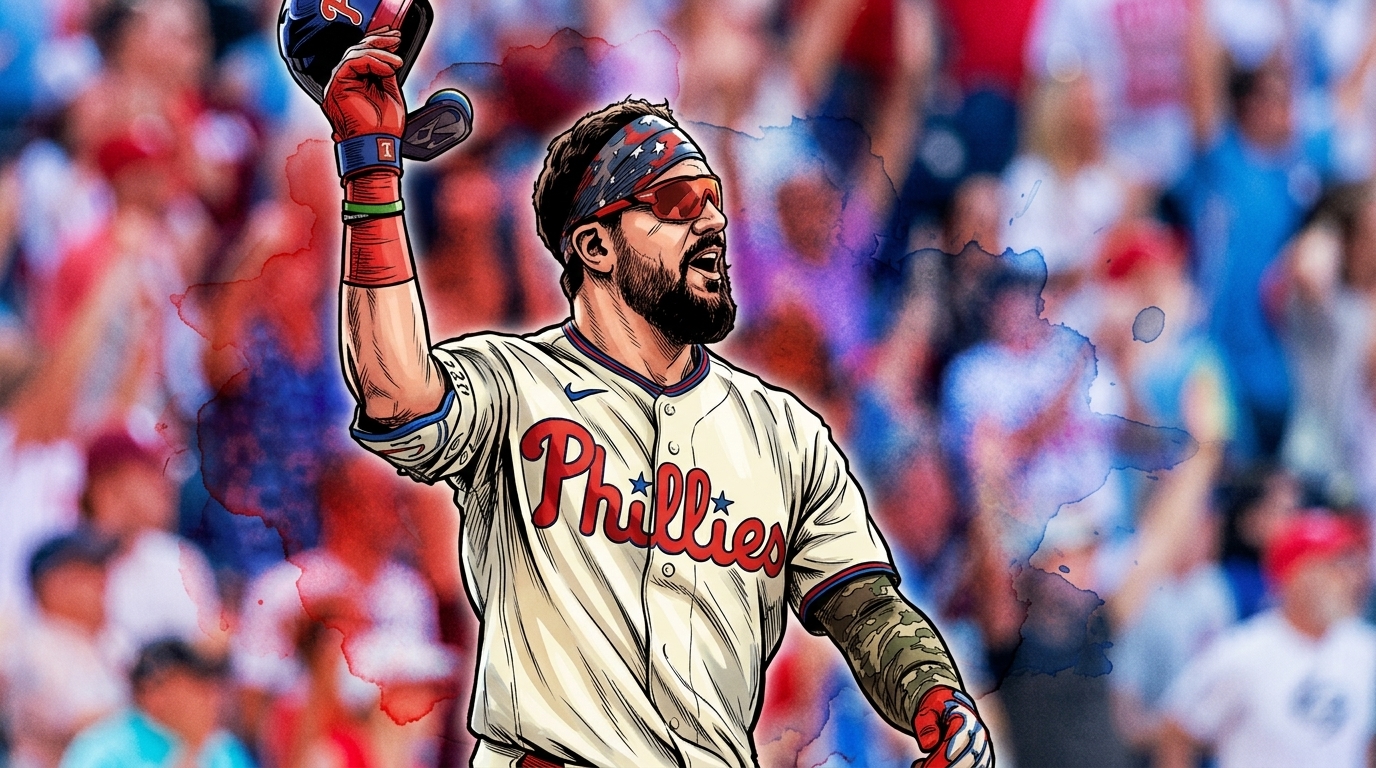

We’ve been watching the MLB All-Star selection process fail in slow motion for decades, and by now the pattern is familiar enough to be boring. Fans stuff the ballot. The commissioner intervenes. A rule changes. The new rule breaks in a slightly different way. This year, Rob Manfred skipped the pretense and went straight to the intervention: he used his personal “Legend Pick” to send Bryce Harper to the 2026 All-Star Game at Citizens Bank Park — a game Harper couldn’t earn through any democratic mechanism the sport actually has. It is, by design, unaccountable. That’s the point. And that is the problem.
What Is the Commissioner’s Legend Pick?
The Legend Pick was codified in the 2022 Collective Bargaining Agreement. Once per league, per year, the Commissioner may add one player of historical or career significance (an extra roster spot, not counted against team limits). Previous uses include Albert Pujols and Miguel Cabrera in 2022, their final seasons, and Clayton Kershaw in 2025 after his 3,000th strikeout. (Three uses, three genuinely defensible choices on résumé grounds.) This year’s NL selection: Harper, who finished third in first-base fan voting behind Freddie Freeman and Matt Olson and was not chosen by managers, either.
To be direct about what the pick is meant to do: it exists to let the Commissioner correct for outcomes that embarrass the league. Pujols and Cabrera getting shut out of their farewell All-Star appearance would’ve been a PR disaster. Kershaw missing his milestone moment would’ve been similarly awkward. The mechanism makes sense as a legacy-recognition tool. What it was not designed to be is a workaround for a player who simply couldn’t break through the three existing selection channels.
Harper is hitting .274 with a .903 OPS, 20 home runs and 57 RBI. Those are All-Star numbers. Nobody serious is arguing otherwise. Manfred wasn’t wrong about the quality of the player. He was wrong about the category of problem he was solving.
Who Got Left Out While Harper Got In?
The Harper pick lands differently when you look at what the other selection mechanisms actually produced.
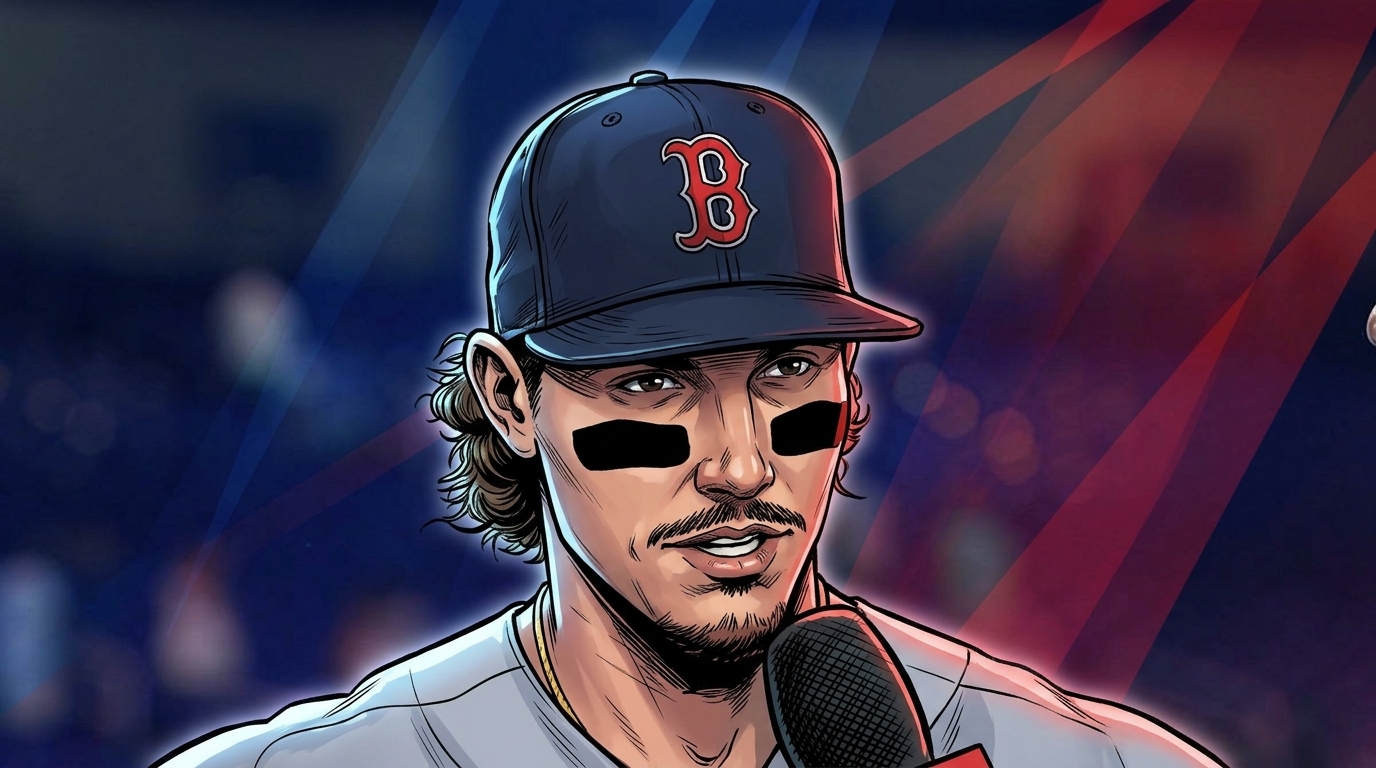
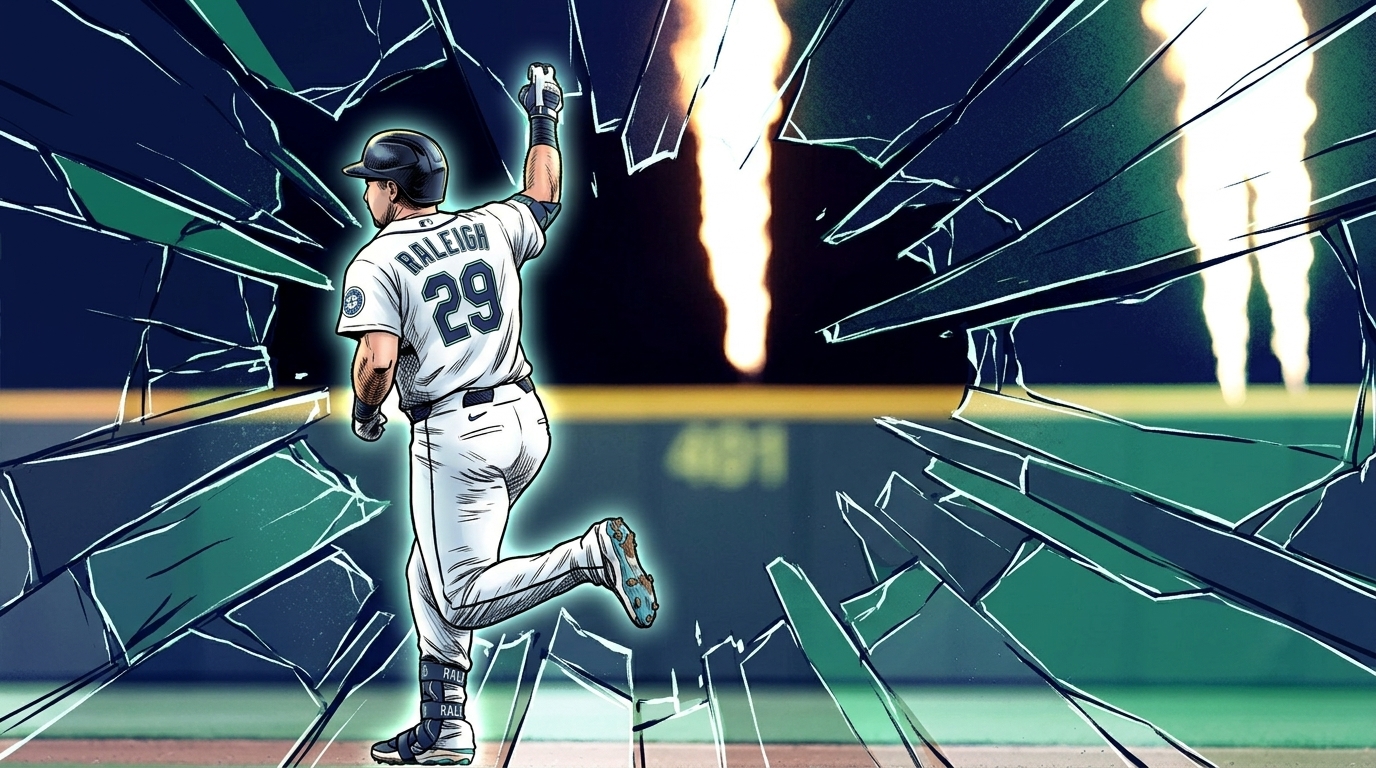
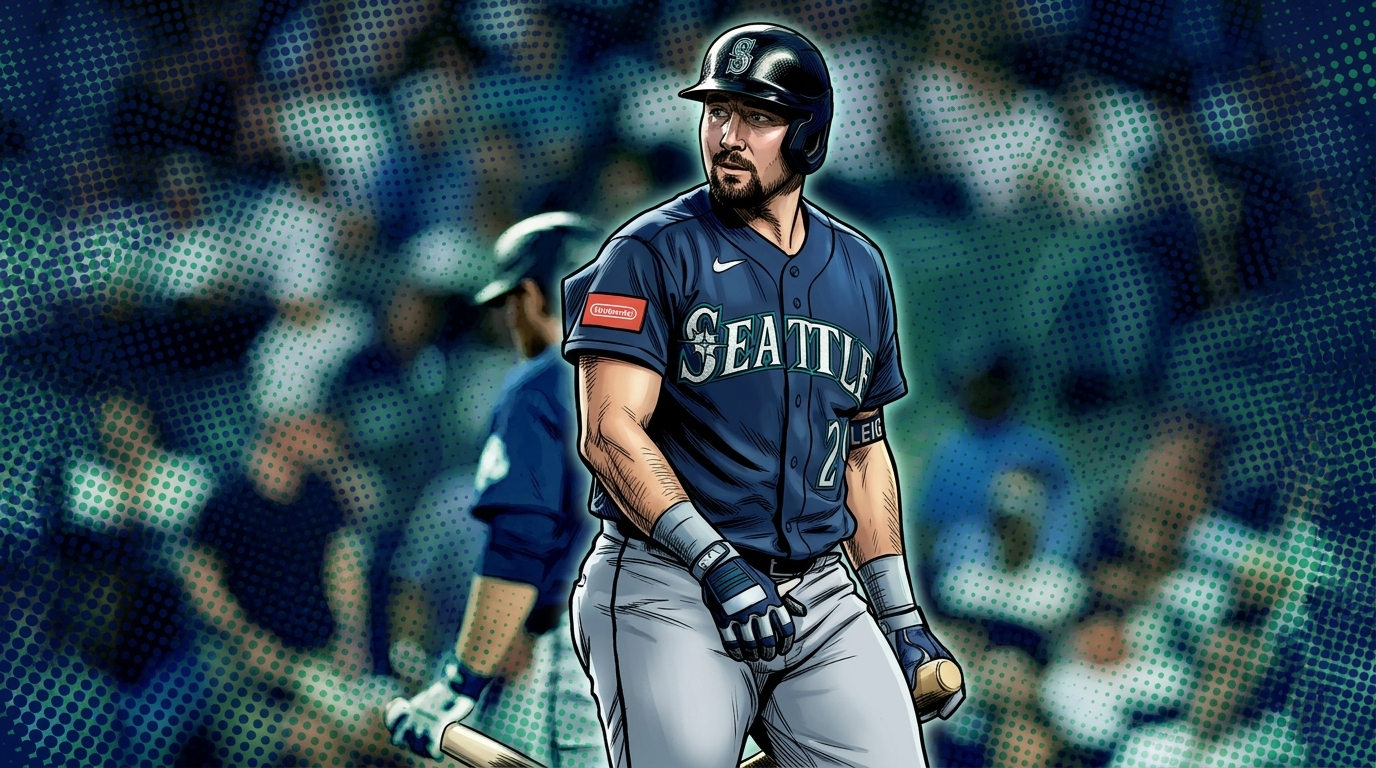
The full list of All-Star snubs tells the story more completely, but the headline cases are worth naming. Willson Contreras, now with the Red Sox, posted 2.8 fWAR, the highest mark among all American League position players who didn’t make the roster. The fans didn’t vote him in. The players didn’t select him. He was the most valuable non-selected position player in the AL, by the standard metric we use to measure value. (This is not a close call. He finished ahead of the next-highest non-selected AL position player by a significant margin.)
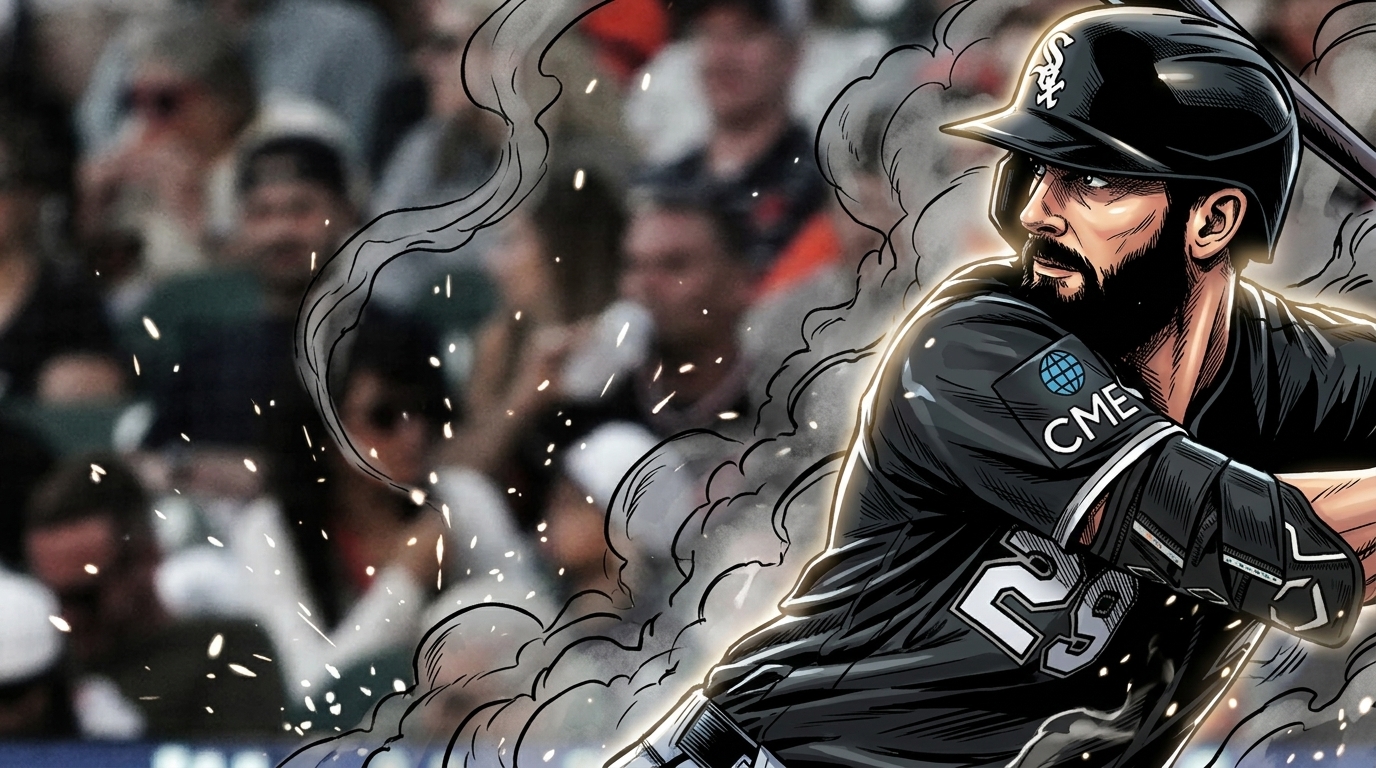
Munetaka Murakami hit 20 home runs in 57 games for the White Sox (.240/.378/.560) before a hamstring issue landed him on the 10-day IL at selection time. He was tied for sixth in the AL in home runs. He was also simply not there in any of the voting pools, for reasons that say more about the process than about his season.
In the NL, Brice Turang (not Brian, a mistake that’s been made enough times to note) put up a 3.2 combined WAR for the Brewers, seventh among all NL position players. As ESPN noted, he may be the best second baseman in baseball right now. Fan voting chose Ozzie Albies instead, who posted a 2.0 combined WAR. The Legend Pick went to neither league’s most glaring omission. It went to a player whose numbers are good but whose case for the game is based on name recognition and the fact that Citizens Bank Park is his home stadium.
The Harper-Manfred relationship adds a layer of texture here that I think matters. Manfred and Harper famously clashed during the 2025 CBA negotiations. Harper was not subtle about wanting the Commissioner out of the players’ business. The Legend Pick has been described in some quarters as something of an olive branch. Whether or not that framing is fair, the optics of a Commissioner using his personal discretionary pick on a player he had a public dispute with, at that player’s home park, is not a great advertisement for the mechanism’s independence.
Why Doesn’t Adding a Fourth Mechanism Fix Anything?
The history of All-Star selection is a history of patching problems with new processes that create new problems. As this FanSided breakdown details, it goes back at least to 1957, when Reds fans stuffed paper ballots so thoroughly that Commissioner Ford Frick overrode seven starters. Fan voting was suspended for roughly a decade afterward. It came back. In 2015, Kansas City fans drove eight Royals to the top of the fan vote, and MLB had to cancel 65 million fraudulent ballots. The response was a two-phase voting system introduced in 2022 to dilute organized campaigns.
The two-phase fix failed immediately. This year, Ernie Clement of the Blue Jays won Phase 1 AL fan voting with 3.2 million organized votes despite a 1.0 WAR. (1.0. The bar for fan-coordinated success is apparently just “have a dedicated fanbase with a spreadsheet.”) The player vote, theoretically a meritocratic correction, ignored Contreras anyway. The manager’s selections, the third channel, also missed him.
I believe the problem isn’t that any one mechanism is broken in an unusual way. The problem is that each mechanism is optimized for something different: fan entertainment, peer respect, roster balance. None of them is optimized for identifying the best players who haven’t made the team yet. Adding a fourth mechanism in the form of a Commissioner’s personal pick doesn’t address that misalignment. It just introduces a fourth optimization function (legacy recognition, or narrative convenience, or relationship management, depending on the year) and calls it a solution.
The strongest counterargument is straightforward: Harper’s numbers are legitimate, he’s one of the most compelling players in the sport, and the All-Star Game is partly a star showcase, not just a merit ranking. That’s a real argument. The game has always been partly theater. The problem is that “partly theater” shouldn’t mean “the Commissioner gets a personal invitation card with no accountability framework around it.” Even the theater should have rules.
The Legend Pick, as currently constructed, is the most brazenly paternalistic addition to the All-Star process in its history — not because Harper is undeserving, but because the pick has no criteria, no transparency, and no constraint beyond the Commissioner’s own judgment. The player vote disparity problem and Zack Wheeler’s exclusion from the pitching staff are symptoms of the same disease: a process that accumulates mechanisms without ever diagnosing what it’s actually trying to accomplish.
https://twitter.com/PhilsTailgate/status/2073553743723811252
Watch what happens in 2027. If the Legend Pick gets used on another player with a compelling storyline and All-Star-caliber numbers, the defense will be that it’s working as intended. If it gets used on someone with weaker numbers and an even more obvious connection to revenue or narrative, that will be the tell. The CBA negotiation that codified this pick expires eventually. When it does, someone should ask whether the Commissioner’s personal invitation card belongs in the agreement at all — or whether the sport might be better served by fixing the three mechanisms it already has rather than giving the front office a fourth one to hide behind.