
Fox Sports and ESPN are currently engaged in a public dispute over which of them deserves credit for the FIFA World Cup 2026 being popular, which is roughly equivalent to two people arguing loudly in a parking lot about who invented rain.
The inciting document was a Front Office Sports report citing anonymous Fox executives who were, apparently, furious that ESPN wasn’t sufficiently covering a tournament that Fox holds the exclusive English-language broadcast rights to. The money quote: “Where in the hell was ESPN?” This is the institutional version of a man who bought tickets to a concert being angry that his neighbor didn’t also go. ESPN responded with a statement from EVP Mike Foss: “Our sole focus is providing fans with the most comprehensive coverage of sports across platforms daily.” Fox then denied the whole thing. Andrew Marchand posted their statement on X:
https://x.com/AndrewMarchand/status/2067327469091537195
“This is simply not true. We are focused on our own coverage of the biggest event in the world, not on what others choose to air.” Front Office Sports reporter Michael McCarthy stood by the original story. So now we have a media feud about a media feud, which is a level of institutional recursion that deserves its own segment on SportsCenter; it can air a maximum of 90 seconds of World Cup highlights per match, and only after Fox has completed all match and studio programming, which means a delay of twelve hours or more.
This is where the rain metaphor does real work, so stay with it for a moment. Rain does not require anyone’s promotional support; it falls regardless of who is credited with forecasting it. The USMNT’s 4-1 win over Paraguay on June 12 drew 15.99 million viewers on Fox, FS1, and Tubi — the most-watched USMNT match in history, up 106 percent from the 2022 World Cup. Combined with Telemundo’s Spanish-language coverage, the number approaches 25 million. Through the first 16 group stage matches, Fox and FS1 averaged 6 million viewers, up 128 percent from 2022. These are numbers that would have happened on whatever network held the rights; they would have happened if the games were broadcast exclusively through a fax machine. The audience did not require instruction.
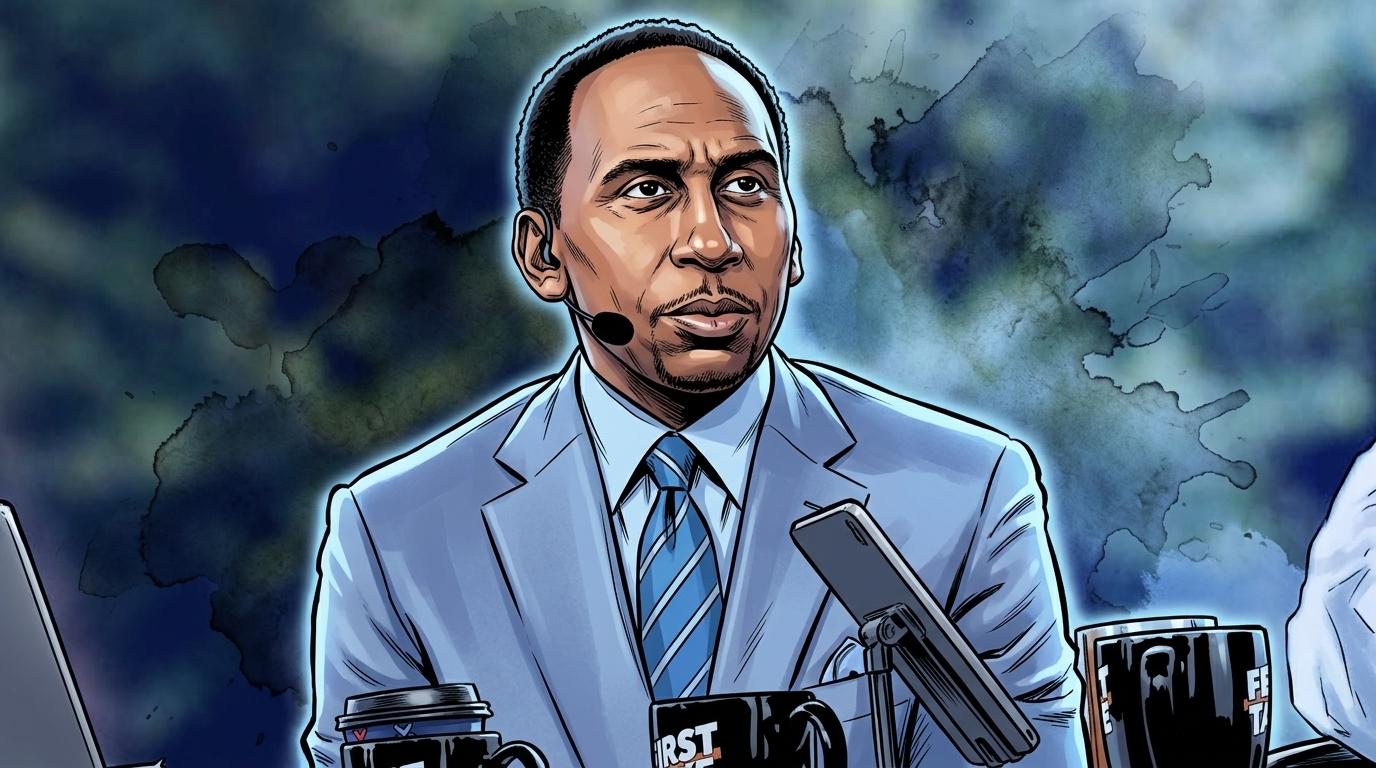
Fox paid $485 million to FIFA for the right to broadcast this tournament. Having done so, Fox is now annoyed that a competitor (one which, by FIFA’s own non-rights-holder rules, cannot show more than 90 seconds of highlights per match, cannot air those highlights on morning programs like First Take or Get Up, and must wait until Fox finishes all match and studio programming before running anything) is somehow failing to sufficiently amplify Fox’s investment. What Fox appears to want is for ESPN to spend its airtime promoting a product Fox owns. ESPN, for its part, deployed twelve-plus on-site reporters and ran wall-to-wall coverage through ESPN Deportes; Scott Van Pelt resorted to having analysts draw goals on a whiteboard on-air because the rules prevented him from showing the actual footage. This is the journalistic equivalent of covering a wildfire by describing what fire smells like.
The argument underneath the argument is about who owns the cultural moment — who gets to be the institution that explains to American audiences why the FIFA World Cup 2026 matters. Fox wants that to be Fox; ESPN has been positioning itself as America’s soccer network for years through our World Cup coverage and the ESPN FC brand. Both arguments are, in the most precise sense, irrelevant. The audience for this tournament arrived because they wanted to watch soccer at a World Cup hosted in their own country, not because a cable network told them to care. The most sophisticated media strategy deployed in this entire cycle was the one that involved no networks at all: 2 million fans showing up to official FIFA fan zones, buying jerseys, gathering in bars, watching on phones. Neither Fox Sports nor ESPN can plausibly take credit for any of that; the attempt to do so is what makes the feud as funny as it is.
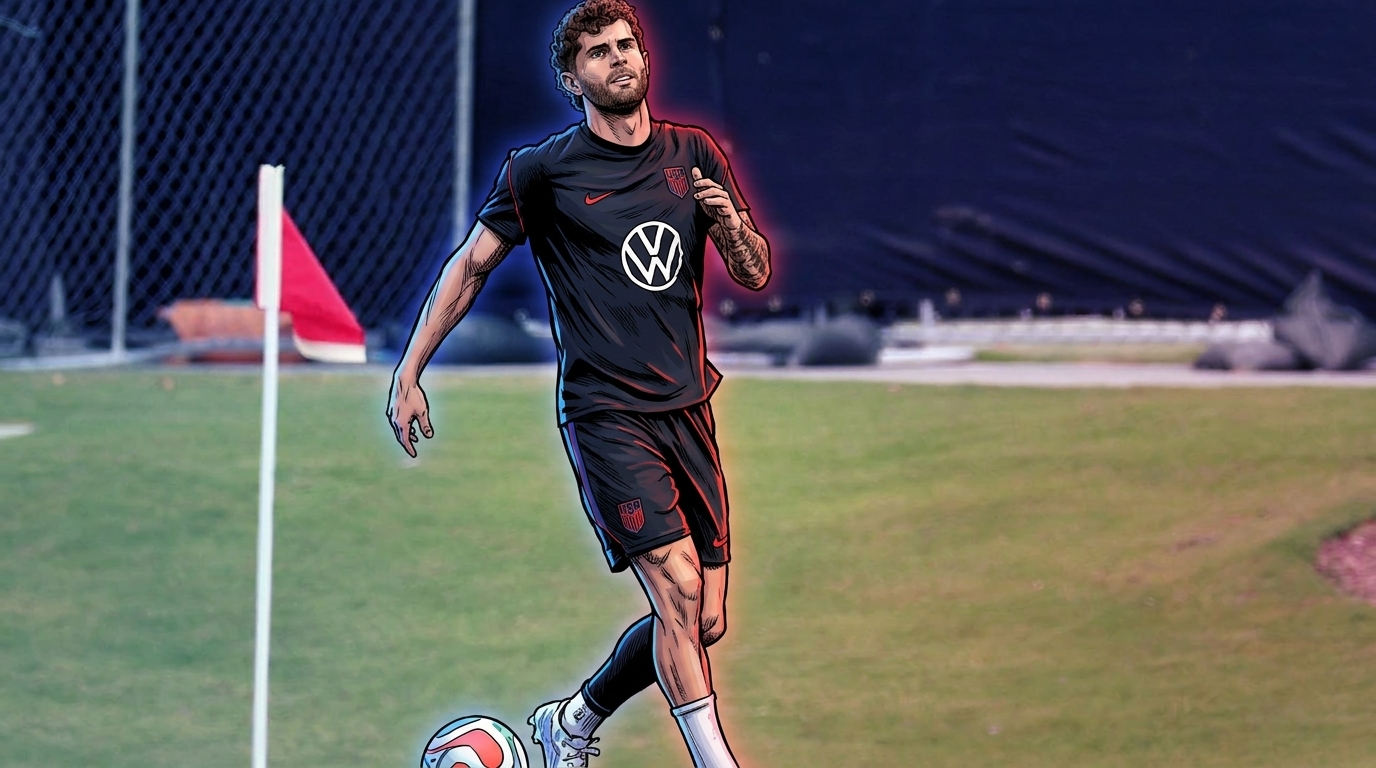
What we’re actually watching, underneath all the anonymous quotes and corporate denials, is two enormous institutions competing for the right to narrate a cultural shift they didn’t cause. This is what passes for sports media coverage at scale: a scramble to attach institutional logos to things that happened without institutional assistance. The audience showed up. The numbers are historic. Fox got its return on $485 million; ESPN got its traffic. The only loser in this story is anyone who expected either network to be honest about why Americans actually showed up to watch soccer — which is that the World Cup came here, the games were good, and Christian Pulisic is genuinely compelling to watch, none of which required a Fox executive to be angry about it.