
Three facts landed on the same day, and they don’t coexist by accident. The WNBA is celebrating its 30th season tonight. Cable television just hit one million viewers for a WNBA regular-season game for the first time. And ESPN is launching a primetime weekly franchise, Women’s Sports Sundays Presented by TJ Maxx, with the New York Liberty and Los Angeles Sparks as the opening act, the exact same teams that played the league’s inaugural game in 1997. We’ve been watching this build for years, and tonight it finally has a name and a time slot.
This isn’t a feel-good anniversary story. It’s a market correction.
What Did ESPN’s Women’s Sports Sundays Replace?
ESPN Women’s Sports Sundays replaced Sunday Night Baseball, which ESPN had aired for 35 years before MLB rights moved to NBC for the 2026 season. The nine-week franchise runs June 21 through August 16, spanning ESPN, Disney+, and ESPN Deportes, with 12 total live events: eight WNBA games, plus NWSL joining in Week 5 for three weeks of doubleheaders.
The announcement came in February 2026, months before the cable ratings peaked, months before the season opened to 2.5 million viewers on ABC. Per ESPN’s press release, Executive VP Rosalyn Durant framed it as a destination play: “about building a consistent, high-profile destination that reflects the passion, excellence and cultural impact of women’s sports today, while giving athletes and leagues the stage they deserve.” The programming slot was pre-committed before the 2026 season produced a single rating. That matters when people try to call this reactive.
Why the Numbers Already Made This Decision for Them
The skeptical read (Craig Carton, among others, went there on radio) is that Disney just cannibalized ESPN by handing over a prime summer slot that used to belong to baseball. The optimistic read is that ESPN is forward-betting on a growth trajectory. The accurate read is somewhere more mundane: the audience was already there, the rights fees for women’s sports remain significantly lower than MLB, and ESPN had a hole to fill after 35 years of Sunday nights anchored by a league that just left for NBC.
Women’s sports didn’t get this slot because the industry had a revelation. They got it because the economics lined up.
What the numbers have actually been saying, for anyone reading them, is not subtle. WNBA on ESPN and ABC averaged 1.3 million viewers in 2025, up 6 percent year over year, even with Caitlin Clark playing only 13 games due to injury. The 2026 season opener drew 2.5 million on ABC. The most-watched game of the year, Fever versus Liberty on CBS, drew 2.557 million. And then, on June 17, Toronto Tempo versus Indiana Fever on USA Network hit 1.00 million cable viewers, up 134 percent from the 2025 cable average. (That last number is worth sitting with. A cable game (not ABC, not a championship, not a special event) drew a million people on a Tuesday night.)
https://x.com/USASportsPR/status/2067970729291710899
The Clark effect is real, but it has always been a partial explanation for a larger trend. Clark played barely half a 2025 season and ratings still rose. The fan base expanded while she wasn’t on the floor. That’s not a one-player story. That’s a market that built something durable.
The NWSL numbers run parallel. Per ESPN’s own data, NWSL coverage on ESPN was up 61 percent in 2025, the championship drew 1.184 million on CBS, and digital streams climbed 30 percent. The programming decision to add NWSL doubleheaders in the final three weeks of Women’s Sports Sundays isn’t a charity extension — it’s ESPN plugging a league whose growth curve looks like the WNBA circa 2022.
Rosalyn Durant, in the February announcement, put it plainly: “Women’s sports are experiencing continued momentum, and Women’s Sports Sundays is ESPN’s next step in meeting that demand.” Meeting demand. Not creating it. Not inspiring it. Meeting it — present tense, already there.
What’s Actually on Women’s Sports Sundays?
The nine-week schedule, presented by TJ Maxx, runs through August 16 and leans heavily on the WNBA: 8 of 9 weeks feature a WNBA game as the centerpiece, with the NWSL joining Week 5 (July 26) for the stretch run. The final three weeks are WNBA-NWSL doubleheaders. Twelve total live events across ESPN, Disney+, and ESPN Deportes.
The broadcast team for tonight’s opener has a structural poetry to it. Rebecca Lobo played in the 1997 inaugural game: New York Liberty at Los Angeles Sparks, June 21, 14,284 in attendance at Great Western Forum, the Liberty winning 67-57. Three decades later she’s courtside as an analyst for the same teams, same date. Hannah Storm called the original NBC broadcast in 1997; she’s hosting tonight’s pregame on ESPN. Per ESPN’s June press release, Tim Corrigan framed it the way an executive frames symmetry he knows lands well: “The debut of the Women’s Sports Sundays franchise provides the perfect stage to honor the WNBA’s legacy and momentum.”
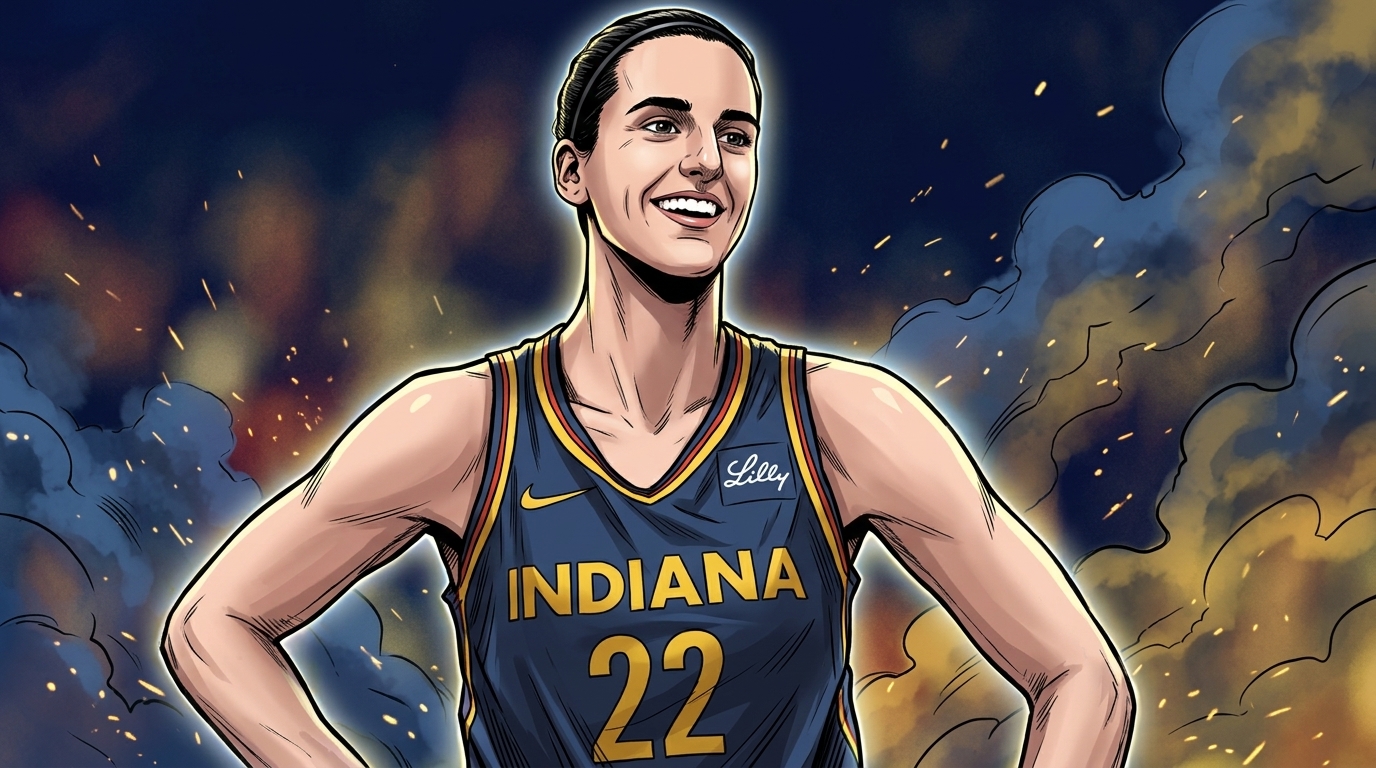
One notable tension in the schedule: the Indiana Fever appear only twice across all nine weeks, despite Caitlin Clark being the single largest driver of WNBA cable viewership in modern history. (The Fever-Liberty matchup on CBS drew 2.557 million viewers, a season peak, and the Fever weren’t handed more primetime real estate for it.) ESPN is clearly betting on the league as a product, not on one player as a lifeline. Whether that’s principled scheduling or a miscalculation about where the casual viewer’s attention still anchors is a fair question to leave open.
ESPN’s broader context gives some scale to what “women’s sports platform” actually means internally: the network airs 30,000-plus live hours of women’s sports annually and broadcasts 23 NCAA women’s championships. Women’s Sports Sundays isn’t a pivot — it’s a visible flagship sitting on top of an infrastructure that was already substantial.
What to Watch For
The next 60 days of sports media coverage will tell us more about what Women’s Sports Sundays actually is than the launch press cycle ever could.
The questions worth tracking: Do the WNBA games on ESPN primetime move the needle past the ABC numbers, or does the platform still matter more than the night? Does adding NWSL doubleheaders in the final three weeks hold the audience that showed up for basketball, or does it fragment it? And, most critically, does the CBA uncertainty hanging over the WNBA (the collective bargaining agreement expired October 2025, negotiations ongoing) create any friction with the league’s broadcast moment, or does the labor situation get resolved before it becomes a storyline that cuts against the good-news cycle?
The 30-year frame is genuinely meaningful, not just as a broadcast hook. The 1997 inaugural game aired on NBC, drew 14,000 people to a Los Angeles arena, and was covered as a curiosity. The 2026 version of that same matchup will air in primetime on ESPN with Rebecca Lobo and Hannah Storm (a woman who played in the game and the woman who called it the first time) and nobody is calling it a curiosity. The framing has changed because the math forced it to change.
We spent three decades watching the industry explain why the audience wasn’t there yet. Tonight, the same broadcaster that aired the first game (NBC had those rights in 1997) hands the marquee Sunday night programming slot to a league it once treated as a summer filler. The audience was never the problem. The industry is just the last to know.