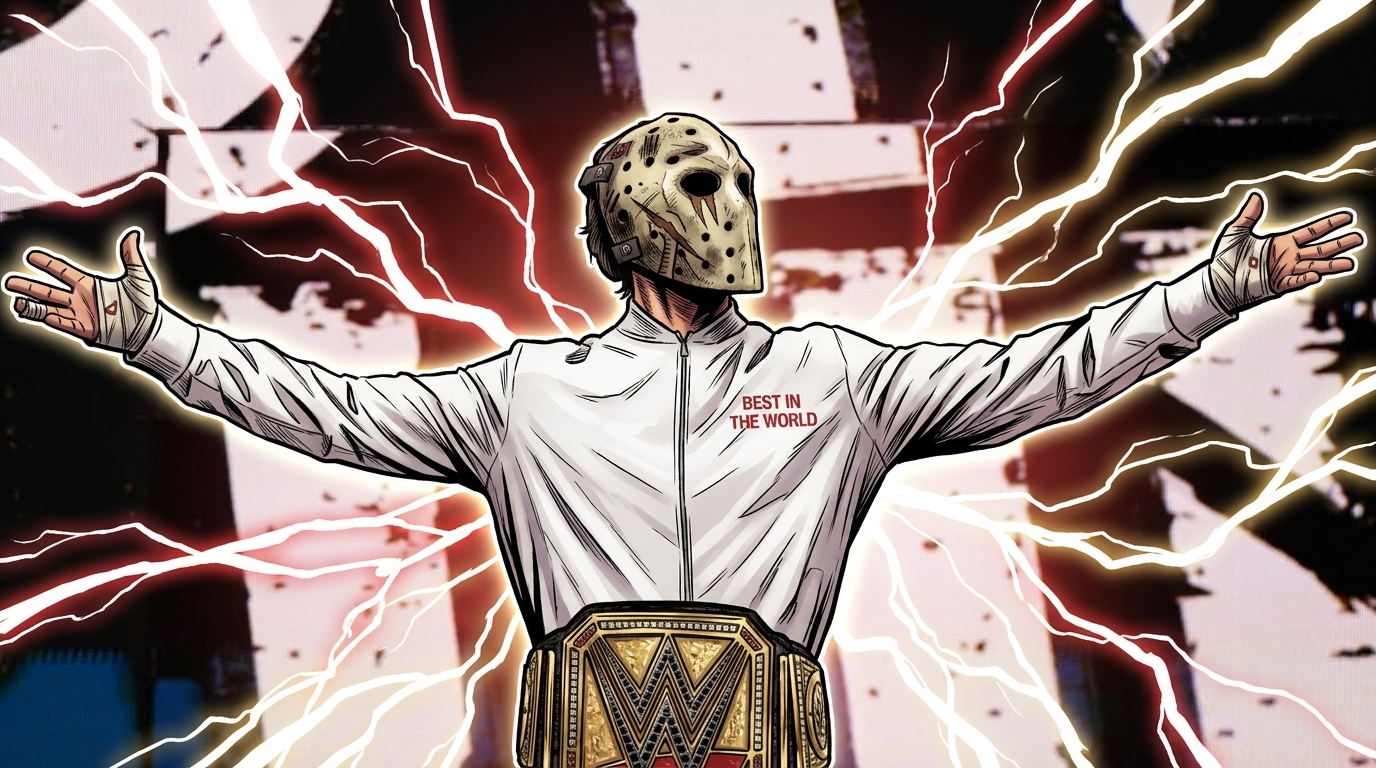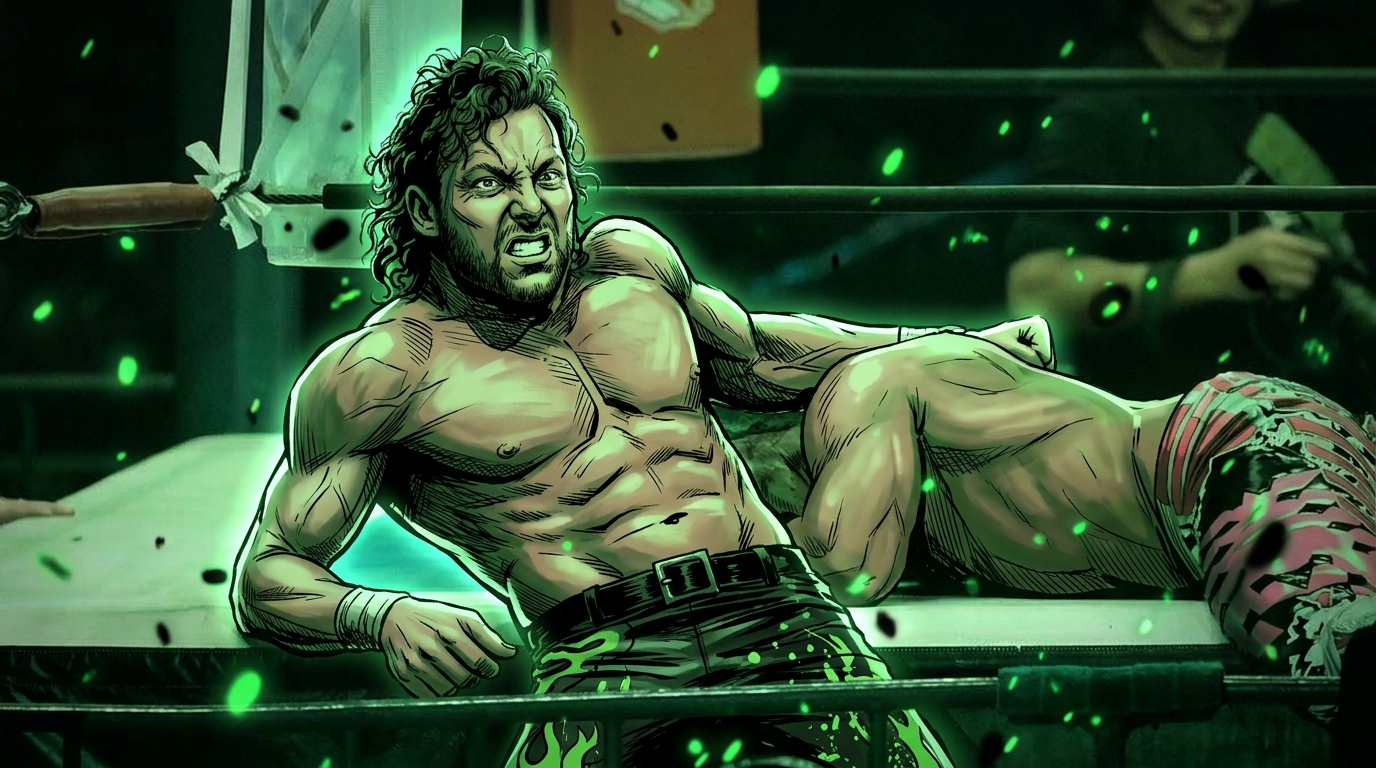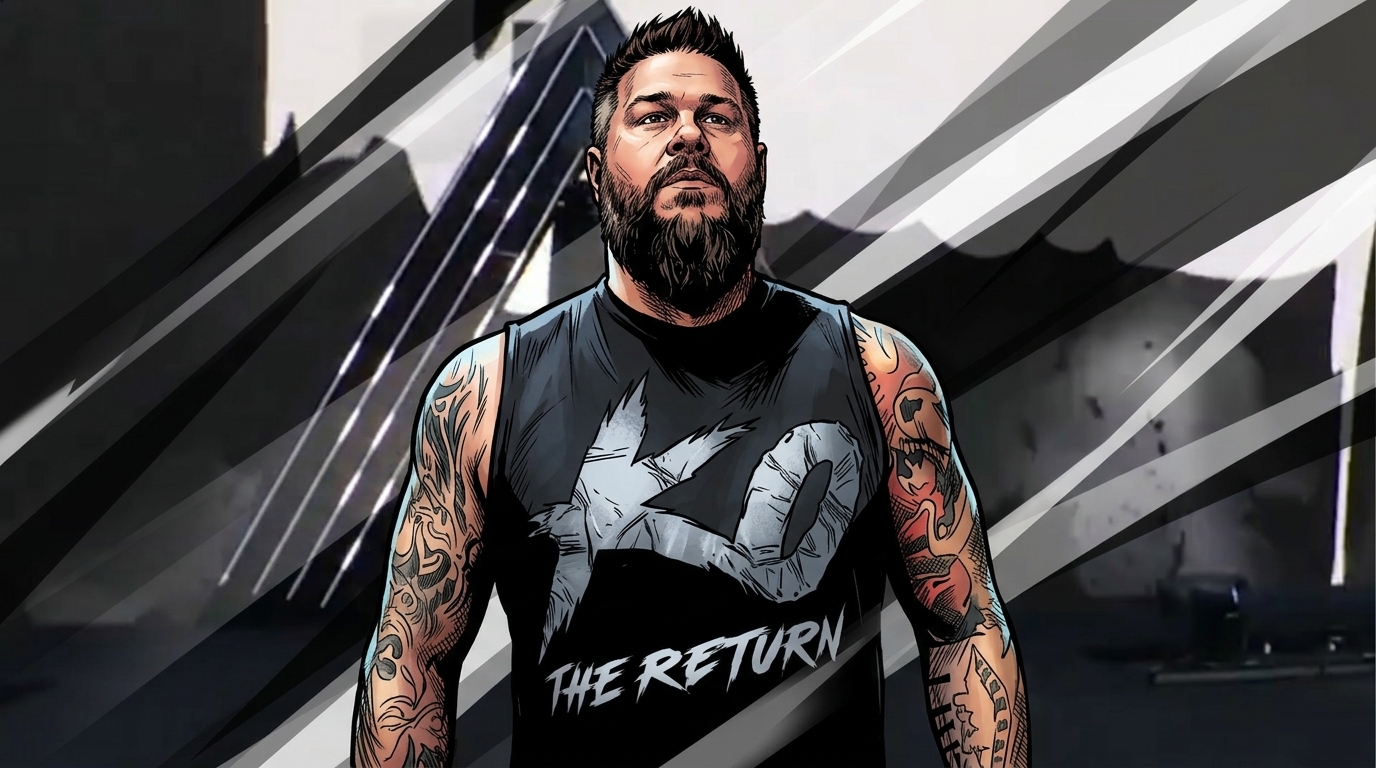

The most irresponsible thing WWE could have done with Gunther’s rematch clause was hand him a loaded gun and trust him not to point it at himself, which is more or less what they did on SmackDown last Thursday when Gunther named Sami Zayn as special guest referee for a Cody Rhodes title match — and Sami Zayn, being Sami Zayn, promptly fast-counted a pin, kicked Gunther’s hands off the ropes, Helluva Kicked Gunther, and then knocked Rhodes out with the championship belt. GM Nick Aldis responded by making it a triple threat. Gunther’s scheme backfired so completely it became a new scheme.
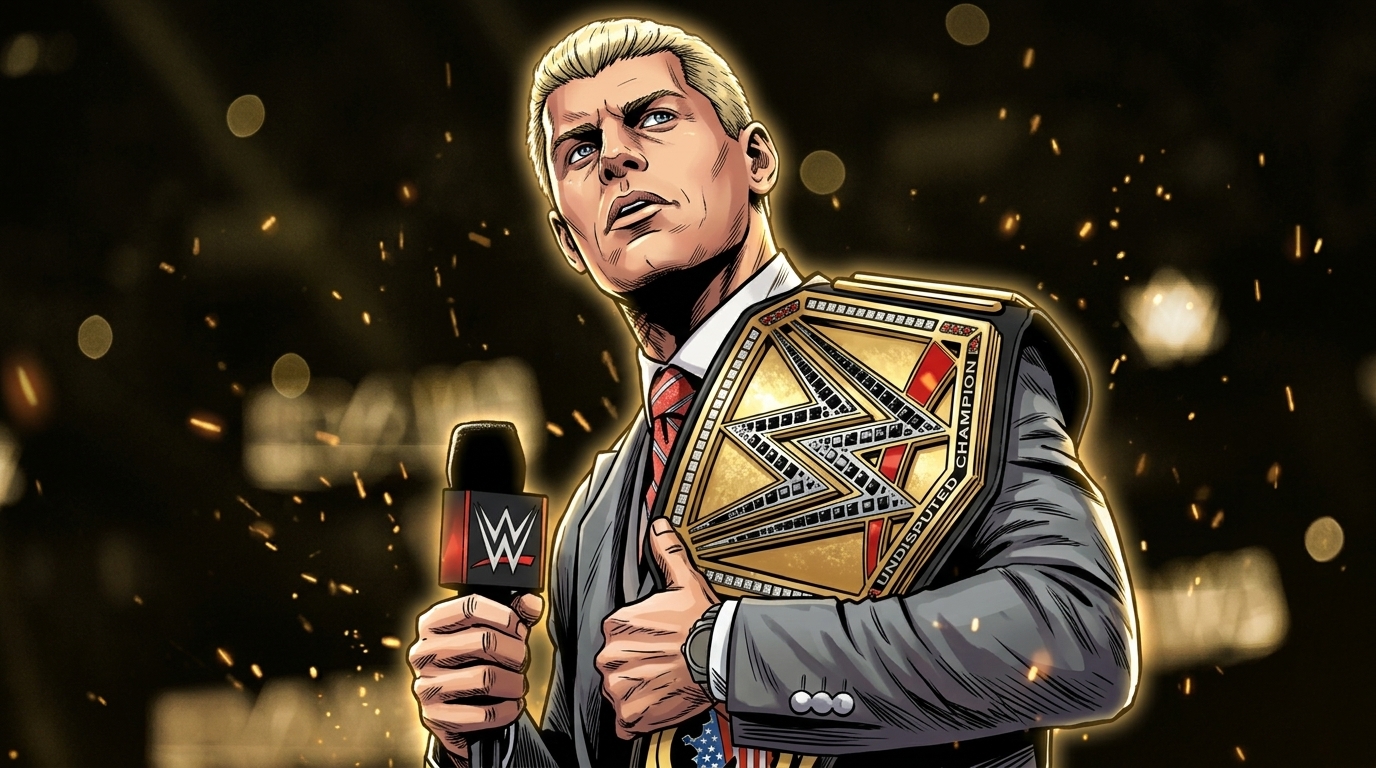
That match is now Cody Rhodes defending the Undisputed WWE Championship against Gunther and Sami Zayn at Night of Champions 2026, June 27 at the Kingdom Arena in Riyadh, Saudi Arabia, streaming on the ESPN App domestically and Netflix internationally at 1 PM ET. It is, on paper, an excellent triple threat. It is, in practice, something rarer: a WWE title match where a reasonable person genuinely cannot tell you who wins.
Think of it as a poison pill provision. Corporate lawyers put those clauses into acquisition agreements specifically to make a transaction so expensive and complicated for a hostile bidder that the whole deal falls apart. Zayn is that clause. The moment he entered the match, he made the whole equation prohibitively complicated for everyone, including the company writing the contract.
Here is the mechanism: Zayn’s audience is not a casual audience. The 2022-23 Bloodline arc — Honorary Uce, the years-long con he ran on himself, the steel chair that ended it at Royal Rumble 2023, the Elimination Chamber in Montreal where an entire arena of Canadians lost their minds believing he’d win — that was the best wrestling narrative in a decade, and the people who watched it remember every frame. Zayn didn’t get over because WWE decided to push him. He got over because the story earned it; that is a completely different thing, and the company has spent three years not quite knowing what to do with the distinction.
What adding him to this match does is install the poison pill. WWE cannot afford to disappoint Zayn’s crowd in the way it routinely disappoints crowds; the goodwill is too specific, too earned, too connected to a real story to absorb casual contempt. They can still screw it up (they are the WWE), but the cost of screwing it up is higher than it is for most matches. That constraint is what makes a good match genuinely compelling.
There is also the Saudi Arabia detail, which fans have noticed with the kind of resigned, exhausted attention that Zayn tends to produce in his more devoted corners of the internet. He has been to that building before; it did not end well: he lost a championship to Drew McIntyre on that same stage not long ago. Returning to the Kingdom Arena as a title contender has a certain bleak full-circle quality to it that is either brilliant booking or coincidence that WWE will take credit for.
https://twitter.com/WWE/status/2068145615624671368
The whole thing started, technically, at Clash in Italy, where Rhodes retained over Gunther on a controversial foot-under-the-rope pin. Gunther invoked his rematch clause and then did the most Gunther thing imaginable: selected a guest referee he thought he could manipulate, failed entirely to account for what Sami Zayn actually is, and watched the plan detonate in real time. As Yahoo Sports noted, Rhodes essentially booked himself into the triple threat by demanding Aldis fix what Zayn broke. Three people, one belt, zero clean paths to a predictable finish.
The rest of the Night of Champions card — Seth Rollins and Bron Breakker in a Steel Cage, the King and Queen of the Ring finals, Tiffany Stratton defending the Women’s US Title against Jade Cargill — is worth your time. But the triple threat is why you’ll be awake at 1 PM ET on a Saturday in late June. It is, against the odds and partially by accident, exactly the kind of match this company should be building around more often. For our ongoing WWE coverage, that’s a sentence that’s genuinely nice to write for once.
The poison pill works when it makes both sides uncertain enough that everybody has to actually show up and negotiate. On June 27, everyone is showing up. What happens after that is anybody’s guess.