
We’ve been covering NFL training camps long enough to know the annual rhythm of a camp fight: a shove during an eleven-on-eleven period, a helmet gets thrown, a coach blows the whistle, and by dinner nobody’s talking about it anymore. This week broke that rhythm in three different cities. In Buffalo, the offense swarmed a rookie linebacker hard enough that a lineman openly bragged about it afterward. At another team’s camp, a fistfight between adult fans got ugly enough that a tight end had to carry a kid clear of it. And in West Virginia, Jaxson Dart fired a football at a defender’s helmet and picked up a taunting flag for his trouble. (Full disclosure: I’m a Packers/Bucks/Brewers guy from Milwaukee, so none of these three fan bases are mine, which mostly means I get to watch this without flinching.)
Division, coaching tree, and common opponent don’t connect any of this. Timing does, and that’s the actual story here, not any one scrum. What matters is what three unrelated camps throwing hands in the same week says about where NFL rosters sit heading into September, not any individual fight tape. Camps this combustible in the first week of pads usually means the guys doing the fighting know exactly how thin the gap is between a roster spot and a plane ticket home.
Why Is Every NFL Camp Running This Hot in August?
Three camps turned physical in the same week of August 2026: a Bills brawl over a late hit on Dalton Kincaid, a fan fight at Pittsburgh’s camp bad enough that a player carried a kid clear of it, and Jaxson Dart drawing a Giants taunting flag for throwing the ball at a defender’s helmet. The trigger changes each time. The timing doesn’t.
Camp fights aren’t new on their own, and by themselves they don’t mean much. Every August somebody throws a punch during a red-zone period, gets separated, and the beat writers move on by the next practice. What’s different in 2026 is the volume in a single week. Elsewhere in the AFC, the AFC’s other camp storylines have run toward quarterback competitions and underwhelming OTAs, not fistfights, which is what makes three separate incidents in the same week feel like more than coincidence.
What the Bills Brawl Actually Tells Us About Kaleb Elarms-Orr
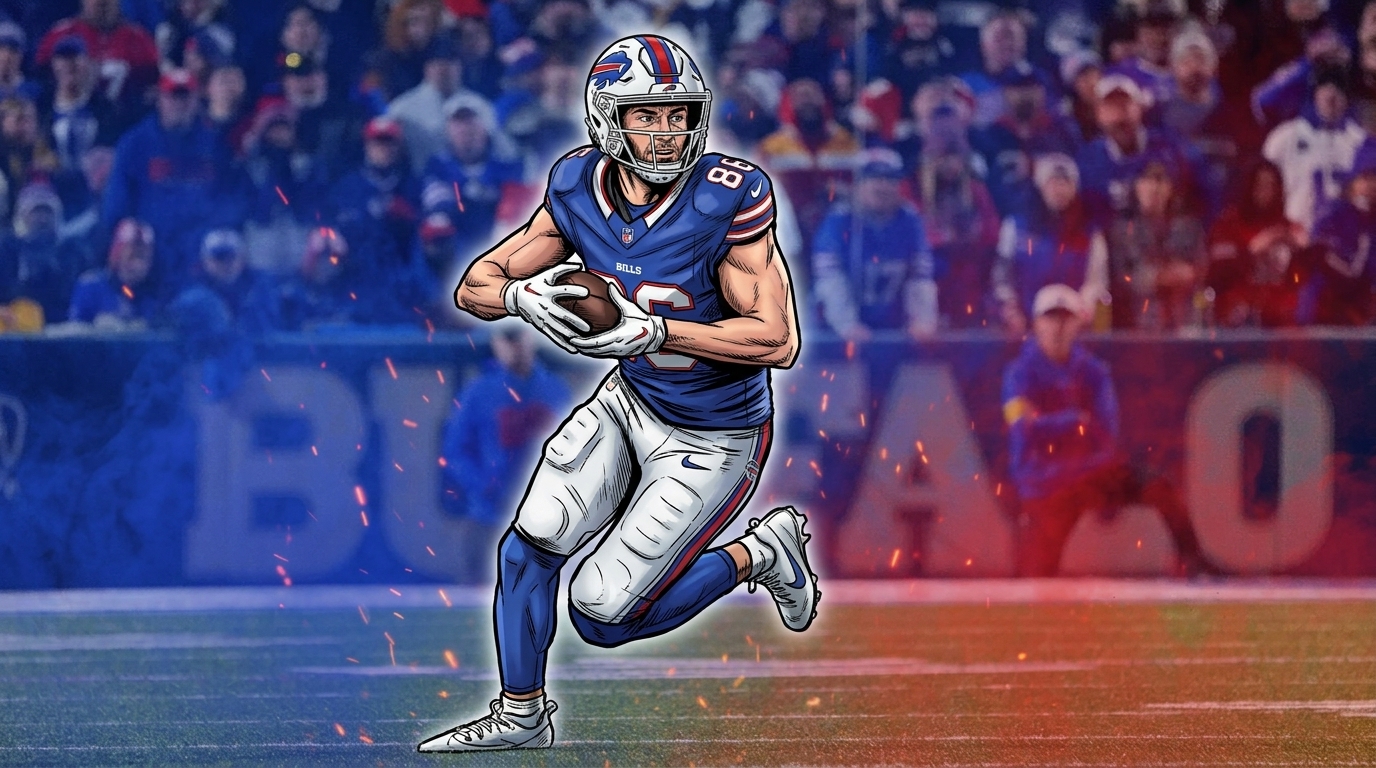
Buffalo’s first day in full pads produced the clearest data point. Rookie inside linebacker Kaleb Elarms-Orr, a fourth-round pick out of TCU, hit Dalton Kincaid late on a catch during a team period, and the offense responded the way offenses respond when somebody touches their Pro Bowl tight end: badly, and as a group. Guard Alec Anderson got to the pile first, and by his own account, he made the most of it: he “enjoyed punching him in the face a couple times and choking him out,” Anderson said afterward. Not exactly head coach Joe Brady’s preferred phrasing, but Brady and tight end Dawson Knox both pulled Elarms-Orr aside once things settled to talk him through it, which suggests the staff saw a teaching moment, not just a mess to clean up.
It happened again a few reps later. Second-round rookie linebacker T.J. Parker tackled a receiver in the flat, Anderson found his way to the middle of that pile too, and tight end Keleki Latu landed a light punch before coaches separated everybody for good. Kincaid, for what it’s worth, was fine. He kept catching passes the rest of the session, which says more about how camp fights actually go than the scrum itself. (Rookies notice things like that. So do special teams coordinators trying to figure out who’s actually tough enough to matter in December.)
Tackle Spencer Brown put it more plainly, describing the rookie linebackers as showing “a little piss and vinegar,” which is the kind of thing veteran offensive linemen say about defenders they’re annoyed with and secretly respect. Athletic Bills reporter Joe Buscaglia caught Anderson’s role in the pile on video:
https://twitter.com/JoeBuscaglia/status/2084654785324576972
Anderson wasn’t hiding from any of this afterward, and offensive linemen are supposed to defend their skill players. What’s notable is that it happened twice, on two different plays, to two different rookies, in the same practice.
The Steelers Fight Wasn’t Even About Football
Compare that to what happened three days earlier at Pittsburgh Steelers camp, and the temperature reading gets more unsettling, not less. This one had nothing to do with players. Two adult fans got into it at St. Vincent College, reportedly over positioning for autographs, and it escalated fast enough that tight end Pat Freiermuth spotted a kid caught near the scrum and lifted him over the mesh fence to get him clear before things got worse. “I just saw people tumbling down and fighting,” Freiermuth said, describing the moment. Total Pro Sports had the footage, and it spread the way that kind of clip always spreads. Pat McAfee was among the people who shared it.
Nobody’s blaming the Steelers’ roster for this one. But a Bills brawl caused by a rookie playing too physical is actually a good problem: it means players care enough to throw hands over each other. A fan fight bad enough that a player has to physically remove a child from the crowd isn’t a roster problem at all, it’s a crowd-control problem, and it’s the kind of thing that makes a training camp — normally the lowest-stakes environment in professional sports — feel like it needed actual security planning. Different failure mode, same week, same general sense that everybody’s patience is running short before Labor Day.
Jaxson Dart’s Problem Isn’t Going Away
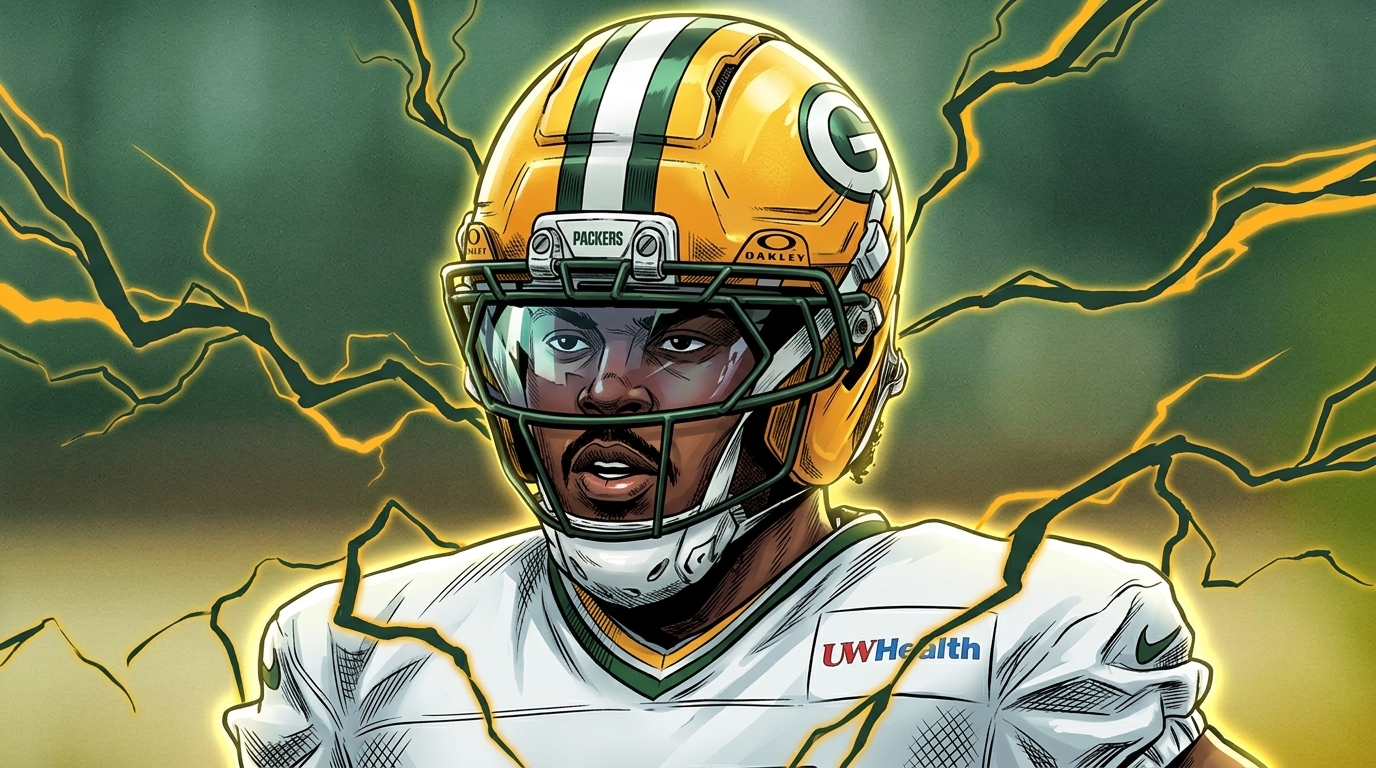
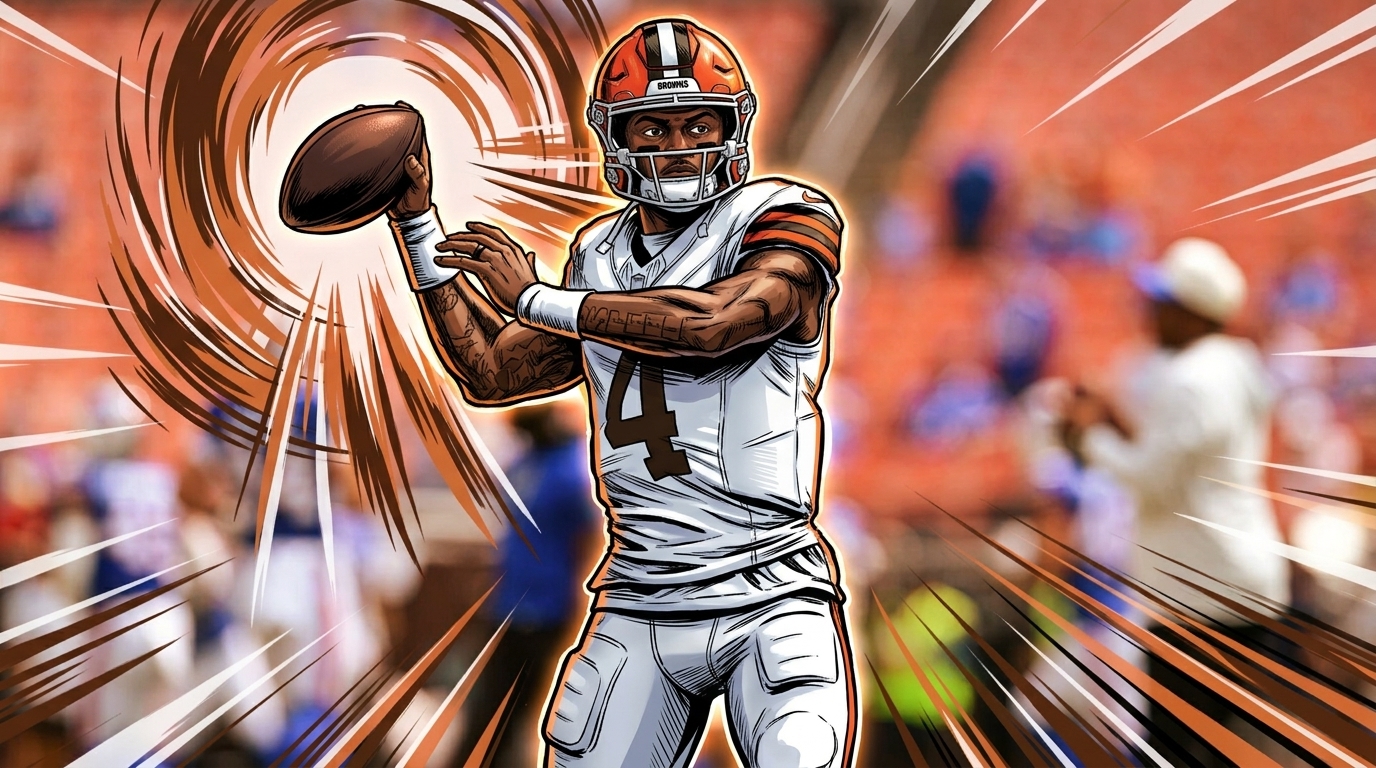
On the same day as the Bills scrum, in White Sulphur Springs, Giants quarterback Jaxson Dart turned a red-zone touchdown run into a different kind of highlight. After scoring during a practice drill, Dart fired the ball at cornerback Greg Newsome’s helmet, drew a taunting flag, and got an earful from defensive players on his way back to the huddle. Per ESPN, the Giants had been flagged 14 times the day before; this dropped them to seven, an improvement that still included the franchise quarterback picking a fight with the guy he’d just scored on.
Head coach John Harbaugh, in his first training camp since leaving Baltimore after eighteen seasons, wasn’t interested in relitigating it. Asked whether he’d spoken to Dart about the penalty, Harbaugh said: “Do you think I need to say anything in that case? It’s pretty clear cut.” He assessed the fifteen yards and had the offense re-kick the extra point from the new spot, which is about as blunt a coaching response as exists — no meeting, no film session, just move the ball back and let the scoreboard make the point. (I’d bet the extra-point re-kick lands with Dart harder than any speech Harbaugh could have given.)
Put the three incidents side by side and the individual explanations start to look thin. A rookie linebacker trying to make a roster, fans losing their patience over autograph position, and a quarterback who can’t help himself don’t explain each other in isolation. I think the calendar does the explaining: cut day arrives on every one of these rosters within weeks, and everybody from the fourth-round linebacker to the guy signing autographs for free knows exactly how little separates a good camp story from a bad one.
No league tracks this, and it won’t show up in a stat anyone cites in October. Call it a mood instead, and moods at training camp tend to be honest leading indicators: a roster with real competition for real jobs plays angrier in August than one that already knows its 53. (For more from around the league, the rest of our camp coverage is tracking who’s actually winning those jobs.) My guess is Buffalo shows this first when the roster gets cut down, given how much of that fight came from rookies trying to prove they belong. Watch the 53-man cuts in three weeks. That’s where we find out whether August’s temperature was noise or a real read on the room.