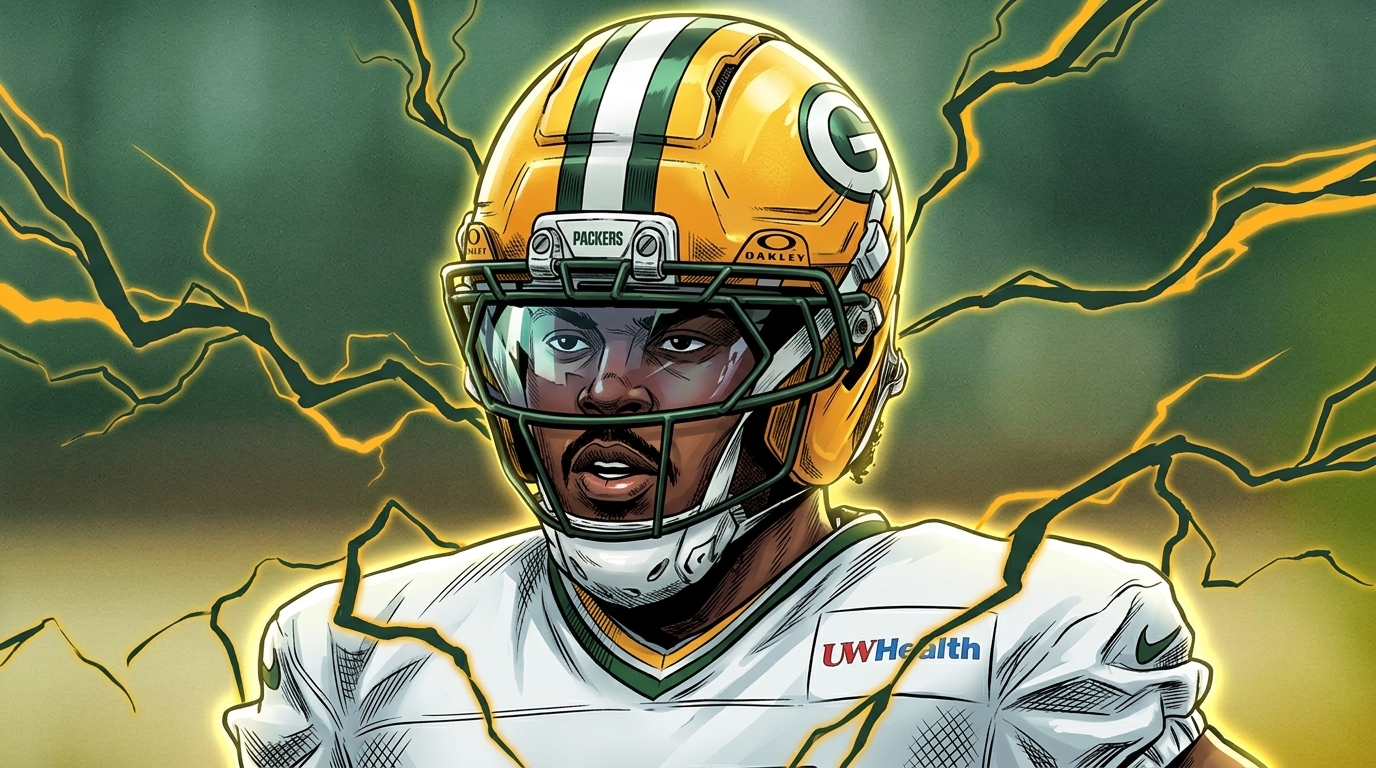

I cannot believe we are still doing this. The Houston Texans have a franchise quarterback — legitimately one of the most promising young signal-callers in the NFL — and their answer to the question of paying him is a $25.9 million fifth-year option and a polite request to please demonstrate, one more time, that he is good at football.
This offseason, Houston extended Will Anderson Jr. three years, $150 million. They extended Derek Stingley Jr. three years, $90 million. Two enormous commitments, both deserved, neither controversial. Then Nick Caserio looked at the quarterback who made both those defenders worth that money and called the fifth-year option “kind of a no-brainer.” The implication being: this is us taking care of CJ Stroud. The reality: they locked in a $25.9 million placeholder while extension talks went “essentially on pause,” per ESPN’s Jeremy Fowler on June 29.
https://x.com/JFowlerESPN/status/2071714422481944901
Fowler’s warning was direct: if the Texans want to keep Stroud long-term, they need to make real progress this summer, because people around the league believe he will play out his fourth year and chase his market value elsewhere. The Texans’ response to that warning, as far as anyone can tell, has been silence.
Here is what CJ Stroud delivered on his rookie contract: an AFC South division title, a playoff win his first season in the league, a 100.8 passer rating in 2023, and the credibility to make Houston relevant for the first time since the Texans franchise had a quarterback worth discussing. He dragged that organization out of the J.J. Watt nostalgia era and into a legitimate contender window. The reward for all of it is a one-year audition.
The Texans’ case isn’t invisible. Stroud played fourteen games last season, went 9-5, and posted an 87.0 passer rating — a real drop from his rookie numbers. The playoffs were worse: seven total turnovers across two games, including four interceptions in a second-round loss. If you are Nick Caserio, you point to that sample and say the regression is real and the investment requires more certainty. That is not an insane position.
But it is also exactly what the system is designed to produce. The NFL’s rookie contract structure means teams get four years of a player’s prime output at below-market wages, with a fifth-year option as a grace period to delay the reckoning further. Every time a quarterback outperforms that deal, franchises invent a new evidentiary standard. One bad playoff month after one excellent regular season is now sufficient cause to make him earn it again. It’s due diligence as a weapon. Stroud, to his credit, is playing it calm: “I let my agent handle it. I think I’ve held my bargain up on that end, so whatever happens, happens.” That’s discipline. It’s also exactly the posture that costs players money.
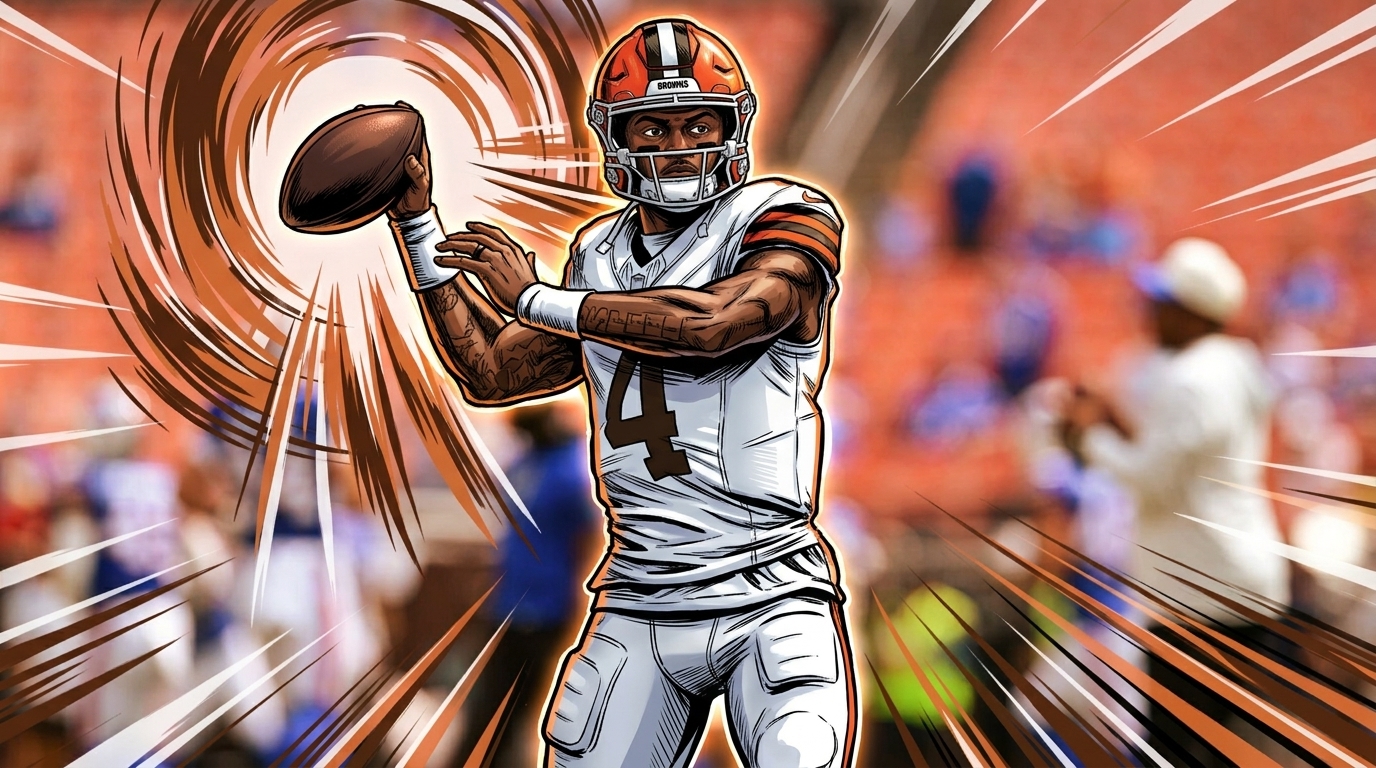
Compare this to the Browns’ QB carousel — a franchise that handed $230 million guaranteed to a quarterback who hadn’t played in two years — and the logic of the league becomes clear. The money flows to leverage, not production. Matthew Stafford’s deal got done because the Rams decided he was worth the commitment. The Texans are deciding the same thing should cost Stroud another year of proof.
Lamar Jackson refused to sign a franchise tag and eventually got his $260 million fully guaranteed. Stroud said “whatever happens, happens.” Different posture, less leverage, and a league that has learned exactly how to exploit both.
The Texans will keep calling this patience. It’s wage suppression, and the patience is bullshit.