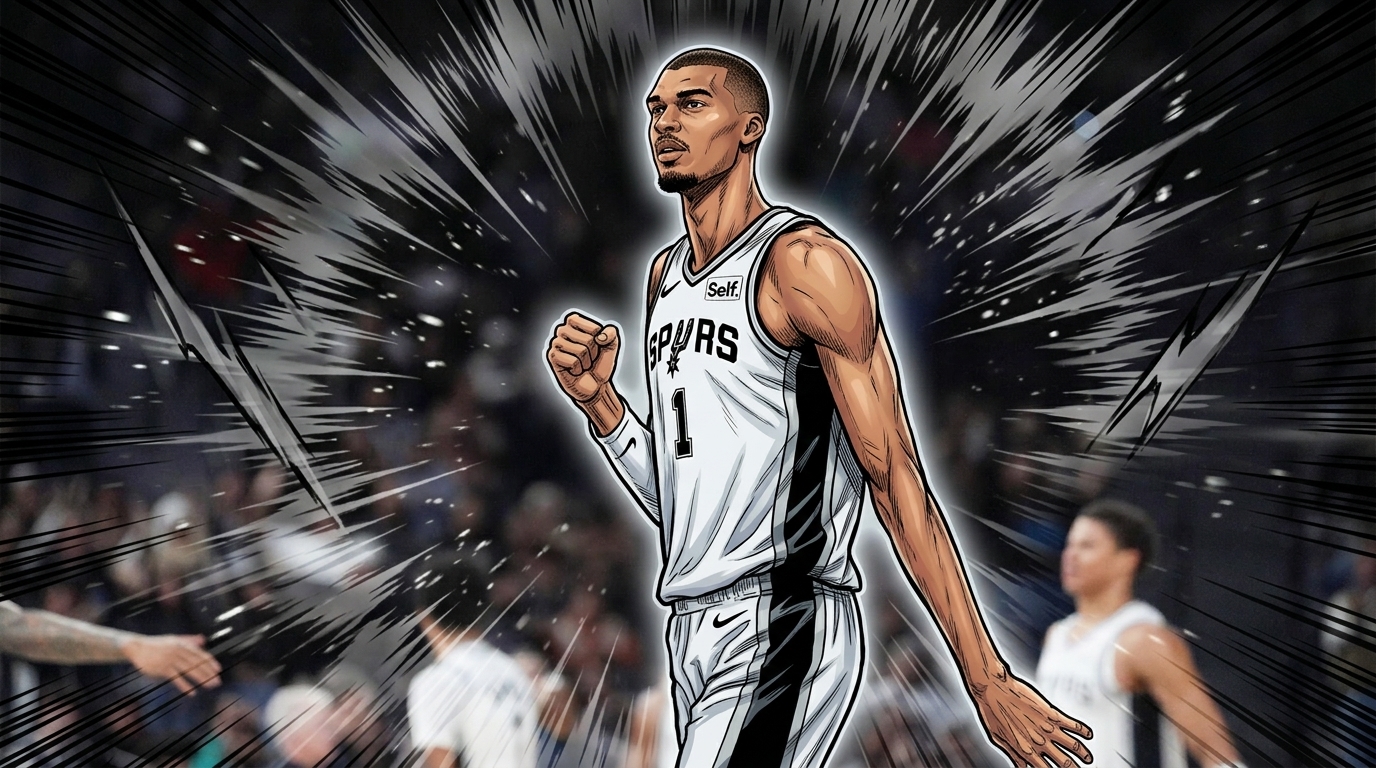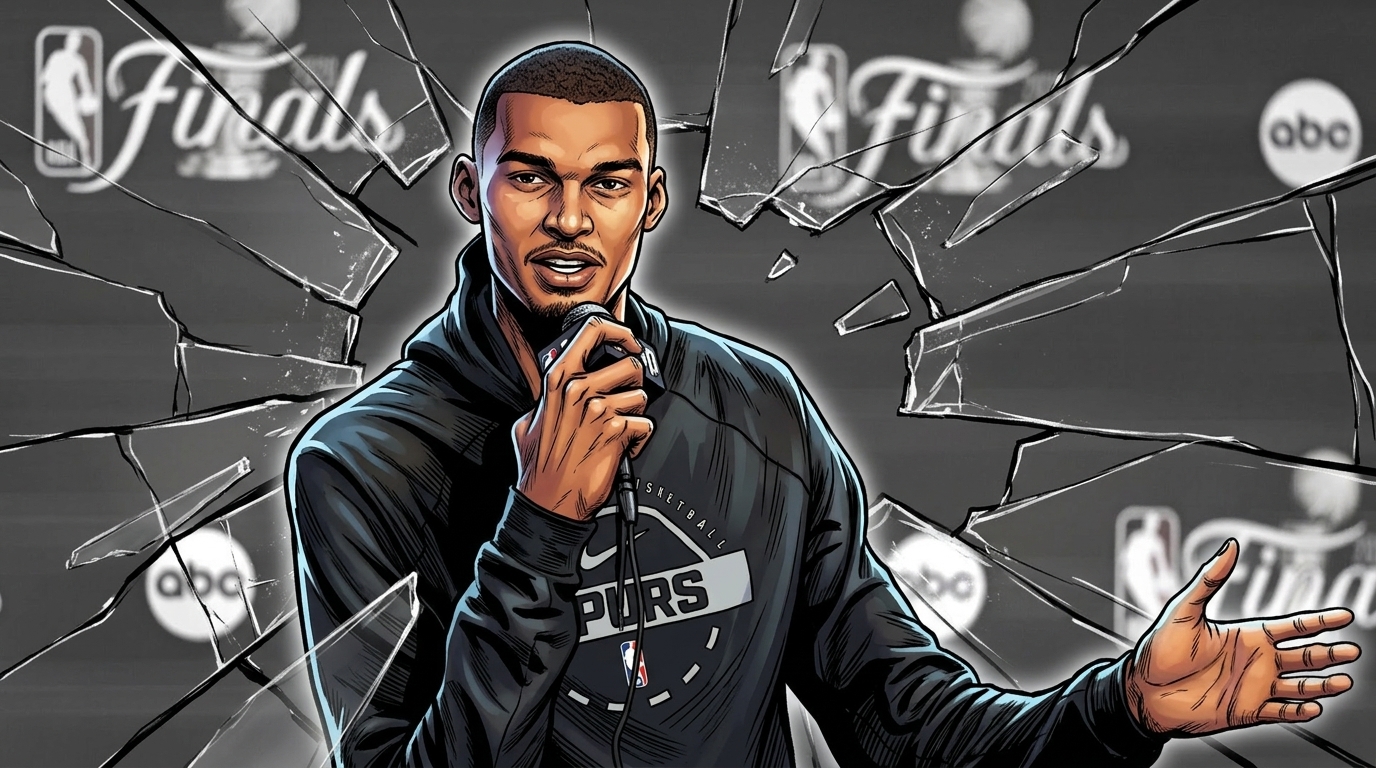

The NBA watched Victor Wembanyama grab Jalen Brunson by the back of the neck, shove him out of a screen set at the free-throw line with four minutes left in the first quarter of Game 3, reviewed the play after the fact, and announced that nothing would be upgraded. The San Antonio Spurs won 115-111. The series continues. Everyone keep moving.
Monty McCutchen, the league’s SVP of Referee Development, went on ESPN’s NBA Today on Tuesday to say the quiet part plainly: “I think we can all agree that a foul was missed on that play. We did a poor job of that here.” He said it cleanly, with appropriate gravity, without visible discomfort. And the league simultaneously announced, via a spokesperson to ESPN’s Shams Charania, that there would be no flagrant foul upgrade on the play.
https://x.com/ShamsCharania/status/2064519757701718446
The McCutchen appearance was not an accountability moment. It was a performance of accountability, which is a different thing entirely. Validate in public, change nothing in private — that’s the NBA’s accountability mechanism working exactly as designed.
The flagrant math here is not incidental. Victor Wembanyama entered Tuesday sitting at two flagrant foul points in the 2026 postseason, courtesy of an assessed Flagrant-2 for elbowing Naz Reid in the jaw during Round 2 against Minnesota. A Flagrant-1 upgrade on the Brunson shove would have pushed him to three points. Four flagrant points triggers an automatic one-game suspension. The league upgraded nothing, and Wembanyama stays at two. The math was not lost on anyone in the building.
Draymond Green was suspended during the 2016 NBA Finals for accumulating flagrant points after a foul that was, at the time, also contested. The standard is not consistently applied, and the officiating conversation in this series has been going on since Game 1. This is not the first time this Finals has raised accountability questions. But the league has found a more elegant solution than inconsistency: the public acknowledgment followed by the private shrug. It has the optics of transparency. It produces the outcomes of protection.
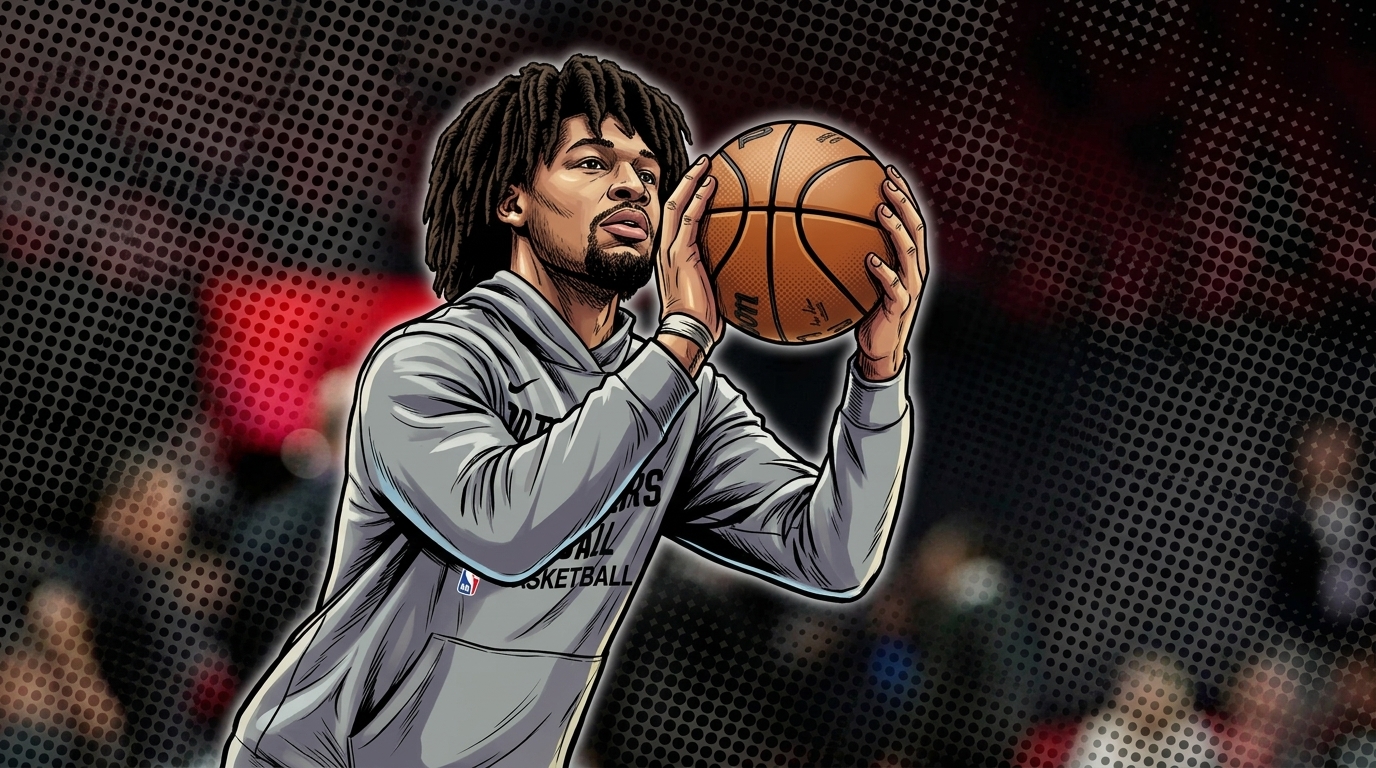
Jalen Brunson’s press conference answer landed better than anything the league said. “Whatever you saw is what you saw.” That is not deflection. That is a man who understands the process he’s inside, who knows the review happened, who watched the result come back as nothing, and who is not wasting his breath demanding explanations that won’t change the standing order. Brunson has been in this league long enough to know what the acknowledgment means: the conversation is over.
I watched the clip probably a dozen times, from every angle the broadcast had. Wembanyama’s left arm extends deliberately, finds the back of Brunson’s neck, and drives him clear of the screen. The movement is not incidental contact. It is not the result of two bodies colliding in congested space. It is a shove with a purpose, in the same Game 3 where he scored 32, and it happened in a game the New York Knicks lost by four points. The league reviewed it and found a way to call it nothing.
The Spurs trail 2-1 in this series. The NBA’s biggest emerging star is playing in the Finals. The league had a retroactive mechanism specifically designed to correct missed calls, ran it on this exact play, acknowledged the miss publicly, and still chose no consequences. That is not a system failing. That is a system performing exactly as its designers intended, with the validation of the complaint serving as the substitute for the consequence itself.
The NBA admitted the foul. That was never the hard part.