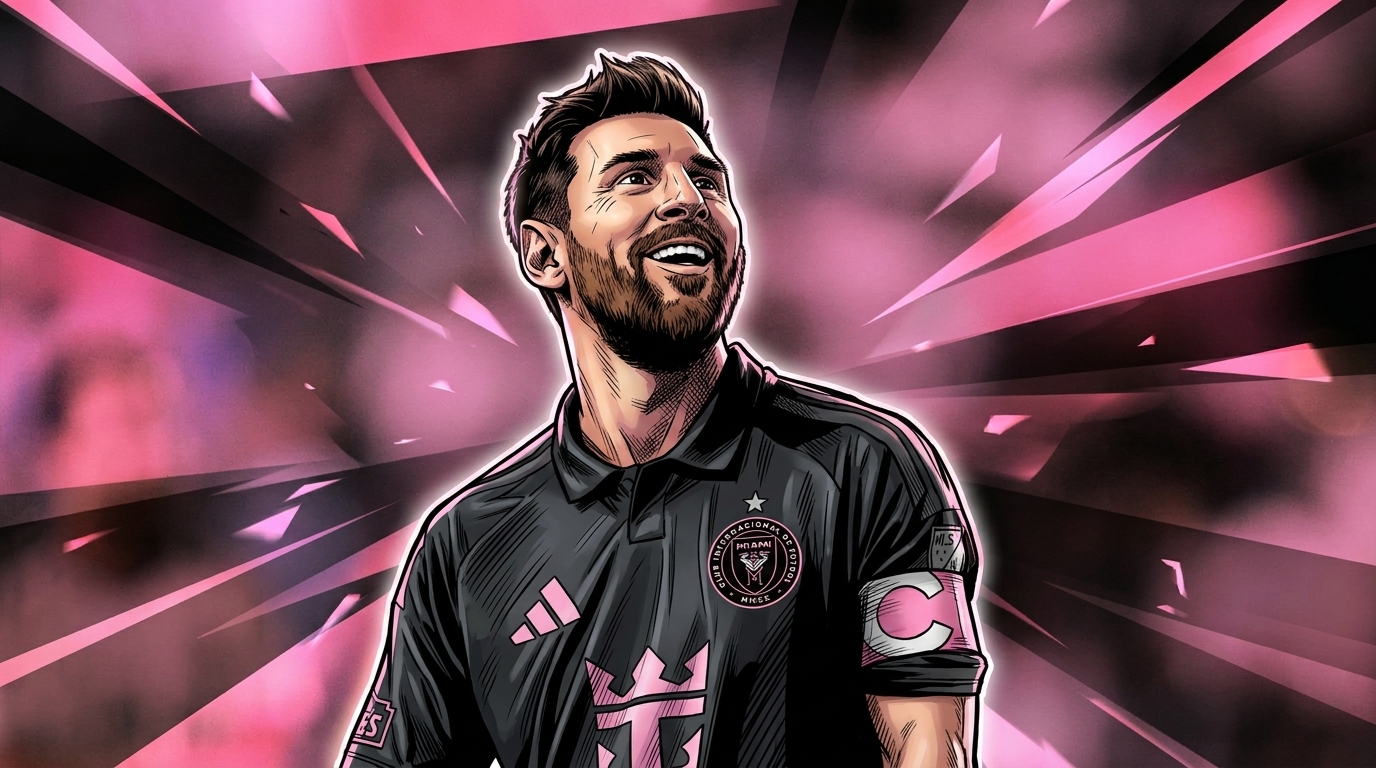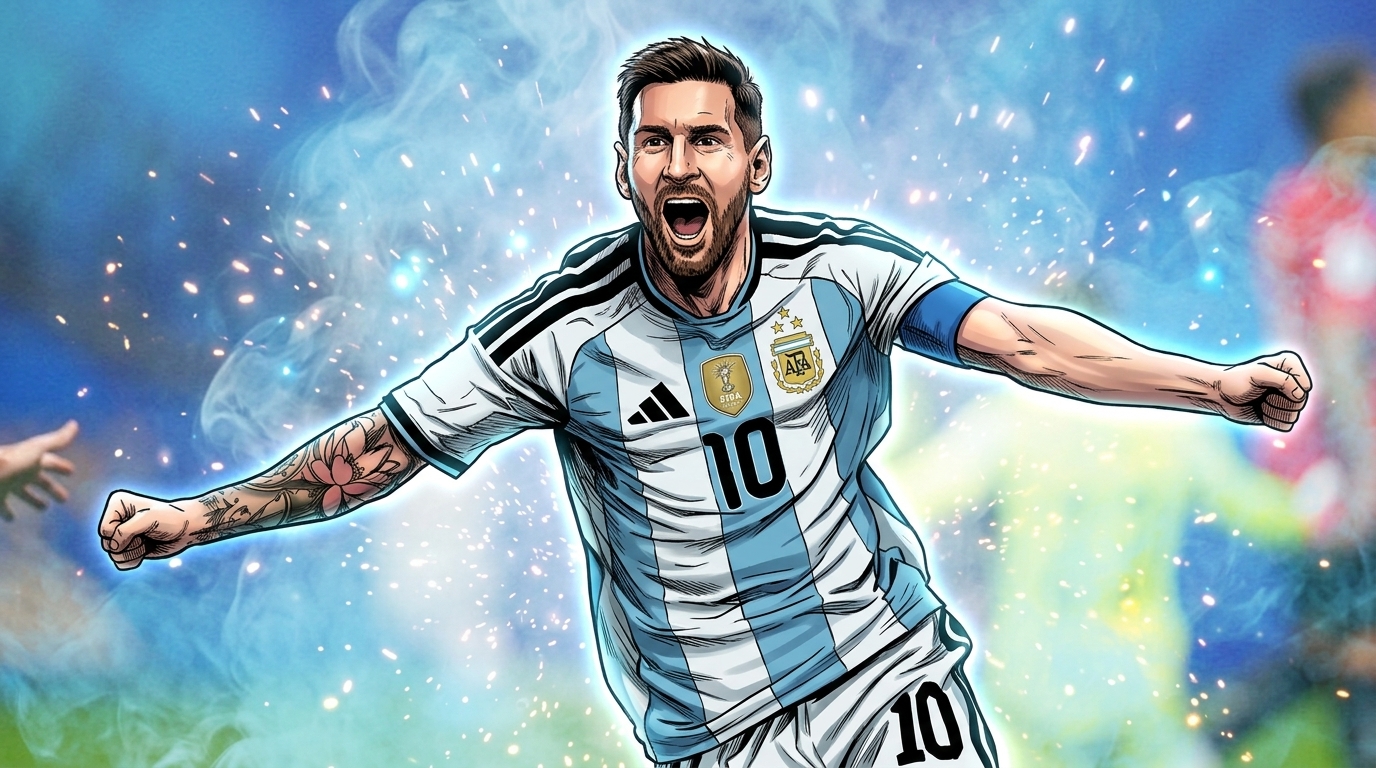

Everyone has been watching the goals column. That’s the wrong scoreboard.
Lionel Messi and Kylian Mbappé both sit on 8 World Cup goals. Equal. Tied. The headlines treat this as a dead heat. But Mbappé holds the Golden Boot lead right now — and the reason has nothing to do with goals. It comes down to a single assists tiebreaker, where Mbappé leads 3 to 2. That one number is the entire race. Every conversation about who’s “ahead” that ignores it is describing a different competition than the one FIFA is actually running.
What Does the Scoreboard Actually Say?
The official tiebreaker sequence is: goals first, then assists, then minutes played (fewer minutes = ranked higher). Messi and Mbappé are locked on goals. Mbappé has three assists to Messi’s two. That’s it. That’s the margin. One assist separates the greatest player alive from the lead in the most watched individual award in international soccer.
The data here is unambiguous on another point too: this tournament has been historically loaded at the top. In 2006, 5 goals won the Golden Boot. Same in 2010. The 2014 and 2018 winners each hit 6. In 2022, the winner needed 8. And in 2026, three players surpassed 7 goals before the quarterfinals ended — that has never happened before in World Cup history. The award is being contested at a level the trophy has never seen.
https://x.com/FootRankings/status/2075602696003039398
For Argentina, the pace Messi has set is staggering regardless of the tiebreaker. Eight goals across five appearances works out to 1.6 per game. I’ve run the per-game rates across every active semifinalist and eliminated contender. Nobody playing right now tops it.
Why Didn’t Messi Score Against Switzerland — and Does It Matter?
The quarterfinal against Switzerland was the first game in ten matches where Messi didn’t find the net. Argentina won 3-1 after extra time, and Messi’s contribution was the corner kick that led directly to Alexis Mac Allister’s header in the 10th minute. He was involved in the goal without scoring it. That’s the exact indirect output that doesn’t register on the Golden Boot sheet but absolutely registers on the result.
Does the blank matter for the race? Mathematically, yes: a goal there would have put Messi at 9 and changed the calculus entirely. Narratively, a 3-1 win in a quarterfinal is not a performance anyone is questioning. Messi has also reached 20-plus World Cup career goals, extending his own all-time record. The Switzerland game was an anomaly in a tournament where he has otherwise been relentless.
The more interesting question is whether the blank signals fatigue going into the semifinal against England. I don’t think the one scoreless game answers that. What it does do is mean Messi needs to outscore Mbappé by at least two goals across the remaining matches (or match him and hope the assists column closes) to win outright. That’s a meaningful constraint.
The Haaland Benchmark: What 1.4 Goals Per Game Means
Erling Haaland finished with 7 goals across five appearances, a rate of 1.4 per game. Norway lost to England 2-1 in the quarterfinals. Haaland didn’t score; Norway’s goal came from Schjelderup. Norway is out. His 1.4-per-game rate is the best by any player who has been eliminated, and it’s a genuinely remarkable number for a tournament that has otherwise churned through defenses. But Messi’s 1.6 is better. This is worth being precise about, because several outlets have described Haaland as having “the tournament’s best rate” after his exit. That framing dropped Messi from the calculation while he’s still active.
What Haaland’s 7 goals actually tell us is the floor. The minimum that seemed plausible for a Golden Boot contender entering the knockout rounds was somewhere around 6 to 7. Three players are at or above that floor and still playing. The competition has been compressed into a genuinely unprecedented upper bracket.
England’s Dark Horses: Kane and Bellingham at Six
Harry Kane has 6 goals. Jude Bellingham has 6 goals. England faces Argentina in the semifinal.
That single sentence should recalibrate how you’re thinking about the Golden Boot. If Kane or Bellingham scores two or three times against Argentina, and England has the attacking quality to make that plausible, they enter the final within striking distance of whoever leads. A player at 8 or 9 goals through the semis is not insurmountable if a Kane peaks in a final.
The counterargument is that Kane and Bellingham would each need to outscore Messi in the same game where Argentina is trying to keep the total low. The France semifinal bracket means Mbappé also still has games to score in. The assist tiebreaker insulates him somewhat, but a Messi brace against England followed by a Mbappé shutout flips the whole table. The number of simultaneous variables here is genuinely unusual for a Golden Boot race that typically resolves itself well before the semifinals.
My read: Mbappé’s assist lead is real but fragile. One Messi goal without a corresponding Mbappé assist and the gap narrows to nothing. Two goals and Messi leads outright. The scenario where Messi exits this tournament without the Golden Boot despite finishing tied for the lead exists, and it comes down entirely to that one assist column difference. The scoreboard everyone is watching isn’t the one that decides this. The one that does has exactly three digits in it: 3 and 2.
That’s what the data actually says going into the semis. Mbappé leads. By one assist. And Messi plays England next.