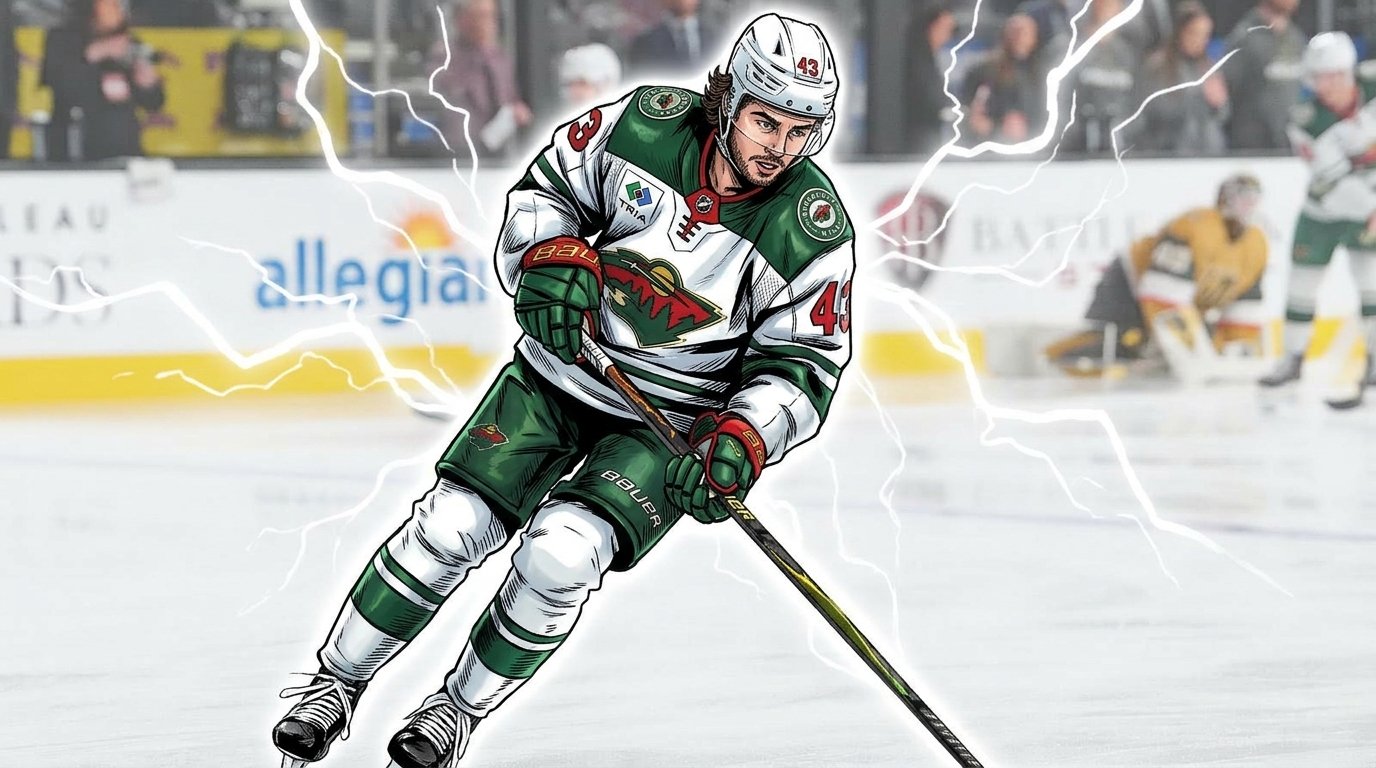

The Toronto Maple Leafs have assembled their best roster since 1967, and I mean that as a threat.
That’s not a hot take designed to get you clicking. It’s a cold reading of the evidence, delivered with the exhausted neutrality of a man who has watched this franchise turn every promising development into a referendum on suffering. They signed Sergei Bobrovsky to a three-year, $21 million deal on July 1st. Three weeks earlier, they drafted Gavin McKenna first overall in the 2026 NHL Draft, with Justin Bieber doing the announcement because of course he did. On paper, the Toronto Maple Leafs are a Stanley Cup contender. In Toronto, that sentence has historically functioned as the opening act of a tragedy.
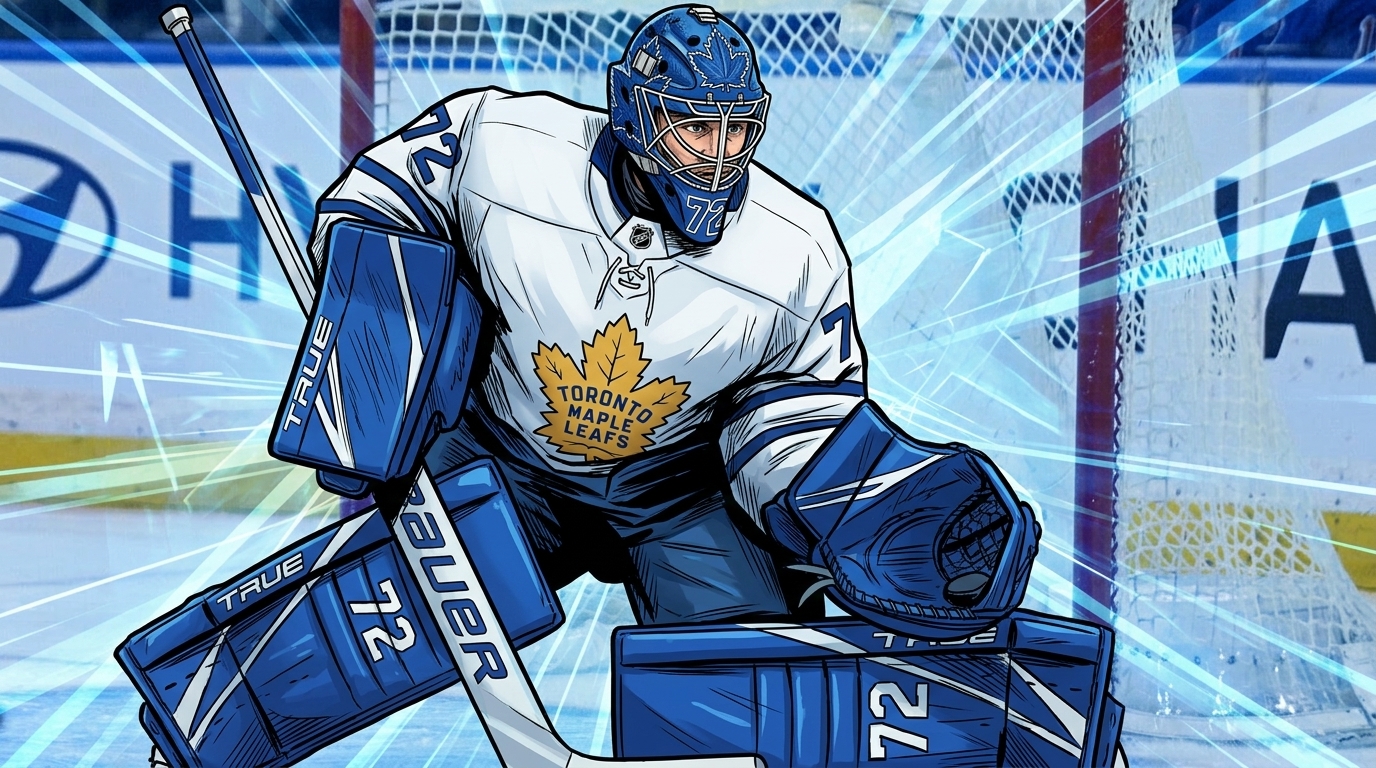
Let’s start with Bobrovsky, because the Bobrovsky signing is genuinely fascinating if you’re willing to hold two thoughts at once. The man posted a .877 save percentage last regular season (26th among qualified starters, a number that would have gotten him benched on twelve other teams). He was 37 years old when they signed him. He’ll be 38 when the season starts. His record last year was 27-23-1. By every conventional metric, this is the kind of signing that gets a GM fired in four other cities.
And then you look at what he actually does in the playoffs.
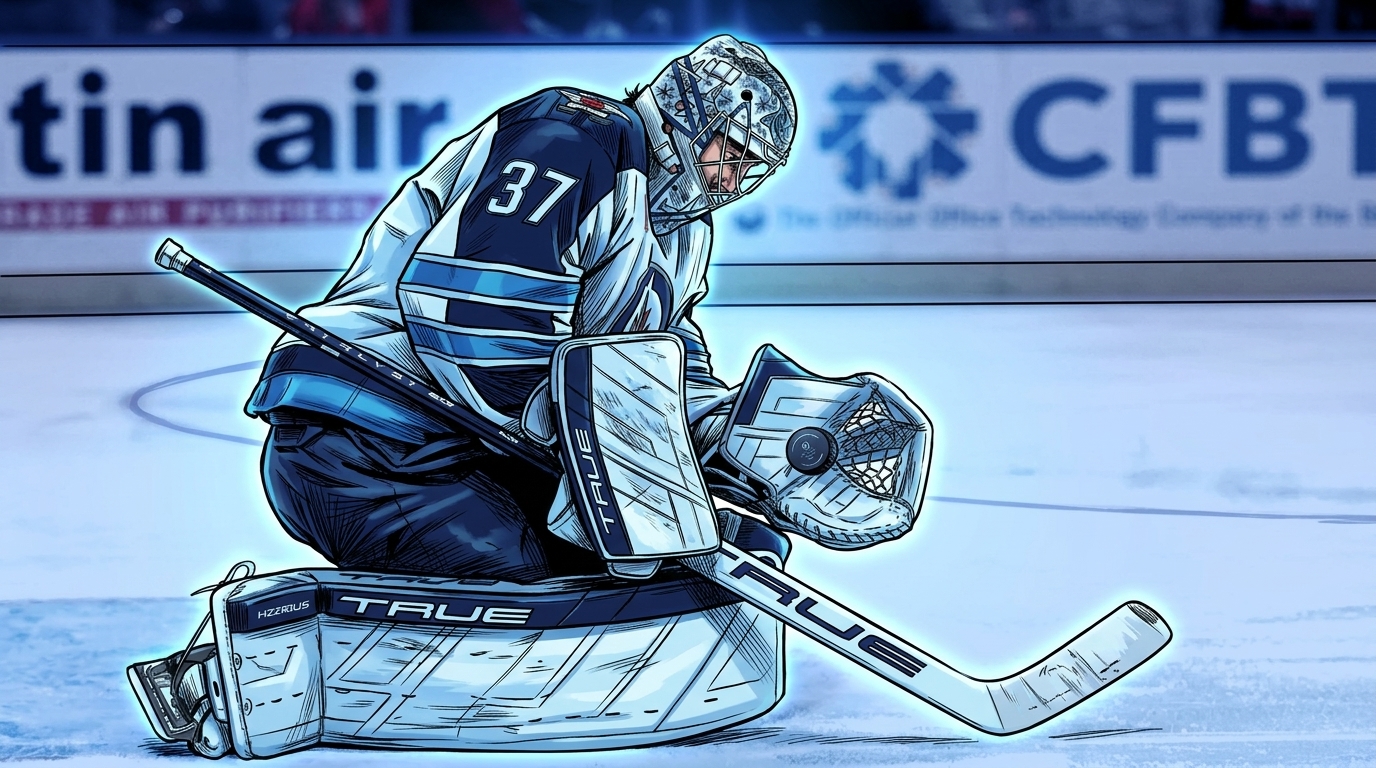
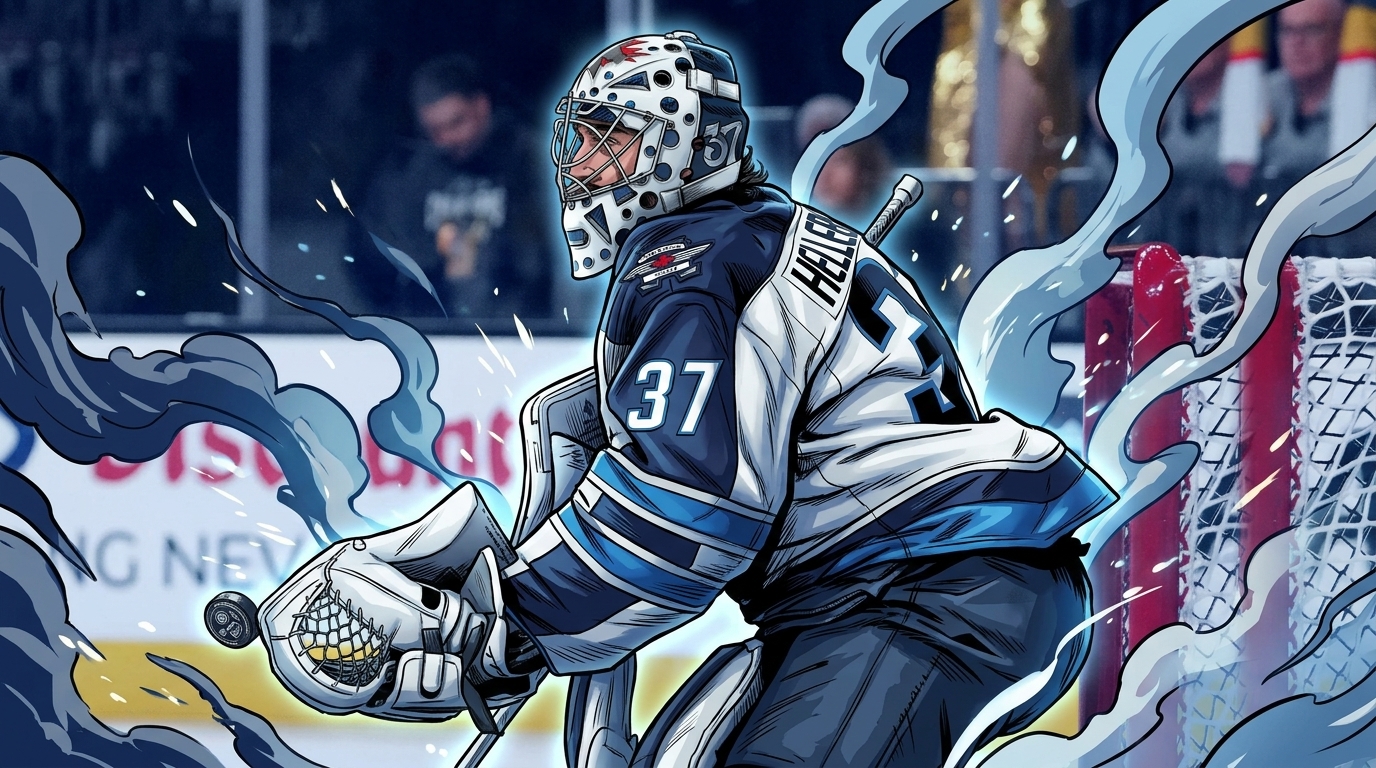
Sixty-five consecutive postseason starts. Forty-four wins. A 2.41 goals-against average and a .912 save percentage across that stretch, with six shutouts. Back-to-back Stanley Cup championships with Florida in 2024 and 2025, both over Edmonton, which means Bobrovsky has won two Cups in the last two years while playing regular seasons that looked like a slow-motion retirement tour. Anthony Stolarz, who shared the 2024 Cup with Bobrovsky in Florida before signing with Toronto, led the entire NHL in save percentage last year at .926. They are now reunited. The Leafs, who have not had a credible goaltending answer in roughly a decade, now have two of them.
GM John Chayka put it plainly:
“If we’re going into a Game 7… is there another goalie in the world that we’d want in net for us? And the answer would be no. We would prefer to have Sergei Bobrovsky.”
The problem, as every Maple Leafs fan will tell you through clenched teeth, is that they don’t get to Game 7s. That’s the whole thing. The Leafs’ failure mode isn’t collapsing in a deciding game — it’s the slow-motion self-immolation that happens earlier, the kind that makes Game 7 feel like a fantasy. Chayka is solving for the right scenario. He just needs his team to reach it.
https://x.com/NHL/status/2070647895754207490
Then there’s McKenna, and this part actually deserves to be treated with something other than knowing dread. Gavin McKenna is from Whitehorse, Yukon, and is a member of the Tr’ondëk Hwëch’in First Nation. He is the second Indigenous player ever drafted first overall in NHL history — the first was Dale McCourt, by Detroit, in 1977. When his name was called in Buffalo, the community of Whitehorse threw a watch party for more than fifty people. Auston Matthews had already made a point of connecting with him before draft night. McKenna put up 51 points in roughly 34 games at Penn State this past season, a 1.50 points-per-game pace that made him the Big Ten’s Freshman of the Year and a Hobey Baker top-10 finalist. He won CHL Player of the Year, becoming the third-youngest player ever to do so, behind Sidney Crosby and John Tavares.
That is a real player. Those are real numbers, the kind that made scouts reach for historical comparisons without blushing. The story of where he came from and what this draft selection means to his community is the kind of thing that should be honored plainly, without irony. Not everything in Toronto is a setup for a punchline. McKenna earned this.
The irony operates at the franchise level, not the player level. The Maple Leafs have spent 59 years collecting talented rosters and watching them fall short, and now they have what looks on paper like their most complete team since the original-six era. A proven playoff goalie. A prodigy in McKenna. An Auston Matthews-led core that pushed the Bobrovsky signing over the top. This offseason, unlike the ones where we’ve watched a player like Ovechkin quietly restructure while LeBron-level circus energy surrounded his contemporaries — and you can read about exactly that dynamic here — the Leafs actually made the aggressive move.
Which is exactly when you should be most afraid if you root for them.
The 1967 Maple Leafs, the last team to win the Cup, were the oldest Cup champion in NHL history, average age 31. They scraped by on goaltending and grit in an era before expansion diluted the league. The 2026 Maple Leafs are building around a 37-year-old goalie who has been mediocre for six months of every recent year, and a teenage prospect who won’t carry this team for at least two seasons. The opportunity sits exactly between those two things: wide open and terrifyingly fragile.
Bobrovsky said joining Toronto is “a blessing” and called the city “the capital of hockey.” He is right about the second part. It is the capital of hockey in the same way that Athens is the capital of democracy: historically significant, currently complicated, and not entirely living up to the legacy.
The Maple Leafs might win the Stanley Cup this year. I genuinely believe that. I also genuinely believe that if they don’t, this offseason will feel like someone finally handed you the keys to the house and then the foundation cracked. In Toronto, having the best roster is not the end of the story. In Toronto, it’s where the story gets dangerous.