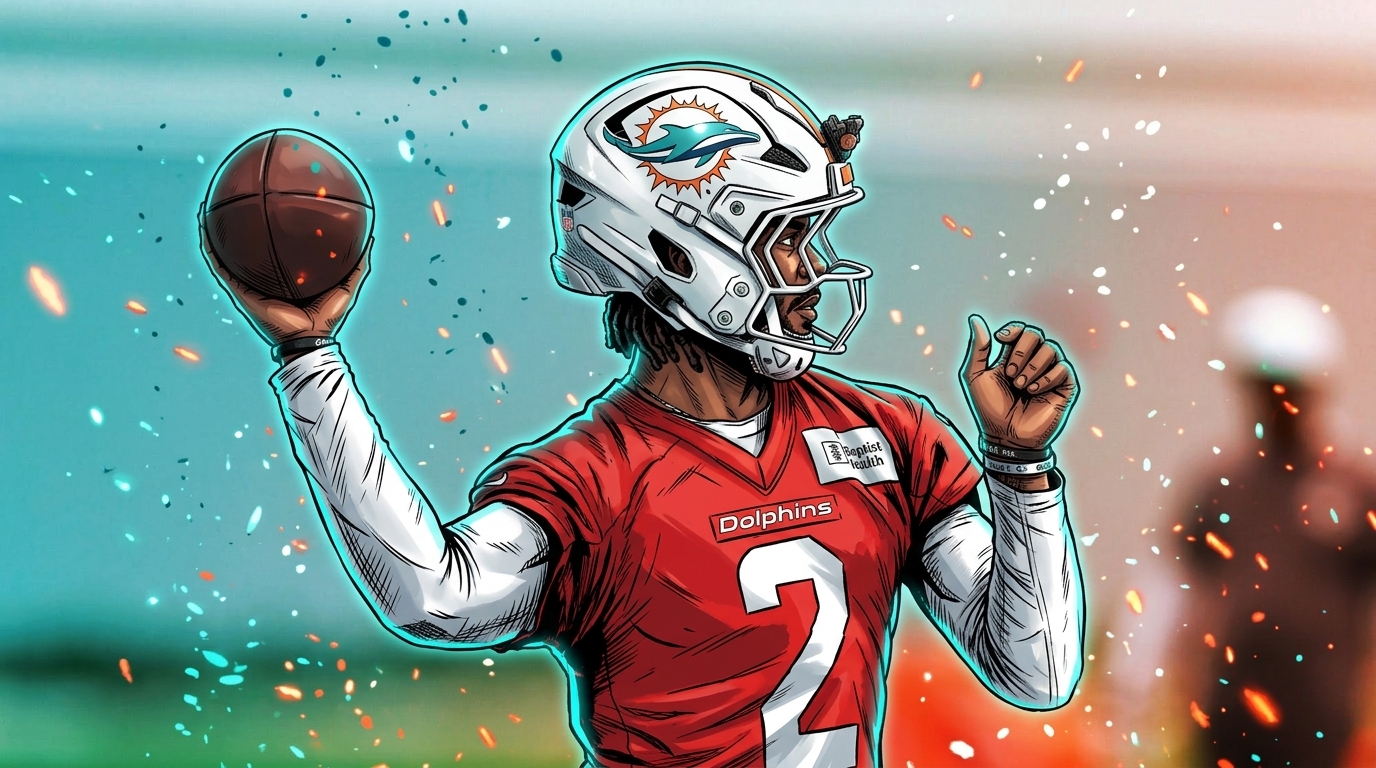

Malik Willis has started six NFL games in four years. The Miami Dolphins just handed him $45 million in fully guaranteed money. I studied political economy in college, which means I have spent an embarrassing amount of my adult life reading contracts and thinking about what institutions actually purchase when they spend money. I have read this one. I need to sit down.
The structure, per Tom Pelissero: three years, $67.5 million total, $22.25 million signing bonus, $1.25 million guaranteed in 2026, $21.5 million guaranteed in 2027. Forty-five million dollars committed before Willis throws a single meaningful pass in a Dolphins uniform. For a man whose NFL career passing totals — across four seasons — come to 1,322 yards, six touchdowns, and three interceptions.
Do the math yourself.
https://twitter.com/TomPelissero/status/2031078160473694264
The cruel context making all of this worse: Miami released Tua Tagovailoa the same day, absorbing roughly $99 million in dead cap over two years. So Miami fans are simultaneously paying the ghost of one quarterback they couldn’t fix and the living version of one they cannot yet evaluate. The city is being billed twice for the same unsolved problem, and nobody sending out the invoices seems remotely embarrassed. It’s a hell of a way to run a franchise.
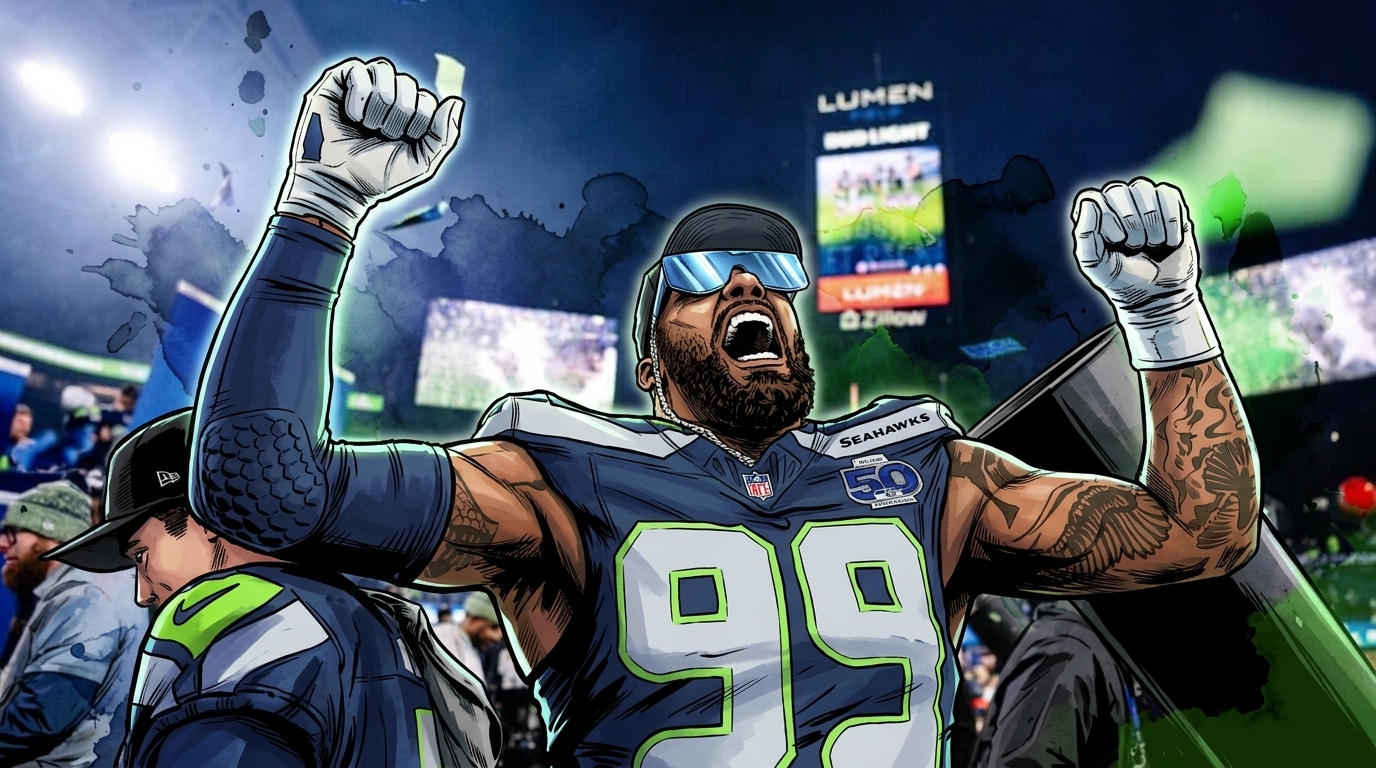
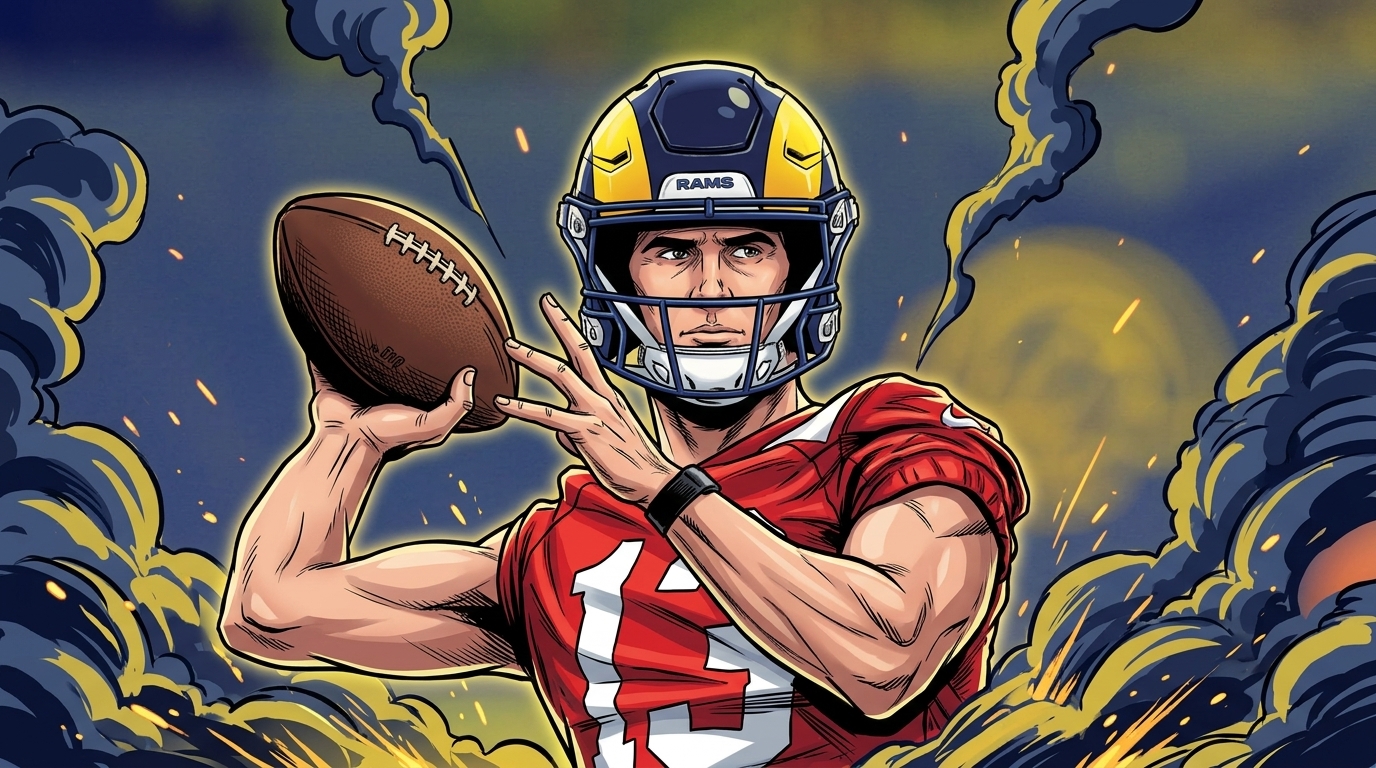
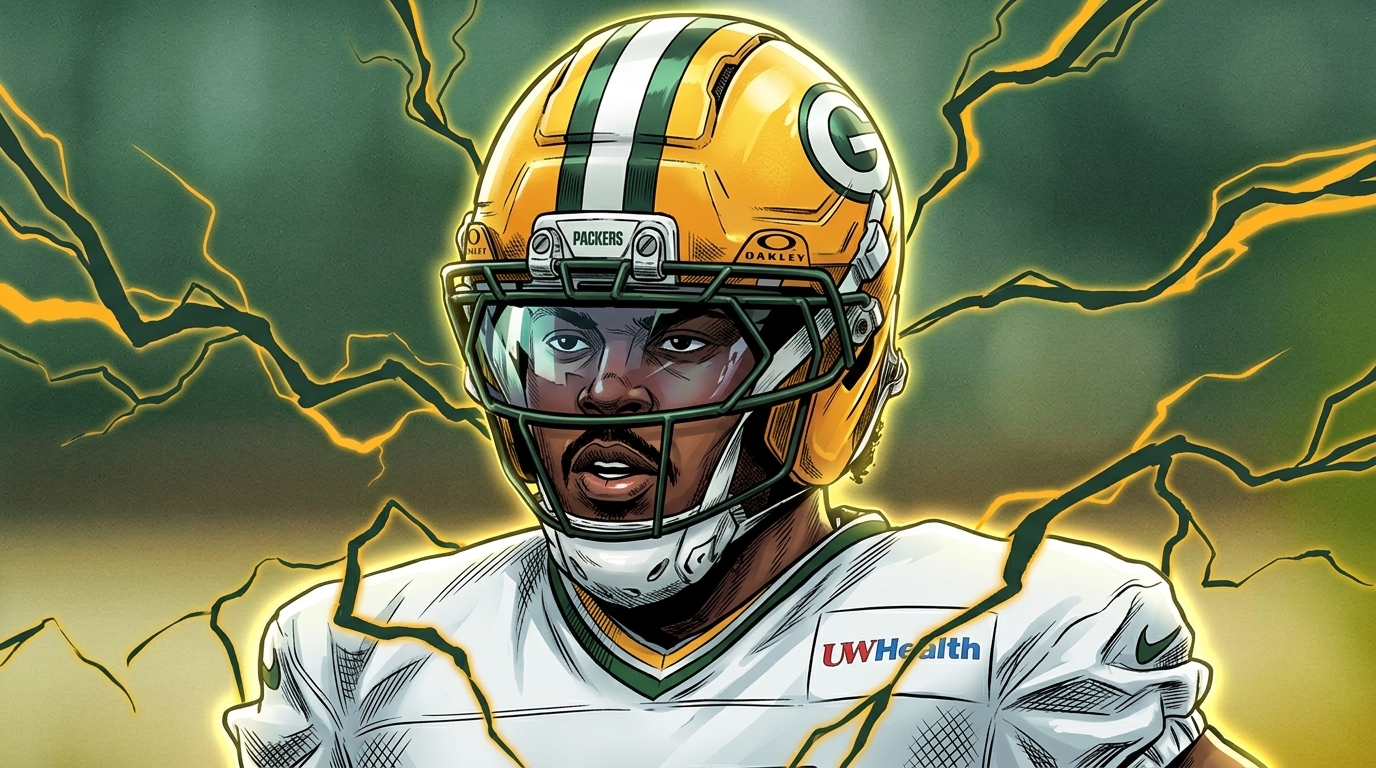
You could argue I’m being unfair. Willis isn’t the same player who posted a 49.4 passer rating with the Titans in 2022 and 2023 and looked like a man trying to throw a football while drowning. He went to Green Bay. He worked with Jeff Hafley — now his head coach in Miami, which is the whole point of this reunion — and something clicked. Last season: 30 of 35 passes, 85.7% completion rate, 422 yards, three touchdowns, one start. Across eleven games with the Packers, he ran a 134.6 passer rating and completed 78.7% of his throws. The arm talent that made him a third-round pick in 2022 was always real. OC Bobby Slowik says Willis can “spin the ball all over the field,” and that is not nothing.
None of that changes what $45 million guaranteed actually bought.
What it bought was the right to walk up to a microphone in July and say the Miami Dolphins have a quarterback. Head coach Hafley told Barry Jackson of the Miami Herald that Willis “looked as good as he’s looked since I’ve known him.” That is a sentence engineered to survive a press conference without producing a damaging headline. It cost $45 million to produce. What Hafley did not say at the microphone: Miami Herald beat writer Omar Kelly cited Willis as the player who “needs the most work” after OTAs. That detail does not travel well from the practice field to the podium.
This is what the NFL quarterback market runs on now. Not performance. Not sample size. The league committed roughly $172 million in 2026 free agency to what analysts flagged as overpay driven by urgency — teams buying the answer to a question they couldn’t otherwise answer. Daniel Jones got $88 million over two years from Indianapolis to rehabilitate an Achilles. Aaron Rodgers signed for somewhere in the $22-25 million range with Pittsburgh at age 42 because the Steelers needed something to say in April. The press conference is the product. The quarterback is the delivery mechanism.
The Dolphins’ backup, if you’re wondering, is Quinn Ewers — seventh-round pick, 2025, three career starts, “legitimate collegiate pedigree” constituting the full extent of his professional résumé. The roster behind Willis and Ewers is ranked second-worst in the NFL. Week 1 is at Las Vegas. General manager Jon-Eric Sullivan watched Willis practice in Green Bay and believed what he saw. Fine. That’s the basis of the bet. But a bet made on practice observations is a different thing than $45 million in guarantees, and the Dolphins dressed the first thing up as the second and called it a rebuild.
What happened in Atlanta should be instructive. The Falcons have been paying for two quarterbacks simultaneously and still won’t tell you which one actually starts. Tua Tagovailoa landed there after Miami cut him, which means the Dolphins are paying his dead cap while he competes somewhere else for a job. Meanwhile they’re paying Willis’s guarantees while hoping the eleven-game Green Bay sample is the real version and the Tennessee years were a bad dream. Everyone is betting on the quarterback they want him to be. CJ Stroud held up his end in Houston and it didn’t matter. The institution does not reward the player who delivers. It rewards whoever shows up at the podium with a straight face.
Willis might be good. He genuinely might. The athleticism is elite, the improvement was real, and Hafley running a scheme built around what he does well is the most favorable context you could design. If this works, I will write the correction piece and mean it.
But $45 million guaranteed was not a bet on whether Malik Willis can play quarterback in the NFL. It was the price of sounding like you know what the hell you’re doing for eight minutes in July — charged to Miami fans who are already $99 million deep on a quarterback who left town. The Dolphins didn’t buy a franchise quarterback. They bought a press conference answer. It’s the most expensive one in the NFL this summer, and the season hasn’t even started.