
Erling Haaland has already outscored Messi, Mbappé, and Ronaldo — combined — in their debut World Cups, and he is 25 years old, and this tournament is just getting started for him.
That is not a future talking point. That is the present tense. According to ESPN, Haaland’s seven goals in his first World Cup exceed what Messi (1), Mbappé (4), and Ronaldo (1) scored combined in their debut tournaments — six total. The generation that was supposed to follow Messi didn’t finish what he started. Haaland, the generation after that, just lapped them all before the semifinal.
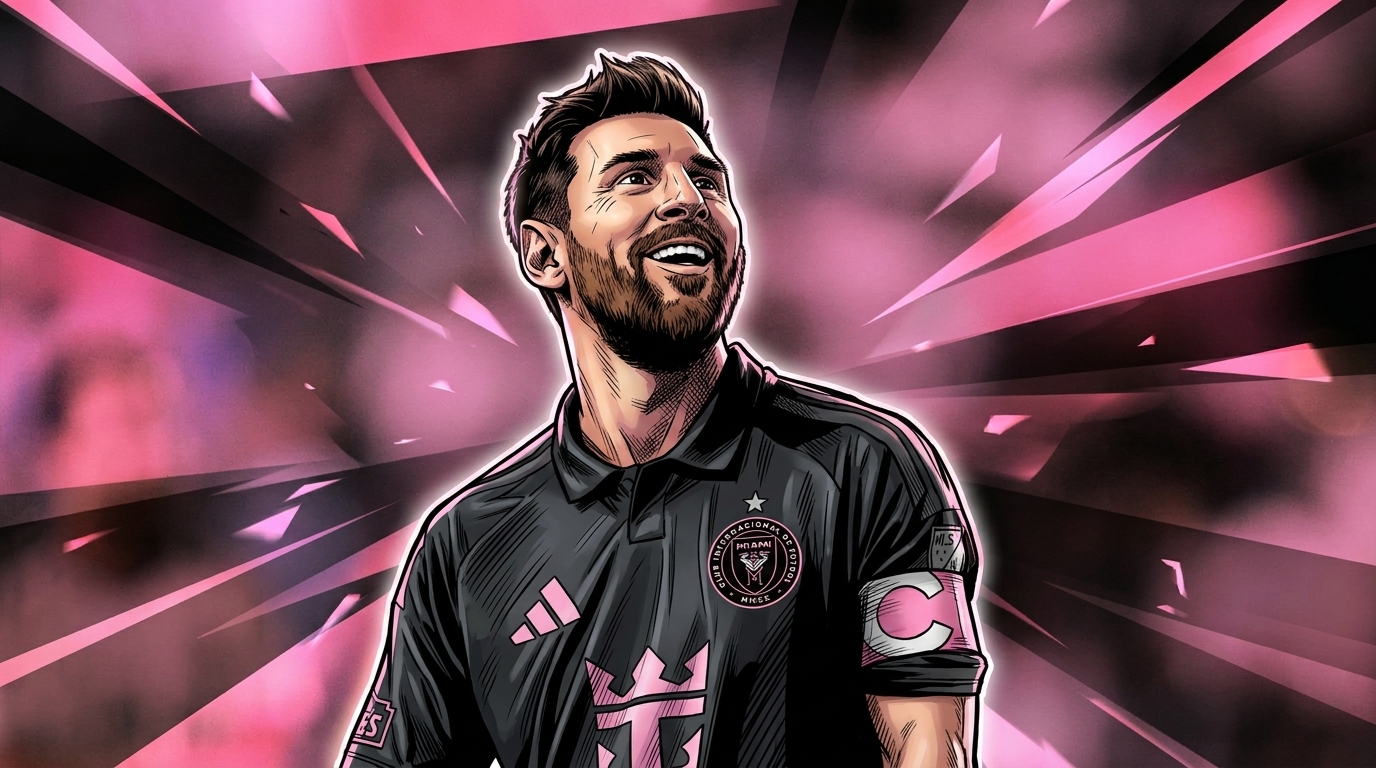
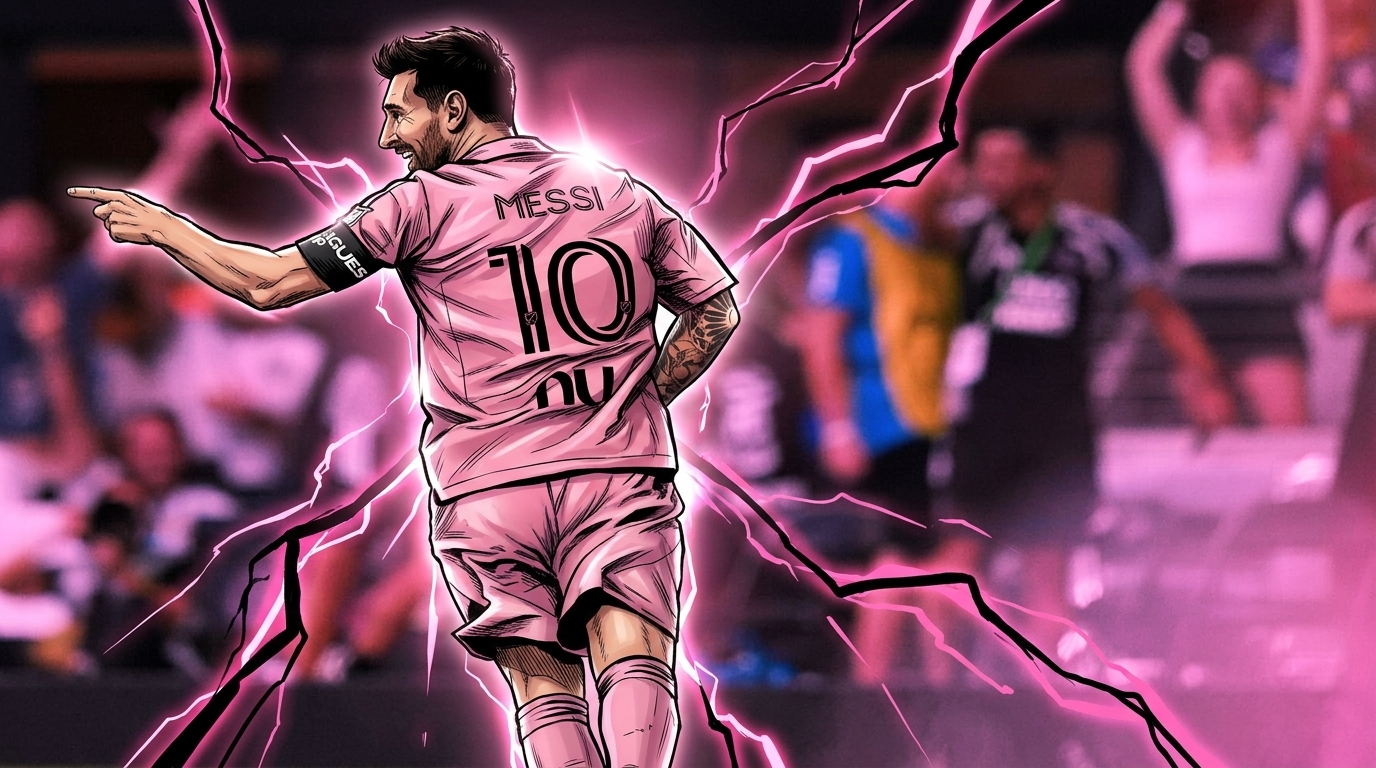
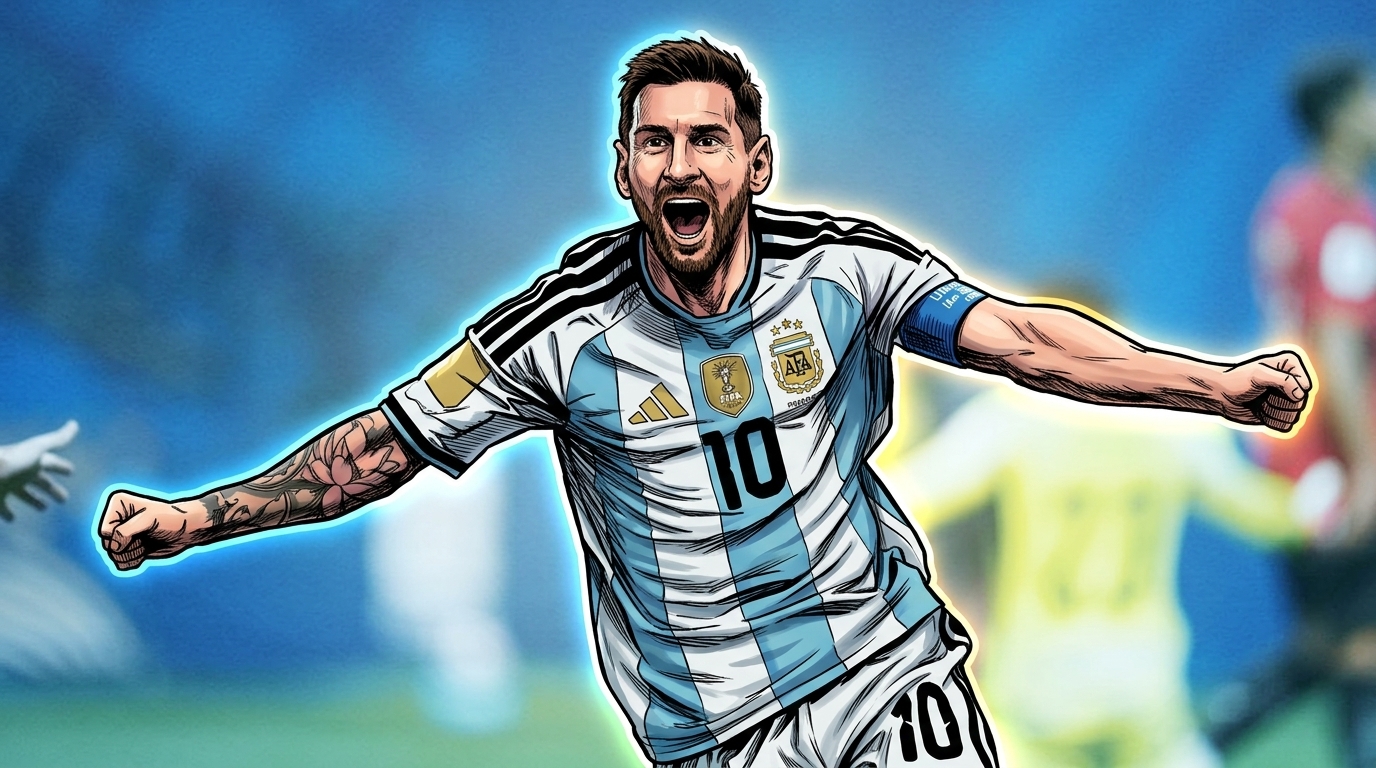
Meanwhile, Lionel Messi is 39, leads the Golden Boot at eight goals, and is somehow the best player at this World Cup that he already won four years ago. That sentence should not be physically possible. It is anyway.
If Norway beats England on July 11 and Argentina beats Switzerland on July 11 — and if you want to watch any soccer this summer, you need both of those results — then we get Haaland vs. Messi in a World Cup semifinal at Mercedes-Benz Stadium in Atlanta on July 15. Norway’s quarterfinal against England will be its own event. But the larger stakes are what happens after.
https://twitter.com/ErlingHaaland/status/2073905353331188004
The media has already filed its paperwork on the narrative: Messi’s last dance, the greatest of all time going out on his own terms, the sentimental farewell this sport owes its king. That framing is not wrong. It is just incomplete, and incomplete is another word for misleading. What is actually being set up in Atlanta is not a curtain call. It is a changing of the guard happening in real time, with both guards on the field simultaneously.
That almost never happens. Federer and Nadal at Wimbledon. Ali and Foreman. The moments where the throne is contested while the king is still wearing the crown. When Messi won Qatar 2022, Haaland was 22 and had not yet played at a World Cup. The plan was always that Messi exits, then the next era begins. The 2026 World Cup is not cooperating with that plan.
I run most mornings along the lakefront here in Chicago, and I have spent the last week trying to work out a version of this story where Messi is purely the protagonist and Haaland is the background scenery. I cannot get there. Eight goals at 39 is astonishing and demands to be honored. But astonishing final chapters still end. Seven goals at 25, in a first World Cup, with Norway in their first knockout rounds in 28 years — that is an opening chapter. The tragedy is that neither player will know until the final whistle at Mercedes-Benz Stadium which of them is the protagonist and which is the footnote.
The strongest version of the counterargument is this: maybe the handoff framing robs Messi of his due, forcing competition where there should only be reverence. Fair. Messi has earned the right to have this tournament described on his own terms. But the handoff framing doesn’t diminish what he’s done — it is precisely what makes this moment extraordinary. Haaland being this good, this early, on this same stage, is what makes Messi’s continued dominance at 39 genuinely shocking rather than merely admirable. They need each other for the story to work.
For full World Cup coverage, both angles exist. The retrospective is valid. So is the prospective.
Only one of them is the story that lasts fifty years.
The baton doesn’t get handed. It gets taken.