
The Cleveland Browns spent this offseason selling the pass rush and buying the secondary, and only one of those transactions gets mistaken for a rebuild by people who haven’t been paying attention.
Start with the selling. On June 1, Cleveland sent Myles Garrett — a two-time Defensive Player of the Year and owner of the NFL’s single-season sack record — to the Rams for Jared Verse, a 2027 first-round pick, a 2028 second, and a 2029 third. He was the first reigning DPOY dealt the following offseason since 1997, which is the kind of historical footnote that only attaches itself to moves nobody expected. The Garrett trade itself read, at the time, like the opening chapter of an actual teardown: cash off the books, draft picks in the bank, a defense built around its best player suddenly built around a rookie-year addition instead. By ESPN’s reporting, the trade also cleared roughly $30 million in cash for Cleveland. What a franchise does with that number in the following weeks tells you more about its intentions than the trade itself ever could.
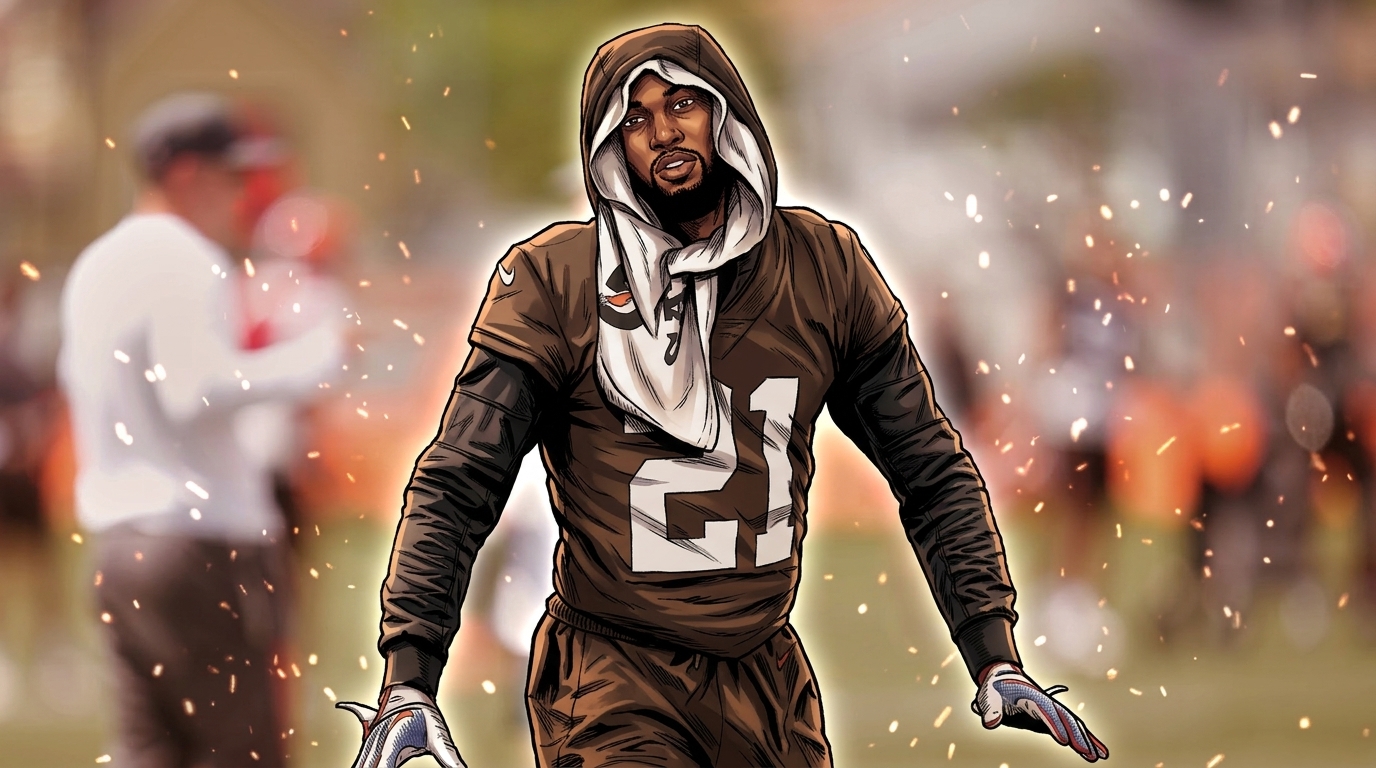
Cleveland took about eight weeks to answer. On July 28, Denzel Ward agreed to a two-year extension worth $62.2 million, with $52.3 million guaranteed, making him the highest-paid defensive back in NFL history, for the second time in his career, having first hit that mark on his 2022 deal. Ward was 29, with two years left on that contract and none of it guaranteed anymore; his agent, Tory Dandy of Athletes First, got a fresh number instead. Denzel Ward gets paid twice, and it still doesn’t look like a rebuild.
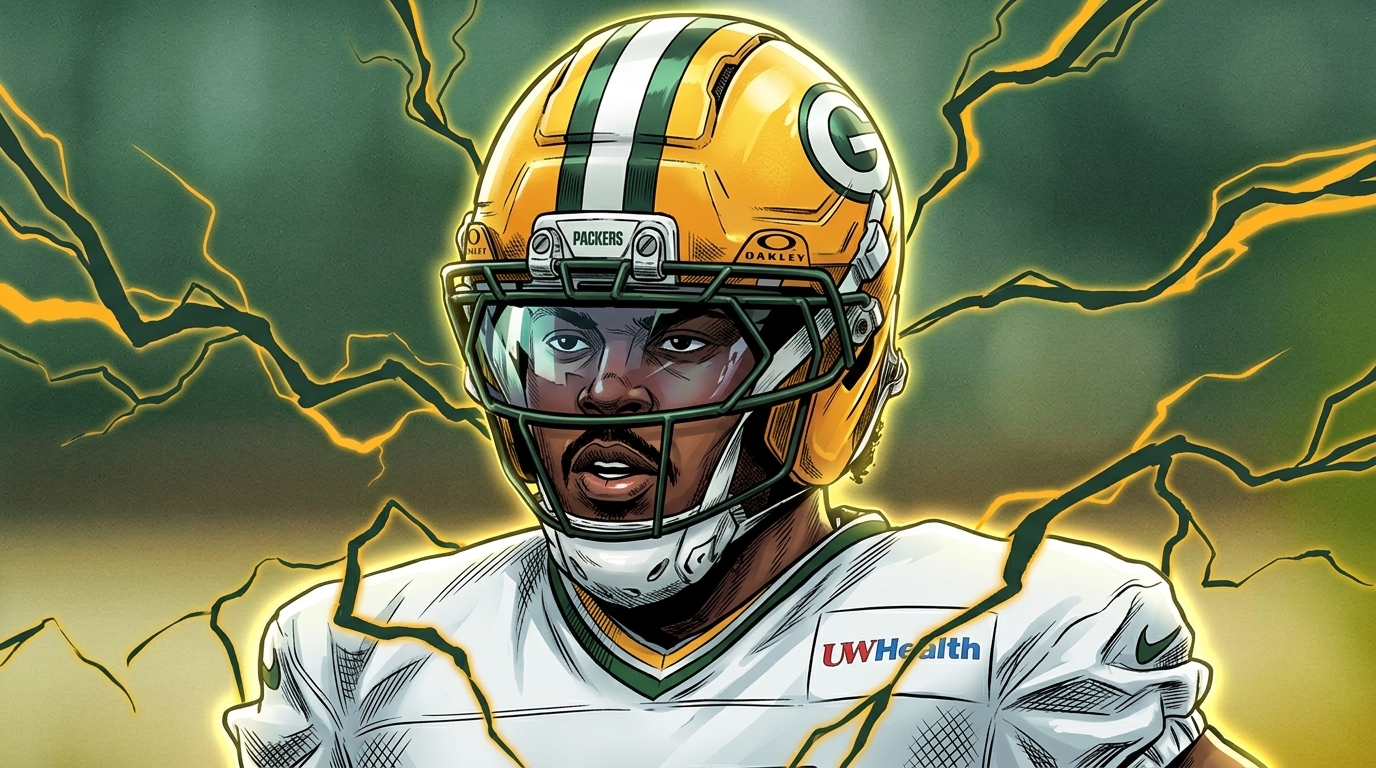
The next morning, on the first day of training camp, Grant Delpit signed a three-year extension worth $48 million, with $35 million guaranteed, negotiated by David Mulugheta at the same agency. Delpit had been holding in that morning; general manager Andrew Berry reportedly walked out to the practice field himself to deliver the news, and Delpit was in pads within the hour.
https://twitter.com/DanielOyefusi/status/2082523135715217596
Two defensive backs, made rich a day apart, roughly two months after the front office sold its best pass rusher for future draft capital. Call that whatever framework you’d like, but “rebuild” requires the front office to act like Garrett’s $30 million in savings was found money to be banked, not spent. Instead Cleveland treated it like a hedge fund manager unwinding one volatile position to fund two boring, dependable ones: Garrett was the high-beta asset, brilliant but aging into diminishing trade value with every additional season of hits absorbed; Ward and Delpit are the steadier holdings, unlikely to post a signature 20-sack year but also unlikely to blow up the market with a second monster contract, because in Ward’s case, he already has. You sell the volatile stock at the top and buy the boring one on the dip. That is not liquidation. That is portfolio management wearing a rebuilding team’s clothes.
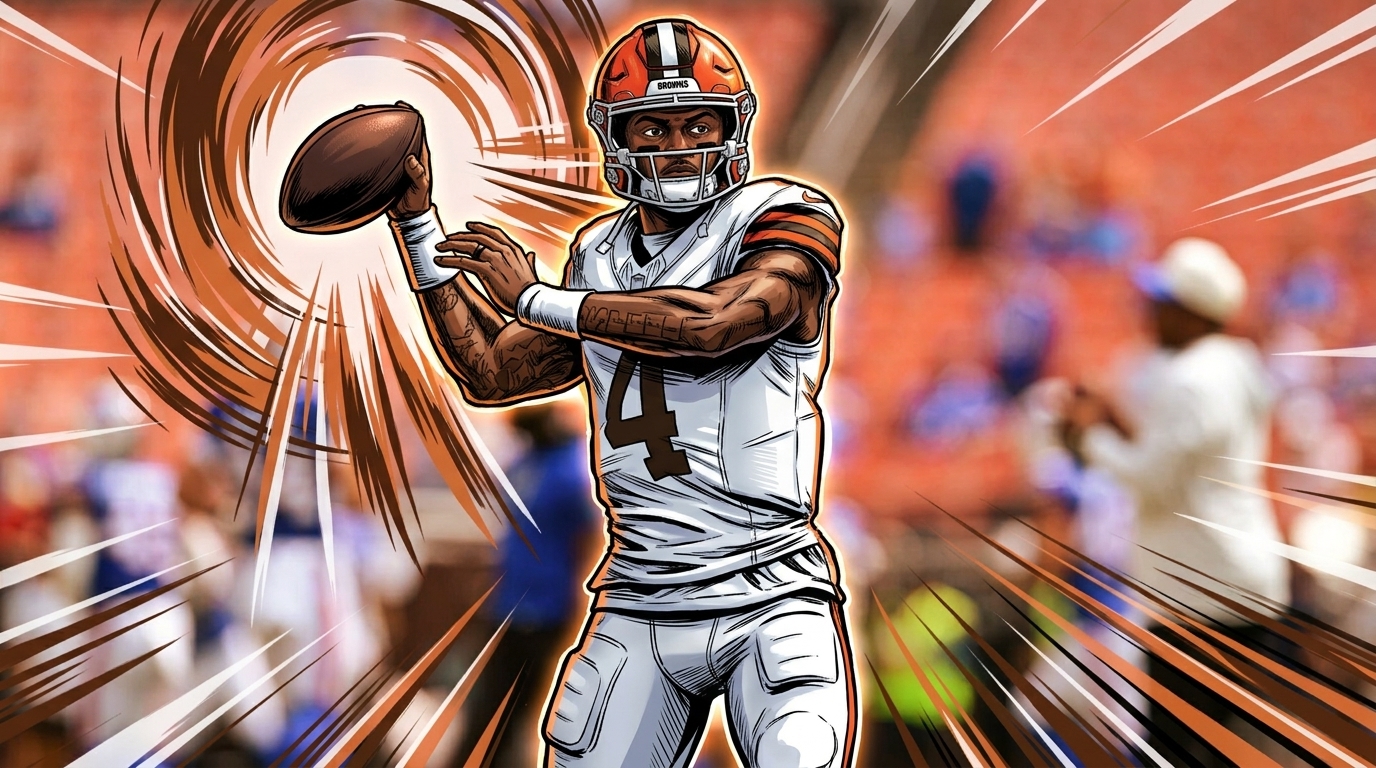
It’s also, not incidentally, the same instinct at work in what the Browns haven’t done. A team that had actually decided to rebuild would use this camp to settle the quarterback competition Cleveland still hasn’t resolved, clear the position, and commit to whatever losses came with the answer. Cleveland hasn’t done that either. It is hedging at quarterback the same way it is hedging on defense — paying real money to a unit that only matters if the team fielding it is trying to win now, while leaving the position that decides whether it wins at all deliberately unresolved.
None of this required Ward or Delpit to make noise, and that’s the other tell. Nobody threatened a holdout beyond a single morning; nobody staged a public grievance. The checks simply arrived, in the exact week camp opened, as if the front office had been sitting on them since the Garrett trade cleared and was only now ready to admit it. Other outlets have already made the case that this isn’t a fire sale. It isn’t, technically. It’s a fire sale that sold off one department and spent two months quietly buying insurance on the rest of the building.